Investing is a good decision when your day-to-day finances are stable, you have a clear goal for your money, and you can leave it invested long enough to ride out market volatility. If you are juggling high-interest debt or lack an emergency fund, focusing on financial stability is often the smarter move.
This guide walks you through the practical signals that you are ready to invest, what can make investing a bad fit right now, and the practical first steps to take once you decide you are in a good position.
Key Takeaways
- Stability first: Investing works best when you have an emergency fund and manageable debt.
- Risk tolerance: Your plan must account for your ability to stay calm during market drops.
- Inflation risk: Keeping all long-term money in cash can reduce your purchasing power over time.
- Debt math: Paying down high-interest debt often provides a better “guaranteed” return than the stock market.
- Consistency over timing: Aligning investments with long-term goals is more reliable than trying to predict short-term market moves.
You are financially ready to invest when your income covers your bills, your high-interest debt is under control, and you have a dedicated emergency fund. What actually matters here is creating a buffer so you are not forced to sell your assets at a loss when life gets expensive.
Common signs you are ready include:
- Reliable income: Your essential bills are covered every month without stress.
- Budgeting habit: You have a workable budget and can invest consistently, even if the amount is small.
- Employer matching: You are contributing enough to capture any “free money” offered through a retirement match.
- Cash buffer: You have liquid savings specifically set aside for surprises.
If money is tight month to month, investing is still possible, but it is often less stressful after you reduce the chance of needing an early withdrawal.
Why is an emergency fund essential before you invest?
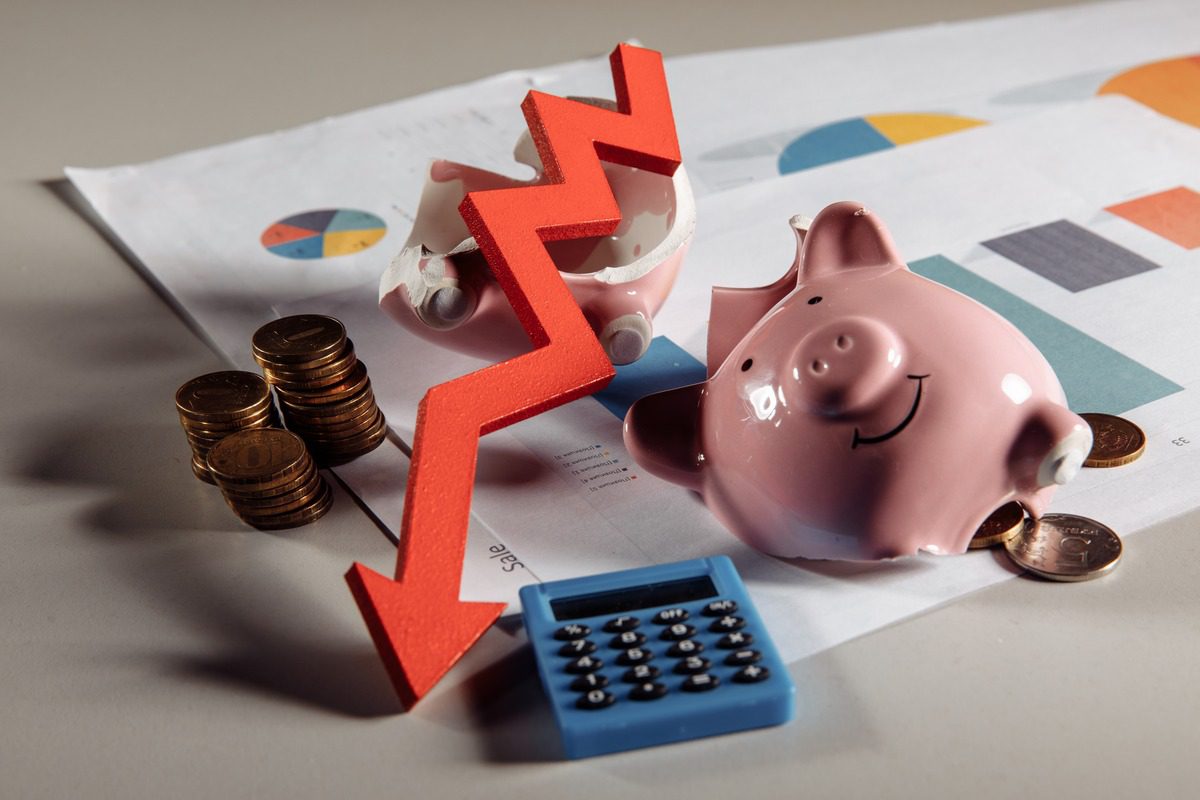
An emergency fund prevents you from being forced to sell investments during a market downturn to cover a job loss or medical bill. In practice, an emergency fund acts as insurance for your portfolio, ensuring that a temporary life crisis does not become a permanent financial loss.
A common rule of thumb is to keep 3 to 6 months of essential expenses in a liquid account. Your ideal amount depends on your job stability and insurance coverage.
Keeping this money in an FDIC-insured bank account protects it if the bank fails, and you can learn more via FDIC deposit insurance resources.
Should you pay off high-interest debt before investing?
Paying off high-interest debt is usually the better move because the interest savings provide a guaranteed return that often exceeds what you could earn in the market. Every dollar of principal you eliminate is a dollar that will not accrue future interest, which is a “win” you do not have to gamble for.
The mistake most people make is ignoring the math of credit card interest rates, which are often double or triple the average stock market return. While you can invest while building retirement savings, prioritize high-rate balances first.
The trade-off is simple: a guaranteed 20% “return” from paying off a credit card is better than an uncertain 10% from a stock.
How does inflation affect keeping money in cash?
Inflation reduces the purchasing power of your cash over time, meaning the same dollar amount buys fewer goods and services in the future. While cash feels safe because the balance does not drop, it quietly loses value in “real” terms.
The Federal Reserve tracks these trends through the Consumer Price Index (CPI), which you can monitor via the Bureau of Labor Statistics CPI page. Cash is a vital tool for short-term needs and emergencies.
However, for goals that are decades away, sitting in cash is often a recipe for losing wealth to rising prices.
What role should your risk tolerance play in investment decisions?
Risk tolerance determines how much market volatility you can handle without panicking and selling at a loss. It is a mix of your financial ability to lose money and your emotional ability to watch your balance fluctuate.
Ask yourself these questions:
- Emotional resilience: If your investments dropped 20% tomorrow, would you sell in a panic or stay the course?
- Financial cushion: Do you have enough stable income to avoid touching your investments for several years?
- Timeframe: Is your goal far enough away that you can wait for the market to recover from a bad year?
As NerdWallet’s investing guide explains, volatility is normal. A solid plan matters more than reacting to scary headlines.

Is it smart to invest based on market conditions, or focus on long-term goals?
Focusing on long-term goals is more effective than reacting to market conditions because market timing is notoriously difficult for most investors. Markets rise and fall for unpredictable reasons, and missing just a few of the market's best days can significantly hurt your long-term returns.
A more practical approach includes:
- Define the goal: Determine if you are saving for retirement, a home, or education.
- Choose the strategy: Match your account type to your specific timeline.
- Automate your plan: Use automated platforms like robo-advisors to take the emotion out of the process.
To start an automated or self-directed plan, you will need a reliable brokerage account. Many modern platforms offer low or no fees to help beginners keep more of their returns.
| Broker | Account Minimum | Commission | Learn More |
|---|---|---|---|
| Fidelity Investments | $0 - $2M
No minimum for Fidelity Go® and brokerage, $500,000 for Fidelity® Wealth Management, $2 million for Fidelity Private Wealth Management®
|
0% - 1.04%
Fidelity Go® Robo advisor: $0: under $25,000, 0.35%/yr: $25,000 and above
Fidelity® Wealth Management dedicated advisor: 0.50%–1.50%
Fidelity Private Wealth Management® advisor-led team: 0.20%–1.04%
|
Read Review |
| Charles Schwab | $0 - $500,000
$0 for brokerage account, $5,000 for Schwab Intelligent Portfolios, $25,000 for Schwab Intelligent Portfolios Premium, $500,000 for Schwab Wealth Advisory |
Up to 0.80%
$0 online commission on U.S. listed stocks, mutual funds and ETFs, options: $0.65 per-contract, Schwab Intelligent Portfolio - 0%, Schwab Intelligent Portfolios Premium - One-time planning fee: $300 + Monthly advisory fee: $30, Schwab Wealth Advisory: up to 0.80% |
Read Review |
| Robinhood | $0 | $0 - $6.99
$0 for basic account, $6.99 for Robinhood Gold |
Read Review |
How do you determine your investment time horizon?
Your investment time horizon is the number of years you expect to keep your money invested before you need to withdraw it. This is the clearest filter for choosing where to put your money.
Use this simple framework:
- 0-3 years: Focus on cash, high-yield savings, or CDs for stability.
- 3-10 years: Consider a mix of stocks and bonds based on your flexibility.
- 10+ years: Investing in stocks is more compelling because you have time to recover from “bear” markets.
What are the red flags that suggest you aren’t ready to invest?
The most common red flags are a lack of emergency savings, reliance on high-interest credit cards for essentials, and a tendency to make emotional financial decisions. If you find yourself paying bills late or using “buy now, pay later” for groceries, your budget needs attention first.
Investing based on social media hype or pressure is another major warning sign. “Not ready” is never a permanent label.
It is simply a signal to strengthen your foundation before you start building wealth.
What first steps should you take once you decide to invest?
Once you are ready, you should define your goal, choose a tax-advantaged account, and select a diversified portfolio of low-cost funds. Keep the process simple to ensure you actually stick with it.
- Clarify the goal: Retirement money requires a different strategy than a house down payment.
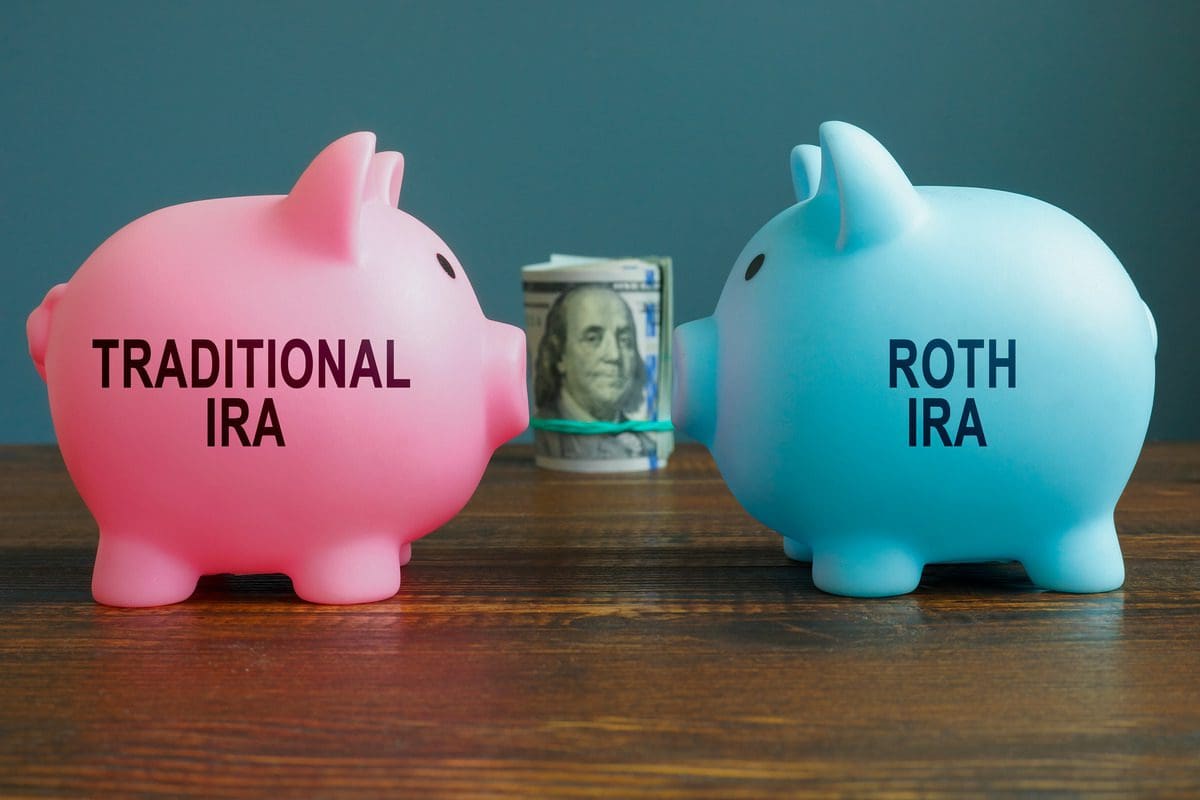
- Pick an account type: IRAs and workplace plans offer tax benefits that help your money grow faster. As Bankrate explains about IRAs, these accounts have specific rules for withdrawals.
- Diversify immediately: Use broad index funds or ETFs rather than trying to pick “winning” individual stocks.
- Automate everything: Set up a recurring transfer so you invest without having to think about it.
- Ignore the noise: Measure your success by your contribution consistency, not daily market swings.
To help evaluate your initial fund choices or stock selections, consider using a research tool to analyze performance and risk.
| Research Platform | Subscription Plan | Learn More |
|---|---|---|
| Seeking Alpha | $24.90 - $200
Price is based on annual billing. Monthly subscription rates are higher. |
Read Review |
| Morningstar Investor | $20.75
Price is based on annual billing. Monthly subscription rates are higher. |
Read Review |
| TipRanks Premium | $359 ($30 / month)
No monthly plan |
Read Review |
The Bottom Line
Investing is a powerful tool when your financial foundation is solid. This means having emergency savings in place, high-interest debt under control, and a long enough timeline to ride out volatility.
If those pieces are missing, your best “investment” is stabilizing your cash flow first. Once you are ready, follow The Smart Investor's advice for getting started with stocks and focus on steady contributions.