Opening an investment account is worth doing as soon as you have money you will not need for daily bills, because it gives you access to long-term growth that a standard savings account typically cannot match. For most people, you can open one online in under 15 minutes.
What actually matters here is choosing the right account type (taxable vs. retirement) and a brokerage that keeps costs low, so more of your return stays in your pocket. Once your account is open, you can link your bank and automate deposits to build momentum over time.
Key Takeaways
- Identify Your Goal: Choose between a taxable brokerage account for flexibility or a retirement account (like an IRA) for tax advantages.
- Gather Essentials: You will need your Social Security number, U.S. residential address, and bank routing information to get started.
- Compare Costs: Look for “zero-commission” brokers, but stay mindful of expense ratios on the funds you purchase.
- Automate Funding: Linking your bank account allows for recurring transfers, which is one of the most effective ways to build wealth over time.
Why should you open an investment account in 2026?
You should open an investment account in 2026 if you want your money to have a better chance of outpacing inflation and growing over time than it likely would sitting in a traditional savings account. In today’s economy, simply keeping money in a traditional savings account may not be enough to beat inflation or grow your net worth.
According to a 2025 US Investment Trends Report, approximately 64% of Americans intend to invest in the next 12 months, signaling a strong shift toward market participation. The trade-off is that investing comes with market risk, so this is best for money you can leave alone for a while.
While 56% of investors still tend to put leftover money into savings rather than investing, the ease of modern platforms is making it simpler for the average person to start building a portfolio. In practice, the biggest advantage is accessibility, you can get started from your phone without needing to schedule a meeting with a broker.
Which type of investment account is right for you?
The right investment account depends on your goal and timeline, taxable brokerage accounts prioritize flexibility, and IRAs prioritize tax advantages for retirement. Before you sign up, you must decide which “bucket” your money should go into.
Each account type has different tax implications and rules regarding when you can withdraw your funds. The mistake most people make is picking an account based on what is popular, rather than how soon they will need the money.
- Individual Taxable Brokerage Accounts: These offer the most flexibility. You can deposit and withdraw money at any time without age restrictions.
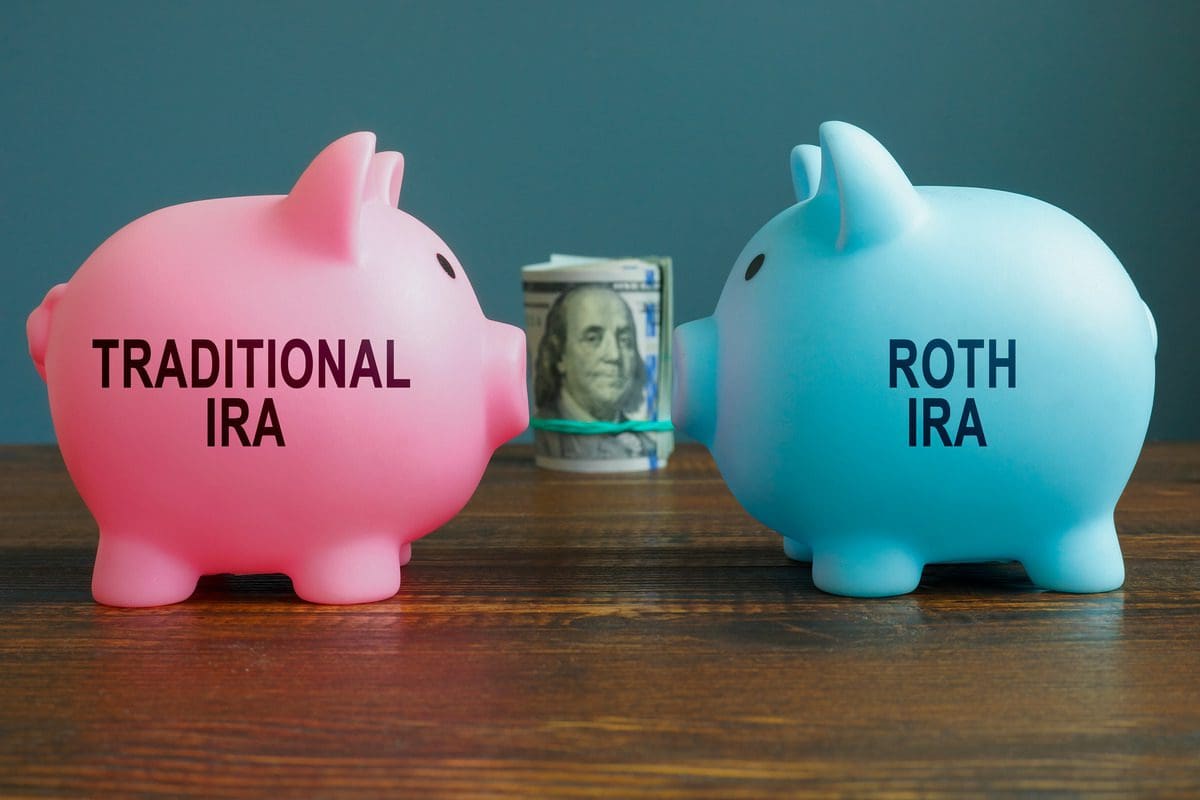
- Retirement Accounts (IRAs): These are designed for long-term savings. Traditional IRAs and Roth IRAs offer significant tax breaks, but you generally cannot withdraw earnings before age 59 and a half without a penalty.
- Specialized Accounts: This includes 529 plans for education savings or Custodial accounts (UTMA/UGMA) for minors.
As noted in the Traditional IRA Pros and Cons list, these accounts are a cornerstone of American wealth, with 58 million U.S. households owning IRAs in 2024.
How do you choose the right brokerage firm?
You choose the right brokerage firm by prioritizing low costs, the investments you actually plan to buy, and an app or website you will be comfortable using consistently. The “brokerage” is the company that holds your account and executes your trades.
With hundreds of thousands of registered professionals in the industry, you have plenty of choices. According to the 2025 FINRA Industry Snapshot, there are over 634,000 registered individuals in broker-dealer roles ready to assist investors.
When comparing firms, consider these factors:
- Fees and Commissions: Most major platforms now offer $0 commissions for online stock and ETF trades.
- Account Minimums: Some firms require $0 to start, while others may require $500 or more for certain mutual funds.
- Investment Options: Ensure the broker offers what you want, such as individual stocks, ETFs, mutual funds, or even cryptocurrency.
- Platform Experience: If you are a beginner, look for a user-friendly app.
| Broker | Commission | Account Minimum | Learn More |
|---|---|---|---|
| Charles Schwab | Up to 0.80%
$0 online commission on U.S. listed stocks, mutual funds and ETFs, options: $0.65 per-contract, Schwab Intelligent Portfolio - 0%, Schwab Intelligent Portfolios Premium - One-time planning fee: $300 + Monthly advisory fee: $30, Schwab Wealth Advisory: up to 0.80% |
$0 - $500,000
$0 for brokerage account, $5,000 for Schwab Intelligent Portfolios, $25,000 for Schwab Intelligent Portfolios Premium, $500,000 for Schwab Wealth Advisory |
Read Review |
| Fidelity Investments | 0% - 1.04%
Fidelity Go® Robo advisor: $0: under $25,000, 0.35%/yr: $25,000 and above
Fidelity® Wealth Management dedicated advisor: 0.50%–1.50%
Fidelity Private Wealth Management® advisor-led team: 0.20%–1.04%
|
$0 - $2M
No minimum for Fidelity Go® and brokerage, $500,000 for Fidelity® Wealth Management, $2 million for Fidelity Private Wealth Management®
|
Read Review |
| Robinhood | $0 - $6.99
$0 for basic account, $6.99 for Robinhood Gold |
$0 | Read Review |
| Webull | $0
May be charge specific fees for trading such as stock options, futures, transfers etc
|
$0 | Read Review |
What documents do you need to apply?
You typically need your SSN (or ITIN), identifying details, employment information, and bank account numbers to open and fund an investment account. Brokerage firms collect this to verify your identity and meet federal requirements.
To comply with federal regulations, brokerage firms must verify your identity as part of the “Know Your Customer” (KYC) process. As NerdWallet explains, you can often open multiple accounts at different firms if you have different financial goals.
To complete the application, have the following ready:
- Social Security Number (SSN): Or an Individual Taxpayer Identification Number (ITIN).
- Personal Information: Your full legal name, date of birth, and U.S. residential address.
- Employment Information: Your current employer’s name and address.
- Financial Details: Your annual income and approximate net worth.
- Bank Information: Your bank’s routing and account numbers to fund your new investment account.
How do you complete the application and fund the account?
You complete the application by filling out an online form about your identity and investing profile, then you fund the account using ACH, wire, check deposit, or a transfer from another brokerage. Most brokers approve applications quickly, but funding can take a few days to clear.
The application is typically an online form. You will answer questions about your investment experience and risk tolerance, which helps the broker determine if certain high-risk investments are appropriate for you.
Once the application is approved, which often happens instantly, you must fund the account:
- Electronic Transfer (ACH): This is the most common method. You link your checking or savings account and move money electronically.
- Wire Transfer: Faster than ACH but often carries a fee from your bank.
- Check Deposit: Many brokerage apps allow you to snap a photo of a check to deposit funds.
- Account Transfer: If you are moving money from another brokerage, you can initiate a TOA (Transfer of Assets).

How long does it take for an account to be active?
An investment account can be approved in minutes, but your deposit often takes one to three business days to settle if you fund it via ACH. Some brokers offer “instant buying power,” which lets you trade small amounts right away while the transfer processes.
Once your funds have settled, you can place your first trade. This involves selecting a ticker symbol, entering the number of shares or the dollar amount you wish to buy, and confirming the order.
What should you do after your account is open?
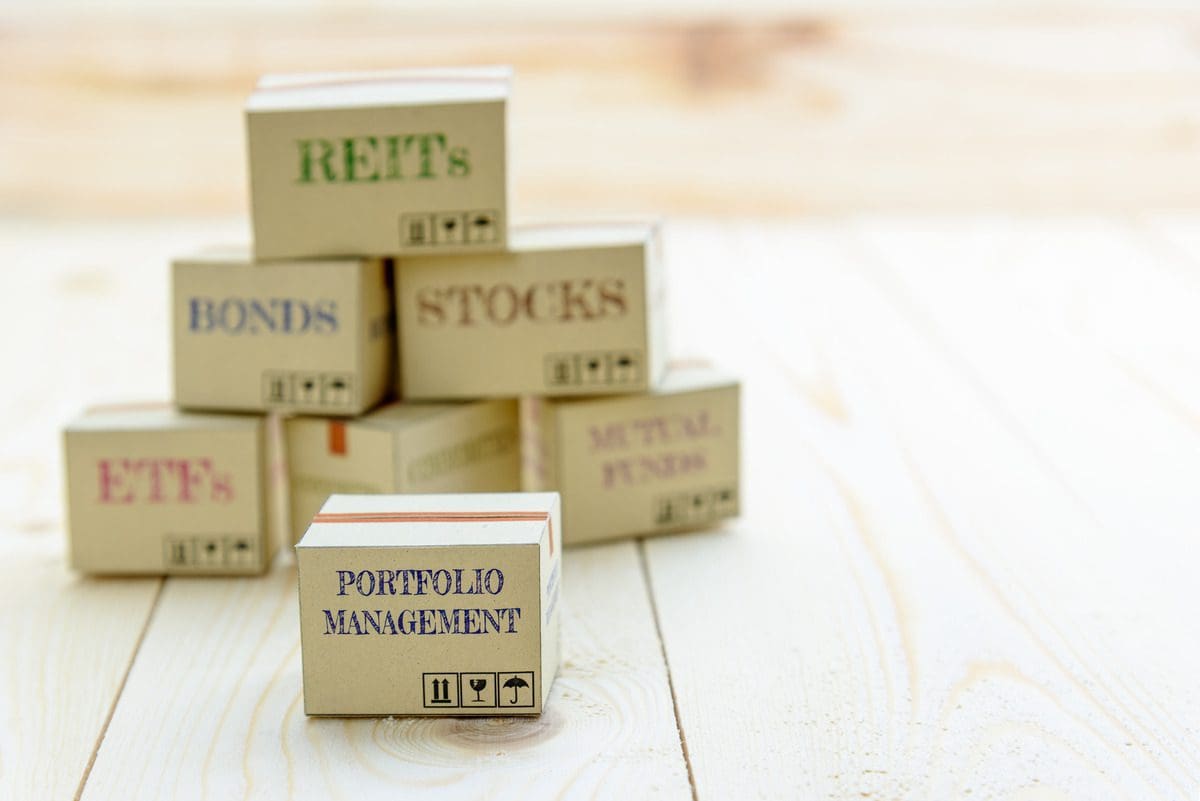
After your account is open, you should pick a simple starting investment, set up recurring contributions, and review your plan at least annually. Opening the account is just the beginning, your results will be driven by what you buy and how consistently you add money.
Data from 2025 indicates that 30% of investors plan to allocate more to ETFs and mutual funds, while 24% plan to focus on individual stocks. In practice, starting with diversified funds is a common way to avoid overcomplicating your first steps.
- Start Simple: Many experts suggest beginning with broad-market ETFs or index funds, which provide instant investment diversification.
- Set Up Recurring Deposits: Consistency is more important than timing the market. Use your broker's “auto-invest” feature to contribute a set amount every month.
- Review Annually: Check your portfolio at least once a year to ensure your asset allocation still aligns with your goals and risk tolerance.
The Bottom Line
Opening an investment account is a straightforward task that most U.S. consumers can complete digitally. By choosing the right account type, selecting a low-fee broker, and setting up automated contributions, you put a practical system in place for long-term investing.
The trade-off is that markets move up and down, so focus on a timeline that gives your investments room to recover from normal volatility. If you want to get moving today, gather your documents, pick an account type that matches your goal, and choose a platform you will actually use.