
When you purchase equities – more commonly referred to as “stocks” – you are buying a small piece of a business, which entitles you to a share of its assets and earnings. This matters because it allows your money to grow alongside the economy, rather than sitting stagnant in a low-interest account.
This guide will explain how equity investments work, the different types available to you, and how they can fit into your long-term financial strategy. Whether you are looking to grow your retirement nest egg or build a diverse portfolio, understanding the fundamentals of stock ownership is the first step toward informed investing.
Key Takeaways
- Ownership: Investing in equities means you own a portion of a corporation.
- Return Potential: Investors generally earn money through stock price appreciation and dividend payments.
- Risk Profile: Equities offer higher potential returns than savings accounts but carry the risk of losing your principal.
- Diversification: Holding a variety of equities across different sectors can help reduce overall investment risk.
What Are Equities? A Simple Definition of Stock Ownership
Equities are financial instruments that give you a legal ownership stake in a corporation. When a company wants to grow, it often raises money by issuing shares to the public.
Each share represents a claim on a part of the company's assets and profits.
As the Securities and Exchange Commission (SEC) explains, when you buy a stock, you become a shareholder. This means if the company performs well and increases in value, your shares become more valuable as well.
Conversely, if the company struggles, the value of your ownership stake may decline.

How Do Equity Investments Work?
Equity investments work by allowing you to buy and sell shares of ownership on public exchanges like the New York Stock Exchange (NYSE) or the Nasdaq. The price of a stock is determined by supply and demand, which is often driven by the company's earnings, economic news, and investor sentiment.
In practice, the price you pay today reflects what the market believes the company will earn in the future. Investors typically seek two types of returns:
- Capital Gains: This happens when you sell your shares for more than the price you paid for them.
- Dividends: Some companies distribute a portion of their profits back to shareholders in the form of regular cash payments.
What Is the Difference Between Common and Preferred Stock?
The main difference is that common stock offers higher growth potential and voting rights, while preferred stock acts more like a fixed-income asset with priority on dividends. Most individual investors buy common stock to capture long-term appreciation, though both types have a place in a balanced portfolio.
- Common Stock: This is the most prevalent form of equity. Holders of common stock usually have voting rights at shareholder meetings and may receive dividends. Historically, common stock has provided higher long-term returns than other investments.
- Preferred Stock: This functions more like a hybrid between a stock and a bond. Preferred shareholders usually do not have voting rights, but they receive a fixed dividend payment before any dividends are paid to common shareholders. In the event of a company liquidation, preferred shareholders also have a higher claim on assets than common shareholders.
Why Should You Invest in Equities?
The primary reason to include equities in your portfolio is the potential for significant long-term growth. Over long periods, the stock market has historically outperformed other asset classes like bonds or cash.
According to NerdWallet, equities are often used as a tool to stay ahead of inflation. Because companies can raise prices as their costs go up, their stock prices and dividends often increase over time.
This helps to preserve the purchasing power of your money over decades.
What Are the Risks of Investing in Company Equities?
The primary risks are market volatility and the potential loss of your initial investment if a company or the broader economy performs poorly. Unlike a savings account, where your balance is generally stable, the value of a stock can fluctuate significantly in a single day.
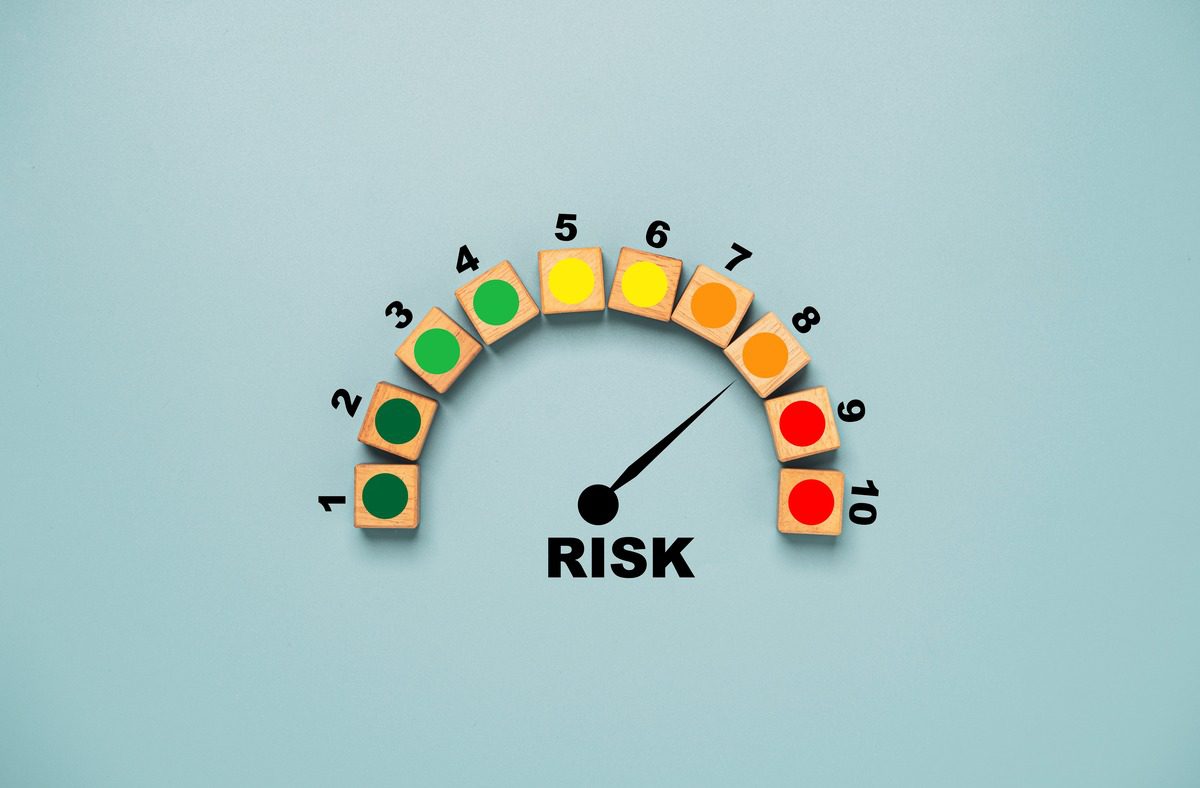
- Market Risk: This is the risk that the entire stock market declines due to economic factors, geopolitical events, or changes in interest rates.
- Company Risk: Even in a good market, a specific company may perform poorly due to bad management, competition, or legal issues.
- Liquidity Risk: Some smaller companies may have fewer buyers and sellers, making it difficult to sell your shares quickly at a fair price.
How Do Equities Differ From Bonds and Fixed-Income Assets?
The difference is that equity is ownership, while a bond is a loan you provide to a company or government. When you buy equity, you are an owner; when you buy a bond, you are a lender.
As FINRA points out, a bond is a debt instrument that promises to pay you back your initial investment plus interest. Because bondholders are creditors, they are paid before shareholders if a company goes bankrupt.
The trade-off is that bonds are generally safer but offer much lower growth potential than stocks.
How Do You Start Buying Equities as a Beginner?
You can start buying equities by opening a brokerage account and choosing between individual stocks or diversified funds. Starting a portfolio is more accessible today than ever before, with many platforms offering zero-commission trades.
The mistake most people make is waiting for the perfect moment to enter the market rather than just starting small.
- Open a Brokerage Account: Choose a firm that offers low or zero commissions and a user-friendly platform. Many top-tier brokers provide extensive research tools to help you evaluate potential equity investments.
| Broker | Commission | Account Minimum | Learn More |
|---|---|---|---|
| Robinhood | $0 - $6.99
$0 for basic account, $6.99 for Robinhood Gold |
$0 | Read Review |
| Charles Schwab | Up to 0.80%
$0 online commission on U.S. listed stocks, mutual funds and ETFs, options: $0.65 per-contract, Schwab Intelligent Portfolio - 0%, Schwab Intelligent Portfolios Premium - One-time planning fee: $300 + Monthly advisory fee: $30, Schwab Wealth Advisory: up to 0.80% |
$0 - $500,000
$0 for brokerage account, $5,000 for Schwab Intelligent Portfolios, $25,000 for Schwab Intelligent Portfolios Premium, $500,000 for Schwab Wealth Advisory |
Read Review |
| Fidelity Investments | 0% - 1.04%
Fidelity Go® Robo advisor: $0: under $25,000, 0.35%/yr: $25,000 and above
Fidelity® Wealth Management dedicated advisor: 0.50%–1.50%
Fidelity Private Wealth Management® advisor-led team: 0.20%–1.04%
|
$0 - $2M
No minimum for Fidelity Go® and brokerage, $500,000 for Fidelity® Wealth Management, $2 million for Fidelity Private Wealth Management®
|
Read Review |
- Decide Between Individual Stocks and Funds: Beginners often start with Exchange-Traded Funds (ETFs) or mutual funds. These funds hold hundreds of different stocks, providing instant diversification.
- Determine Your Budget: Many brokers now offer “fractional shares,” allowing you to buy a small portion of an expensive stock with as little as $1.
- Place a Trade: You can choose a “market order” to buy immediately at the current price or a “limit order” to buy only if the price hits a specific target.

How Do Taxes Affect Your Equity Investments?
Taxes on equities are based on how long you hold the asset, with “long-term” holdings of over one year receiving much lower tax rates. When you make money from equities, the IRS generally expects a cut of the profits.
- Short-Term Capital Gains: If you sell a stock you have owned for one year or less, the profit is taxed at your ordinary income tax rate.
- Long-Term Capital Gains: If you hold a stock for more than a year, you qualify for lower rates, which are typically 0%, 15%, or 20% depending on your total income.
- Dividend Taxes: Most “qualified” dividends are taxed at the same favorable rates as long-term capital gains.
The Bottom Line
Equities are a vital tool for building long-term wealth because they allow you to participate in the growth of the global economy. While the market involves inherent risks and price swings, a diversified approach – holding many different stocks through funds – can help mitigate these risks.
To take action, consider opening a brokerage account and setting up a recurring contribution to an index fund to benefit from the power of long-term growth.