A bond is a debt security where you act as the lender to a government or corporation in exchange for regular interest payments and the return of your original investment. It serves as the “ballast” for your portfolio, providing steady income that typically moves in the opposite direction of the stock market.
While you won't get the explosive growth potential of stocks, you gain a predictable stream of cash and a much higher level of capital protection.
For decades, bonds have helped to offset the volatility of the stock market. Understanding the different types of bonds and how they react to the economy is essential for any investor looking to build a balanced financial plan in 2026.
In practice, the role of bonds often shifts from growth-seeking to wealth-preservation as you get closer to retirement.
Key Takeaways
- Fixed Income: Bonds provide predictable interest payments, often referred to as “coupons,” making them a popular choice for retirees and conservative investors.
- Inverse Relationship: Bond prices generally move in the opposite direction of interest rates; when rates rise, bond values typically fall.
- Credit Quality: Bonds are rated by agencies to indicate the borrower's ability to pay back the debt, ranging from high-quality “investment-grade” to riskier “high-yield” options.
- Diversification: Including bonds in a portfolio can reduce overall risk, as they often perform differently than stocks during market downturns.
What Is a Bond and How Does It Work?
A bond functions like an IOU where you are the lender and the issuer is the borrower. The entity issuing the bond – whether it is the U.S. government, a city, or a major corporation – uses your capital to fund projects, operations, or infrastructure.
As PIMCO describes, bonds are fixed-income investments because the interest payments are usually set at a fixed rate for the life of the loan.
Most bonds have a “face value” or “par value,” which is the amount you will receive back once the bond reaches its maturity date. Until that date, you receive periodic interest payments based on the “coupon rate.”
For example, a $1,000 bond with a 5% coupon will pay $50 in interest annually.

What Are the Main Types of Bond Investments?
The four primary categories of bonds that U.S. investors typically consider are Treasuries, corporate bonds, municipal bonds, and emerging-market bonds. Each carries a different level of risk and potential return based on who is asking for the money.
- U.S. Treasury Bonds: These are backed by the full faith and credit of the U.S. government. They are generally considered the safest bond investments because the risk of default is extremely low.
- U.S. Treasury securities serve as the benchmark for almost all other debt.
- Corporate Bonds: These are issued by companies to fund business growth or acquisitions. They typically offer higher interest rates than government bonds to compensate for the higher risk of the company failing.
- In 2025, the Morningstar US Corporate Bond Index achieved a gain of 7.56%.
- Municipal Bonds: Known as “munis,” these are issued by states, cities, or counties to fund public works like schools and highways. The interest earned is often exempt from federal income taxes and, in some cases, state and local taxes.
- The Morningstar US Municipal Bond Index reported a 3.94% gain for the year 2025.
- Emerging-Market Bonds: These are issued by developing countries. They offer higher potential returns but come with increased political and economic risk.
How Do Bonds Compare to Stocks for Risk and Return?
Bonds generally offer lower risk and more predictable returns than stocks, acting as a stabilizer when equity markets become volatile. While stocks represent ownership in a company and offer the potential for high growth, bonds represent debt and prioritize preservation of capital and income.
According to Vanguard's investment guides, bonds are a key component for diversification because they often move independently of equity markets.
Bonds are generally less volatile than stocks, but they are not risk-free. In 2022, for instance, the global aggregate bond index experienced a 16% decline as interest rates normalized.
However, by 2025, the market stabilized significantly, with the Morningstar US Core Bond Index posting a 7.12% return for the year.

Why Do Bond Ratings and Credit Quality Matter?
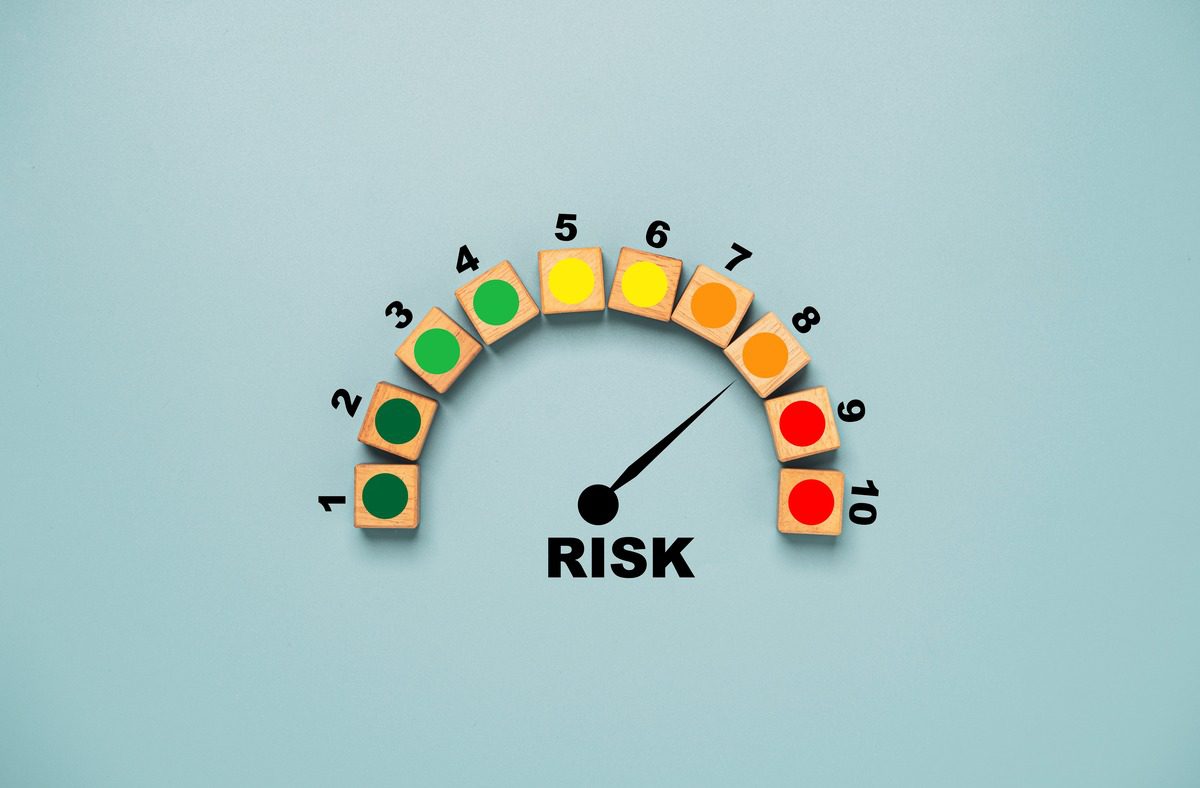
Bond ratings tell you how likely an issuer is to repay their debt, helping you gauge the level of risk you are taking on for a specific yield. Agencies like Standard & Poor’s and Moody’s assign grades to bonds based on the issuer's financial health.
The mistake most people make is chasing the highest yield without checking if the rating is “junk” status.
- Investment-Grade Bonds: These are high-quality bonds with a lower risk of default. In 2024, corporate issuance of investment-grade bonds reached $1.5 trillion, representing a 24% increase from the previous year.
- High-Yield Bonds: Also known as “junk bonds,” these are issued by companies with lower credit ratings. They pay higher interest to attract investors but carry a much higher risk that the borrower will not be able to make payments.
- High-yield corporate bond sales totaled $302 billion in 2024.
How Do Interest Rates Affect Your Bond Market Value?
Interest rates and bond prices have an inverse relationship; when rates go up, existing bond prices fall, and when rates go down, prices rise. This happens because when the Federal Reserve raises interest rates, new bonds are issued with higher coupons.
This makes your older bond with a lower coupon less attractive to other buyers.
The trade-off is that while rising rates hurt your current bond's resale value, they allow you to reinvest your interest into new bonds with higher yields. As of late 2025, the yield cushion on global government bonds was approximately 45 basis points.
This provides a small buffer against potential rate volatility.
Tax-Exempt vs. Taxable Bonds: What Is the Difference?
The difference lies in whether you pay taxes on the interest you earn, which can significantly impact your “real” return. Most corporate and government bonds are taxable, meaning you must pay federal and sometimes state income tax on the interest payments.
Municipal bonds are the primary “tax-exempt” option. For an investor in a high tax bracket, a municipal bond paying 3% might actually provide a better after-tax return than a corporate bond paying 4%.
What actually matters here is your tax-equivalent yield, which tells you what a taxable bond would need to pay to match a tax-free one.
How Do You Start Investing in Bonds?
You can start investing in bonds by either purchasing individual debt securities through a brokerage account or buying into a bond-focused fund. Each method has its own benefits depending on how much capital you have and how much control you want over your portfolio.
- Individual Bonds: This allows you to know exactly how much interest you will receive and when you will get your principal back. However, buying individual bonds often requires a higher minimum investment, sometimes $1,000 to $10,000 per bond.
- Bond Funds and ETFs: As NerdWallet explains, bond Exchange-Traded Funds (ETFs) are often the easiest entry point for beginners. These funds hold a diversified basket of hundreds or thousands of bonds for a low fee.
- In the third quarter of 2025 alone, taxable bond funds and ETFs saw inflows of $193 billion.
To begin building your fixed-income portfolio, you will need a brokerage account that offers access to the secondary bond market and a wide selection of ETFs.
| Company | Account Minimum | Commission | Learn More |
|---|---|---|---|
| Interactive Brokers | $0 | 0% - 0.75%
$0 online commission on U.S. listed stocks and ETFs, Options: $0.15 - $0.65 per-contract, Futures: $0.25 - $0.85 per-contract. For Interactive Advisors: asset-based management fees of 0.10% to 0.75% |
Read Review |
| Charles Schwab | $0 - $500,000
$0 for brokerage account, $5,000 for Schwab Intelligent Portfolios, $25,000 for Schwab Intelligent Portfolios Premium, $500,000 for Schwab Wealth Advisory |
Up to 0.80%
$0 online commission on U.S. listed stocks, mutual funds and ETFs, options: $0.65 per-contract, Schwab Intelligent Portfolio - 0%, Schwab Intelligent Portfolios Premium - One-time planning fee: $300 + Monthly advisory fee: $30, Schwab Wealth Advisory: up to 0.80% |
Read Review |
| Fidelity Investments | $0 - $2M
No minimum for Fidelity Go® and brokerage, $500,000 for Fidelity® Wealth Management, $2 million for Fidelity Private Wealth Management®
|
0% - 1.04%
Fidelity Go® Robo advisor: $0: under $25,000, 0.35%/yr: $25,000 and above
Fidelity® Wealth Management dedicated advisor: 0.50%–1.50%
Fidelity Private Wealth Management® advisor-led team: 0.20%–1.04%
|
Read Review |
The Bottom Line
Bonds are a fundamental tool for managing risk and generating consistent income in a modern investment portfolio. By balancing government, corporate, and municipal options, you can tailor your fixed-income strategy to your specific tax needs and risk tolerance.
Whether you choose individual bonds or low-cost ETFs, maintaining a bond allocation can help protect your wealth during periods of stock market uncertainty.
Read More