

Table Of Content
Can You Short a Stock on Fidelity?
Yes, you can short stocks on Fidelity if you have a margin account and meet specific eligibility criteria.
Fidelity allows approved margin account holders to borrow stocks for short selling. However, not all stocks are available for shorting due to availability, volatility, or liquidity constraints.
Before initiating a short position, you must be aware of the borrowing fees and margin requirements associated with short selling.
How to Short a Stock on Fidelity: Step-by-Step Guide
Short selling on Fidelity offers opportunities to profit from declining stocks, but it requires discipline, proper research, and risk management.
Here's how to short a stock using Fidelity's platform:
1. Choose and Research the Asset
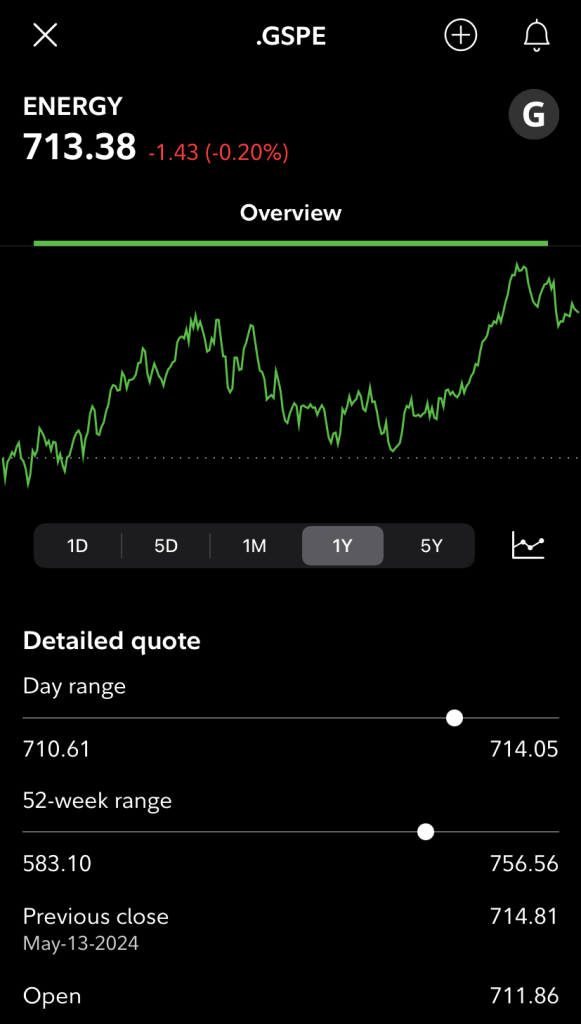
The first step in short selling is identifying suitable stocks to short. You're looking for stocks that show signs of weakness, whether through technical analysis, fundamentals, or overall market sentiment.
Check borrowability: Stocks marked as available for shorting will be shown in your account.
Evaluate short interest: Stocks with high short interest may present increased risks due to the potential for a short squeeze.
Technical analysis: Use charts to identify breakdown levels, resistance zones, or bearish patterns such as head and shoulders.
Once you have identified a stock, ensure that there is enough liquidity to avoid slippage and unexpected volatility. Understanding the risk and reward of each position is critical.
2. Personal Considerations
Short selling requires not only technical skills but also emotional readiness. The possibility of unlimited losses means that you must be prepared for volatile market movements.
Determine your goal: Are you shorting to speculate, hedge, or capitalize on a specific event?
Understand the risks: Short squeezes and market reversals can lead to rapid, substantial losses.
Consider fees and taxes: Short selling comes with borrowing fees, margin interest, and potential tax implications. These must be factored into your strategy.
It's essential to set a clear risk tolerance and use defined strategies to limit potential losses.
3. Initiate the Short Sell Order
Once you've identified your stock and are ready to execute, Fidelity makes it easy to place a short order, but only with an approved margin account.
Check borrow availability: Fidelity provides information on whether the stock is available for shorting.
Review margin requirements: Ensure your account has sufficient equity. Typically, a minimum of $2,000 is required for margin accounts.
Understand the fee structure: Fidelity charges borrowing fees based on the stock’s availability and other market conditions.
Fidelity's platform will guide you through placing the order once the stock is available for shorting.
4. Monitor the Position
After placing your short order, it’s essential to actively monitor the position to manage risk and ensure you're reacting to market shifts.
Use stop-losses and alerts: Set alerts and stop-losses to limit potential losses if the market moves against you.
Track borrowing fees: Fidelity charges daily interest on borrowed shares, which can impact long-term profitability.
Stay informed: Be aware of news events or earnings reports that could trigger a sharp price reversal or cause a squeeze.
Market sentiment and sudden news can lead to unexpected price movements, so constant monitoring is essential.
5. Close the Position and Review Performance
When you decide to close the short position, you'll need to “buy to cover” the stock. This process repurchases the shares you borrowed and finalizes your gains or losses.
Use limit orders: This helps you control entry and exit prices.
Review your trade: Document the details of the trade—entry, exit, profit or loss, and the reasoning behind your decision.
Analyze borrowing costs: Include borrowing fees and duration in your review to understand their impact on net returns.
After closing, reflect on the trade to identify any areas for improvement.
Short Selling on Fidelity: Tips For Investors
Short selling on Fidelity can be profitable and Fidelity has many trading features, but it requires caution and strong risk management practices to minimize potential losses:
Confirm borrow availability: Always ensure the stock is available to short and review its borrow rate.
Use limit orders and stop-losses: Protect your positions from slippage and sudden market reversals.
Position size matters: Limit your exposure, particularly with volatile stocks or low-float assets.
Monitor news and earnings events: These events can trigger sudden price movements or squeeze risks.
By adhering to these best practices, you can enhance your ability to execute short-selling strategies successfully.
Fidelity Margin Requirements
Short selling on Fidelity requires a margin account, and you must meet certain margin requirements:
Minimum equity: A minimum of $2,000 is typically required to open a margin account.
Margin requirements vary: The amount required may increase depending on the volatility of the stock or the market conditions.
Borrowing fees: Fidelity charges fees based on stock availability and other factors, so review this carefully.
Ensure your margin balance is sufficient to avoid a margin call if the market moves against your short position.