Haliey Welch (better known online as the “Hawk Tuah Girl”) reportedly made at least $125,000 upfront for promoting the $HAWK crypto token. Beyond that, her total earnings are unclear because her reported deal also included 50% of trading profits (after expenses) and a 10% token allocation that she was reportedly unable to access at first.
This matters because “how much she made” is often used to imply credibility or safety. In practice, influencer payouts can be real even when a token is highly volatile, hard to value, or difficult for everyday buyers to exit without losses.
Key Takeaways
- Known payment: Haliey Welch was reportedly paid $125,000 upfront to promote the $HAWK token.
- Potential additional earnings: The reported agreement also included 50% of trading profits after expenses plus a 10% allocation of all $HAWK coins, though she was reportedly initially unable to access that allocation.
- Total “how much she made” is not confirmable publicly: Without verified on-chain wallet access and settlement details, any full-dollar estimate is speculation.
- Meme coins are high-risk: Celebrity or influencer involvement does not reduce volatility or protect against loss, and it can amplify hype-driven price swings.
Who is the “Hawk Tuah Girl,” Haliey Welch?
Haliey Welch rose to viral fame online from a street interview clip that spread rapidly across social media. Coverage of her crypto involvement often frames her story as a sudden shift from an ordinary job into internet celebrity and monetization opportunities on the best crypto trading platforms, including crypto promotion.
While viral tokens often launch on decentralized, unregulated platforms, established investors typically use regulated exchanges for better security and transparency.
| Company | Trading Fees | Supported Coins | Learn More |
|---|---|---|---|
| Coinbase | $0.99 - 2.00% (Standard), 0.05% - 0.60% (Advanced Trade)
For transactions above $200 (standard account): 1.49% fee for using a bank account or USD wallet, 3.99% fee for using a debit or credit card. For Coinbase Advanced Trade: 0.60% for taker trades and 0.40% for maker trades. The more you trade, the lower the fees - can decrease to as low as 0% - 0.05%. |
+250 | Read Review |
| Kraken | 0.40% - 0.25%
0.40% for taker trades and 0.25% for maker trades. The more you trade, the lower the fees - can decrease to as low as 0% - 0.10%. Using GT tokens to pay trading fees offers a 10% discount |
+300 | Read Review |
| Gemini | $0.99 - 1.49% (Web & Mobile), 0.20% - 0.40% (Active Trader)
For Gemini’s website or mobile app users are charged 0.50% convenience fee For Active Trader, 0.40% for taker trades and 0.20% for maker trades. The more you trade, the lower the fees - can decrease to as low as 0% - 0.03%. |
+150 | Read Review |
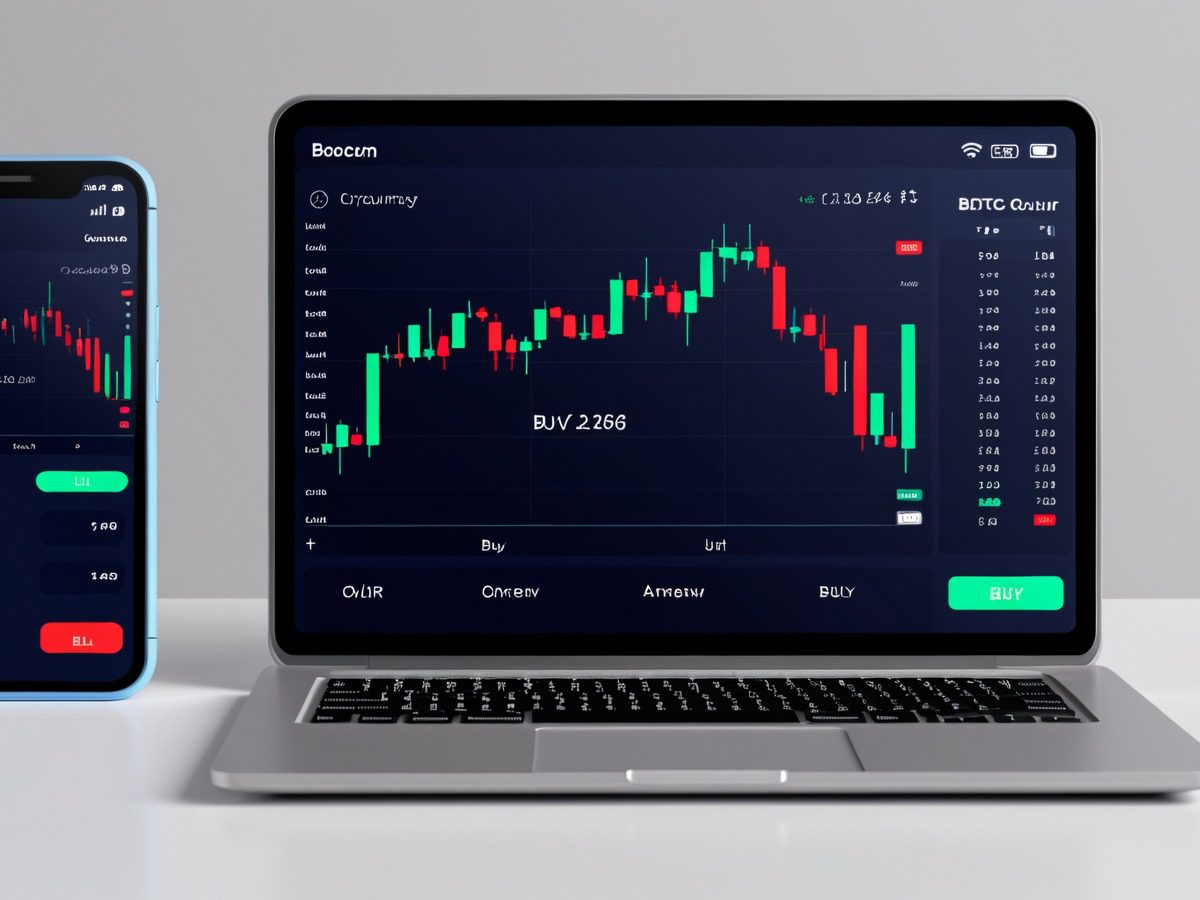
That context matters because meme coins and influencer promotions tend to thrive on attention. When attention fades, liquidity can dry up quickly, leaving late buyers holding the bag, which is why it is vital to identify trends early before a market saturated with hype cools down.
Did the Hawk Tuah Girl launch a cryptocurrency, or did she just promote one?
Based on the reporting cited in this topic, Welch’s connection is best understood as promotion and deal participation, not necessarily as a solo founder building a blockchain project. In other words, $HAWK is discussed as a crypto token that used her viral brand as a marketing engine.
That distinction is important for consumers. A celebrity face on the front of a token does not automatically mean they: built the project, control liquidity, or manage token supply.
The mistake most people make is assuming “the face of the project” also controls the plumbing. Even if an influencer is involved contractually, crypto projects often have multiple behind-the-scenes operators.
How much did Haliey Welch make from $HAWK, based on the reported deal terms?
What’s been reported publicly is a three-part compensation structure. First is the $125,000 upfront payment, which is the clearest figure tied to her promotion.
This is reported in coverage such as AMB Crypto’s breakdown of the alleged deal terms. Second, the agreement allegedly entitled her to 50% of trading profits after expenses.
This is where the math gets murky because trading profits depend on what counts as expenses and whether profits were realized at all. Third, she was reportedly allocated a 10% allocation of all $HAWK coins, though she was reportedly unable to access them initially.
Bottom line: At least $125,000 is the commonly cited base amount. Anything beyond that requires verifiable details that typical investors do not have.
What is the $HAWK token, and what does “performance” really mean for a meme coin?
Meme coins generally trade more on narrative and momentum than on fundamentals, similar to how Dogecoin became a cultural phenomenon. The trade-off is that you can see explosive upside and equally sharp drops, often within a short window.
Public commentary around Welch’s involvement includes dramatic descriptions of the outcome, including a YouTube video framing it as a “$500M Crypto Disaster.” This signals how fast these situations can escalate in online discourse and market behavior.
For everyday investors, “performance” should be evaluated based on liquidity and concentration. You must also consider token unlocks and whether insiders can sell before the public realizes it.
Was the Hawk Tuah crypto project a rug pull, and what does that accusation mean?
“Rug pull” is a broad term people use when a token’s insiders allegedly drain liquidity or dump holdings, leaving other holders with heavy losses. The reporting around $HAWK includes controversy and allegations, but consumers should be careful with labels.
A coin can implode for multiple reasons that may not meet a strict definition of fraud. These include hype-driven spikes followed by sharp selloffs or thin liquidity wiping out late buyers.
What actually matters here is what you can verify. If you’re evaluating a project, focus on verifiable items like on-chain wallet activity and whether token restrictions were disclosed in advance.
What are the biggest risks of influencer-backed crypto projects for U.S. consumers?
Influencer-backed tokens can combine two high-risk ingredients: unregulated marketing hype and ultra-volatile assets. Key risks include information asymmetry where insiders may know unlock schedules that the public does not.
Conflicted incentives are also a major concern, as paid promoters can profit even if buyers lose money. Meme coins can move double digits in hours, leaving investors with limited recourse compared to regulated financial products.
If you’re deciding where crypto fits in your financial life, ground your plan in personal finance basics like emergency savings. The FDIC’s overview of deposit insurance reminds us that bank deposits have protections that crypto generally does not.
Can you track celebrity crypto wallets, and should you rely on that?
It’s possible to track public wallet addresses on block explorers, but you may not have the correct address. Wallet attribution is difficult, and people often claim an address is a celebrity's without proof.
Furthermore, wallet tracking doesn’t explain intent or legal agreements. Even if you identify a wallet, you don’t know lockups or whether someone else controls the keys.
If you track wallets, treat it as one input, not a decision-making tool. For broader consumer guidance, the SEC’s investor bulletins are a practical starting point.
What’s next for Haliey Welch and crypto?
From a consumer standpoint, the most important takeaway is recognizing that viral fame and token launches are a recurring pattern. The next meme coin will likely market the same promise of early entry and “going to the moon.”
Whether Welch stays involved or not, the playbook is evergreen: attention drives volume, and volume drives headlines. That’s the risk cycle consumers should learn to spot.
The Bottom Line
Based on reported terms, Haliey Welch’s crypto earnings appear to include $125,000 upfront, with additional potential compensation tied to profit sharing. Because key details are not publicly verifiable, any precise total beyond the upfront payment is uncertain.
Read More
