

For U.S. consumers interested in digital assets, buying cryptocurrency typically involves selecting a reputable exchange, verifying an account, and funding it to place a buy order. This comprehensive guide simplifies the process for beginners, explaining the fundamentals of cryptocurrency, practical buying steps, and crucial considerations for choosing a platform and payment method.
It also covers essential security measures, potential risks, and tax basics, equipping you with the knowledge needed before your first purchase.
Key Takeaways
- Buying crypto usually means using a crypto exchange, funding your account, placing a buy order, and securing your holdings.
- Fees, security features, and available coins vary by platform and can materially affect your cost and experience.
- Payment method matters: bank transfers are often cheaper than cards, while cards can be faster but may cost more.
- Crypto is volatile and losses can be sudden and significant, so position sizing and risk management matter.
- In the U.S., crypto transactions can be taxable, and good recordkeeping from day one helps.
What is cryptocurrency and how does it work?
Cryptocurrency is a type of digital asset that can be sent or received over a blockchain. This is a distributed ledger maintained by a network of computers.
Unlike a bank, which keeps centralized records, the blockchain records all transactions and ownership changes.
Some cryptocurrencies primarily function as payment networks, while others power software platforms, often called “smart contract” platforms, that run decentralized applications. Many people buy crypto as an investment.
However, it does not offer guaranteed returns like a bank account or a stock; prices can move dramatically.
For beginners, it's important to understand that buying crypto means acquiring an asset whose ownership is tied to cryptographic keys. Whoever controls these keys controls the crypto.
This fundamental aspect highlights why security and storage decisions are critical.
How do you choose a reliable crypto exchange platform?
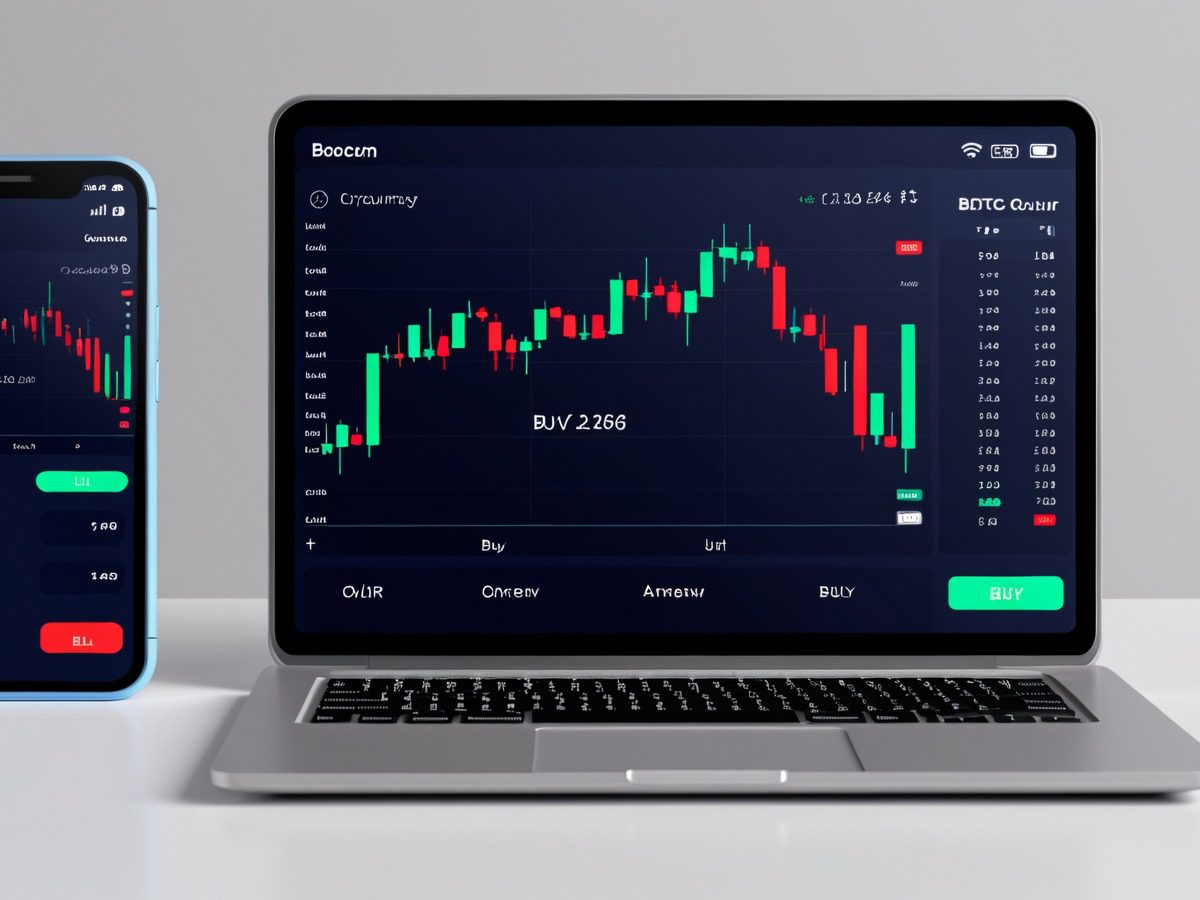
A crypto exchange is the most common place for beginners to buy and sell digital assets. Your goal is to find a reputable platform available in your state that aligns with your intended use of crypto, whether for occasional purchases or frequent trading.
Consider these factors before opening an account:
- Security track record and controls: Look for strong account security features, such as two-factor authentication (2FA), withdrawal confirmations, and device management.
- Fees and spreads: Exchanges may charge trading fees, withdrawal fees, or incorporate costs into the asset's price, known as the “spread.” These differences can significantly impact your overall cost. For example, Binance.US offers a low spot trading fee of 0.10%, while platforms like Coinbase and Gemini use tiered structures for their standard interfaces.
- Asset availability and transfer options: Not all platforms support every cryptocurrency, and some may restrict withdrawals or transfers for specific assets.
- User experience and customer support: For new users, clear order screens and responsive customer support can be as crucial as low fees.
- Regulatory posture and disclosures: U.S. platforms typically require identity verification. Transparency regarding fees and risk disclosures is also a beneficial indicator.
To help you compare, the following table illustrates how fees and coin availability differ across several popular U.S. platforms:
| Platform | Supported Coins | Spot Trading Fees (Standard/Entry) |
|---|---|---|
| Binance.US | 120+ | 0.10% (can decrease to 0.04% with volume) |
| Gemini | 150+ | $0.99 – 1.49% (for Web & Mobile users) |
| Coinbase | 250+ | $0.99 – 2.00% (for Standard accounts) |
| Kraken | 300+ | 0.25% – 0.40% (depending on maker/taker role) |
For a beginner-friendly overview of how purchasing works through common platforms, see NerdWallet’s guide to investing in cryptocurrency.
What payment options can you use to fund a crypto purchase?
Most exchanges allow you to fund your account using one or more of the following methods:
- Bank transfer (ACH): These are often lower cost than card payments, but transfers can take time to clear, depending on the platform and your bank.
- Wire transfer: Typically used for larger amounts, wire transfers can be faster than ACH, though banks may charge their own fees.
- Debit card or credit card: While convenient and often fast, these methods may incur much higher fees. For instance, Coinbase charges a 3.99% fee for purchases made with a debit or credit card. Furthermore, some card issuers treat crypto purchases as cash-like transactions or block them entirely.
- Third-party payment apps or services: The availability of these services varies by exchange and can come with additional fees.
Before funding your account, carefully review the exchange’s deposit fees and any “instant access” rules. Some platforms permit immediate trading but restrict withdrawals until the deposit fully settles.
This distinction is important if you plan to move your crypto to a personal wallet right away.
It is crucial to remember that money held at a crypto exchange does not offer the same protections as money held at a bank. If you are considering where to keep emergency cash, understand which types of accounts have federal deposit insurance protections.
The FDIC’s deposit insurance overview clarifies what is and is not covered at insured banks.
How do you buy cryptocurrency step by step?
While each platform may have slight variations, the general process typically follows these steps:

- Pick an exchange or brokerage that supports the crypto you want. Start with a well-known, U.S.-available platform and confirm it operates in your state.
- Create an account and complete identity verification. You will need to provide personal information and upload an ID, a standard requirement for regulatory compliance.
- Turn on security settings immediately. Establish a strong, unique password and enable 2FA, preferably via an authenticator app rather than SMS if available.
- Link a funding method. This could involve adding a bank account for ACH, setting up a wire transfer, or linking a debit or credit card. Always review associated fees and settlement times.
- Choose your order type. A market order buys quickly at the best available price but can fill at a slightly different price than expected in fast markets. A limit order allows you to set a maximum price you will pay.
- Place the buy order and confirm the details. Before submitting, double-check the asset ticker, dollar amount, estimated fees, and the final total.
- Decide where your crypto will live: on the exchange or in your wallet. If you plan to transfer out, confirm withdrawal capabilities and ensure you are sending to the correct address.
For another consumer-focused walkthrough, Bankrate’s guide to buying cryptocurrency covers common beginner steps and considerations.
Where should you store crypto, and how can you secure it?
Crypto storage primarily involves two common approaches:
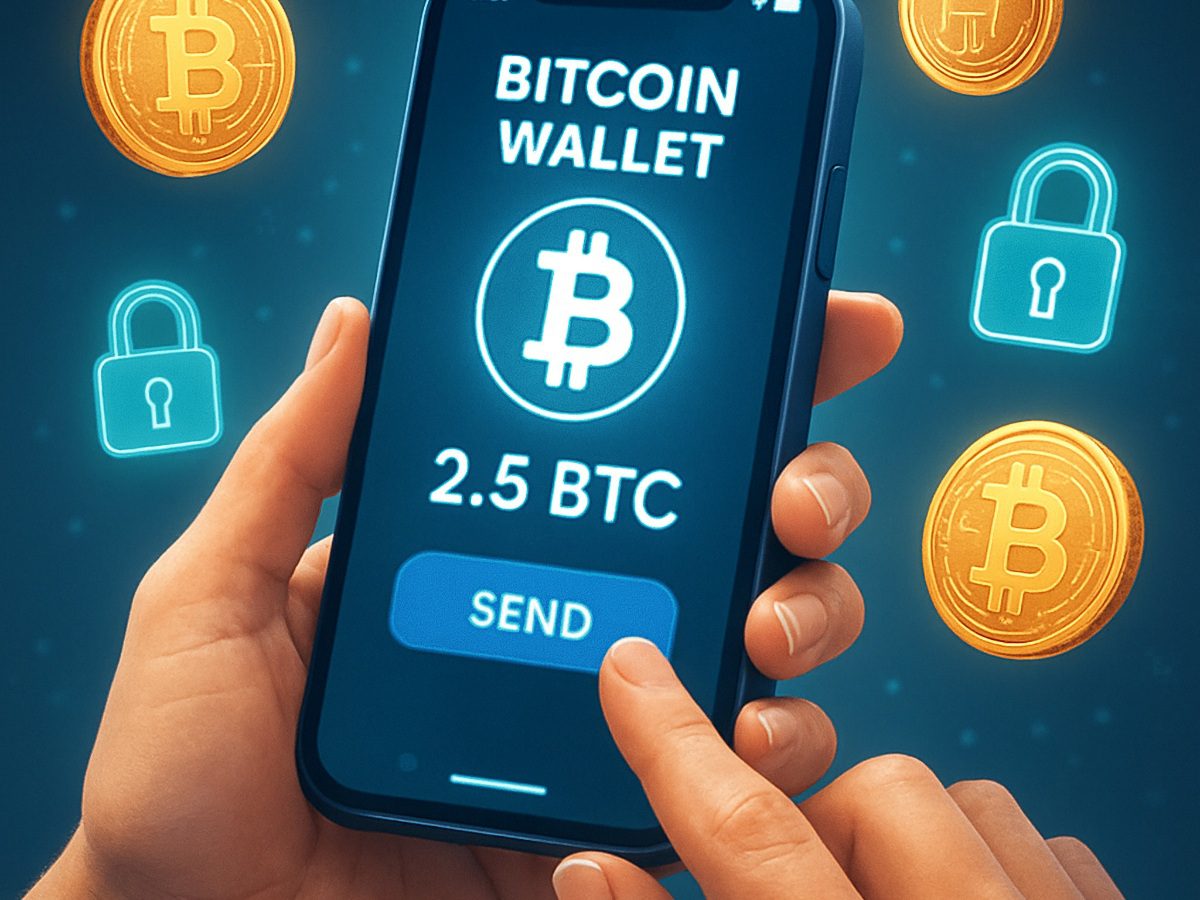
- Custodial storage (on an exchange): Here, the platform holds the cryptographic keys on your behalf. While convenient, this means you rely entirely on the exchange’s security and operational controls.
- Non-custodial storage (your own wallet): With this method, you control the keys, often via a recovery phrase. This offers greater control but also increased personal responsibility.
Regardless of your chosen storage method, these basic best practices apply:
- Use 2FA and keep backup codes in a secure place.
- Beware phishing: Always bookmark official exchange websites and never trust links in unsolicited messages.
- Test small transfers first if you are moving crypto to a new wallet address.
- Separate long-term holdings from spending/trading funds if you plan to be active.
- Keep your devices updated and avoid installing untrusted browser extensions.
If you are new to wallets, it can be helpful to start with small amounts. Focus on learning safe habits before moving larger sums off-platform.
What are the biggest risks of investing in cryptocurrency?
Investing in cryptocurrency carries distinct risks that can differ from traditional investments:
- Price volatility: Crypto prices can rise or fall quickly, sometimes for reasons that are hard to predict.
- Regulatory risk: Rules can change, and changes may affect exchanges, coins, or access.
- Security and fraud risk: Hacks, phishing, and scams are persistent.
- Operational risk: Platform outages, withdrawal freezes, or technical issues can happen, especially during volatile markets.
- Complexity risk: Sending funds to the wrong address, choosing the wrong network, or mishandling keys can lead to permanent loss.
It is also important to understand that crypto holdings are generally not protected in the same way bank deposits are. The Federal Reserve’s “The Fed Explained” offers a clear overview of the U.S. financial system.
This can help clarify the fundamental differences between bank accounts and crypto accounts.
How do crypto taxes work in the U.S., and what records should you keep?
In the U.S., cryptocurrency is generally treated as property for tax purposes. This means many transactions can be taxable events, including selling crypto for dollars or trading one cryptocurrency for another.
Even using crypto to buy goods or services can trigger a taxable event if its value has changed since acquisition.
For beginners, these practical steps are essential:
- Track cost basis and dates: Accurately record what you bought, when, how much, and at what price, including all fees.
- Save exchange reports: Regularly download your transaction history, not only at year-end.
- Be cautious with transfers: Moving crypto between your own wallets is typically not a taxable event itself, but maintaining clear records helps prove transaction details.
Crypto tax rules can be nuanced, especially if you use multiple exchanges or wallets. If your activity becomes complex, consider seeking professional tax advice.
How much crypto should a beginner buy, and what should you consider first?
There is no universal “right” amount of crypto for a beginner to buy. A prudent approach is to start with an amount small enough that a sharp price drop would not negatively impact your financial stability.
Many newcomers treat early purchases as a learning experience, focusing on understanding orders, fees, transfers, and security before increasing their investment.
Before making your first purchase, consider these key questions:
- Do you have high-interest debt or no emergency savings? Due to crypto’s volatility, it is generally a poor substitute for a cash cushion or paying down debt.
- What’s your time horizon and goal? Short-term trading differs significantly from long-term holding, impacting both costs and risks.
- Can you explain what you’re buying? If you cannot describe the asset’s purpose and basic risks, it may be wise to research further before proceeding.
- What fees will you pay end-to-end? Account for all costs, including deposit fees, trading fees, spreads, and any withdrawal or network fees.
- How will you secure it? Decide upfront whether your crypto will remain on an exchange or be moved to a personal wallet. Crucially, set up 2FA before funding any account.
The Bottom Line
For U.S. consumers, the process of buying cryptocurrency is clear: select a trusted exchange, fund your account, place a buy order, and then secure your assets with robust protections and a sound storage strategy.
The more complex aspects involve diligently managing risk, understanding fees, and tracking taxes. Therefore, it is prudent to start with a small amount, maintain meticulous records, and prioritize security over immediate returns.
