

Hedging crypto with futures means keeping the coins you already own while opening a futures position, often a short, that can gain value if prices fall. The goal is to soften the blow of a drawdown without having to sell your spot holdings.
This matters if you want to stay invested long term but you are worried about a near-term dip, a volatile news cycle, or a specific risk window. The trade-off is that hedges can reduce your upside and introduce new risks like funding costs and liquidation.
Key Takeaways
- Goal: A futures hedge is designed to reduce portfolio volatility, not maximize profits.
- Mechanics: Many hedges use a short futures position to offset downside risk in a spot holding.
- Sizing: The hedge ratio determines how much futures exposure you need relative to your spot position.
- Trade-offs: Hedging can limit upside and introduce costs like funding, fees, and liquidation risk.
What is crypto hedging and how does it work?
A hedge is a position intended to offset potential losses in another position. If you hold bitcoin (spot) and worry it could fall in the near term, you can hedge by shorting bitcoin futures.
If bitcoin drops, your spot holdings lose value, but the short futures position can gain, potentially smoothing out your net results.
Hedges are usually temporary and goal-driven, such as reducing risk ahead of market panic or major volatility events. Earnings-like moments in crypto include ETF flows, macro data, or regulatory headlines.
Hedging does not eliminate risk. It changes the shape of your outcomes and can create new risks, especially when leverage is involved.
What are crypto futures contracts, in beginner terms?
A futures contract is an agreement tied to the price of an asset (like BTC or ETH) that lets you take a long or short position without owning the coin itself. If the futures price goes up, longs generally profit and shorts generally lose.
If it goes down, shorts generally profit and longs generally lose.
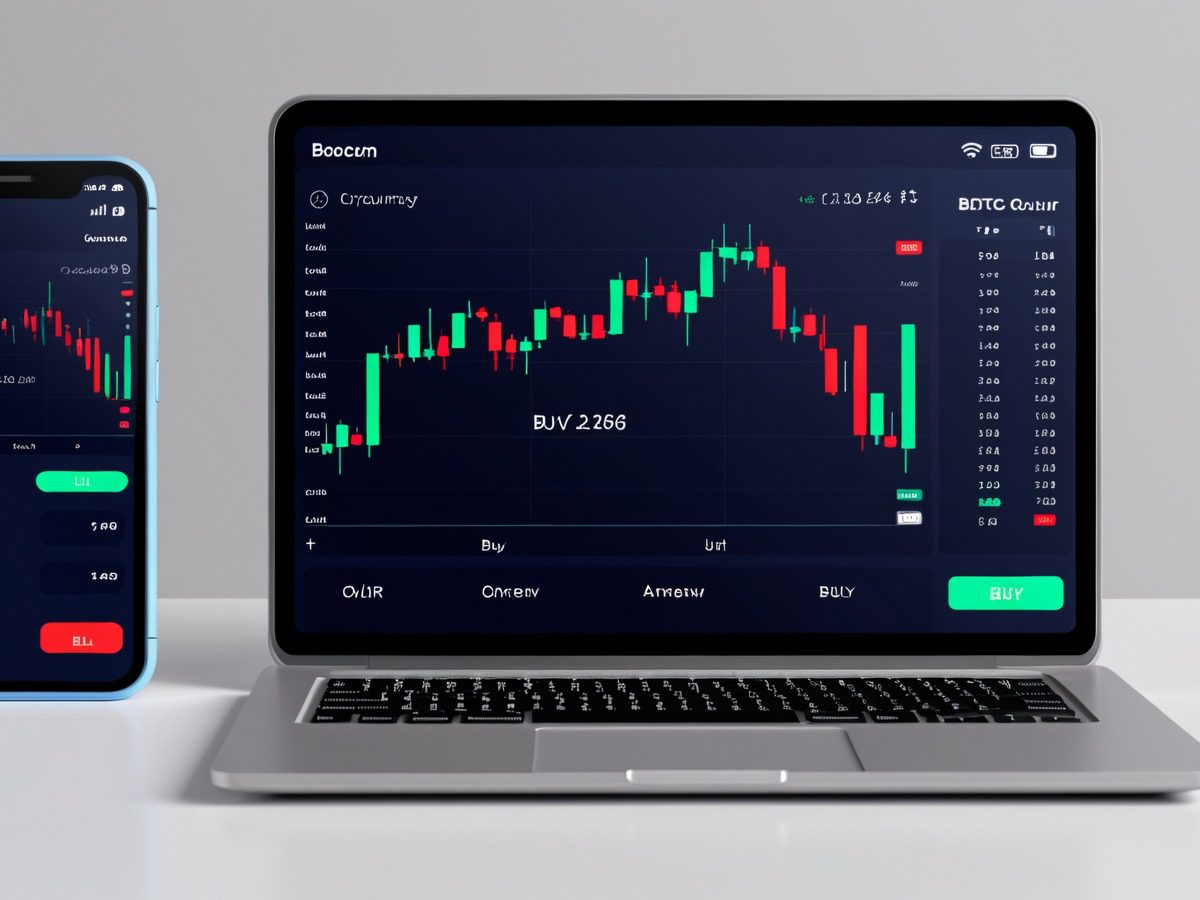
Many crypto platforms offer two common types:
- Perpetual futures (perps): No expiration date, positions can be held indefinitely as long as you meet margin requirements.
- Dated futures: Have a set expiration date, the contract settles at or near that date.
Unlike simply selling your crypto, futures allow you to potentially keep your spot position while taking an offsetting position in derivatives. Because futures use margin, you can control a larger notional position with less collateral, which cuts both ways.
Why hedge your crypto portfolio with futures?
You hedge with futures to reduce downside risk without selling your coins. In practice, this is most useful when you want to stay exposed long term, but you expect short-term volatility and do not want to ride it out unprotected.
For U.S. consumers, several platforms provide the necessary infrastructure to manage these risks. When selecting a provider for hedging, comparing futures-specific trading fees and the variety of supported assets is essential.
| Exchange | Futures Trading Fees | Supported Coins | Learn More |
|---|---|---|---|
| Coinbase | 0.40% - 0.60%
0.60% for taker trades and 0.40% for maker trades. The more you trade, the lower the fees - can decrease to as low as 0% - 0.04%.
|
+250 | Read Review |
| Kraken | 0.02% - 0.05%
0.05% for taker trades and 0.02% for maker trades. The more you trade, the lower the fees - can decrease to as low as 0.005%% - 0.015%. Using GT tokens to pay trading fees offers a 10% discount |
+300 | Read Review |
That said, hedging can also:
- Cap upside: If the market rallies while you are hedged, the hedge can offset some of your gains.
- Add complexity: Margin, contract specs, and funding can create surprises.
If you are new to derivatives, it helps to review how margin and liquidation work. The CFTC’s customer advisory on virtual currency trading risks is a useful baseline for consumers.
How do you short futures to hedge a spot crypto position (step-by-step)?
You short futures by selecting a futures market, placing a sell/short order, and sizing the position so it offsets some or all of your spot exposure. The mistake most people make is treating a hedge like a “set it and forget it” trade, you usually need to monitor margin and sizing as prices move.
The exact screens vary by platform, but the workflow is usually similar to how to trade cryptocurrency on a standard spot exchange, with the added step of selecting a futures-specific pair.
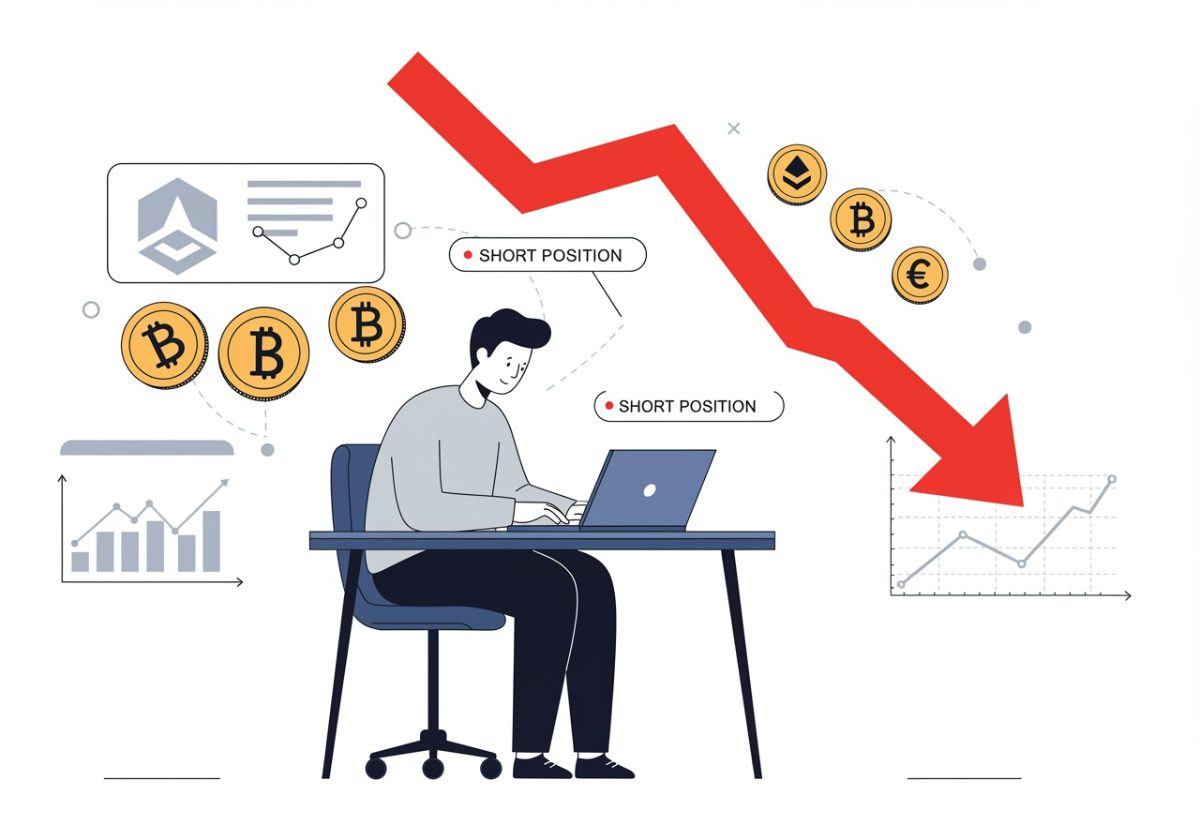
- Define what you are hedging: Example, you own 1 BTC in a spot wallet or exchange account.
- Choose a contract that matches your exposure: Many traders hedge BTC spot with a BTC-USD perpetual or a dated BTC futures contract. Check whether the contract is coin-margined or USD-stablecoin-margined and what the contract size is.
- Decide the hedge strength (0% to 100% or more): A 100% hedge aims to offset most price moves. A partial hedge (like 25% to 75%) reduces risk without fully muting upside.
- Open a short futures position: In most interfaces, you select the futures market, choose “sell/short,” set order type (market/limit), and enter size. Start small if you are learning, because errors can be costly.
- Set risk controls: Consider setting alerts and risk limits. If you use leverage, liquidation is a key risk. Many platforms allow stop orders, but stops are not guaranteed in fast markets.
- Monitor and rebalance: If your spot value changes a lot, your hedge may no longer match. Rebalancing is part of hedging. Also track ongoing costs such as funding (for perps) and fees.
- Close the hedge when the risk window ends: You typically close by buying back the futures you shorted (reducing the short position) when you no longer want protection.
For additional background on how futures hedging works conceptually, the Investopedia overview of hedging and its related futures explainers can help.
How do you calculate the hedge ratio for maximum risk protection?
You calculate the hedge ratio by matching your spot exposure to an appropriate amount of futures exposure, then adjusting for how much protection you actually want. What actually matters here is not “perfect math,” but whether your futures notional reasonably offsets the spot move you are trying to dampen.
In a simplified, same-asset hedge (BTC spot hedged with BTC futures), many people start with a notional match:
- Spot notional: Spot units × spot price
- Futures notional needed: Spot notional × target hedge percentage
- Number of contracts: Futures notional needed ÷ contract notional per contract
Example logic (no specific numbers required): if you hold $10,000 worth of BTC spot and you want to hedge 50%, you target about $5,000 of short BTC futures exposure.
Real-world hedging can be messier because:
- Basis risk: Futures price can differ from spot.
- Contract differences: Contract specs vary by exchange (contract size, tick size).
- Correlation changes: Correlations can change if you hedge one coin with another instrument.
If you want “maximum protection,” be careful. A hedge that is too large can flip your exposure into net short, which changes your goal from reducing risk to actively betting on a drop.
What’s the difference between perpetual and dated futures for hedging?
Perpetual futures are usually easiest for straightforward hedges, while dated futures are often better if you want a defined end date and no perpetual funding mechanism. The trade-off is convenience versus ongoing costs and rollover management.
Perpetual futures
- Pros: Easy to keep on, no expiration management.
- Cons: Often include a recurring funding payment between longs and shorts, which can be a meaningful cost or benefit depending on market conditions.
Dated futures
- Pros: No perpetual funding mechanism, you know the expiration.
- Cons: You must manage expiry (close, roll, or settle), and pricing can include a premium or discount versus spot (basis).
For short-term hedges, some traders prefer perps for simplicity. For longer or more structured hedges, dated futures can be attractive, but the details depend on availability and contract terms.
What are the risks and costs of hedging with crypto futures?
Hedging with futures reduces one kind of risk (spot downside) but adds others, mainly margin and execution risk. In practice, your biggest “unexpected” cost is often liquidation risk caused by sizing too aggressively or using too much leverage.
Hedging has risks even when your intention is conservative:
- Liquidation risk: Futures positions are margined. If the market moves against your hedge, you can be liquidated, especially with high leverage.
- Funding and basis: Perps may require funding payments; dated futures can trade at premiums/discounts versus spot.
- Fees and slippage: Entering and exiting positions costs money, and fast markets can increase slippage.
- Counterparty and platform risk: Exchanges can face outages, liquidity issues, or operational failures during volatile markets.
- Complexity risk: Incorrect contract sizing or misunderstanding coin-margined vs stablecoin-margined contracts can produce unexpected exposure.

The SEC’s investor education resources on crypto-related risks are worth reviewing, even if you are using futures rather than spot products, because many consumer risks overlap.
What common mistakes should you avoid when hedging crypto with futures?
You avoid most hedging blowups by sizing conservatively, understanding contract specs, and monitoring margin. Before entering a hedge, many ask is crypto a smart investment given the high skill level required to manage these tools effectively.
Common mistakes include:
- Over-hedging: Shorting more notional than your spot exposure, unintentionally turning a hedge into a directional bet.
- Using too much leverage: Leverage can make a hedge fragile due to liquidation.
- Ignoring funding and fees: A hedge can slowly bleed returns if costs are high.
- Not monitoring margin: A hedge needs maintenance. A set-and-forget approach can fail in volatile conditions.
- Hedging the wrong instrument: Contract specs matter. If the futures contract does not track your spot asset closely, the hedge can be unreliable.
If you want a consumer-friendly primer on how futures and margin can amplify risk, NerdWallet’s general investing education is a helpful starting point, such as NerdWallet’s explanation of margin trading.
What are alternative hedging strategies for volatile crypto markets?
Alternative hedges can be as simple as holding less crypto, or as structured as buying options, depending on what your exchange supports and what risks you are trying to reduce. The trade-off is usually simplicity and certainty versus cost and complexity.
Depending on your goals and access, alternatives may include:
- Reducing position size: The simplest hedge is holding less crypto.
- Options (if available): Buying a put option can cap downside with defined risk, though options premiums can be expensive and platforms vary.
- Diversification and rebalancing: Spreading exposure across assets and periodically rebalancing can reduce single-asset risk.
- Staying in cash or short-term Treasurys for part of the portfolio: This is less about hedging and more about lowering overall risk.
Each approach has trade-offs. Futures are powerful, but they are also operationally demanding.
The Bottom Line
You can hedge crypto with futures by keeping your spot holdings and shorting an appropriate amount of futures to offset potential downside. The key decisions are contract choice (perpetual vs dated), hedge ratio, and risk controls around margin and liquidation.
If you proceed, size conservatively, understand all fees and funding mechanics, and monitor the hedge so it stays aligned with your goal.
