
You can “make a crypto coin” in two main ways: create a brand-new blockchain (a true coin) or create a token that runs on an existing blockchain like Ethereum or Solana. For most beginners and small teams, launching a token is faster, cheaper, and more realistic than building a new chain from scratch.
This guide breaks down the key decisions and steps: coin vs. token, choosing a blockchain, designing tokenomics, and writing a secure smart contract. We will also cover security audits, legal considerations for U.S. founders, and practical marketing to build an early community.
Cryptocurrency coin vs. token: What’s the difference, and which should you build?
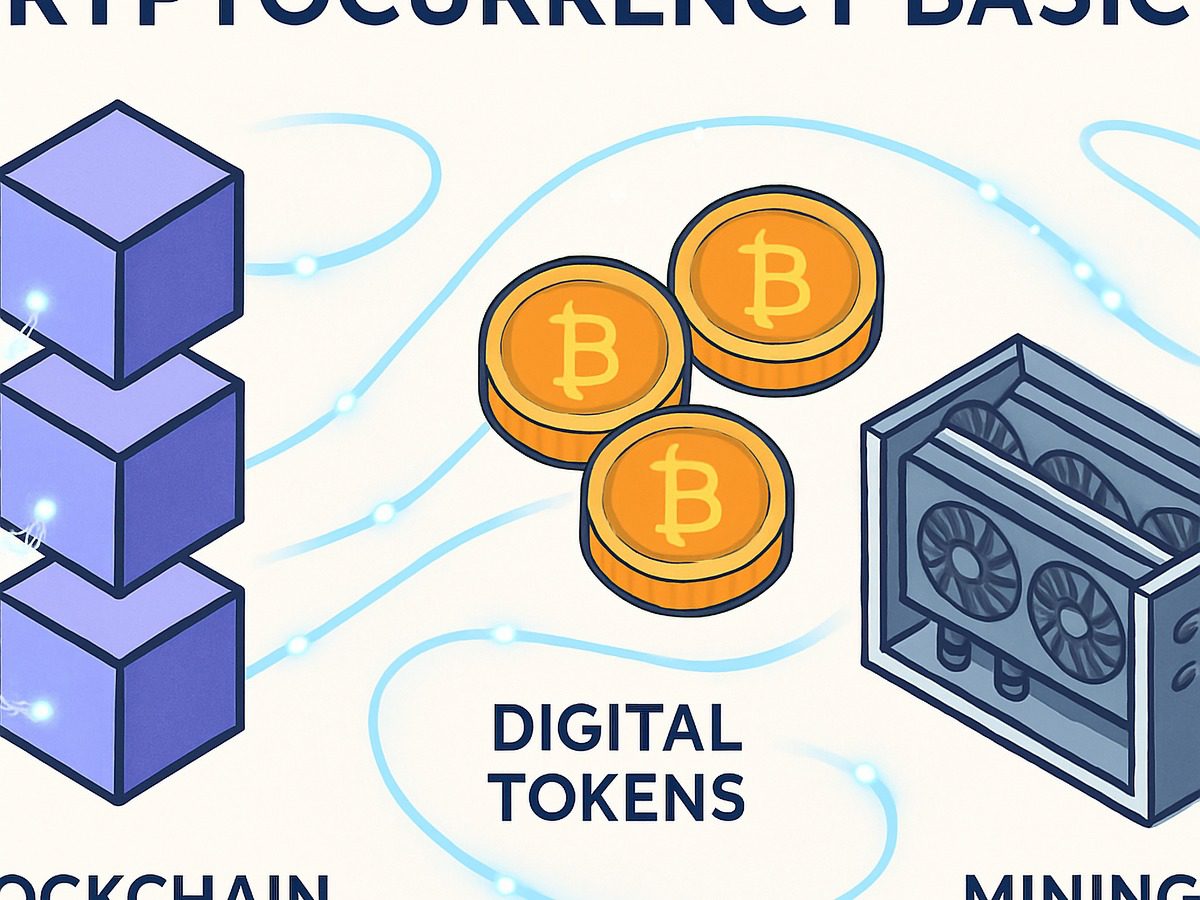
A cryptocurrency coin runs on its own independent blockchain network, whereas a token is built on top of an existing blockchain like Ethereum. Creating a new coin often means designing a protocol, running nodes, and maintaining network security.
This is a serious engineering and operations commitment that most teams do not need.
A token is usually created through a smart contract on an existing network. Tokens can represent many things: a community currency, governance rights, loyalty points, or access to an app.
For most consumer-facing projects, a token launch is the practical path because you inherit the base network’s security. This makes it easier to work toward listing on the best crypto exchanges.
You can use standard tooling and wallets without needing to recruit your own validators or miners.
If your project truly needs its own chain for custom performance or specialized consensus, expect a longer timeline. The trade-off is higher cost and significantly more technical complexity.
Choosing the best blockchain: What should you compare before you commit?
Choose a blockchain based on its security, transaction fees, and the availability of developer tools. Your choice affects user experience and your ability to build safely, which is why understanding what is a blockchain and its underlying architecture is vital.
Consider these factors:
- Ecosystem and tooling: Larger ecosystems tend to have more audited libraries, developer tools, and battle-tested standards.
- Fees and speed: Users are sensitive to transaction costs and delays. Fee spikes can break a consumer product.
- Wallet and exchange support: If popular wallets and major exchanges do not support the chain well, adoption can be harder.
- Security model: Some networks are more decentralized or have longer histories of resisting attacks.
- Smart contract language: Developer familiarity matters because many exploits are coding problems rather than “chain problems.”
There is no single “best” chain. Pick the one that fits your users and your team’s ability to ship and maintain secure code.
How do you define your coin’s purpose and tokenomics model?
Define your coin’s purpose by identifying the specific problem it solves or the utility it provides to users. If you cannot explain the purpose in one sentence, consumers may treat it as pure speculation.
In practice, most tokens fail because they lack a clear use case or sustainable incentives. Map out your tokenomics, including:
- Supply model: Decide if you want a fixed supply, a capped supply with emissions, or an inflationary model.
- Distribution plan: Be transparent about how much goes to the community, the team, investors, and liquidity.
- Vesting and lockups: Time-based vesting can reduce the risk of sudden insider selling and improve trust.
- Utility and demand drivers: Identify what creates ongoing demand to hold or use the token, such as fees, access, or governance.
- Governance: If holders can vote, define what they can actually change and how proposals work.
A common consumer protection principle applies here: if the “utility” only appears after the token is sold, your project may face higher regulatory scrutiny. What actually matters here is providing value to the holder beyond simple price appreciation.
How to write and deploy a secure smart contract without common mistakes
Use established, open-source libraries like OpenZeppelin to write your smart contract instead of building logic from scratch. If you’re creating a token on an existing chain, such as using a standard Ethereum wallet to deploy a contract, the code is the product.
Practical security steps include:
- Use established standards: For Ethereum-compatible tokens, ERC-20 is the industry standard. Avoid inventing new token behavior unless absolutely necessary.
- Rely on audited libraries: Many projects use widely adopted open-source libraries, but you still must review your exact implementation.
- Keep the first version simple: Extra features like complex taxes or reflection mechanics increase risk and can raise trust issues.
- Separate admin powers: If an “owner” key can pause transfers or mint new tokens, disclose it clearly and secure it via a multisig wallet.
- Plan for key management: Lost keys can mean lost control. Compromised keys can mean drained liquidity.

Even if your code compiles, it is not necessarily safe. The mistake most people make is treating security as a post-launch fix rather than a requirement.
Step-by-step: How do you mint your own cryptocurrency (token) on an existing chain?
Minting a token involves writing a smart contract, testing it on a testnet, and then deploying it to the live mainnet. While exact steps vary by blockchain, the general workflow requires a development environment and a secure wallet, as noted in this Trust Wallet review.
- Set up a development environment: Install the chain’s developer tools and a wallet for signing transactions.
- Write the token contract: Define the name, symbol, decimals, total supply rules, and transfer logic.
- Decide minting mechanics: Choose between a fixed supply minted at deployment or a supply that is mintable over time.
- Deploy to a testnet first: Use a blockchain test network to simulate real conditions without risking real funds.
- Verify the contract: Publish your source code so others can inspect it and verify the contract's authenticity.
- Deploy to mainnet: Once tests pass and security checks are complete, deploy to the live network.
- Create initial liquidity: If you want trading, you will typically pair the token with another asset in a liquidity pool on a decentralized exchange (DEX).
- Publish clear documentation: Make sure the supply, contract address, and admin privileges are easy for your community to find.
If you’re new, it helps to understand the basics of tokens and blockchains first. As NerdWallet explains, crypto transactions are typically irreversible, which is why careful testing matters.
Why test on blockchain testnets before launch, and what should you test?
Testnets allow you to find coding bugs and security vulnerabilities without risking real capital. This is where you can break things safely before your community is involved.
A solid test plan typically covers:
- Core transfers: Test sending, receiving, approvals, and allowances.
- Edge cases: Check very small transfers, very large transfers, and repeated transfer failures.
- Admin functions: Ensure only authorized accounts can pause, mint, or burn tokens.
- DEX interactions: Add and remove liquidity to check if fees and decimals behave as expected.
- Block explorers: Confirm the token shows the correct symbol and that transactions render properly on the network.
Testing is also about the user experience. If your users cannot safely buy or hold the token with common wallets, adoption will stall quickly.
What security audits are essential for new cryptocurrency projects?
You should perform an internal line-by-line review, run automated vulnerability scanners, and hire a third-party auditor. Consumers increasingly look for signs of security maturity before they participate in a project.
At minimum, consider:
- Internal review: Have another developer review every line, focusing on permissions and upgradeability.
- Automated scanning: Run static analysis tools to find common logic flaws.
- Independent audit: A reputable third-party audit can identify attack paths your team might have missed.
- Bug bounty: Incentivize the community to find and report vulnerabilities once the code is public.
Also assess your operational security. Using a multisig for treasury keys and hardware wallets for storage are non-negotiable standards for serious projects.
What legal and regulatory issues should U.S. founders think about before launching?
Founders must evaluate whether their token qualifies as a security under the Howey Test and ensure compliance with AML/KYC laws. Crypto regulation in the U.S. is complex and fact-specific.
Key areas to discuss with qualified counsel:
- Securities law risk: Some tokens may be treated as securities if purchasers expect profits from the efforts of others.
- Money transmission: If you handle user funds or run exchange-like services, you may need to register as a money transmitter.
- Sanctions and compliance: You may need controls to reduce exposure to prohibited activity or sanctioned regions.
- Taxes and reporting: Token launches can create taxable events for both the project and the recipients.
For consumers, it’s also worth understanding that crypto accounts are not the same as insured bank accounts. The FDIC explains what deposit insurance covers and, importantly, what it does not.
The SEC’s investor guidance on crypto also highlights common fraud patterns around new token launches.
How do you list a new cryptocurrency on decentralized exchanges and build a community?
Listing on a decentralized exchange (DEX) requires creating a liquidity pool and pairing your token with a stablecoin or major asset like ETH. On many DEXs, “listing” is a permissionless process that happens as soon as you provide liquidity.
Follow these steps for a smooth launch:
- Choose a DEX on your chain: Use the dominant platform where your target users already trade.
- Create a liquidity pool: Pair your token with a commonly used asset to allow for easy trading.
- Lock liquidity: Communities often look for “locked” liquidity to reduce concerns about a rug-pull.
- Publish the verified address: Most scams rely on confusing users with lookalike tokens, so share your contract address widely.
For marketing, focus on trust-building rather than hype. Provide simple documentation, clear risk disclosures, and regular progress updates.
If you want a baseline on how these assets work, Investopedia’s cryptocurrency explainer is a helpful resource.
Read More:
