

Crypto mining is the process of using specialized hardware to validate blockchain transactions in exchange for digital currency rewards. It is a viable way to earn assets, but the trade-off is a high upfront cost for equipment and ongoing electricity expenses.
Most people track their progress using the best crypto apps for beginners to manage their growing portfolios.
To start mining in 2026, you must balance the cost of hardware and electricity against the potential rewards. This calculation is similar to deciding how to invest in crypto for the first time.
This guide will walk you through the technology, the costs, and the steps required to set up your first mining operation.
Key Takeaways
- Proof of Work: Mining is the backbone of “Proof of Work” blockchains like Bitcoin, where miners compete to solve complex puzzles to secure the network.
- Hardware Costs: Initial setup costs typically range from $2,000 to $20,000 for professional-grade machines.
- Profitability Factors: Success depends heavily on low electricity rates, hardware efficiency, and the current market price of the coin.
- Mining Pools: Most individual miners join pools to combine computational power and receive smaller, more frequent payouts.
What is crypto mining and how does it work?
Crypto mining is a verification process where computers compete to solve puzzles that secure a blockchain and release new coins. As Coinbase explains, miners use significant computational power to solve complex mathematical puzzles that validate transactions.
Once a miner solves a puzzle, they group those transactions into a block and add it to the existing blockchain.
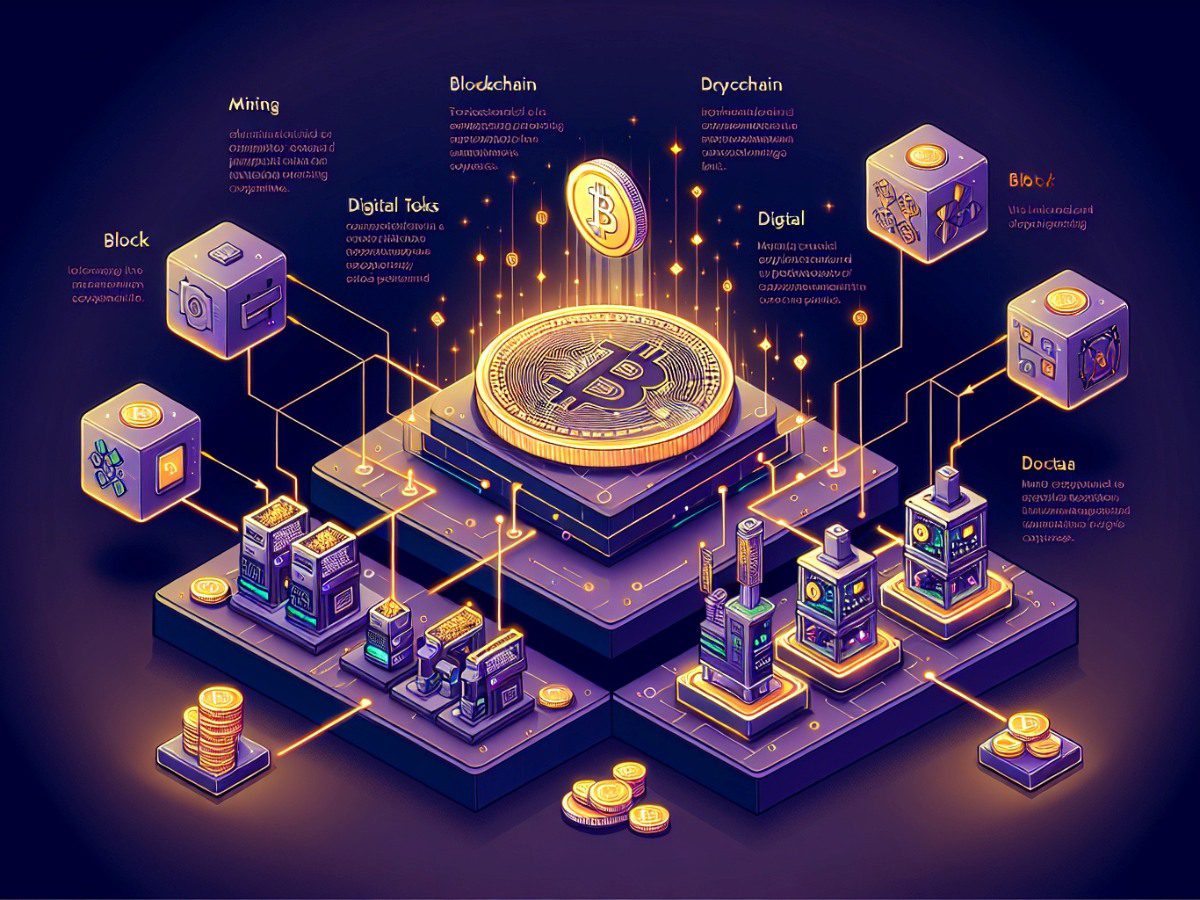
This process is a competitive race. Multiple miners across the globe are trying to solve the same puzzle simultaneously.
The first one to find the solution earns the block reward, which consists of newly minted cryptocurrency and transaction fees.
What actually matters here is that the mechanism ensures no single entity can control the network. The cost of attacking the blockchain would require more computing power than is economically feasible.
What hardware and software do you need to get started?
You generally need an Application-Specific Integrated Circuit (ASIC) or a high-end Graphics Processing Unit (GPU) along with specialized software to connect to the network. The mistake most people make is trying to mine on a standard home laptop, which is no longer profitable.
Today, you generally choose between two types of hardware:
- ASIC (Application-Specific Integrated Circuit): These are machines designed for one purpose only: mining a specific algorithm. They are incredibly powerful and efficient but expensive, often costing between $2,000 and $20,000.
- GPU (Graphics Processing Unit): These are high-end graphics cards used in gaming PCs. While less powerful than ASICs for Bitcoin, they are flexible and can be used to mine various altcoins, such as Litecoin.
Once you have your hardware, you need mining software to connect your equipment to the blockchain. Popular options include NiceHash for beginners who want an automated experience, or HiveOS for those managing multiple rigs.
The software monitors your hardware’s temperature, hash rate, and earnings in real-time.
How do you calculate mining profitability?
Calculate profitability by subtracting your electricity costs and hardware depreciation from the market value of the coins you earn. Mining is only profitable if the value of the coins you earn exceeds these operational costs.
The most significant ongoing expense is electricity. Because mining rigs run 24/7 at high power, even a slight increase in your utility rate can turn a profitable month into a loss.
To estimate your earnings, you should use a Bitcoin mining calculator or similar tool for other coins. You will need to input your hardware's hash rate, power consumption in watts, and your local electricity cost per kilowatt-hour (kWh).
In 2025, Bitcoin miners were generating approximately $20 million worth of Bitcoin per day. However, that revenue is split among millions of machines worldwide.
Should you choose solo mining or a mining pool?
Most beginners should choose a mining pool because it offers steady, predictable payouts compared to the high-risk, high-reward nature of solo mining. When you start mining, you face a choice:
- Solo Mining: You keep the entire block reward for yourself. Because the competition is so high, an individual miner might go months or years without successfully mining a single block.
- Mining Pools: You pool your hardware's power with thousands of other miners. When the pool successfully mines a block, the reward is split among all members based on their computing power contribution.
While the pool takes a small fee (usually 1% to 3%), this method provides a steady income.
What are the steps to set up your mining rig?
Setting up a rig involves securing a wallet, configuring your hardware for heat management, and linking your software to a mining pool. Follow these general steps:
1. Get a Crypto Wallet: You need a secure place to receive your rewards, so it is vital to learn how to use a crypto wallet correctly. Many miners use major exchanges to manage their payouts and eventually trade for other assets.
| Exchange | Supported Coins | Spot Trading Fees | Learn More |
|---|---|---|---|
| Coinbase | +250 | $0.99 - 2.00% (Standard), 0.05% - 0.60% (Advanced Trade)
For transactions above $200 (standard account): 1.49% fee for using a bank account or USD wallet, 3.99% fee for using a debit or credit card. For Coinbase Advanced Trade: 0.60% for taker trades and 0.40% for maker trades. The more you trade, the lower the fees - can decrease to as low as 0% - 0.05%. |
Read Review |
| Kraken | +300 | 0.40% - 0.25%
0.40% for taker trades and 0.25% for maker trades. The more you trade, the lower the fees - can decrease to as low as 0% - 0.10%. Using GT tokens to pay trading fees offers a 10% discount |
Read Review |
| Binance.US | +120 | 0.10%
For both maker and taker orders. The more you trade, the lower the fees - can decrease to as low as 0.04%. Users who pay fees using Binance Coin (BNB) receive a 25% discount |
Read Review |

2. Configure Hardware: If using an ASIC, you will need a heavy-duty power supply and a way to manage heat. These machines are loud and generate significant thermal energy.
3. Install Software: Download your chosen mining client and enter your wallet address.
4. Select a Pool: Choose a mining pool with a good reputation and low fees. You will enter the pool’s stratum address into your mining software to begin.
5. Monitor Performance: Check your rig regularly to ensure it hasn't crashed or overheated.
What is the current state of the global mining market?
The global mining market is a multi-billion dollar industry that is currently shifting from Asia toward North America due to more stable regulations and energy sources. According to Precedence Research, the market was valued at $2.77 billion in 2025.
It is projected to reach over $9 billion by 2035. In practice, this growth is driven by increasing institutional interest and the integration of mining into energy grids.
While Asia Pacific was a dominant force historically, North America has recently emerged as a leader in revenue generation. Miners are seeking regions with access to diverse energy sources, including wind and solar.
This shift reflects a broader trend of professionalization within the sector.
Is mining legal, and what are the tax implications?
Crypto mining is legal in most of the U.S., but the IRS treats all mined coins as taxable income based on their fair market value at the time of receipt. Some local municipalities have passed zoning laws or environmental restrictions on large-scale operations.
It is essential to treat mining as a business for tax purposes. You must report the fair market value of the coins on the day you received them.
As Freeman Law explains, miners are responsible for maintaining the integrity of the blockchain. They must also maintain meticulous records of their earnings and expenses to remain compliant with tax laws.
This includes tracking hardware depreciation and electricity costs.
What are the risks and environmental concerns?
The primary risks are high energy consumption and hardware obsolescence, though the industry is increasingly moving toward renewable energy sources. Other risks include hardware failure, cyberattacks on mining pools, and difficulty adjustments.
Difficulty adjustments happen when the network makes puzzles harder as more miners join. This can potentially render older hardware obsolete.
Environmental impact remains a major talking point because traditional mining consumes vast amounts of electricity. However, many modern operations now utilize stranded energy.
This refers to excess power from renewable sources that would otherwise go to waste.
The Bottom Bottom Line
Crypto mining can be a rewarding way to participate in the digital economy, but it requires a significant upfront investment. For most beginners, joining a mining pool is the most practical way to see a consistent return on investment.
Before purchasing equipment, use a profitability calculator to ensure the numbers make sense for your specific financial situation.
