

To secure your crypto wallet, you must move your funds to a hardware “cold” wallet and store your recovery seed phrase offline on physical media. Because crypto transactions are irreversible and lack traditional bank protections, you are your own security guard.
A hardware wallet ensures your private keys never touch the internet, which is the single most effective way to prevent theft.
By choosing the right storage method and maintaining strict digital hygiene, you can significantly reduce the risk of loss. This guide explains how to evaluate the best crypto wallets and implement advanced security measures to protect your wealth.
Key Takeaways
- Cold storage: Using a hardware wallet is the most secure way to store significant amounts of cryptocurrency because it keeps your private keys offline.
- Seed phrase safety: Your 12-24 word recovery phrase is the ultimate key to your funds; never store it digitally or share it with anyone.
- Multi-factor authentication: Always use app-based or hardware-based MFA rather than SMS-based codes to prevent SIM-swapping attacks.
- Proactive hygiene: Regularly updating firmware and being skeptical of all unsolicited links can prevent the vast majority of common hacks.
What are the different types of crypto wallets?
Cryptocurrency wallets are generally divided into two categories: “hot” and “cold.” A hot wallet is connected to the internet, such as a mobile app, browser extension, or an account on a centralized exchange.
While it is important to choose a reliable crypto exchange for active trading, hot wallets are inherently more vulnerable to online attacks.
Cold wallets are kept offline, typically as physical hardware devices. Because they do not have a constant connection to the internet, they are virtually immune to remote hacking attempts.
As NerdWallet explains, choosing between hot or cold wallets often depends on whether you value daily convenience or long-term security.
| Exchange | Trading Fee | Supported Coins | Learn More |
|---|---|---|---|
| Coinbase | $0.99 - 2.00% (Standard), 0.05% - 0.60% (Advanced Trade)
For transactions above $200 (standard account): 1.49% fee for using a bank account or USD wallet, 3.99% fee for using a debit or credit card. For Coinbase Advanced Trade: 0.60% for taker trades and 0.40% for maker trades. The more you trade, the lower the fees - can decrease to as low as 0% - 0.05%. |
+250 | Read Review |
| Kraken | 0.40% - 0.25%
0.40% for taker trades and 0.25% for maker trades. The more you trade, the lower the fees - can decrease to as low as 0% - 0.10%. Using GT tokens to pay trading fees offers a 10% discount |
+300 | Read Review |
| Gemini | $0.99 - 1.49% (Web & Mobile), 0.20% - 0.40% (Active Trader)
For Gemini’s website or mobile app users are charged 0.50% convenience fee For Active Trader, 0.40% for taker trades and 0.20% for maker trades. The more you trade, the lower the fees - can decrease to as low as 0% - 0.03%. |
+150 | Read Review |
Why is a hardware wallet the gold standard for security?
A hardware wallet is the gold standard because it stores your private keys on a physical chip that never connects to the internet. This ensures that the keys never leave the device, even when you plug it into a computer infected with malware.
The transaction signing happens internally on the hardware, keeping your sensitive data isolated from the host machine.
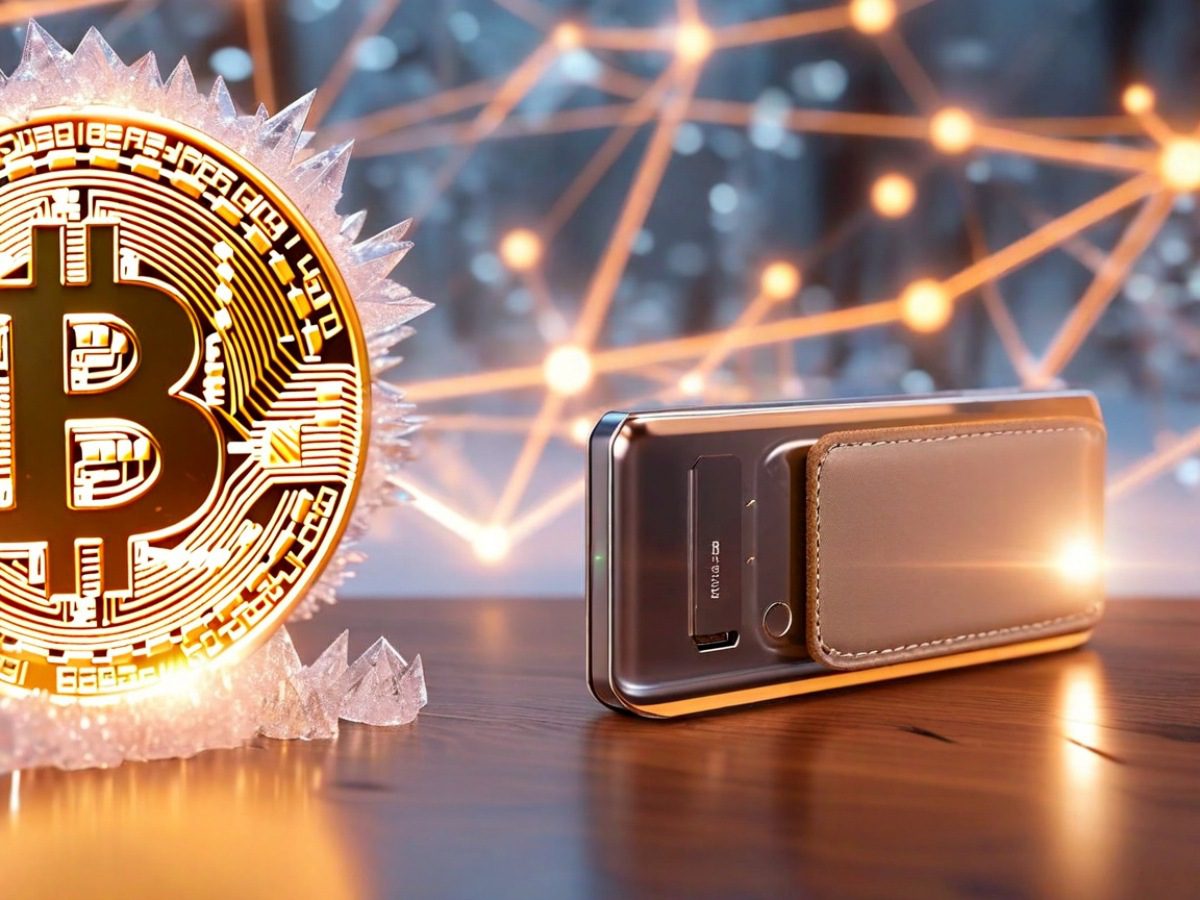
Hardware wallets are particularly effective against “clipboard hijacking” and other common PC-based viruses. If you hold more cryptocurrency than you would comfortably carry as cash in your physical wallet, it is time to move those assets into cold storage.
How do you protect your recovery seed phrase?
Protect your recovery seed phrase by writing it on physical paper or metal and storing it in a secure, fireproof location. What actually matters here is that the phrase never exists in a digital format where it can be scraped by malware.
This 12-to-24-word phrase is the master key to your wealth; anyone who finds it can steal your entire balance instantly.
- Physical storage: Write your phrase on paper or etch it into a metal plate designed for seed storage.
- No digital copies: Never take a photo of your seed phrase, save it in a cloud-based note app, or type it into an email.
- Safe placement: Store the physical copy in a fireproof safe or a bank safety deposit box.
How can you avoid common crypto phishing scams?
You avoid crypto phishing scams by never clicking unsolicited links and manually verifying the URL of every exchange or wallet service you use. The mistake most people make is trusting “support” accounts on social media or clicking buttons in urgent-sounding emails.
The Federal Trade Commission (FTC) notes that many of these scams originate through social media messages.
Always bookmark your most-used financial platforms to avoid landing on “mirror” websites. Never click on links in unsolicited emails or direct messages, even if they appear to come from a legitimate company.
Most importantly, no legitimate crypto company will ever ask you for your recovery seed phrase.
Best practices for securing mobile and desktop wallets
Secure your mobile and desktop wallets by using dedicated devices for crypto, enabling biometric locks, and treating these “hot” wallets as digital “spending” money. For those using mobile options, the Exodus Wallet offers a balance of utility and security for small amounts.
The trade-off is that any device connected to the internet is inherently more exposed to background exploits.
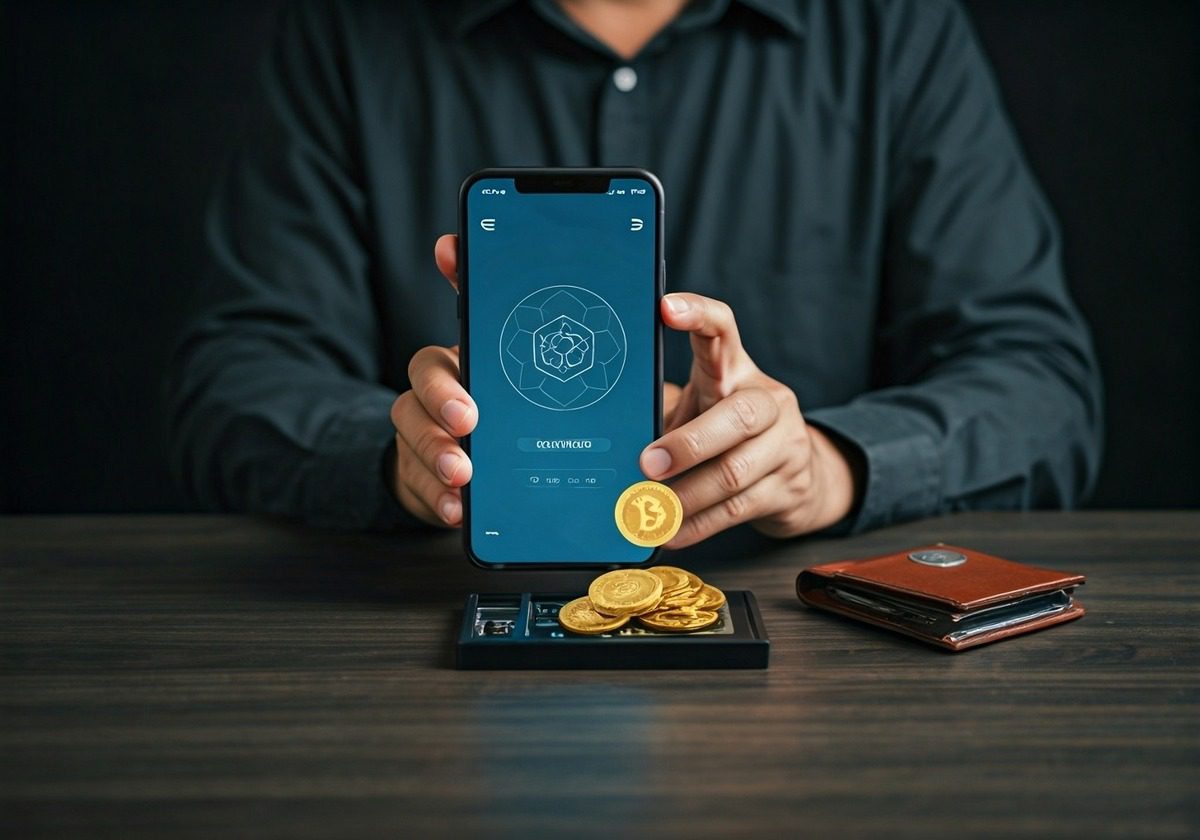
Ensure your mobile device or computer is protected by a strong passcode or biometric lock. According to CISA guidelines, maintaining a “clean” machine by avoiding pirated software can prevent many exploits.
Using a reputable VPN on public Wi-Fi also adds a layer of protection for your connection.
How do you safely connect to DeFi applications?
To safely connect to DeFi applications, you must use a “burner” wallet with limited funds and manually restrict token permissions to specific amounts. Decentralized Finance (DeFi) requires you to grant “smart contract” permission to spend your tokens.
If that contract is malicious or later hacked, your funds could be drained if you granted it broad access.
- Limit permissions: When a pop-up asks for permission to access your tokens, do not click “unlimited.” Only approve the specific amount you intend to use.
- Revoke access: Periodically use tools like Revoke.cash or Etherscan’s token approval tool to disconnect your wallet from apps you no longer use.
- Use a “burner” wallet: Use a separate wallet with a small balance for testing new or unverified DeFi protocols like Uniswap.
The importance of regular software and firmware updates
Regular software and firmware updates are vital because they patch security vulnerabilities that hackers use to bypass wallet protections. In practice, wallet developers constantly release updates to fix performance issues and block new attack vectors.
For software wallets, ensure you are running the latest version of the app at all times.
For hardware wallets, you must periodically connect the device to its official desktop suite to install firmware updates. Always download these updates directly through the official app; never trust a pop-up on a random website claiming your software is out of date.
What should you do if you suspect your wallet is compromised?
If your wallet is compromised, you must immediately move all remaining assets to a brand-new wallet with a completely different seed phrase. Speed is the only factor that matters here, as attackers often use automated scripts to drain funds once they gain access.
Do not attempt to “fix” the compromised wallet, as it is permanently unsafe.
After securing your funds, report the incident to the appropriate authorities. While the SEC warns investors that federal protections like FDIC insurance do not apply to crypto, reporting helps law enforcement.
You can file a report with the FBI’s Internet Crime Complaint Center (IC3) to help track the movement of stolen funds.
The Bottom Line
Securing your crypto wallet requires a shift in mindset from passive consumer to active custodian. By utilizing hardware wallets for long-term storage and protecting your seed phrase offline, you can enjoy the benefits of digital assets safely.
Start by auditing your current storage methods today and moving any significant holdings into a cold storage environment.
