
Table Of Content
What Are Bitcoin Futures & How Do They Work?
Bitcoin futures are contracts that allow traders to speculate on the future price of Bitcoin without actually owning the cryptocurrency.
These contracts are standardized and traded on regulated exchanges like CME Group, offering a way to hedge risk or seek profits in both rising and falling markets. Futures are typically settled in cash or Bitcoin and have expiration dates.
Because they’re leveraged products, they can amplify both gains and losses. They’re often used by institutional investors and advanced traders looking for exposure or price protection.
How to Trade Bitcoin Futures
Trading Bitcoin futures lets you profit from price movements without owning BTC. It requires strategy, leverage knowledge, and careful risk management.
1. Understand Bitcoin Futures Contracts
Before trading, it's essential to understand how futures contracts work. This includes the concept of leverage, margin, and settlement.
Leverage and Margin: Futures often let you control larger positions with less capital, but this increases risk.
Settlement Types: Some contracts are settled in cash (like CME), while others deliver Bitcoin.
Expiration Dates: Futures contracts expire monthly or quarterly, which affects strategy and rollover.
Therefore, reviewing contract specs on exchange websites such as CME Group or Binance Futures is a smart first step.
2. Choose a Futures Trading Platform
To trade Bitcoin futures, you’ll need an account with a broker or exchange that supports futures.
Regulated Brokers: Platforms like CME and Kraken offer regulated access in the U.S.
Crypto Exchanges: Binance, Kraken, and Bybit provide crypto-native futures with different risk features.
KYC & Funding: You’ll usually need to verify your identity and fund your margin account.
As a result, choosing a platform that balances security, fees, and user experience is key before placing your first trade.
- The Smart Investor Tip
Check if the platform is regulated in your country and compare leverage options. Start with lower leverage to reduce risk as you learn.
Also, look into fee structures and liquidity to avoid unexpected costs during trading.
3. Analyze the Market & Develop a Strategy
Successful futures trading requires a solid market view and a defined entry/exit plan.
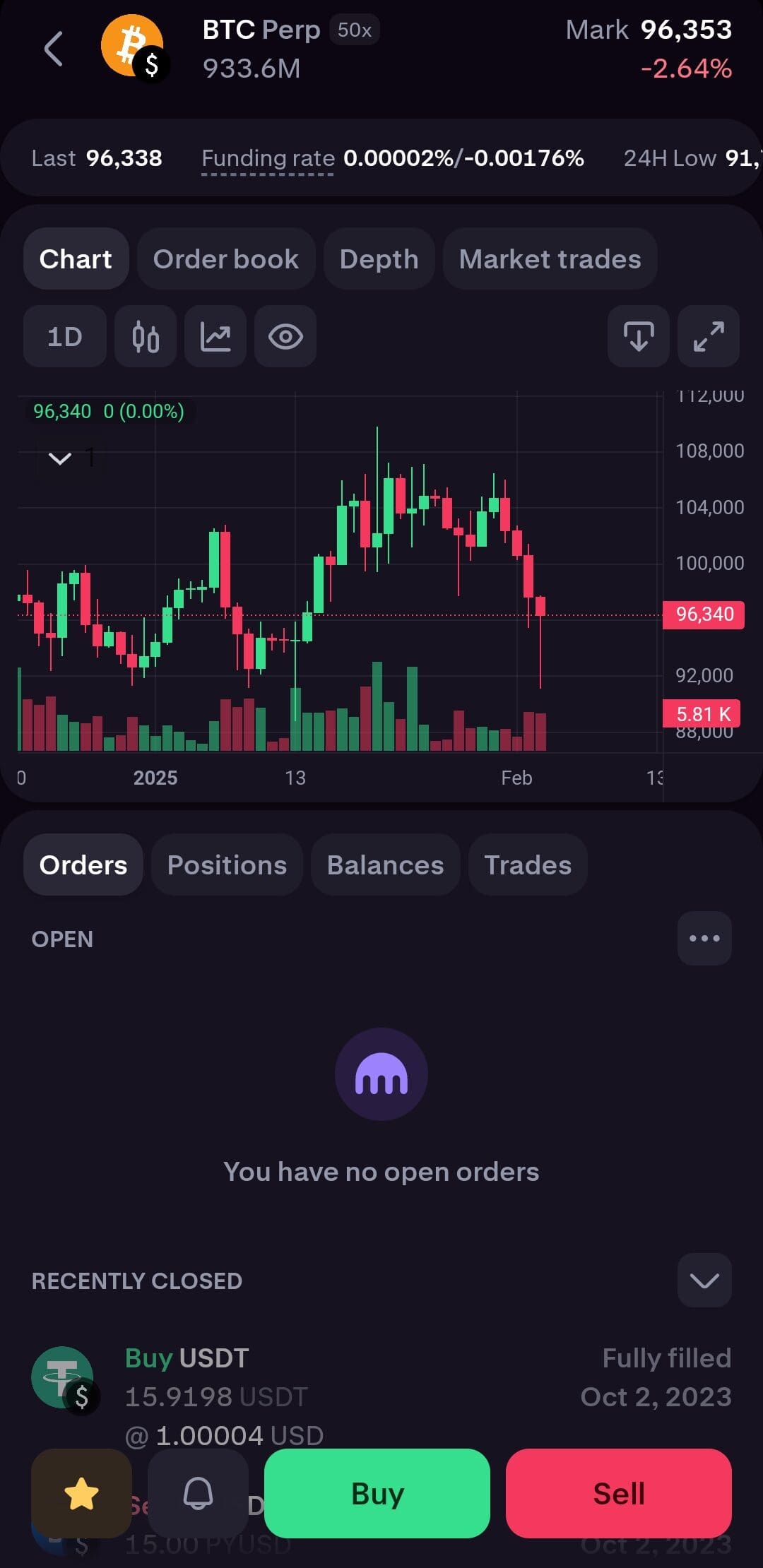
Technical Analysis: Tools like moving averages, MACD, and RSI help predict price trends.
Sentiment Tracking: Monitor funding rates and open interest to gauge bullish or bearish sentiment.
Risk Management: Set clear stop-loss and take-profit levels to avoid emotional decisions.
Also, use demo accounts or paper trading to test strategies before putting real money at risk.
- The Smart Investor Tip
Use tools like TradingView to study technical patterns and combine this with sentiment analysis (funding rates, open interest).
Define your entry, exit, and risk levels in advance to avoid emotional decisions during market moves.

4. Place a Futures Trade
After planning, execute your trade based on your strategy and risk tolerance.
Choose Contract Type: Pick a contract (e.g., BTCUSD quarterly or perpetual).
Set Leverage: Adjust leverage depending on your experience and risk comfort.
Enter Trade: Specify entry price, stop-loss, and take-profit levels when submitting your order.
Because of the speed and risk, make sure you double-check your order details before execution.
- The Smart Investor Tip
Use limit orders rather than market orders to avoid slippage. Choose leverage carefully—lower is safer unless you’re scalping. Set a stop-loss immediately after entering the trade to protect against sharp volatility.

5. Monitor and Adjust Your Position
Once open, your position must be actively monitored as Bitcoin futures are volatile and time-sensitive.
Track PnL: Your profit and loss update in real-time with price and margin fluctuations.
Adjust Leverage: Reduce or increase margin to stay within maintenance requirements.
Rollover Strategy: For long-term trades, roll over expiring contracts to avoid forced closure.
In order to manage risk effectively, you must stay engaged and react quickly to market movements.
Perpetual vs. Expiring Futures Contracts
Bitcoin futures come in two main types: perpetual contracts and expiring contracts.
Perpetual futures don’t have a set expiration date and are designed to mimic spot market prices through funding rate adjustments.
Feature | Perpetual Futures | Expiring Futures |
|---|---|---|
Expiration | No | Monthly or Quarterly |
Settlement | Never settled | Cash or physical settlement |
Funding Rate | Applied every 8 hours | Not applicable |
Ideal Use Case | Short-term trading | Hedging or long-term views |
Price Alignment | Tied to spot via funding | Can diverge near expiry |
Expiring futures, like those offered on CME, have a defined settlement date and are often used for long-term strategies or institutional hedging.
Each has unique pros and cons depending on whether you want flexible trading or more structured risk exposure.
Bitcoin Futures Trading: Common Mistakes To Avoid
Trading Bitcoin futures can be rewarding, but many traders make avoidable errors that lead to losses, especially when leverage is involved.
Using Too Much Leverage: High leverage amplifies both gains and losses. Even small price swings can trigger liquidation if margin is low.
Ignoring Funding Rates: Perpetual contracts charge funding fees regularly. Over time, this can eat into profits or increase losses.
Skipping Risk Management: Not setting stop-loss or take-profit orders often results in emotional decisions and missed exit points.
Overtrading During Volatility: Constant trading during high volatility can cause stress and poor decisions instead of sticking to a solid plan.
Trading Without a Strategy: Jumping in based on emotion or hype leads to reactive behavior and inconsistent results.
As a result, disciplined planning and continuous learning are key to long-term success in Bitcoin futures trading.
How to Choose Platforms for BTC Futures
Choosing the right platform for Bitcoin futures depends on your trading goals, experience level, and need for regulation or leverage.
Regulation & Security: CME and TD Ameritrade offer regulated U.S. markets, while platforms like Binance or Bybit operate offshore, often with higher risk.
User Interface: Beginner-friendly layouts on platforms like Kraken Futures can ease the learning curve, while pros may prefer advanced UIs like Binance.
Leverage & Margin: Some platforms offer up to 100x leverage (e.g., Bybit), but high leverage increases liquidation risk for less-experienced users.
Liquidity & Fees: High-volume exchanges such as Binance and OKX offer tight spreads and lower fees, making them cost-efficient for frequent traders.
As a result, balancing usability, security, and features is key when selecting your Bitcoin futures platform.
Popular Platforms for BTC Futures
Several platforms stand out in the Bitcoin futures space, each offering distinct advantages for different types of traders.
Binance Futures: Offers a wide range of contracts, deep liquidity, and up to 125x leverage, but operates outside U.S. regulatory oversight.
CME Group: A top choice for institutional investors, offering regulated expiring futures contracts and cash settlement through traditional brokers.
Kraken Futures: Appeals to U.S. and European traders seeking a balance of regulation, moderate leverage, and clean interface.
Therefore, the best platform often depends on whether you prioritize compliance, ease of use, or aggressive trading strategies.

FAQ
Yes, but they should start with educational resources and demo accounts. Futures are risky and require understanding of margin, leverage, and volatility.
Yes, trading Bitcoin futures is legal in the U.S. through regulated platforms like CME, but many offshore platforms are restricted.
No, Bitcoin futures allow you to speculate on price movements without holding the actual asset.
In many jurisdictions, profits from Bitcoin futures are treated as capital gains or income. Consult a tax advisor for specifics.
Crypto-native exchanges like Binance or Bybit offer 24/7 trading, but regulated platforms like CME follow market hours.
They're generally more suited to short- or medium-term strategies due to volatility and funding costs on perpetual contracts.
Liquidation happens when your margin drops below the required threshold, and the platform closes your position to prevent further loss.
Leverage magnifies gains and losses. High leverage can lead to quick profits or fast liquidation if the market moves against you.
Funding rates are payments exchanged between long and short positions in perpetual contracts to keep prices aligned with spot markets.
