

Using cryptocurrency is simple once you nail the basics: buy it on a reputable exchange, store it in a secure wallet you control, and understand the fees and taxes that come with moving and using it. As of early 2026, crypto adoption has hit record highs, with 28% of U.S. adults now owning some form of digital asset.
This matters because crypto is less forgiving than traditional banking. In practice, one wrong wallet address or a lost recovery phrase can mean your funds are gone permanently, so getting the setup right from day one is the real “beginner win.”
Key Takeaways
- Start with an exchange: Centralized exchanges are the most common entry point for beginners to trade U.S. dollars for digital assets.
- Secure your assets: Moving your crypto to a personal digital wallet provides more control and security than leaving it on an exchange.
- Monitor network fees: Transaction costs, often called gas fees, fluctuate based on how busy the network is at any given time.
- Track for taxes: The IRS treats cryptocurrency as property, meaning most transactions are taxable events.
What Is Cryptocurrency and How Does It Work?
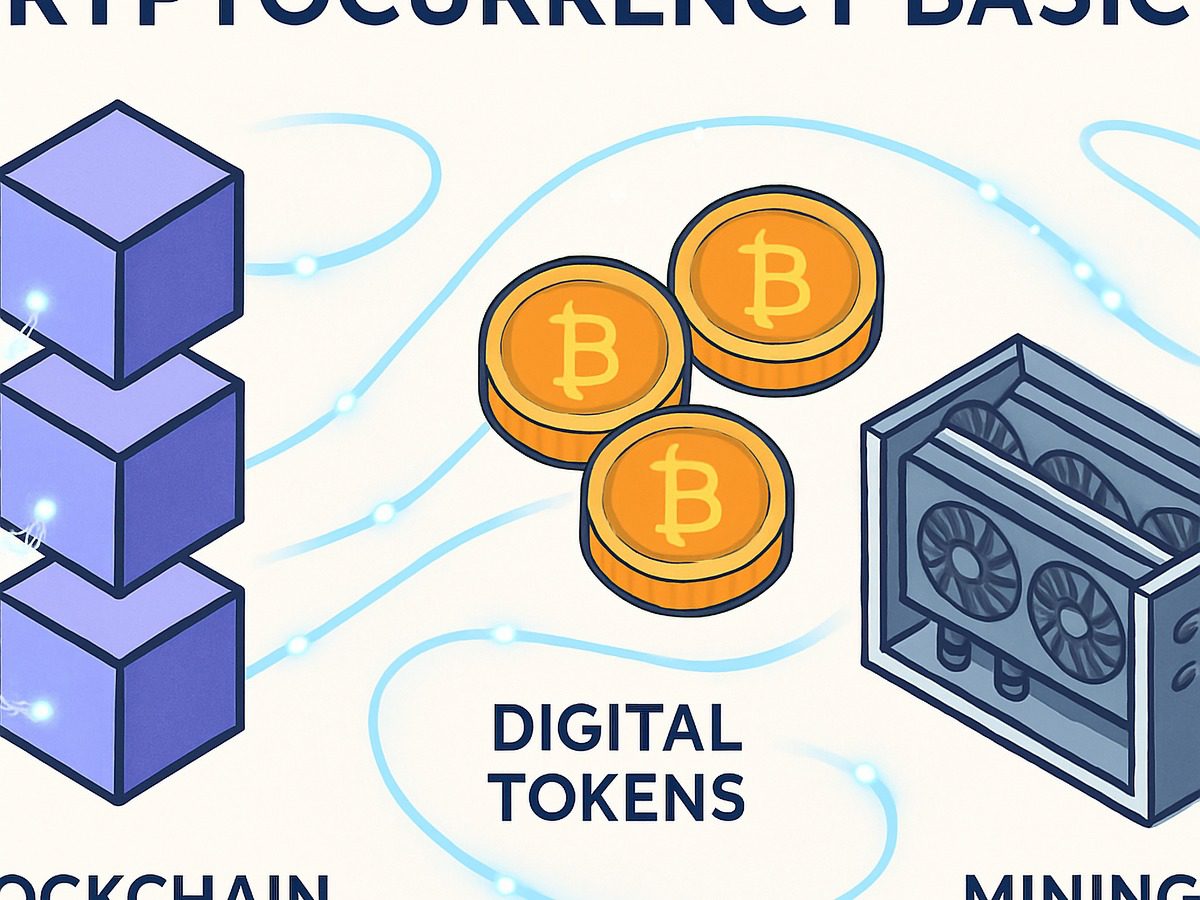
Cryptocurrency is a digital currency secured by cryptography, and most cryptocurrencies run on blockchain technology, a distributed ledger enforced by a global network of computers. Unlike the U.S. dollar, crypto is generally not issued by a central bank, which enables peer-to-peer transfers without a traditional middleman.
The market has matured significantly in recent years. According to the a16zcrypto State of Crypto Report, there are now an estimated 716 million crypto owners globally.
While Bitcoin remains the most dominant asset, accounting for 41% of U.S. fiat-to-crypto purchases, the ecosystem has expanded to include stablecoins pegged to the value of the dollar and utility tokens that power specific applications.
How Do You Choose a Crypto Exchange and Wallet?
You choose an exchange to buy and sell crypto with traditional money, and you choose a wallet to store and move your crypto. Think of the exchange like a brokerage account, and the wallet like the tool that holds the keys to your assets.
When selecting an exchange, look for platforms with high liquidity, a strong security track record, and transparent fee structures. Major platforms like Coinbase Exchange, Kraken Exchange, and Gemini Crypto Exchange are the most common entry points for U.S. investors.
| Exchange | Trading Fees | Supported Coins | Learn More |
|---|---|---|---|
| Coinbase Exchange | $0.99 - 2.00% (Standard), 0.05% - 0.60% (Advanced Trade)
For transactions above $200 (standard account): 1.49% fee for using a bank account or USD wallet, 3.99% fee for using a debit or credit card. For Coinbase Advanced Trade: 0.60% for taker trades and 0.40% for maker trades. The more you trade, the lower the fees - can decrease to as low as 0% - 0.05%. |
+250 | Read Review |
| Kraken Exchange | 0.40% - 0.25%
0.40% for taker trades and 0.25% for maker trades. The more you trade, the lower the fees - can decrease to as low as 0% - 0.10%. Using GT tokens to pay trading fees offers a 10% discount |
+300 | Read Review |
| Gemini Crypto Exchange | $0.99 - 1.49% (Web & Mobile), 0.20% - 0.40% (Active Trader)
For Gemini’s website or mobile app users are charged 0.50% convenience fee For Active Trader, 0.40% for taker trades and 0.20% for maker trades. The more you trade, the lower the fees - can decrease to as low as 0% - 0.03%. |
+150 | Read Review |
The trade-off is convenience versus control: exchanges are easy for buying and selling, while self-custody wallets put you in charge of your security. Once you buy crypto, many users prefer moving it to a digital wallet for better security instead of leaving it on an exchange.
There are two main types of wallets:
- Hot wallets: Software apps connected to the internet. They’re convenient for frequent transactions but more exposed to online threats.
- Cold wallets: Physical hardware devices that keep your private keys offline. They’re widely considered the gold standard for long-term storage.
According to a Gemini global report, U.S. crypto adoption rose to 22% recently, and much of this growth is driven by the increasing ease of use in mobile wallet applications.
What Are the Steps to Buying Your First Crypto?
Buying your first crypto is straightforward: create an exchange account, pass identity verification, fund it, and place your order. What actually matters here is starting with an amount you can afford to learn with, because the first purchase is mostly about getting comfortable with the workflow.
- Create an account on your exchange: Choose a reputable platform and set up your login.
- Complete KYC verification: Provide a government-issued ID to satisfy “Know Your Customer” requirements.
- Fund your account: Link a bank account or debit card to fund your account.
- Place your first buy order: Pick a cryptocurrency (like Bitcoin or Ethereum) and enter the dollar amount.
- Confirm you’re buying a fraction if needed: You don’t need to buy a whole coin, you can buy fractions for as little as a few dollars.
How Do You Send, Receive, and Spend Crypto Safely?
You send and receive crypto by using wallet addresses, and you spend it either directly with merchants that accept crypto or via payment tools that convert crypto to dollars at checkout. The mistake most people make is rushing through the address step, since transactions are typically irreversible.
A wallet address is a long string of letters and numbers (e.g., 1A1zP1eP5QGefi2DMPTfTL5SLmv7DivfNa). To receive crypto, you share your address with the sender.
To send crypto, you paste the recipient’s address into your wallet, confirm the amount, and approve the transaction. Spending crypto has also become more common.
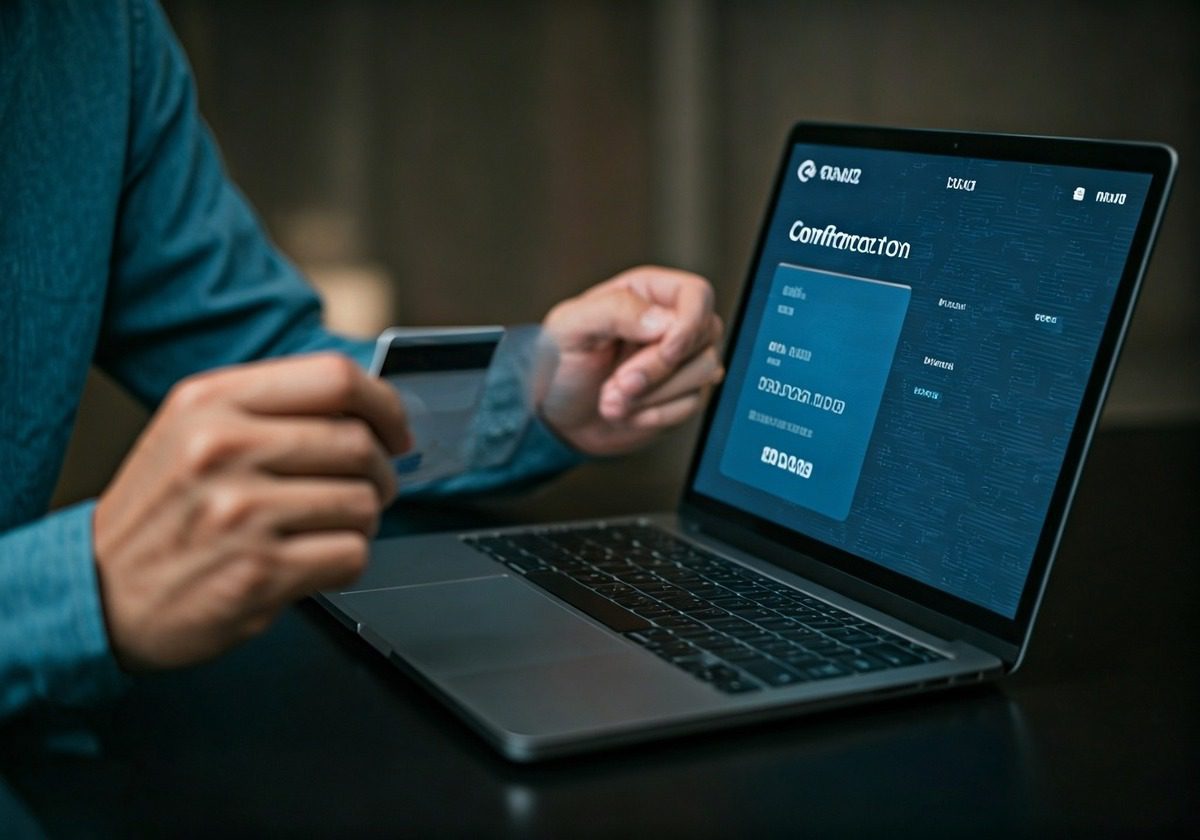
In 2026, many major retailers accept crypto through third-party processors, and “crypto debit cards” can automatically convert your digital assets into dollars at the point of sale. Monthly stablecoin volume reached nearly $1.25 trillion late last year, signaling that many users are now using crypto for payments rather than just speculative investing.
Why Are There Transaction Fees and Gas Prices?
Transaction fees exist because networks need miners or validators to secure the blockchain and process transactions, and fees are the incentive that keeps that system running. These fees don’t go to the exchange, they go to the network participants who confirm your transfer.
As River Financial notes, Bitcoin fees are mathematically the difference between the amount sent and the amount received. Fees are also dynamic: when demand is high, fees rise, similar to surge pricing in a ride-share app.
As Fidelity Digital Assets explains, fees act as a voluntary incentive for miners to prioritize your transaction over others. If you aren’t in a rush, you can often set a lower fee and wait longer for confirmations.
What Are the Common Pitfalls for Beginners to Avoid?
The easiest way to lose crypto is to mishandle your recovery phrase, because there’s no “forgot password” option if you lose access to a self-custody wallet. When you set up a private wallet, you receive a 12-to-24-word phrase, and if it’s gone, your funds are effectively gone.
Other common mistakes include:
- Sending to the wrong address: Transactions are irreversible, so a typo can permanently misdirect funds.
- Ignoring scams: Be wary of anyone promising to “double your money” or asking for your private keys.
- Emotional trading: Crypto markets are volatile and can fluctuate wildly based on news and political events.
According to a Security.org annual report, while 53% of owners saw positive returns last year, the market remains highly reactive.
What Are the Tax Implications for U.S. Users?
Crypto is taxed like property in the U.S., which means selling, trading, or spending it can create a taxable event. If you sell crypto for a profit, trade one coin for another, or use crypto to buy something, you may owe taxes.
You’re required to report capital gains and losses on your tax return. If you held the crypto for more than a year before selling, you typically qualify for long-term capital gains rates, which are often lower than standard income tax rates.
Keep records of your cost basis, the price you paid plus any fees, so you don’t overpay when tax season arrives.
The Bottom Line
Using cryptocurrency safely comes down to good setup and good habits. Choose a reputable exchange, use a wallet that matches how you plan to use your crypto, and stay aware of fees and taxes.
Start small, prioritize security, and double-check wallet addresses before you hit send.
