Whether cryptocurrency is halal (permissible) or haram (forbidden) depends on the specific coin or token, and how you use it. There is no single, global consensus among Islamic scholars, because the technology evolves faster than traditional jurisprudence.
What actually matters here is how a crypto asset lines up with the core Sharia principles around valid wealth (mal), excessive uncertainty (gharar), gambling (maisir), and interest (riba). Some scholars see crypto as a legitimate new form of wealth, while others see its volatility, speculation, and interest-like returns as too close to gambling, so understanding how to invest in crypto ethically is paramount for Muslim traders.
Key Takeaways
- Scholarly Split: Islamic scholars are divided, with some issuing fatwas (religious rulings) against crypto and others embracing it as a Sharia-compliant asset class.
- Core Concerns: Most “haram” rulings focus on excessive uncertainty (gharar), gambling (maisir), and the potential for interest-based returns (riba).
- Project Specifics: A cryptocurrency’s status often depends on its underlying utility, a token backed by a real-world asset is more likely to be seen as halal than a speculative meme coin.
- Ethical Investing: Sharia-compliant investing requires avoiding projects involved in prohibited industries like gambling, alcohol, or high-interest lending.
What Are the Fundamental Rules of Islamic Finance?
Sharia-compliant investing generally requires that your investment avoids riba (interest), gharar (excessive uncertainty), and maisir (gambling), and that it represents mal (valid wealth). This matters because the same crypto activity can look like a legitimate exchange in one structure, and a prohibited contract in another.
Islamic law requires that money has no intrinsic value but is a tool to purchase goods or services, which is why choosing beginner-friendly crypto wallets is necessary to safely manage these digital tools.
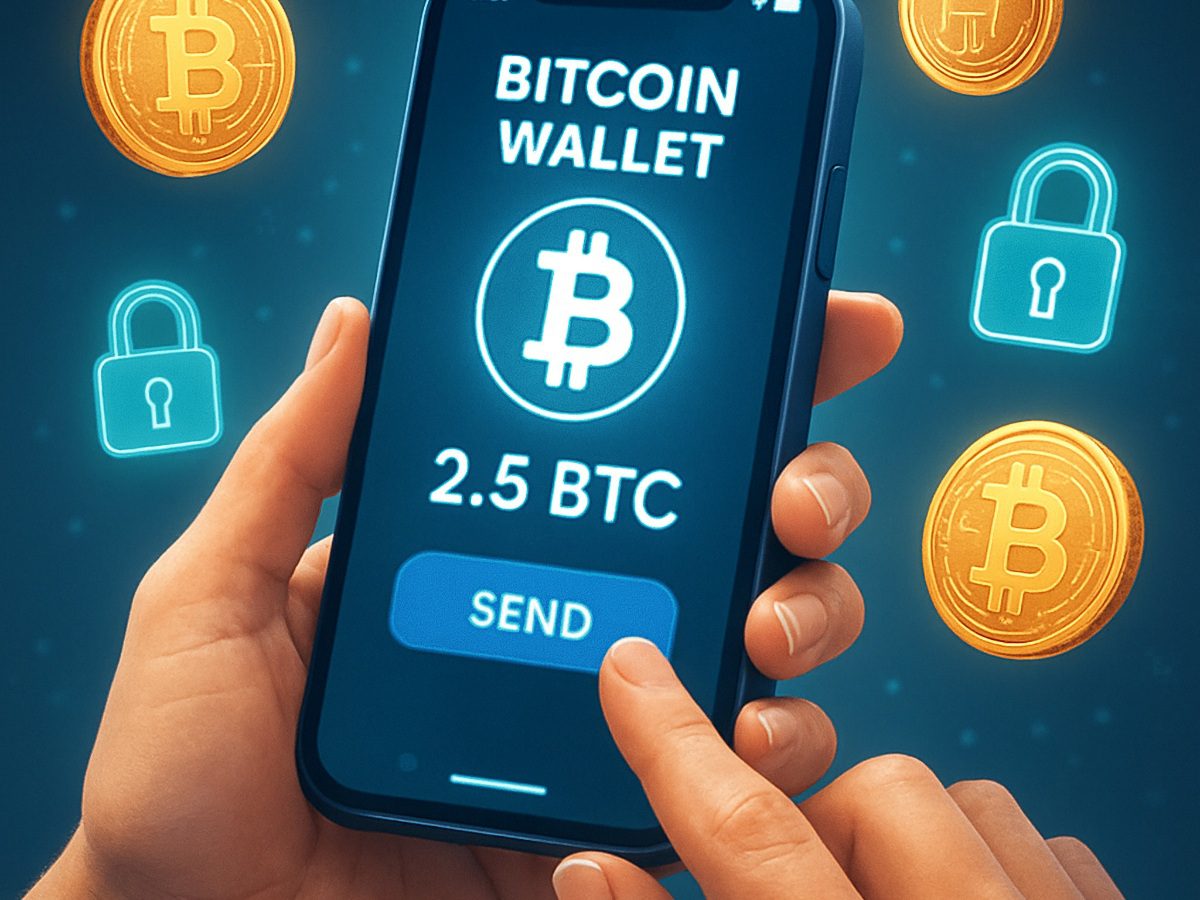
For an investment to be considered halal, it must avoid several forbidden elements. These include Riba (usury or interest), Gharar (excessive uncertainty or risk), and Maisir (gambling).
Furthermore, the investment must represent Mal (valid wealth or a tangible asset).
Does Cryptocurrency Count as “Mal” (Wealth)?
Cryptocurrency may count as mal if it is treated as valuable property in practice, meaning it has recognized utility and broad acceptance. The trade-off is that many scholars still prefer wealth to be tied to something tangible or widely recognized as a stable medium of exchange.
Some scholars, such as Dr. Haitham al-Haddad, argue that because cryptocurrency is not backed by a physical commodity like gold or a government guarantee, it lacks real value. Evaluating how coins and tokens differ can help clarify if a specific asset meets this criteria.
According to research from Islamic Finance Guru, this perspective views digital currency as an “imaginary” asset that does not meet the traditional definition of mal. However, proponents argue that digital assets have utility in decentralized systems, giving them value similar to intellectual property or digital services.
How Does “Gharar” Affect the Status of Crypto?
Gharar can make crypto haram when the transaction becomes dominated by uncertainty, pure speculation, or unclear terms. In practice, the extreme price swings of the crypto market are a major red flag for many scholars, especially when buyers cannot reasonably explain what the asset does or why it should have value.
A study published in the HIM Journal of Economics and Business Management suggests that many crypto transactions are prohibited because they contain aspects of haram. This is particularly due to high speculation.
If an investor buys a token solely hoping the price will skyrocket without understanding the underlying technology, it may cross the line into forbidden territory. The mistake most people make is treating every token like a lottery ticket, then calling it “investing.”
Is Cryptocurrency Trading Considered “Maisir” (Gambling)?
Crypto trading can resemble maisir when profits depend mainly on hype, chance, or manipulation, rather than ownership of something with real utility. That is why “pump and dump” behavior, influencer-driven buying, and rapid in-and-out trading are often cited in haram arguments.

For example, Egypt’s Grand Mufti has previously declared Bitcoin haram, citing its potential for criminal misuse and its inherent volatility. The concern is that if an asset’s value is based entirely on chance and market sentiment rather than economic production, the act of trading it becomes a “zero-sum game” where one person’s gain is another’s loss.
What About “Riba” in Staking and DeFi?
Riba concerns show up in crypto when a product looks like lending money for a guaranteed return. The trade-off is that some staking models may be interpreted as payment for a service (such as securing a network), while others closely mimic interest-bearing deposits.

If a crypto platform offers a guaranteed percentage return on your “deposit,” it may look exactly like a traditional bank loan involving interest. Many of these staking and yield farming programs are scrutinized for their resemblance to interest-bearing accounts.
However, some scholars argue that if the “reward” is a share of the network’s transaction fees or a payment for providing security (as in Proof of Stake), it might be permissible. Each project must be evaluated individually to ensure it is not a disguised interest-bearing loan.
Is Bitcoin Specifically Halal?
Bitcoin is often viewed more favorably than many altcoins because it is established, decentralized, and commonly used as a medium of exchange. Some researchers argue that Bitcoin aligns with Islamic principles because it removes the element of usury (riba) and provides a transparent ledger that reduces fraud.
In Malaysia, the Shariah Advisory Council of the Securities Commission has taken a more progressive stance, allowing for the trading of certain digital assets on regulated exchanges. This shows that the geographic location and the specific legal framework of a country can influence how Sharia law is applied to Bitcoin.
How Can Investors Identify Sharia-Compliant Projects?
You can screen for potentially Sharia-compliant crypto projects by focusing on what the token does, how the project earns revenue, and whether returns are driven by real activity rather than speculation. This matters because two tokens can use similar language while having totally different economic realities under the hood.
If you are a Muslim consumer looking to invest ethically in 2026, you must look beyond the price chart. Selecting one of the best crypto apps for beginners can provide the transparency needed to monitor a project's development and its underlying goals.
- Avoid Forbidden Industries: Ensure the crypto project is not involved in gambling, pornography, alcohol, or traditional high-interest banking.
- Assess Utility: Does the token solve a real-world problem or provide a service? Projects with clear utility are generally viewed more favorably than “meme” tokens.
- Check for Certification: Some modern crypto projects now seek “Sharia Compliance Certificates” from reputable boards of Islamic scholars.
- Transparency: Only invest in projects with transparent code and a clear development roadmap to minimize gharar.
| Exchange | Spot Trading Fees | Supported Coins | Learn More |
|---|---|---|---|
| Coinbase | $0.99 - 2.00% (Standard), 0.05% - 0.60% (Advanced Trade)
For transactions above $200 (standard account): 1.49% fee for using a bank account or USD wallet, 3.99% fee for using a debit or credit card. For Coinbase Advanced Trade: 0.60% for taker trades and 0.40% for maker trades. The more you trade, the lower the fees - can decrease to as low as 0% - 0.05%. |
+250 | Read Review |
| Kraken | 0.40% - 0.25%
0.40% for taker trades and 0.25% for maker trades. The more you trade, the lower the fees - can decrease to as low as 0% - 0.10%. Using GT tokens to pay trading fees offers a 10% discount |
+300 | Read Review |
| Gemini | $0.99 - 1.49% (Web & Mobile), 0.20% - 0.40% (Active Trader)
For Gemini’s website or mobile app users are charged 0.50% convenience fee For Active Trader, 0.40% for taker trades and 0.20% for maker trades. The more you trade, the lower the fees - can decrease to as low as 0% - 0.03%. |
+150 | Read Review |
The Bottom Line
Crypto is not automatically halal or haram across the board, the ruling usually depends on the token’s real-world function and how you earn from it. Utility-based assets and widely used cryptocurrencies like Bitcoin may be considered acceptable by some scholars, while speculative trading and interest-like DeFi returns remain highly controversial.
Before investing, it is essential to conduct your own research and, if necessary, consult with a Sharia scholar who understands both Islamic jurisprudence and blockchain technology.
