Paying with cryptocurrency is not truly anonymous. While many people believe digital assets offer a way to move money in total secrecy, most popular cryptocurrencies like Bitcoin and Ethereum are actually “pseudonymous.”
What actually matters here is that while your name isn't attached to your transaction, a permanent record of every move you make is stored on a public ledger. This guide explains how blockchain privacy works, the difference between anonymity and pseudonymity, and how law enforcement can track digital payments.
Key Takeaways
- Pseudonymity vs. Anonymity: Most crypto uses digital aliases (wallet addresses) rather than real names, but all transactions are publicly visible.
- The Public Ledger: Blockchains act as permanent, unchangeable records that anyone can audit.
- KYC Requirements: Centralized exchanges are required by law to verify your identity, linking your real name to your “anonymous” wallet.
- Tracing Capabilities: Law enforcement uses sophisticated forensic tools to de-anonymize users and track illicit funds.
What is the difference between anonymity and pseudonymity?
Anonymity means that no one knows who performed a transaction, while pseudonymity uses a persistent digital alias that can eventually be linked back to you. Cash is the most common example of an anonymous system.
If you buy a coffee with a five-dollar bill, there is no digital trail linking that specific bill to your identity.
Pseudonymity functions more like a pen name for an author. As NerdWallet explains, Bitcoin addresses act as pseudonyms.
While your legal name is not written on the blockchain, your wallet address-a long string of alphanumeric characters-is recorded forever.
The catch is that if someone can link your wallet address to your real-world identity, every transaction you have ever made with that wallet becomes visible to them. This link often happens through a public post or a regulated exchange.
How does blockchain technology track your transactions?
Blockchain technology tracks transactions by recording every movement of funds on a distributed, public ledger that anyone can inspect. Unlike a private bank statement, a blockchain ledger is usually transparent to the world.
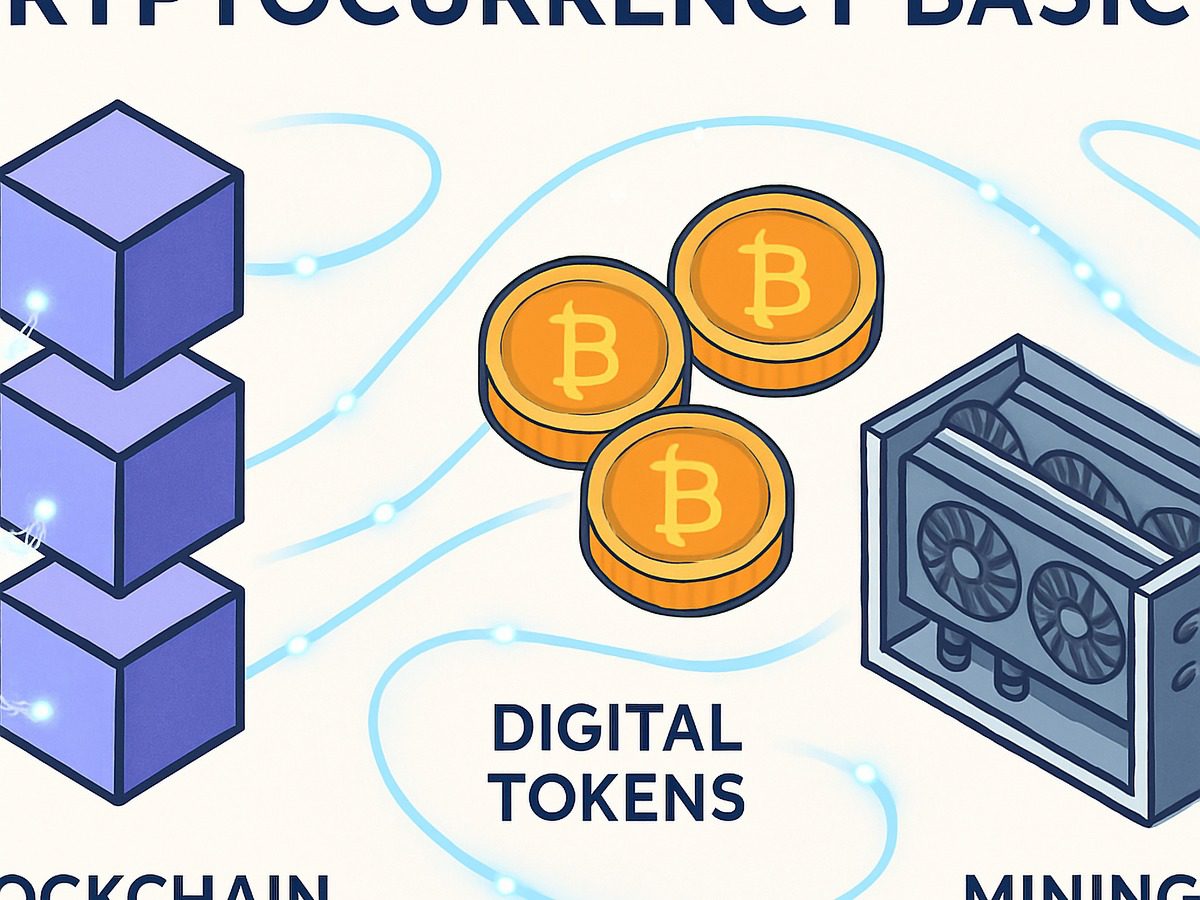
Anyone with a “blockchain explorer” can see exactly how much was sent, when it occurred, and which addresses were involved. Because the blockchain is “immutable,” this data can never be deleted or altered.
This creates a permanent map of financial activity that researchers and data firms can analyze over time.
Can law enforcement trace your cryptocurrency payments?
Law enforcement agencies have become highly skilled at tracing cryptocurrency using specialized forensic software. In practice, agencies like the FBI and the IRS use tools from companies like Chainalysis to group thousands of related addresses together and identify the owner.
Investigators often wait for a user to move funds from a private wallet to a centralized exchange. A recent FBI report detailed how investigators successfully tracked and flagged millions of dollars in stolen crypto by monitoring specific wallet addresses linked to criminal groups.
Once the money touches a regulated platform, the “pseudonym” is usually stripped away.
What is the role of KYC and AML in crypto anonymity?
Know Your Customer (KYC) and Anti-Money Laundering (AML) rules effectively end crypto anonymity by requiring users to prove their identity before buying or selling coins. If you use a major U.S. exchange like Coinbase Exchange or Kraken Exchange, you must provide government-issued identification.
| Exchange | Spot Trading Fees | Supported Coins | Learn More |
|---|---|---|---|
| Coinbase Exchange | $0.99 - 2.00% (Standard), 0.05% - 0.60% (Advanced Trade)
For transactions above $200 (standard account): 1.49% fee for using a bank account or USD wallet, 3.99% fee for using a debit or credit card. For Coinbase Advanced Trade: 0.60% for taker trades and 0.40% for maker trades. The more you trade, the lower the fees - can decrease to as low as 0% - 0.05%. |
+250 | Read Review |
| Kraken Exchange | 0.40% - 0.25%
0.40% for taker trades and 0.25% for maker trades. The more you trade, the lower the fees - can decrease to as low as 0% - 0.10%. Using GT tokens to pay trading fees offers a 10% discount |
+300 | Read Review |
| Gemini Crypto Exchange | $0.99 - 1.49% (Web & Mobile), 0.20% - 0.40% (Active Trader)
For Gemini’s website or mobile app users are charged 0.50% convenience fee For Active Trader, 0.40% for taker trades and 0.20% for maker trades. The more you trade, the lower the fees - can decrease to as low as 0% - 0.03%. |
+150 | Read Review |

As Investopedia explains, these regulations are designed to prevent financial crimes. Because these exchanges link your bank account and ID to your crypto wallet, the government can easily subpoena the exchange to link transactions back to you.
Which cryptocurrencies offer the most privacy?
Privacy coins like Monero and Zcash offer the most privacy by using advanced cryptography to hide the sender, receiver, and transaction amounts. These digital assets were specifically designed to provide the secrecy that Bitcoin lacks.
- Monero (XMR): This coin uses “ring signatures” and stealth addresses to hide the details of every transaction.
- Zcash (ZEC): This uses a cryptographic tool called zk-SNARKs to allow users to verify transactions without revealing any sensitive data.
The trade-off is that these coins face significant regulatory hurdles. Many U.S. exchanges have delisted privacy coins, making them much harder for everyday consumers to buy and sell legally.
Does using a crypto mixer make your payments anonymous?
A crypto mixer can obscure the trail of your funds, but it does not guarantee total anonymity and carries significant legal and security risks. These services pool funds from various users, mix them, and then distribute them to the intended destinations to break the link between sender and receiver.
While mixers can increase privacy, they come with high risks:
- Regulatory Crackdowns: The U.S. Treasury has sanctioned several mixers, such as Tornado Cash, making it potentially illegal for U.S. persons to use them.
- Tainted Funds: You might receive “dirty” crypto that was previously involved in a hack, which could lead to your exchange account being frozen.
- Scams: Many mixing services are unregulated and may simply steal your deposits.
What are the regulatory trends for cryptocurrency privacy in 2024?
Regulatory trends in 2024 are moving toward total transparency and stricter reporting requirements for all crypto users. The IRS and the Treasury Department are refining rules that require crypto brokers to report transaction data, similar to how stockbrokers operate.
The “Travel Rule,” an international standard, is also being implemented more widely to track the originators and beneficiaries of transfers. For the average consumer, this means that most transactions will likely be tracked and reported for tax purposes.
How can you improve your privacy when paying with crypto?
You can improve your privacy by using new addresses for every transaction and keeping your funds in non-custodial wallets. The mistake most people make is reusing the same address, which makes it easy for observers to build a profile of their spending habits.
- Use New Addresses: Never reuse the same wallet address. Many modern wallets generate a new address for every payment automatically.
- Non-Custodial Wallets: Store your funds in a private wallet where you control the “private keys” rather than keeping them on an exchange.

- Avoid Public Links: Do not post your wallet address on social media or public forums where it can be linked to your profile.
- Use a VPN: When making transactions, use a Virtual Private Network (VPN) to mask your IP address and physical location.
The Bottom Line
While cryptocurrency offers a degree of privacy that traditional bank transfers may not, it is far from anonymous. Most users should operate under the assumption that their transactions are public and traceable by both data firms and government agencies.
If you value your privacy, focus on using non-custodial wallets and following best practices for digital security rather than relying on the “myth” of total anonymity.
