

Yes, you should invest in crypto only if you treat it as a high-risk, speculative part of your portfolio and can afford significant price swings. You must be prepared for the possibility of losing 100% of your investment.
For most beginners, the best approach is to start with a small, controlled amount after you fully understand the assets you are buying.
This guide breaks down how cryptocurrency works and why investors include it in their portfolios. We will cover the primary risks like volatility and scams, how to determine your allocation, and the basics of secure buying and tax reporting.
Key Takeaways
- Crypto is speculative: The SEC warns that crypto assets are exceptionally volatile, meaning you could lose your entire investment.
- Scams are a major threat: Consumers lost over $1.4 billion to crypto scams between 2021 and 2024, according to the FTC.
- Institutional access has grown: The launch of spot Bitcoin ETPs in 2024 improved access, but increased adoption does not guarantee price stability.
- Allocation matters most: Sizing your position and planning for volatility is more important than picking the “perfect” token.
- Security and taxes are essential: How you store your assets and track your cost basis is just as vital as the purchase itself.
What is cryptocurrency, and what are you actually buying?
Cryptocurrency is a digital asset built on blockchain technology, which functions as a shared recordkeeping system. This system tracks ownership and transactions without the need for a traditional bank to act as the central ledger.
When you buy crypto, you are generally choosing between two paths:
- Direct ownership: You buy coins or tokens (like Bitcoin) held in a digital wallet or on The Smart Investor’s recommended exchanges.
- Indirect exposure: You purchase a product that tracks the price of crypto, such as an exchange-traded product (ETP), through a standard brokerage account.
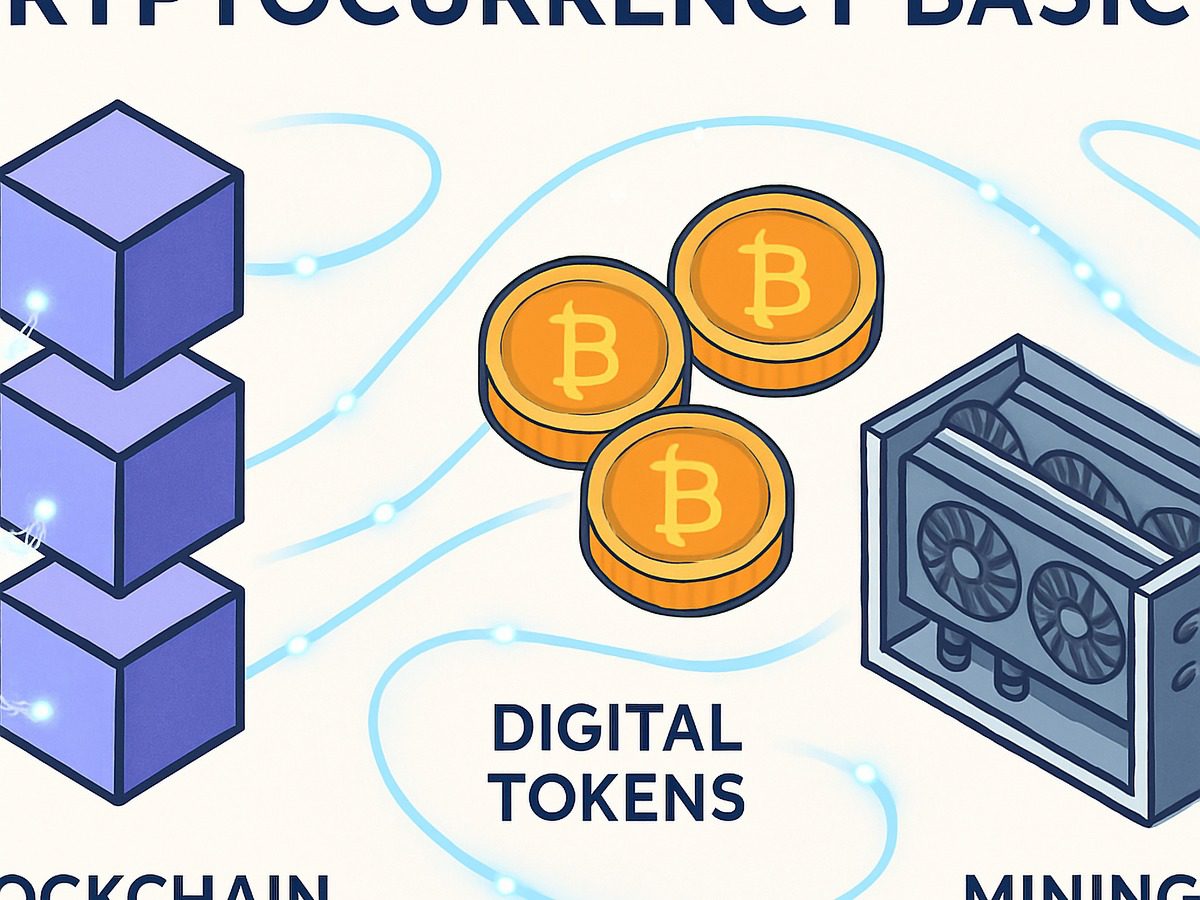
It is important to separate the underlying technology from the investment itself. While a blockchain can be highly functional, the price of a token can still fluctuate wildly based on market sentiment and liquidity.
What actually matters here is your ability to stay calm during a 50% drawdown.
Why do people invest in crypto in the first place?
Crypto’s main appeal is its potential for high growth and its role as a non-traditional asset for portfolio diversification. Investors often look to digital assets as a way to gain exposure to the evolving financial system.
Common motivations include:
- Potential growth: Crypto has historically produced periods of massive gains. The trade-off is that these gains often come with gut-wrenching volatility.
- Portfolio diversification: Some investors add a small allocation to act as a “non-traditional” asset. They accept that crypto may not always move in sync with the stock market.
- Increased access: Large inflows into crypto ETPs show that institutional and retail participation is widening. Grayscale estimates the global crypto market cap is around $3 trillion as of their recent outlook.
Access does not ensure a return on your money. For instance, in early 2025, Bitcoin fell 6% while gold and the S&P 500 saw significant gains.
Many smaller tokens have dropped 90% or more from their peak prices.
What are the biggest risks: volatility, scams, and regulation?
The biggest risks in crypto are extreme price volatility, the high prevalence of scams, and a lack of traditional regulatory protections. These risks can lead to a total loss of funds if you are not careful.
- Volatility and drawdowns: Prices can move 10% to 20% in a single day. The SEC cautions that investors must be prepared for “exceptionally volatile” conditions and potential platform outages. You can read more in the SEC's crypto asset investing bulletin.
- Fraud and scams: Crypto transactions are fast and nearly impossible to reverse, making them a favorite for scammers. The FTC reports that 46% of reported investment scam losses since 2021 were paid in cryptocurrency. Detailed stats are available in the FTC’s crypto scams spotlight.
- Regulatory uncertainty: Many crypto assets may be considered unregistered securities. This means you may not have the same legal protections or disclosures found in the traditional stock market.
Essential reality check:
- Emotional resilience: Can you handle a steep drop without panic-selling your holdings?
- Platform risk: Are you relying on a single exchange that could freeze or suffer a hack?
- Asset knowledge: Do you actually understand the utility of what you own?
How much crypto should you own, based on your risk tolerance?
There is no universal “right” percentage, but most experts suggest treating crypto as a speculative satellite position. This means it should complement, not replace, your core diversified investments.
In practice, most new investors find that a 1% to 5% allocation is more than enough to track the market without risking their financial security. Use these guardrails:
- Start small: Choose an amount that would not derail your long-term goals if it went to zero.
- Protect your foundation: Ensure you have an emergency fund and have paid off high-interest debt before buying crypto.
- Define your timeline: Crypto is a poor choice for money you need in the next two or three years.
- Set rebalancing rules: Decide in advance when you will sell to take profits or buy more to maintain your target allocation.
What’s the simplest way for beginners to buy crypto?
The simplest way for beginners to buy crypto is through a reputable exchange or by purchasing an exchange-traded product (ETP) through a brokerage account. A methodical process helps you avoid common technical errors.

- Pick your exposure type: Decide if you want to hold coins directly or use a regulated ETP for simpler management.
- Choose a reputable platform: Look for exchanges with transparent fee structures and strong security track records.
- Fund the account safely: Use secure bank transfers and avoid wiring money to individuals claiming to be “account managers.”
- Use a purchase plan: Many beginners use dollar-cost averaging to buy small amounts on a fixed schedule. This strategy is highlighted in Schwab’s beginner guide to crypto.
- Track your cost basis: Record every transaction date and price immediately. This information is required for accurate tax reporting.
Popular Crypto Exchanges for Beginners
| Exchange | Supported Coins | Spot Trading Fees | Learn More |
|---|---|---|---|
| Coinbase | +250
What are the tax obligations for crypto investors?In the U.S., the IRS treats cryptocurrency as property, meaning almost every transaction is a taxable event. The mistake most people make is ignoring the paper trail until the day before their taxes are due. Beginner moves that help:
If your trading volume is high, consider using specialized tax software that integrates directly with your exchange. What should you do before investing a single dollar?Before you buy, you should establish a clear exit strategy and verify your security habits. Discipline is the only thing that separates an investor from a gambler in this market.
The Bottom Line Investing in crypto can make sense if you keep your position size small and prioritize security over hype. The biggest wins for beginners are not usually from “picking the right coin,” but from avoiding scams and maintaining a long-term perspective. If you choose to invest, start small and stay methodical. Read More

|