

A blockchain is a shared digital ledger that records transactions in a way that is hard to tamper with and not controlled by any single company, bank, or government. Instead of trusting one central record keeper, you rely on a network of computers that all keep copies of the same history.
This matters because blockchains are the backbone of the cryptocurrency market, they are how Bitcoin, Ethereum, and other networks track who owns what. While many people associate blockchain only with Bitcoin, its transparency and security have also led to applications in finance, supply chain management, and healthcare.
Key Takeaways
- Decentralization: Blockchain operates on a peer-to-peer network, removing the need for intermediaries like banks.
- Immutability: Once a transaction is recorded on the blockchain, it cannot be changed or deleted.
- Transparency: Most blockchains are public, meaning anyone can view the transaction history.
- Consensus: The network uses specific rules (like Proof of Work or Proof of Stake) to agree on which transactions are valid.
What Exactly Is a Blockchain?
A blockchain is a type of database that is shared across many computers, rather than stored in one company’s private system. As PwC describes it, a blockchain is fundamentally a decentralized ledger that records transactions across a peer-to-peer network.
In a traditional banking system, the bank holds the “master record” of who owns what. In crypto, the blockchain serves as that master record, but every participant has a copy, and updates are accepted only when the network agrees they are valid.
The trade-off is you get fewer “undo” options compared to a bank, but you also avoid relying on a single gatekeeper.
How Does the Technology Work?
Blockchain data is organized into blocks that link together in order. Transactions get grouped into a “block,” and once that block is full, it is cryptographically linked to the previous block, forming a chain.
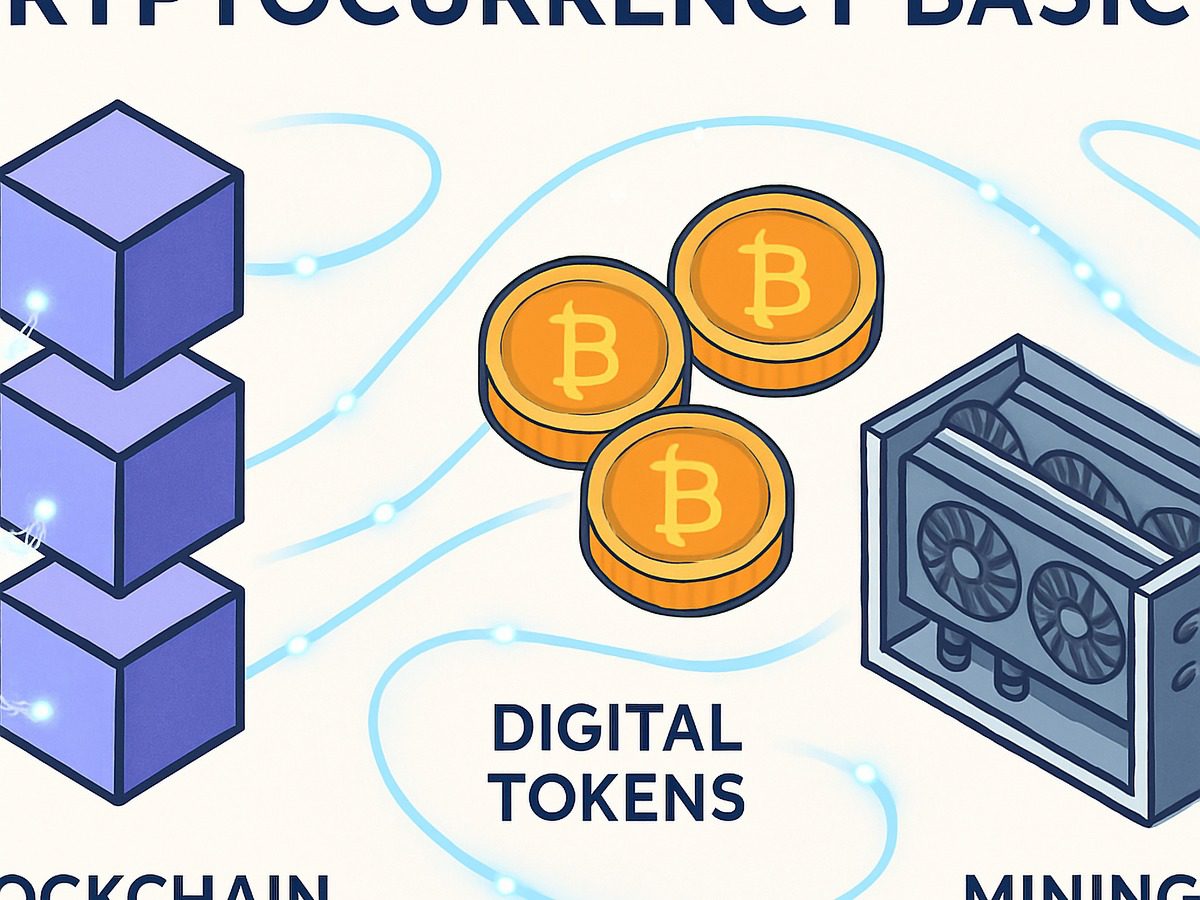
According to Science for Georgia, each block contains specific information, and creating or “unlocking” a new block requires solving complex mathematical equations. Each block includes a “hash,” a unique digital fingerprint of the previous block.
In practice, that means changing an old transaction would break the links that follow it, which is why blockchains are so resistant to tampering.
How Are Transactions Verified Without a Bank?
Transactions are verified through a consensus mechanism, the network’s rule set for agreeing on what is valid. The two most common approaches today are:
- Proof of Work (PoW): Used by Bitcoin. Miners use computing power to solve difficult puzzles, and the first to solve one earns the right to add the next block and receive new cryptocurrency.
- Proof of Stake (PoS): Used by networks like Ethereum. Validators are selected based on how many coins they stake (lock up) as collateral, rather than by solving puzzles.
These mechanisms are designed to prevent anyone from casually rewriting the ledger. The mistake most people make is assuming “no bank” means “no rules,” when the rules are actually enforced by the network itself.
Why Is Blockchain Important for Digital Assets?
Blockchain is important because it lets people verify ownership and transfers without relying on a central record keeper. Because the ledger is transparent and difficult to alter, it reduces the risk of a single entity quietly changing records.
As NerdWallet explains, cryptocurrency is a class of digital assets that operates without the need for a central governing authority. That structure can offer:
- Security: Decentralization makes it difficult for attackers to alter the transaction record.
- Efficiency: Transactions can run 24/7 without banking hours or manual approvals.
- Transparency: Many blockchains make transaction history publicly viewable, which can help deter certain types of fraud.
What Are Smart Contracts and Private Blockchains?
Smart contracts are programs on a blockchain that automatically execute actions when specific conditions are met. For example, a smart contract could release payment only after a shipping carrier confirms delivery, which can reduce the need for an escrow middleman.
Private blockchains are blockchains with restricted access, typically used by organizations that want blockchain-style record keeping without making data visible to the general public. What actually matters here is who is allowed to read or write to the ledger, because that changes the trust model compared with a public chain like Bitcoin.
Is Blockchain Technology Secure?
Blockchain security is strong, but “unhackable” is an oversimplification. The blockchain’s structure and cryptography make the ledger itself extremely hard to change, but your personal security still depends on how you access it.
Your digital assets are controlled by private keys, essentially the credentials that authorize spending. If you lose your keys or a scammer gets them, you can lose your funds permanently because decentralized networks do not have a “forgot password” reset.
How Can You Start Using Blockchain Safely?
Most people use blockchain through a digital wallet or a cryptocurrency exchange. If you are getting started, prioritize basic security habits early, they matter more than chasing the newest token.
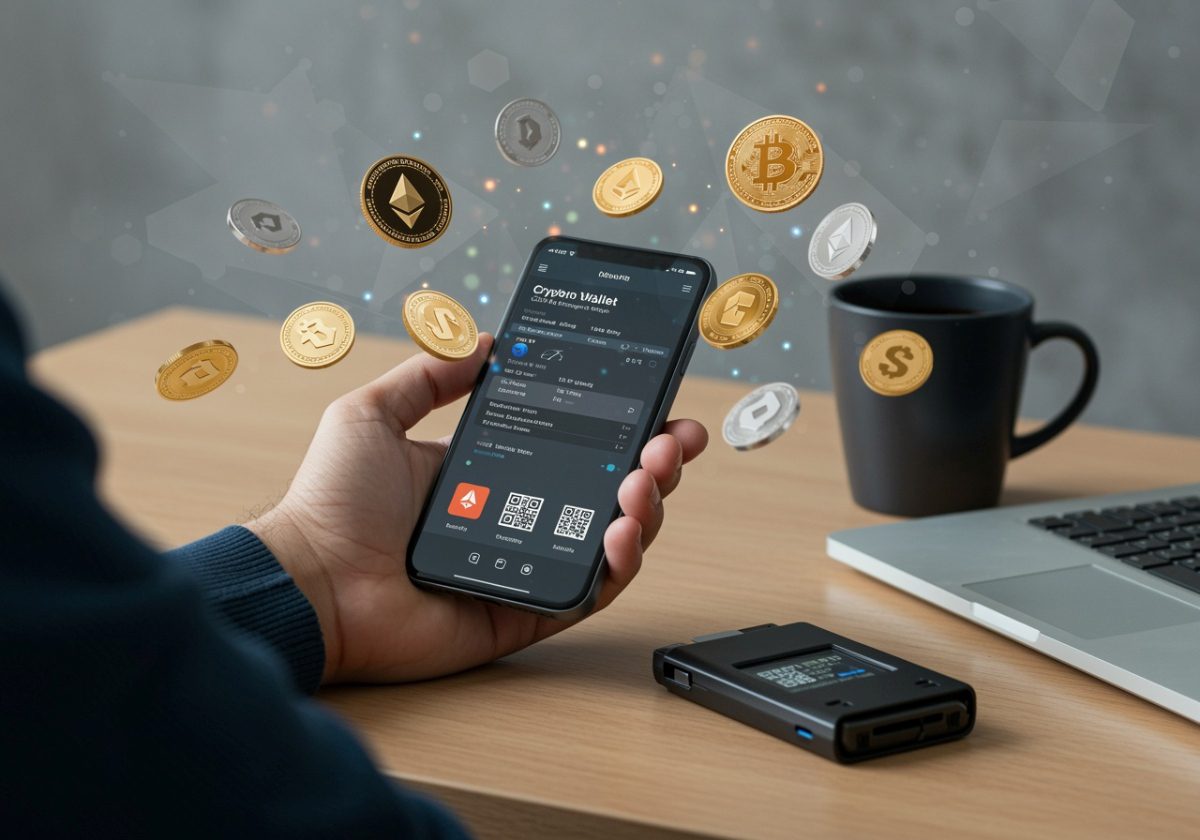
As Fidelity points out, understanding how to invest and securely store digital assets is a key first step. Here are a few practical tips:
- Choose the right wallet: A hot wallet is connected to the internet and convenient for frequent use, while a cold wallet is an offline hardware device that typically offers stronger protection against online attacks.
- Enable Multi-Factor Authentication (MFA): Use extra security layers on exchanges and wallet apps whenever possible.
- Research before buying: Some networks are more decentralized and battle-tested than others, and newer projects can be more experimental.
The Bottom Line
Blockchain is the system that makes cryptocurrency work by recording transactions in a shared ledger that is transparent and difficult to tamper with.
If you want to explore digital assets, focus on understanding how transactions are validated and how to protect your private keys, because that is where real-world risk usually shows up.
