

A crypto exchange is an online marketplace where you can buy, sell, and trade digital assets like Bitcoin and Ethereum. Think of it as a stock brokerage specifically for the crypto world, where you swap traditional money for digital tokens.
This matters because the exchange acts as your primary gateway into the digital economy, providing the tools needed to move between cash and crypto.
This guide explains how crypto exchanges work, the difference between an exchange and a wallet, common fees, and safety basics you should know before creating an account.
Key Takeaways
- Core purpose: A crypto exchange matches buyers and sellers so you can trade crypto, often using U.S. dollars to get started.
- Exchange vs. wallet: An exchange is a marketplace; a wallet is a tool for storing and using crypto.
- CEX vs. DEX: Centralized exchanges are run by companies, while decentralized exchanges use blockchain-based automated trading.
- Fees vary: You will encounter trading fees, price spreads, and withdrawal charges that differ by platform.
- Safety is a user responsibility: While exchanges have security measures, long-term storage on an exchange carries platform-specific risks.
What is a crypto exchange, and how is it different from a crypto wallet?
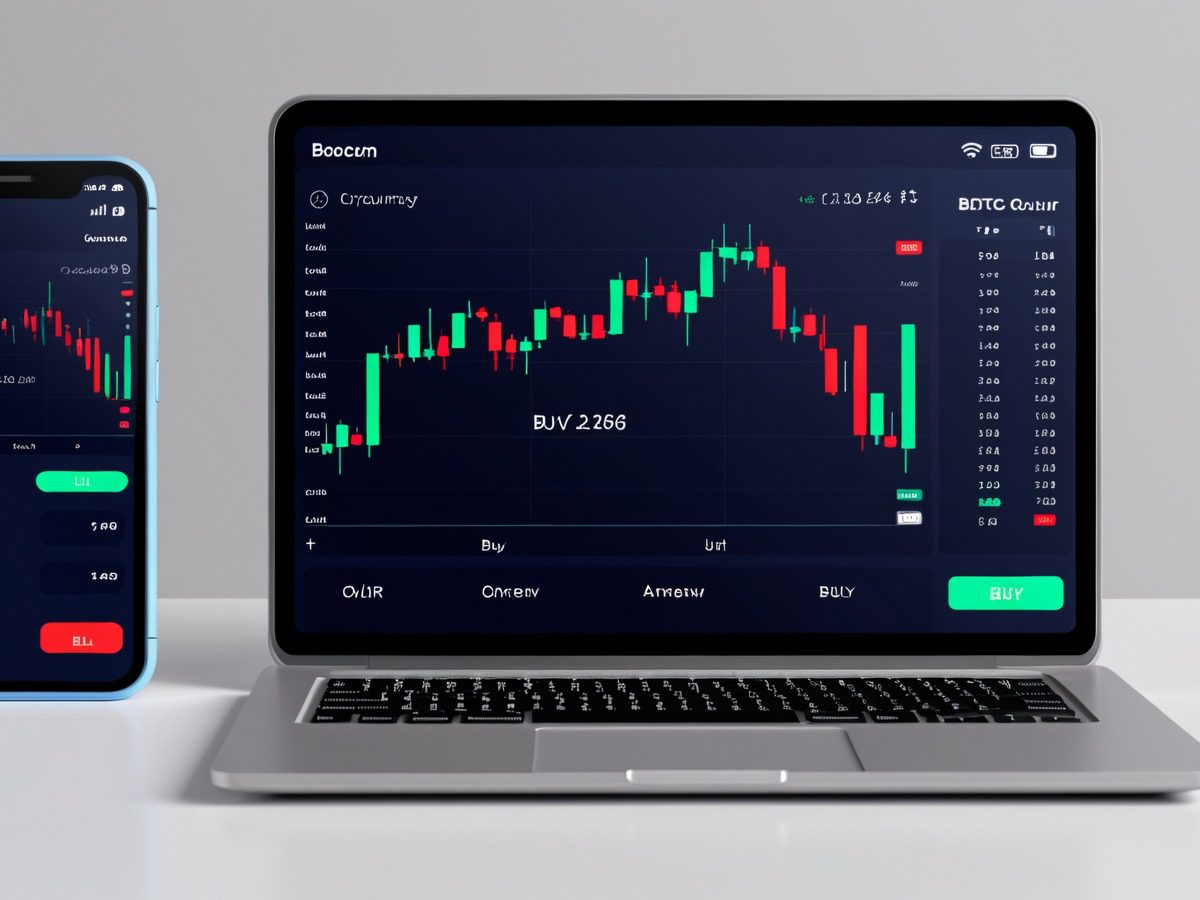
A crypto exchange is a trading venue where you buy and sell assets, whereas a wallet is a tool used strictly for storage and security. The exchange lets you place orders, convert dollars to crypto, and track your balances within the platform interface.
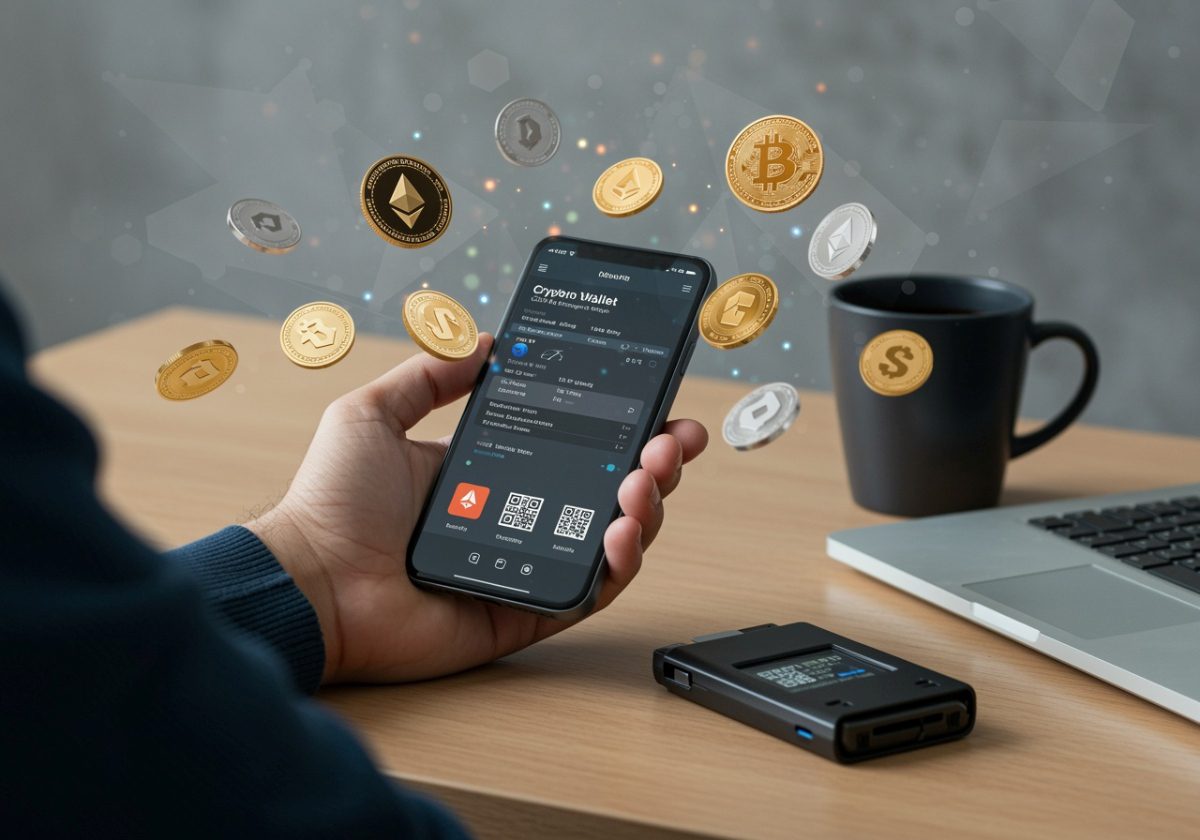
A crypto wallet is primarily for storage and private transactions. Wallets hold the digital credentials that let you move crypto on a blockchain, and learning how to use a crypto wallet correctly is essential for maintaining control over your assets.
The trade-off is that many exchanges are custodial, meaning the platform controls your keys, while personal wallets give that control directly to you.
If you’re still building your foundation, it helps to first understand what cryptocurrency is and how it functions on a network. The Reserve Bank of Australia’s explainer describes cryptocurrencies as digital tokens that can enable peer-to-peer payments through an online system: Reserve Bank of Australia’s cryptocurrency explainer.
How does a cryptocurrency exchange actually work?
Exchanges work by matching buy orders with sell orders through a centralized or decentralized ledger. Many operate using an order book that lists buy orders (bids) and sell orders (asks).
When compatible orders meet, the exchange executes the trade and updates the balances of both parties.
Exchanges generally make money in a few common ways:
- Trading fees: A percentage charged when your trade executes.
- Bid-ask spread: Some platforms profit from the difference between buying and selling prices, a model described in general terms here: cryptocurrency exchange business models.
- Withdrawal and service fees: Charges for moving assets off the platform or using premium features.
In practice, the market activity on these exchanges is massive. One industry report projects the global cryptocurrency exchange market size at USD 41.41 billion in 2025, with centralized exchanges holding a majority share.
Separate research estimates Binance holds 20.9% of all crypto trading volume in 2025, followed by other major players like Coinbase: CoinLedger’s 2025 exchange volume data.
How do you deposit and withdraw U.S. dollars (fiat) on an exchange?
You can deposit and withdraw U.S. dollars by linking a traditional bank account, debit card, or wire transfer service to your exchange profile. Many of the best crypto apps for beginners help simplify these deposit steps.
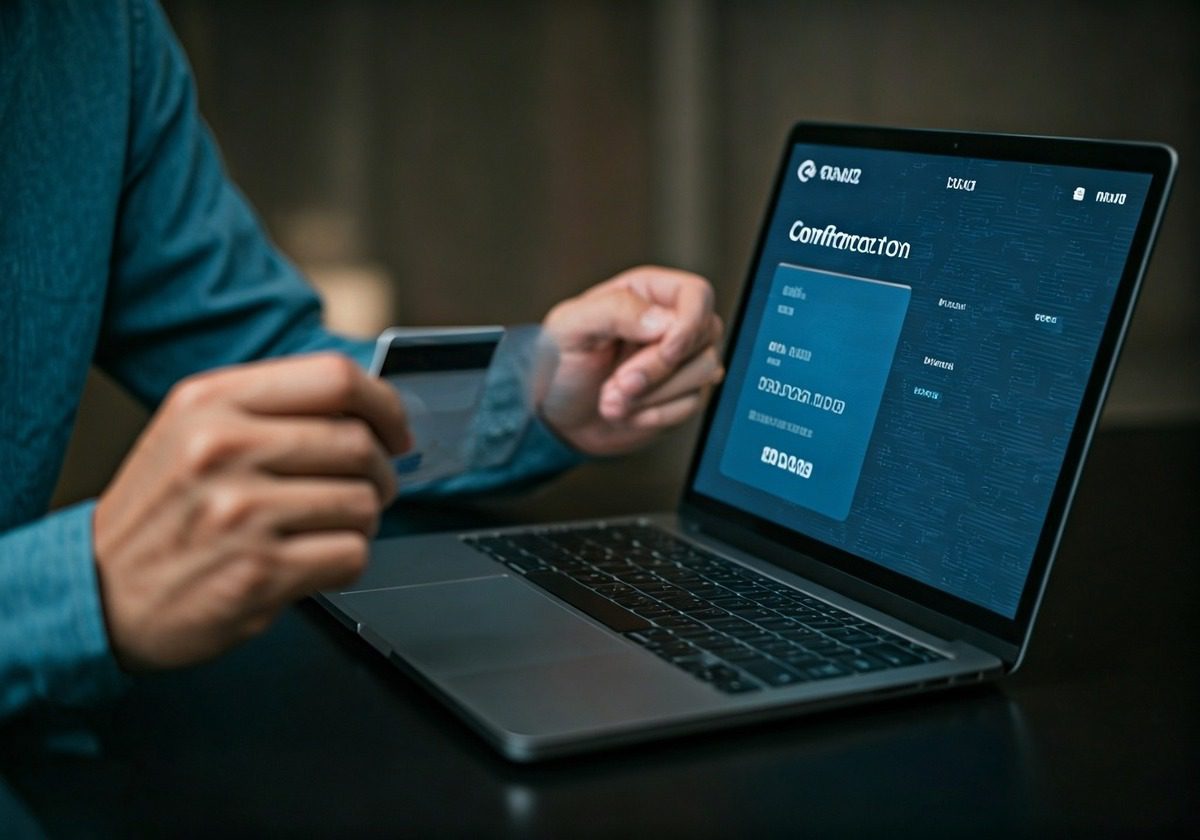
A typical flow for a new user looks like this:
- Create an account: Sign up and complete the required identity checks.
- Link a payment method: Connect a bank account or card for funding.
- Deposit USD: Transfer cash to your exchange balance.
- Trade: Use your USD balance to buy your chosen cryptocurrency.
- Withdraw: Sell back to USD to transfer to your bank, or send crypto to a private wallet.
What’s the difference between centralized (CEX) and decentralized (DEX) exchanges?
The main difference is who controls the platform: a centralized exchange is run by a company, while a decentralized exchange is run by automated software on a blockchain.
Centralized exchanges (CEX): These are run by corporations and offer user-friendly apps, customer support, and easy ways to convert dollars to crypto. They require identity verification and hold your assets in their custody by default.
Decentralized exchanges (DEX): These are protocols that facilitate trades using smart contracts. You usually trade directly from your own crypto wallet, which offers more control but requires more technical knowledge.
What does custodial vs. non-custodial really mean?
This distinction refers to whether you or the service provider holds the “private keys” required to authorize transactions. In a custodial setup, the exchange holds the crypto on your behalf, similar to how a bank holds your cash.
In a non-custodial setup, you control the keys yourself. This reduces reliance on an intermediary, but it also means there is no “forgot password” button if you lose your recovery phrase.
What common fees should you expect on a crypto exchange?
You should expect to pay trading commissions, withdrawal fees, and often a “spread,” which is the difference between the buy and sell price. These fees can eat into your profits if you trade frequently.
| Exchange | Trading Fees | Supported Coins | Learn More |
|---|---|---|---|
| Coinbase | $0.99 - 2.00% (Standard), 0.05% - 0.60% (Advanced Trade)
For transactions above $200 (standard account): 1.49% fee for using a bank account or USD wallet, 3.99% fee for using a debit or credit card. For Coinbase Advanced Trade: 0.60% for taker trades and 0.40% for maker trades. The more you trade, the lower the fees - can decrease to as low as 0% - 0.05%. |
+250 | Read Review |
| Gemini | $0.99 - 1.49% (Web & Mobile), 0.20% - 0.40% (Active Trader)
For Gemini’s website or mobile app users are charged 0.50% convenience fee For Active Trader, 0.40% for taker trades and 0.20% for maker trades. The more you trade, the lower the fees - can decrease to as low as 0% - 0.03%. |
+150 | Read Review |
| Kraken | 0.40% - 0.25%
0.40% for taker trades and 0.25% for maker trades. The more you trade, the lower the fees - can decrease to as low as 0% - 0.10%. Using GT tokens to pay trading fees offers a 10% discount |
+300 | Read Review |
- Trading fees: Often a percentage per transaction, sometimes tiered based on your monthly volume.
- Spreads: The gap between the market price and the price the exchange offers you.
- Deposit fees: Some methods, like credit cards, carry much higher fees than standard bank transfers.
- Withdrawal fees: Platforms often charge a fee to cover the blockchain network costs of moving assets to a private wallet.
Are crypto exchanges safe for storing your digital assets?
Exchanges are generally safe for active trading, but they are vulnerable to platform-wide hacks and account-level security breaches. While major platforms invest heavily in cybersecurity, they are not covered by FDIC insurance like traditional bank accounts.
Key risks include:
- Account takeover: Hackers may target your specific login through phishing or weak passwords.
- Platform risk: Even large platforms can face liquidity issues or technical outages.
- User error: Sending funds to the wrong wallet address is usually irreversible.
The mistake most people make is using an exchange as a permanent savings account rather than a temporary trading floor. For a deeper explanation of how these transactions work, this overview is helpful: Coursera’s beginner guide to how cryptocurrency works.
How do you open and verify your first exchange account, and what features matter most?
Opening an account requires providing your personal information, a government-issued ID, and setting up multi-factor authentication to secure your funds. Most reputable platforms in the U.S. must follow “Know Your Customer” (KYC) laws to prevent fraud.
To get started:
- Email/phone signup: Register your basic account details.
- Identity verification: Upload photos of your ID and provide your Social Security number if required.
- Security setup: Enable multi-factor authentication (MFA) immediately.
- Funding: Link your bank account for your first deposit.
- First trade: Start with a small amount to learn the interface.
When comparing exchanges, look for transparent pricing, strong security controls like withdrawal allowlists, and responsive customer support. The goal is to find a platform where you can deposit and withdraw dollars easily.
What regulations and legal considerations should U.S. users keep in mind?
U.S. users must navigate a landscape where exchanges must register as money transmitters and users are required to report all trades to the IRS. Regulation is complex and varies by state, meaning some exchanges may not be available in your location.
What actually matters here is record-keeping. Every time you sell or trade crypto, it is likely a taxable event.
Maintaining clear records of your buys, sells, and transfers will save you significant stress during tax season.
The Bottom Line
A crypto exchange is the essential on-ramp that lets you convert dollars to digital assets. While they offer convenience and tools for trading, they are distinct from wallets, which are designed for long-term storage and personal control.
Before moving significant funds, compare fee structures and ensure you have enabled every available security feature on your account.
Read More
