

A crypto exchange is a digital marketplace that lets you buy, sell, or trade cryptocurrencies like Bitcoin and Ethereum. Think of it as the “plumbing” for the crypto world, matching buyers with sellers and often providing a bridge to convert traditional dollars into digital assets.
In practice, exchanges provide the app or website, the trading tools, and the infrastructure that helps route and complete trades. The trade-off is that while they offer convenience and speed, the type of exchange you use affects your fees, security, and how much control you have over your crypto.
Key Takeaways
- What it is: A digital platform for buying, selling, and trading cryptocurrencies, often including crypto-to-fiat (like U.S. dollars) conversions.
- How it works: Many platforms match buyers and sellers using an order book or liquidity pool, charging fees or commissions for the service.
- Main types: Centralized exchanges act as intermediaries that hold your funds; decentralized exchanges use blockchain-based code to allow direct peer-to-peer trading.
- Primary risks: Security breaches, scams, and lack of government-backed insurance are real concerns that differ from traditional banking.
- Choosing a platform: Focus on security controls, fee transparency, asset variety, and whether you prefer the exchange to hold your funds or want self-custody.
What is a cryptocurrency exchange?
It is an online platform that functions as a bridge between traditional money and digital assets, allowing you to buy, sell, or swap cryptocurrencies. While they often look like stock market apps, the mistake most people make is assuming they come with the same government-backed insurance as a bank account.
You can think of an exchange as the on-ramp and marketplace for digital assets. It can help you:
- Convert dollars to crypto (and back to dollars)
- Trade between crypto assets, such as swapping Bitcoin for Ethereum
- Track balances, place orders, and view price charts
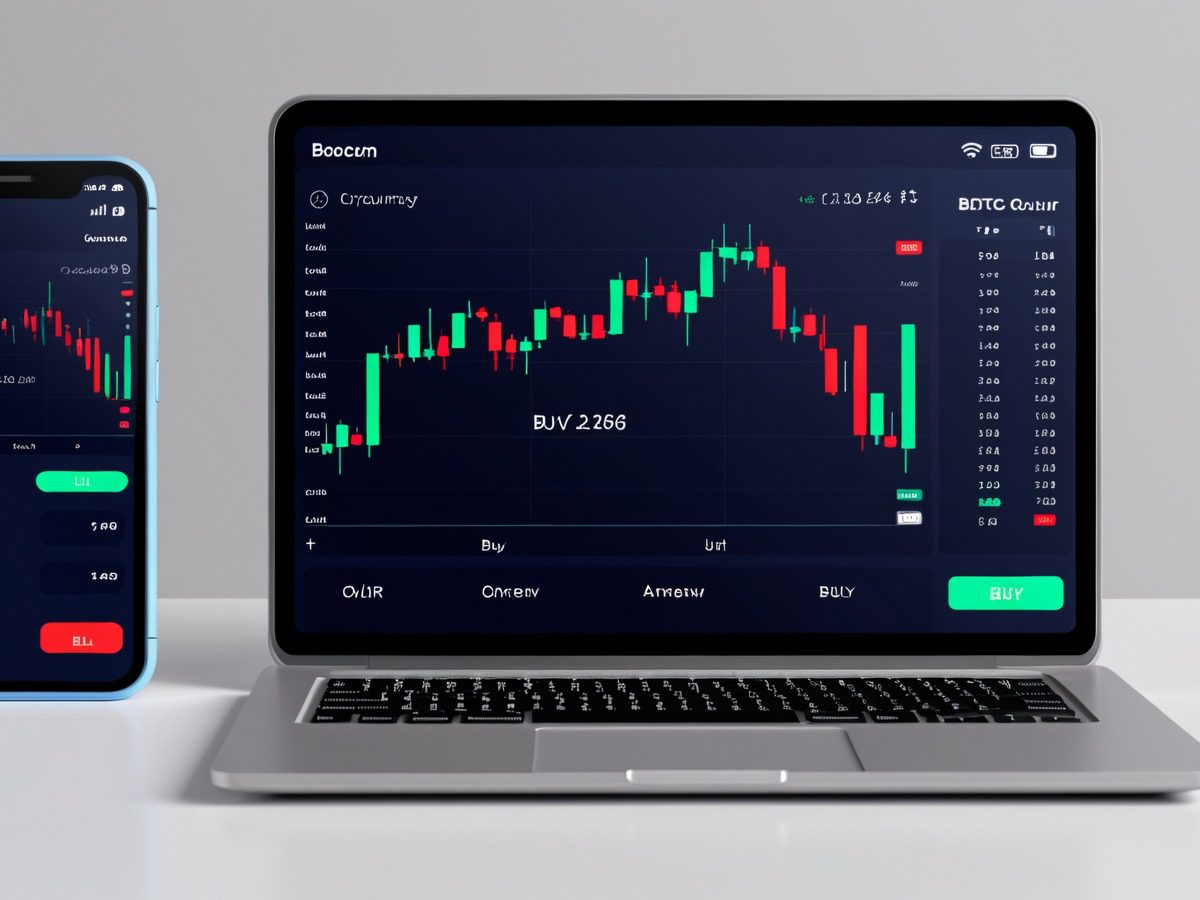
Crypto exchanges are often compared to traditional exchanges because they provide a venue for buyers and sellers to meet. As noted by Hedera, they function similarly to stock and commodities exchanges by providing the technical platform for buying and selling digital assets (Hedera’s overview).
How do cryptocurrency exchanges actually work?
Exchanges work by using an order book or liquidity pool to match buyers and sellers at current market prices. When you place an order, the platform finds a matching seller and handles the transfer of ownership behind the scenes, usually charging a small fee for the service.
Operationally, exchanges may support different order types, such as:
- Market orders: Buy or sell at the best available current price.
- Limit orders: Buy or sell only at a specific price you set.
Behind the scenes, the exchange updates account balances, records the trade, and handles settlement. Some platforms also offer custodial storage, meaning the exchange holds the crypto on your behalf.
This is convenient, but your ability to access funds depends entirely on the exchange’s security and operations.
What’s the difference between centralized and decentralized exchanges?
The primary difference lies in who holds the keys to your assets: a private company or you. Centralized exchanges (CEXs) act as middlemen that hold your funds for convenience, while decentralized exchanges (DEXs) use automated code to let you trade directly from your own digital wallet.
Centralized exchanges (CEXs) are run by a company. They typically:
- Require account creation and identity verification.
- Custody user funds in exchange-managed wallets.
- Provide customer support and a streamlined user experience.
Decentralized exchanges (DEXs) facilitate trading through blockchain-based tools rather than through a company’s internal order book. In general, DEX users connect a hot wallet and trade from that wallet.
This offers more control, but there is no support team to help if you make a mistake with addresses or security.

What key features should you look for in a reliable exchange?
You should prioritize security protocols, fee transparency, and whether the platform supports the specific coins you want to trade. What actually matters here is whether the exchange has a proven track record of security and clear policies on how they handle your personal data.
- Security controls: Look for strong account protections such as multi-factor authentication (MFA) and robust login safeguards.
- Custody approach: Decide whether you are comfortable with the exchange holding your assets or if you prefer self-custody in your own wallet.
- Clear pricing: Transparent order handling and clear displays of quotes and spreads help you understand exactly what you are paying.
- Asset availability: Not every exchange lists the same coins. Make sure it supports the assets you actually plan to buy.
- Operational transparency: Clear disclosures and responsive support can matter most when something goes wrong or during high market volatility.
| Exchange | Trading Fees | Supported Coins | Learn More |
|---|---|---|---|
| Coinbase | $0.99 - 2.00% (Standard), 0.05% - 0.60% (Advanced Trade)
For transactions above $200 (standard account): 1.49% fee for using a bank account or USD wallet, 3.99% fee for using a debit or credit card. For Coinbase Advanced Trade: 0.60% for taker trades and 0.40% for maker trades. The more you trade, the lower the fees - can decrease to as low as 0% - 0.05%. |
+250 | Read Review |
| Kraken | 0.40% - 0.25%
0.40% for taker trades and 0.25% for maker trades. The more you trade, the lower the fees - can decrease to as low as 0% - 0.10%. Using GT tokens to pay trading fees offers a 10% discount |
+300 | Read Review |
| Gemini | $0.99 - 1.49% (Web & Mobile), 0.20% - 0.40% (Active Trader)
For Gemini’s website or mobile app users are charged 0.50% convenience fee For Active Trader, 0.40% for taker trades and 0.20% for maker trades. The more you trade, the lower the fees - can decrease to as low as 0% - 0.03%. |
+150 | Read Review |
What fees do crypto trading platforms typically charge?
Most platforms charge a combination of trading commissions, withdrawal fees, and “spreads,” which is the difference between the buy and sell price. The catch is that even “zero-commission” platforms often hide their costs in wider spreads, meaning you pay slightly more for the asset than the current market rate.
- Trading fees: A commission or percentage fee charged when your buy or sell executes.
- Spread or pricing markup: Some platforms offer a buy price higher than the sell price to generate revenue.
- Deposit and withdrawal fees: Costs for moving money in or out, including transferring crypto to an external wallet.
- Network fees: When you transfer crypto on a blockchain, the network itself requires a transaction fee. Some exchanges pass this through directly, while others add an extra charge.
Are cryptocurrency exchanges safe for your digital assets?
They are generally safe if you use reputable platforms with strong encryption, but they lack the FDIC insurance found in traditional banks. Security is a shared responsibility; even the most secure exchange cannot protect you if you do not use multi-factor authentication or fall for a phishing scam.
A few practical safety habits:
- Use strong, unique passwords and multi-factor authentication.
- Be skeptical of “guaranteed returns” claims or pressure to move money quickly.
- Double-check website addresses and apps to avoid lookalikes.
- Consider moving long-term holdings to a hardware wallet that you control.
How do you choose and open a crypto exchange account?
Start by deciding if you want the user-friendly experience of a centralized platform or the privacy and control of a decentralized one. For most beginners, the best path is a regulated centralized exchange that offers a straightforward on-ramp for bank transfers and beginner-friendly trading tools.
A typical centralized exchange onboarding flow looks like this:
- Create an account: Register with an email and a strong, unique password.
- Complete identity verification: Provide necessary documentation, as most regulated platforms require this for anti-money laundering compliance.
- Add security protections: Immediately enable multi-factor authentication, preferably using an authenticator app.
- Connect a funding method: Link a bank account, debit card, or other supported payment method.
- Place a trade: Start with a small amount to learn the interface and mechanics of the platform.
- Decide on storage: Choose whether to keep assets on the platform for trading or transfer them to a personal wallet for long-term holding.
What are the pros and cons of using a crypto exchange?
Pros
- Convenience: A streamlined way to convert dollars to crypto and execute trades in one place.
- Liquidity: High-volume exchanges ensure you can buy or sell assets quickly without major price swings.
- Tools: Access to charts, multiple order types, and transaction history for tax reporting.
Cons
- Custody risk: If the exchange holds your crypto, your access depends on the platform’s solvency and security.
- Fees: Commissions, spreads, and withdrawal costs can quickly eat into your profits.
- Security risks: Centralized exchanges are high-value targets for hackers and phishing attempts.
- Learning curve: Understanding wallets, network fees, and transfer protocols takes time.
The Bottom Line
A crypto exchange is a digital marketplace that helps you buy, sell, and trade cryptocurrencies by matching you with other market participants. The right exchange depends on your goals, how much control you want over your assets, and your comfort level with different security features.
Before funding an account, review the fee schedule and ensure you have strong security settings in place to protect your digital wealth.
