Bonk (BONK) is a community-driven, dog-themed meme coin built on the Solana blockchain. It matters because it helped revitalize the Solana ecosystem after a period of extreme market stress.
Though it remains a highly speculative asset that relies more on social sentiment than traditional financial metrics. If you are exploring what Bonk crypto is, you should know it is driven by internet culture and community engagement.
Below is how Bonk works, how users interact with it on Solana, how to buy and store meme coins, and the biggest risks to understand before putting money on the line.
Key Takeaways
- What Bonk is: A Solana-based meme coin launched in late 2022 with a strong emphasis on community ownership.
- Why it matters: Bonk became a cultural rallying point for Solana users during a difficult period for the network's reputation.
- How it works: It functions as an SPL token on Solana, utilizing the network for fast, low-cost transactions and app integrations.
- Investment approach: Meme coins are extremely volatile, and price moves are often driven by social media trends rather than utility.
- Safety and storage: You should consider self-custody with a reputable Solana-compatible wallet and follow standard security protocols.
What is Bonk (BONK), and why did it launch on Solana?
Bonk is a dog-themed cryptocurrency built on Solana that launched at the end of 2022 to support the network's struggling community. Multiple sources describe it as a community-driven token that aimed to shift power away from large institutional investors toward everyday users.
One reason Bonk is central to Solana’s comeback narrative is its unique distribution. It was launched as an airdrop to parts of the Solana community, including NFT collectors and developers.
This encouraged broad ownership from the start rather than concentrating the supply in a small group of venture capitalists. For background reading, see explanations from Blockchain.com’s learning portal and Bitstamp’s overview of Bonk.
How does Bonk work on the Solana blockchain?
BONK operates as an SPL token, which is the Solana equivalent of Ethereum's ERC-20 standard. This means it inherits Solana’s high-speed infrastructure, allowing for near-instant transfers and very low transaction fees compared to older blockchains.
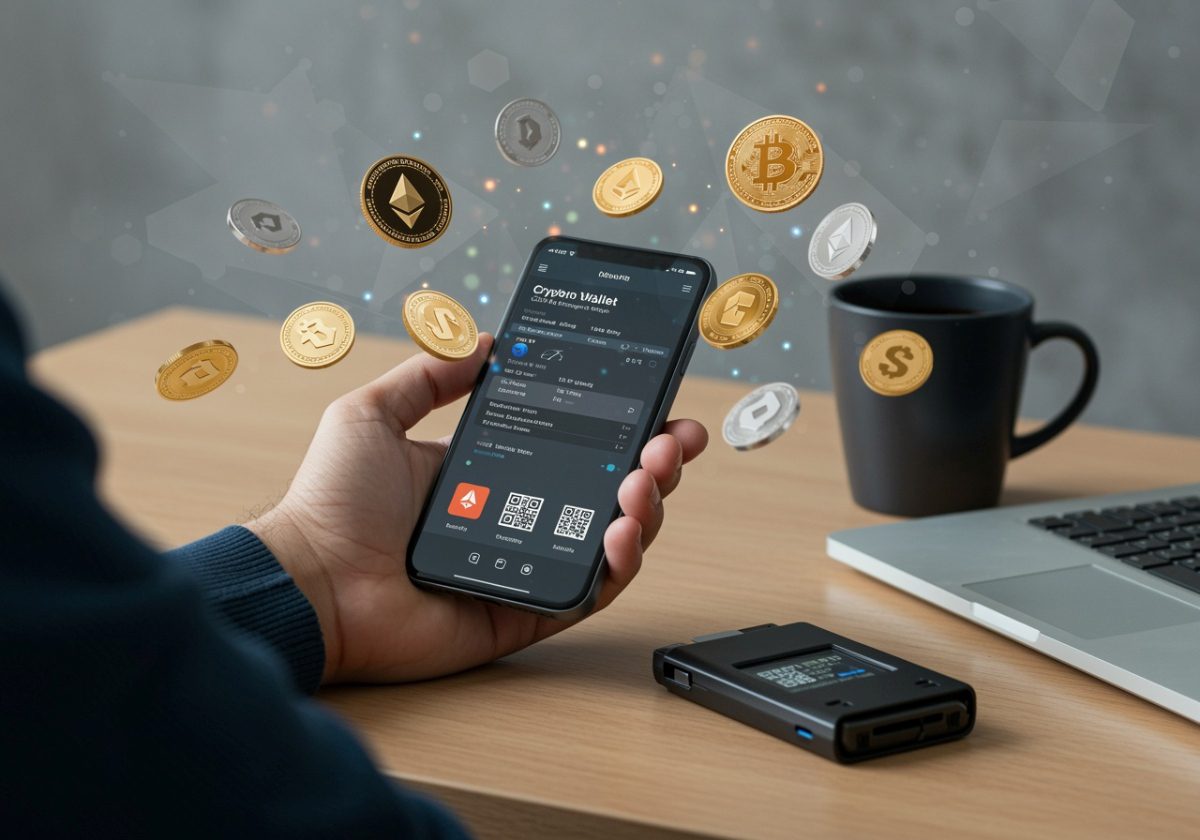
What actually matters here is that your experience with BONK depends entirely on the Solana ecosystem. You must use a crypto wallet that supports Solana to hold your tokens or interact with apps.
If you are brand new to crypto, you should separate the coin’s social narrative from its technical plumbing. While the community energy makes it popular, the transactions are real blockchain movements that require basic operational security.
This includes protecting your private keys and double-checking every address before sending funds.
What does “Bonk tokenomics” mean, and is there a burn mechanism?
Bonk tokenomics refers to the supply and distribution strategy of the coin, which originally involved a massive total supply of 100 trillion tokens. To manage this supply, the project has historically performed “burns,” which permanently remove tokens from circulation to create scarcity.
You may hear about burns as a way to support the token's value, but their impact depends on several factors. Total supply, ongoing adoption, and overall market sentiment matter much more than a single burn event.
In practice, a burn only helps if the demand for the remaining tokens continues to grow or stay stable. Because supply figures can change frequently, you should treat any burn claims on social media with caution.
It is a good habit to verify token mechanics using primary project documentation or reputable exchange explainers. As a starting point, Binance Square’s discussion of Bonk summarizes the basic premise and launch context.
What role does the Bonk community play in its ecosystem?
The Bonk community is the primary driver of the token's value and utility, as it relies on a network of developers to keep the coin relevant. Meme coins generally live or die by engagement; without an active base of holders, the token loses its reason for existing.
Where community involvement matters most:
- Integrations: Developers often add BONK support to games, NFT projects, and decentralized finance (DeFi) apps for rewards or payments.
- Liquidity and trading: An active community keeps trading volume high, which makes it easier for you to buy or sell without causing massive price swings.
- Ecosystem support: Community sentiment often influences which new projects on Solana receive funding or social media attention.
How is Bonk different from other meme coins?
Bonk distinguishes itself from competitors like Dogecoin through its “Solana-first” identity and its role in supporting a specific technical ecosystem. While many meme coins are standalone jokes, Bonk was designed to act as a utility and social layer for Solana users.
The main differentiators include:
- Native Solana integration: It was built specifically for Solana, benefiting from the network's speed and low costs from day one.
- Airdrop-led launch: Its initial distribution favored active community participants rather than private investors or “whales.”
- Ecosystem intent: Many sources frame Bonk as a tool for Solana's cultural recovery, whereas other coins may have no specific goal.
The trade-off is that meme coins share a common reality: their value can disappear as quickly as it arrived. They often lack the durable utility found in established payment networks or smart-contract platforms.
How can you buy and store Bonk (BONK) safely?
You can buy BONK on major crypto exchanges like Coinbase or Kraken . You can also use Solana-based decentralized exchanges like Jupiter or Raydium.
The best route for you depends on your local regulations, fee preferences, and whether you want to manage your own security.
| Exchange | Spot Trading Fees | Supported Coins | Learn More |
|---|---|---|---|
| Coinbase | $0.99 - 2.00% (Standard), 0.05% - 0.60% (Advanced Trade)
For transactions above $200 (standard account): 1.49% fee for using a bank account or USD wallet, 3.99% fee for using a debit or credit card. For Coinbase Advanced Trade: 0.60% for taker trades and 0.40% for maker trades. The more you trade, the lower the fees - can decrease to as low as 0% - 0.05%. |
+250 | Read Review |
| Kraken | 0.40% - 0.25%
0.40% for taker trades and 0.25% for maker trades. The more you trade, the lower the fees - can decrease to as low as 0% - 0.10%. Using GT tokens to pay trading fees offers a 10% discount |
+300 | Read Review |
| Crypto.com | 0.075%
For both maker and taker orders. The more you trade, the lower the fees - can decrease to as low as 0% - 0.050%. Holding and staking CRO tokens, Crypto.com native token, unlocks additional fee discounts. |
+350 | Read Review |
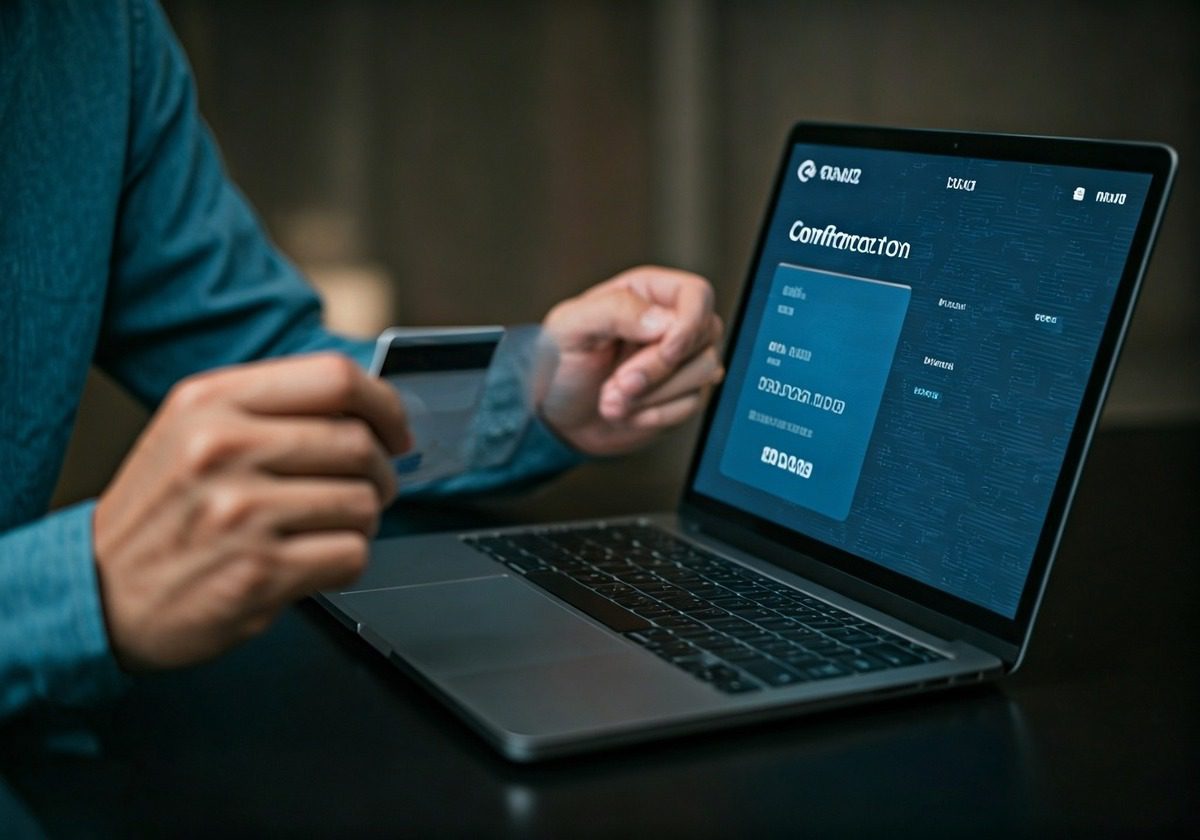
A consumer-oriented safety checklist: 1. Start with platform risk: Exchanges can experience outages or hacks. The mistake most people make is keeping their entire balance on an exchange rather than in a personal wallet.
2. Consider self-custody: Use a reputable Solana-compatible wallet and store your recovery phrases offline in a safe place. 3. Watch for fake tokens: Scammers often create fake versions of popular meme coins.
4. Practice transaction hygiene: Test new wallets with a small transfer first. Never sign a wallet prompt if you do not fully understand the permissions it is asking for.
The FDIC’s consumer guidance is a helpful reminder that crypto held outside insured bank accounts is not covered by the government.
Is Bonk a good investment? Key risks and volatility to understand
Whether Bonk is a “good” investment depends on your personal risk tolerance and financial goals. For most investors, meme coins should be viewed as high-risk speculation rather than a stable alternative to diversified stock or bond funds.
Common risks to weigh: Extreme volatility: Prices can drop 50% or more in a single day based on social media posts. Utility risk: There is no guarantee that developers will continue to support BONK in the future.
Market liquidity: During a market crash, it may become difficult to sell large amounts of BONK without significantly moving the price.
If you are considering BONK, a practical approach is to treat it like a speculative position. Keep your investment size small relative to your total net worth and avoid using money you need for essential expenses.
What could the future of Bonk look like?
The future of Bonk will likely mirror the health of the Solana ecosystem and the project's ability to maintain social relevance. Like many meme coins, BONK’s narrative can shift rapidly as new trends emerge and draw attention to other tokens.
Instead of relying on price predictions, focus on these measurable signals: Ongoing integrations: Look for whether more Solana-based apps are actually using BONK for payments or rewards.
Platform support: Check if major exchanges and wallets continue to maintain support for the token. Organic activity: Monitor whether the community is growing through real usage rather than just promotional hype.
The Bottom Line
Bonk (BONK) is a Solana-based meme coin that gained fame for its community-first launch and its role in boosting Solana's morale. While it offers a fun entry point into the Solana ecosystem, it is a highly volatile asset that carries significant risk.
If you choose to invest, prioritize safe custody and only use funds you are comfortable losing.
Read More
