
CRO is the utility token that powers the Cronos blockchain and the Crypto.com ecosystem, primarily used to pay transaction fees and earn staking rewards. Think of it as the “gas” needed to move money or interact with apps on the Cronos network, similar to how ETH works for Ethereum.
While it offers significant benefits for frequent users of the Crypto.com platform, it remains a volatile asset that requires a clear understanding of its risks before you buy.
Below is a breakdown of what CRO is, how it works, and how U.S. consumers can buy and store it more safely in 2026.
Key Takeaways
- Gas and Utility: CRO is the mandatory token used to pay network transaction fees and support on-chain activity on the Cronos blockchains.
- Ecosystem Integration: The token is tied to various payment apps, including Crypto.com Pay and a broader ecosystem of DeFi and NFT projects.
- Staking Rewards: You can “lock up” your CRO to support the network, which may grant you governance rights and potential staking rewards.
- No Insurance: Like other crypto assets, CRO is not protected by FDIC insurance. If a platform fails or the price drops, your funds are not covered by the government.
What is CRO crypto and how does it work?
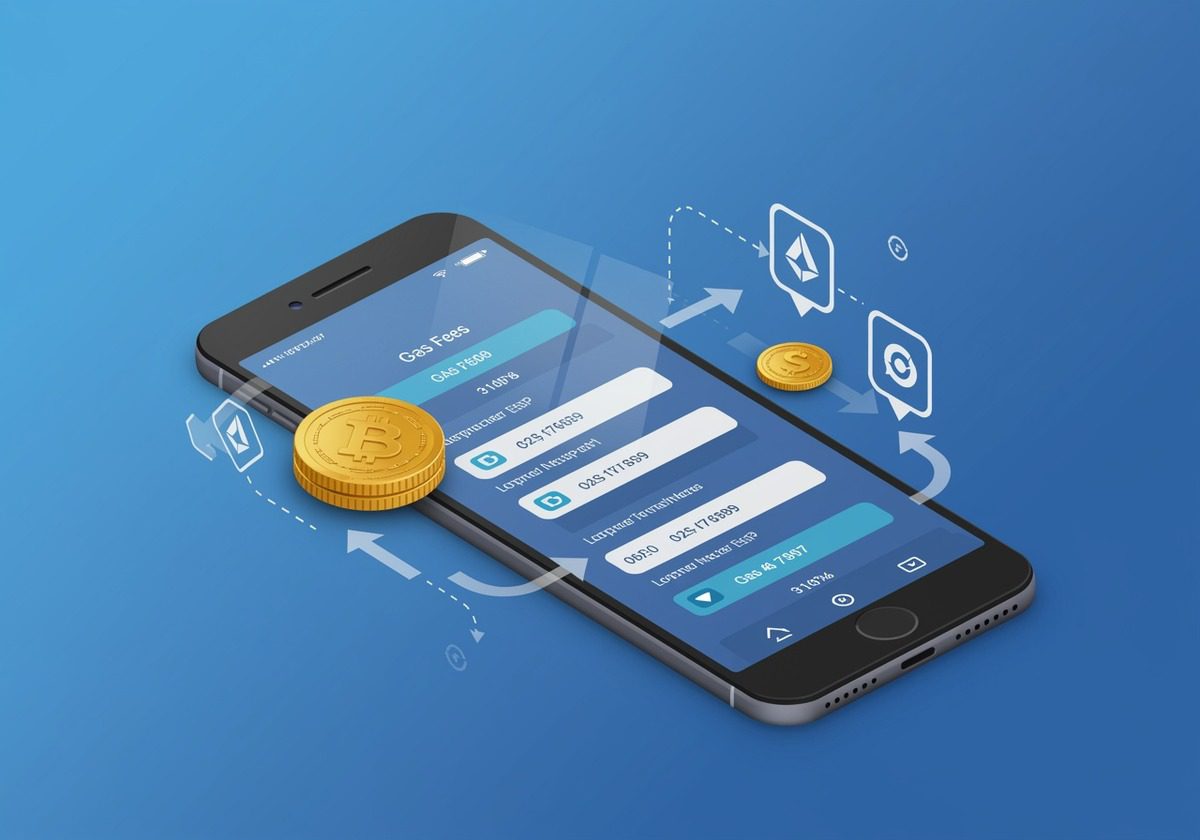
CRO acts as the digital fuel for the Cronos blockchain, functioning as both a currency for transaction fees and a tool for securing the network through staking. When you send tokens or use a decentralized app (dApp) on Cronos, you pay a small amount of CRO to process that action.
According to Crypto.com’s CRO explainer, the token helps power almost every function across their various chains.
Beyond simple transfers, CRO shows up as a utility token inside the broader Cronos ecosystem. It is commonly used as collateral for lending and liquidity provision in decentralized finance (DeFi) protocols.
This variety of uses means the token's value is tied to how many people are actually using the network's apps.
What’s the history of Cronos, from Crypto.com Coin to CRO?
Originally launched as “Crypto.com Coin,” CRO rebranded to reflect its role as the decentralized engine of the Cronos blockchain rather than just a company-specific token. This shift signaled a move toward a broader ecosystem where the token supports independent developers and NFT projects.
Most investors still associate it closely with the Crypto.com platform, even as its technical reach expands.
What matters most for you is the function: CRO is positioned as the network’s fee token. Industry summaries, such as Cube Exchange’s overview, describe CRO as a large-cap cryptocurrency with high trading availability.
This means it is generally easier to buy and sell compared to smaller, more obscure tokens.
How does the CRO token power the Cronos ecosystem?
The token powers the ecosystem by serving as the mandatory payment method for all network “gas” fees and as collateral for various DeFi protocols. In practice, if you want to swap assets or lend funds on a Cronos-based app, you must hold CRO to execute those smart contracts.
It is the literal entry ticket to the network's features. CRO also connects to real-world payment rails within its parent ecosystem.
For example, it facilitates mobile payments via Crypto.com Pay, where it covers the underlying costs of merchant transactions. This bridge between digital assets and retail shopping is one of its most unique features.
Cronos currently reaches a massive global audience through its association with mainstream crypto apps. According to Cronos.org, the network powers payments for millions of merchants and reaches over 150 million users.
While these numbers are impressive, they do not guarantee the token's price will go up, as market sentiment can change quickly.
What are the key benefits and tradeoffs of staking CRO?
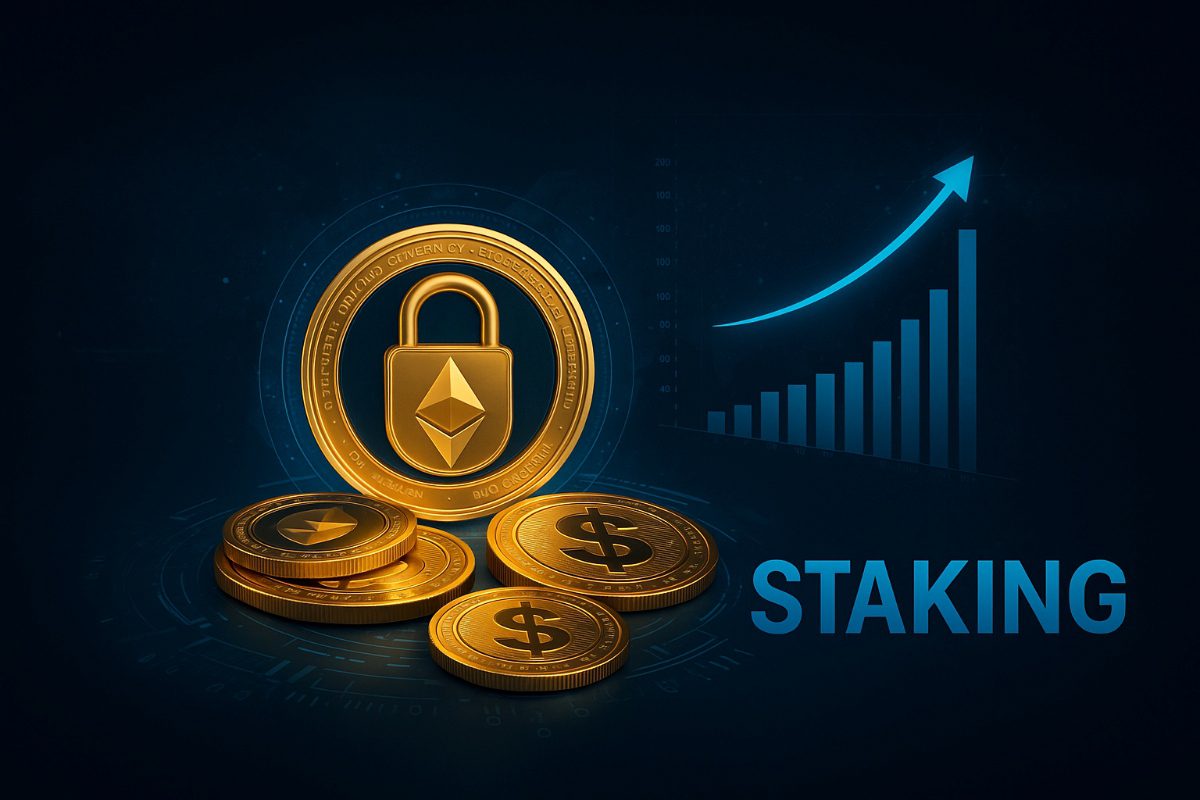
Staking CRO allows you to earn rewards and participate in network governance in exchange for locking up your tokens to help secure the blockchain. The trade-off is liquidity; once your tokens are staked, you usually cannot sell or move them instantly if the market price drops suddenly.
This “lockup period” is a major factor to consider before committing your funds. For consumers, the potential benefits and tradeoffs include:
- Potential upside: Staking can provide yield-like rewards paid in crypto and may offer perks like lower trading fees or better card rewards.
- Lockup risk: “Locked” tokens are stuck during the unbonding period, which means you can't react to market volatility or emergency cash needs.
- Protocol risk: Staking involves interacting with smart contracts, which can occasionally have bugs or vulnerabilities that hackers might exploit.
If you are comparing staking to a high-yield savings account, remember that crypto staking is not a bank deposit. The FDIC’s deposit insurance does not cover digital assets.
If the protocol fails or the platform goes under, you have no government safety net to recover your money.
What should you know about CRO tokenomics and supply?
CRO tokenomics are built around utility and scarcity, where the token’s value is driven by its necessity for transaction fees and its use as a reward for network participants. What actually matters here is that while the token is required to use the network, its demand can fluctuate based on how many people are using Cronos-based apps.
Rather than getting lost in complex supply charts, most successful investors focus on three questions: Is the token required for core actions like paying fees? Are there meaningful use cases beyond just trading on an exchange? Is the ecosystem growing or shrinking in terms of active users?
CRO checks the “required for fees” box and has clear utility in payments and DeFi. However, the price remains vulnerable to competition.
If another blockchain offers faster speeds or lower fees, users may migrate, reducing the demand for CRO.
How is CRO used for DeFi, rewards, and payments?
CRO functions as the primary liquidity pair and collateral asset in Cronos-based DeFi apps. In real terms, this means you might deposit CRO into a protocol to borrow a different stablecoin, or pair it with another token to earn a share of trading fees.
The mistake most people make is ignoring “impermanent loss,” which can happen when the price of CRO moves significantly while it's in a liquidity pool.
On the retail side, CRO is deeply integrated into reward structures. Many users hold the token to unlock higher cashback tiers on crypto-linked debit cards.
These rewards are often paid out in CRO, meaning the value of your “cashback” can rise or fall along with the market price of the token.
Always verify the current reward terms before buying. Reward structures for crypto cards and apps change frequently based on market conditions and regional regulations.
Don't assume the perks you see in an old advertisement are still active today.
Is CRO a good investment in 2026? Key opportunities and risks
CRO is considered a high-utility asset with significant ecosystem backing, but its value remains highly sensitive to the overall crypto market. What actually matters here is that CRO’s success is closely tied to the Cronos and Crypto.com ecosystem.
If the platform flourishes, the token often follows, but the reverse is also true. The risks you should weigh include:
- Market volatility: Like Bitcoin, CRO can experience double-digit price swings in a single day.
- Regulatory shifts: U.S. crypto rules are constantly changing, and new laws could impact how tokens like CRO are traded or taxed.
- Platform dependence: If the primary exchanges supporting CRO face technical issues or legal hurdles, it could be difficult to liquidate your position.
A practical approach is to treat CRO as a high-risk, high-reward component of a larger portfolio. Most financial experts suggest limiting crypto exposure to money you can afford to lose.
Never use your emergency fund or rent money to buy volatile digital assets.
How can you buy and securely store CRO tokens?
You can purchase CRO on most major crypto trading platforms and store it in either a centralized exchange account or a private wallet. For maximum security, long-term holders often move their CRO to a hardware wallet.
This removes the “exchange risk” of a platform being hacked or freezing your account.
| Exchange | Spot Trading Fees | Supported Coins | Learn More |
|---|---|---|---|
| Crypto.com | 0.075%
For both maker and taker orders. The more you trade, the lower the fees - can decrease to as low as 0% - 0.050%. Holding and staking CRO tokens, Crypto.com native token, unlocks additional fee discounts. |
+350 | Read Review |
| Coinbase | $0.99 - 2.00% (Standard), 0.05% - 0.60% (Advanced Trade)
For transactions above $200 (standard account): 1.49% fee for using a bank account or USD wallet, 3.99% fee for using a debit or credit card. For Coinbase Advanced Trade: 0.60% for taker trades and 0.40% for maker trades. The more you trade, the lower the fees - can decrease to as low as 0% - 0.05%. |
+250 | Read Review |
| Kraken | 0.40% - 0.25%
0.40% for taker trades and 0.25% for maker trades. The more you trade, the lower the fees - can decrease to as low as 0% - 0.10%. Using GT tokens to pay trading fees offers a 10% discount |
+300 | Read Review |
| Binance.US | 0.10%
For both maker and taker orders. The more you trade, the lower the fees - can decrease to as low as 0.04%. Users who pay fees using Binance Coin (BNB) receive a 25% discount |
+120 | Read Review |
Follow this safety-first checklist:
- Choose a reputable platform: Ensure the exchange is licensed in your state and use app-based two-factor authentication (2FA).
- Perform a test transfer: Before moving a large amount of CRO, send a tiny amount to your self-custody wallet to confirm the address is correct.
- Protect your seed phrase: If you use a private wallet, never share your 12 or 24-word recovery phrase with anyone.
- Verify the network: CRO can exist on different chains (like the Cronos POS chain or the Cronos EVM chain). Ensure you are sending to an address on the matching network.
- Log your transactions: Keep a spreadsheet of your purchase prices and dates for tax reporting purposes.
How does CRO compare to BNB?
CRO and BNB are both “exchange-adjacent” tokens that evolved into independent blockchain gas tokens, though BNB currently boasts a larger ecosystem and higher market capitalization. While both offer fee discounts and staking, CRO is more deeply integrated with retail payment rewards through its debit card features.
The trade-off is that BNB generally has higher trading volume and more developer activity on its network. Ultimately, your choice depends on which ecosystem you use more.
If you prefer the user interface and card perks of the Crypto.com app, CRO is the logical choice. If you are a heavy user of the Binance.US ecosystem, BNB might offer more practical utility for your specific needs.
The Bottom Line
CRO is the utility and gas token for the Cronos blockchains, used for transaction fees, staking, and activity across payments and DeFi. It can be useful if you actively use the Cronos ecosystem, but it is still a volatile crypto asset with platform, regulatory, and smart contract risks.
If you’re considering CRO, focus on secure storage practices, understand staking lockups, and keep your position size aligned with your risk tolerance.
