

KYC in crypto is the identity verification process platforms use to confirm you are who you say you are. In practice, this means providing personal information and documents, such as a government ID, before you can buy, sell, or move larger amounts of cryptocurrency.
This process matters because while crypto originated with a focus on anonymity, global regulators now treat most major exchanges like traditional financial institutions. This guide explains why KYC exists, what you’ll typically need to complete it, and the trade-offs between convenience, access, and privacy.
Key Takeaways
- Meaning: KYC (Know Your Customer) is an identity verification process crypto platforms use to confirm a user’s identity.
- Why it happens: KYC supports compliance with anti-money laundering (AML) rules and helps platforms screen for sanctions and higher-risk activity.
- What you provide: Most platforms ask for personal details plus a government-issued photo ID and often proof of address.
- What you get: Completing KYC can unlock higher limits, more features, and stronger account security options.
- What to watch: Sharing sensitive data creates privacy and breach risks, so it’s worth choosing platforms with strong security practices.
What does KYC stand for in the crypto world?
KYC stands for “Know Your Customer,” a standard regulatory procedure used to verify the legal identity of users on a platform. In crypto, it is a compliance process that major cryptocurrency exchanges and other financial platforms use to prevent fraud.
The goal is straightforward: confirm a real person is behind an account so the platform can operate legally and safely.

As CoinTracker explains, KYC is commonly used by cryptocurrency exchanges and financial institutions for compliance and security. While crypto is often described as “anonymous,” most large, U.S.-accessible platforms are not anonymous in practice once KYC is required.
This shift has turned many exchanges into “gatekeepers” between the traditional banking system and the blockchain.
Why do cryptocurrency exchanges require identity verification?
Exchanges require identity verification primarily to comply with federal anti-money laundering (AML) and “Counter-Terrorist Financing” (CTF) laws. KYC is a building block of these programs because it helps platforms verify that accounts are tied to real people and screen customers against global sanctions lists.
It also allows them to apply Enhanced Due Diligence (EDD) when a customer is flagged as higher risk.
Crypto platforms also have specific reporting responsibilities to the government. For example, U.S. crypto businesses are generally expected to file Currency Transaction Reports (CTRs) for transactions over $10,000 and Suspicious Activity Reports (SARs) when activity looks potentially illicit.
This is outlined in AMLBot’s overview of U.S. crypto compliance.
Even if you are a typical customer, those legal obligations influence how strict onboarding and monitoring must be. U.S. reporting requirements are also evolving, with the Infrastructure Act mandating more comprehensive reporting starting in 2026.
This will likely increase the number of platforms that require verification or expand the types of data they collect.
How does the KYC process work on major crypto platforms?
The KYC process typically follows a structured flow that begins during your initial sign-up and ends once a compliance officer or automated system approves your data. While details vary by exchange, you will usually move through these steps:
- Create an account: Provide your email or phone number and set up a password.
- Enter personal information: Input your legal name, date of birth, and physical address. Some providers may also request your Social Security Number (SSN) to validate your identity.
- Upload documents: Submit a clear photo of your government-issued ID.
- Liveness check: Take a quick selfie or video to match your face to the ID and reduce the risk of identity fraud.
- Verification and screening: Wait while the platform checks your info for authenticity and screens it against global watchlists.
- Access level assigned: Once approved, your account will be granted a specific “tier,” which determines your daily or monthly limits.
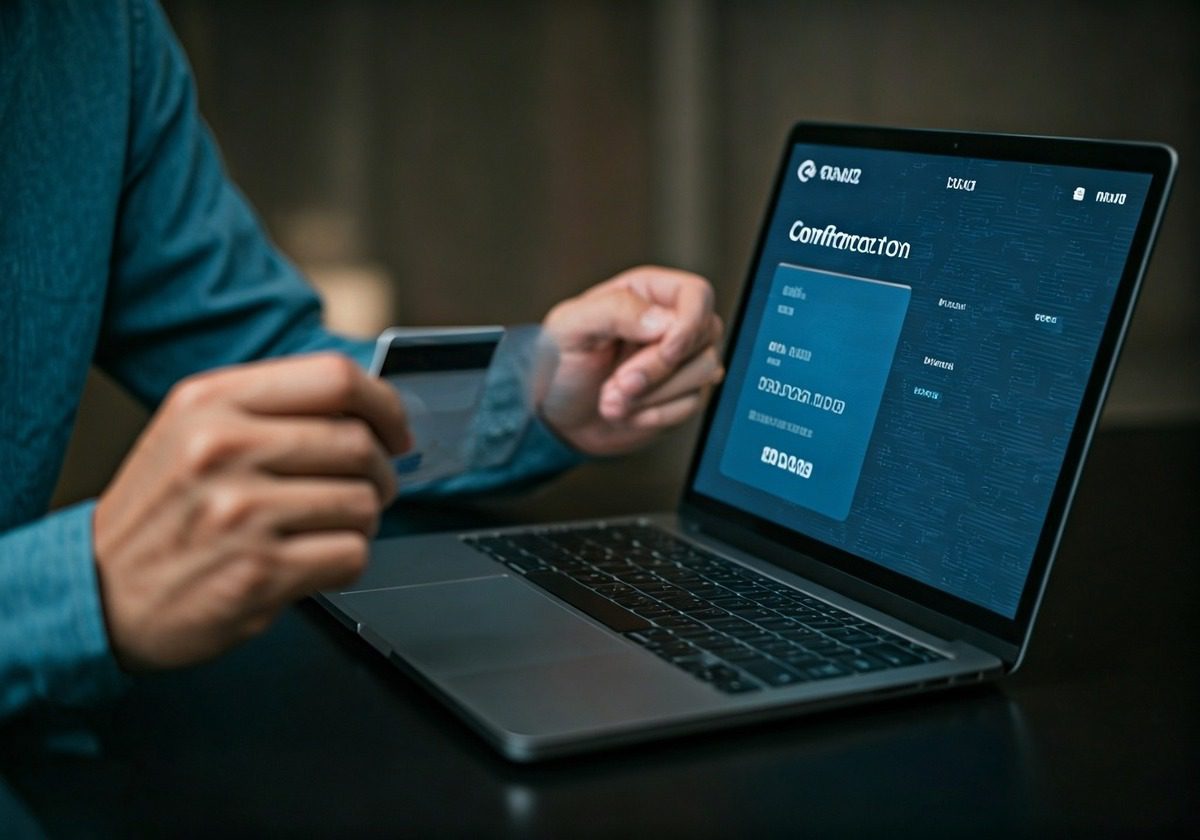
On the backend, identity checks may include validating submitted data against authoritative databases. Users can also manage their assets more effectively once they have chosen the right crypto wallet for their needs after completing their initial onboarding.
| Exchange | Trading Fees | Supported Coins | Learn More |
|---|---|---|---|
| Coinbase | $0.99 - 2.00% (Standard), 0.05% - 0.60% (Advanced Trade)
For transactions above $200 (standard account): 1.49% fee for using a bank account or USD wallet, 3.99% fee for using a debit or credit card. For Coinbase Advanced Trade: 0.60% for taker trades and 0.40% for maker trades. The more you trade, the lower the fees - can decrease to as low as 0% - 0.05%. |
+250 | Read Review |
| Kraken | 0.40% - 0.25%
0.40% for taker trades and 0.25% for maker trades. The more you trade, the lower the fees - can decrease to as low as 0% - 0.10%. Using GT tokens to pay trading fees offers a 10% discount |
+300 | Read Review |
| Gemini | $0.99 - 1.49% (Web & Mobile), 0.20% - 0.40% (Active Trader)
For Gemini’s website or mobile app users are charged 0.50% convenience fee For Active Trader, 0.40% for taker trades and 0.20% for maker trades. The more you trade, the lower the fees - can decrease to as low as 0% - 0.03%. |
+150 | Read Review |
| Binance.US | 0.10%
For both maker and taker orders. The more you trade, the lower the fees - can decrease to as low as 0.04%. Users who pay fees using Binance Coin (BNB) receive a 25% discount |
+120 | Read Review |
What documents are required for crypto KYC verification?
Most KYC requests are designed to answer two simple questions: who are you, and where do you live? To answer these, you will need to have specific documents ready to scan or upload.
Common requirements include:
- Government-issued photo ID: This is almost always a driver’s license or a passport.
- Proof of address: Most platforms require a utility bill or bank statement showing your name and current residence.
- Additional supporting info: Depending on the platform and risk level, you may be asked for your Social Security Number or a “source of funds” declaration.
Microblink notes that crypto KYC commonly involves these documents, as outlined in its overview of KYC for crypto. The mistake most people make is submitting images that are blurry or have “glare” from a camera flash, which triggers an automatic rejection.
If your verification fails, it is often because of mismatched names, an old address, or expired documents.
KYC vs. AML: What’s the difference for investors?
KYC and AML are related terms often used interchangeably, but they represent different parts of the compliance puzzle. The trade-off is that while KYC is the one-time “gate” you pass through, AML is the ongoing security fence surrounding the entire platform.
- KYC (Know Your Customer): These are the identity verification and customer risk assessment steps taken during onboarding.
- AML (Anti-Money Laundering): This is the broader set of policies designed to detect and prevent financial crime, including transaction monitoring and sanctions compliance.
In other words, KYC is a key component of AML compliance. Socure summarizes this relationship by noting that KYC helps platforms verify identities and assess risk as part of meeting larger AML expectations in crypto markets.
What are the benefits of completing KYC for crypto users?
Completing KYC can feel like a hurdle, but it provides several practical upsides for the average investor. In practice, most people find that the increased access to the market outweighs the inconvenience of the 10-minute signup process.
- Higher transaction limits: Many platforms restrict your ability to move large amounts of money until you verify.
- Access to more features: Certain services, like staking or specialized trading pairs, may be locked behind verification.
- Better account recovery: If you lose your password or 2FA device, having a verified identity makes it much easier to regain control of your funds.
- Reduced fraud risk: Identity checks make it harder for bad actors to create fake accounts and exploit the platform's liquidity.

From a consumer standpoint, the biggest day-to-day advantage is usually access. You will face fewer limits and fewer interruptions when you need to move money or crypto quickly.
What privacy risks should you consider before completing crypto KYC?
The main concern with KYC is that it requires you to share sensitive personal information that remains on the platform's servers. What actually matters here is how the company stores and protects that data over the long term.
- Data breaches: Copies of IDs and personal details are high-value targets for hackers.
- Mishandled data: You may have limited visibility into how long your data is stored or who within the company can access it.
- Targeted scams: If your personal data leaks, it can fuel highly convincing phishing and identity theft attempts.
Platforms aim to reduce these risks through encryption and third-party verification tools, but no system is perfectly secure. Practical steps you can take include using top-rated crypto apps that offer robust security features and clear data privacy policies.
Can you buy crypto without KYC verification?
You can sometimes buy crypto without verification, but these options are becoming increasingly rare and often carry significant trade-offs. Depending on the service and jurisdiction, you might find ways to access the market with reduced verification, but you should expect specific hurdles.
- Lower limits: You will likely face very small transaction caps or strict restrictions on withdrawals.
- Higher fees: Platforms that don't require KYC often charge a premium for the convenience and the risk they take on.
- Counterparty risk: Less regulated venues may offer fewer consumer protections if something goes wrong.
- Compliance risk: Rules can change overnight, and platforms can freeze your funds while demanding immediate verification.
For some investors, the goal is total privacy, which often leads them to explore buying bitcoin without KYC through peer-to-peer networks or specialized ATMs.
How might crypto identity verification change in the future?
Identity verification in crypto is evolving alongside new technology and fraud prevention methods. Many platforms are working to make verification faster and harder to spoof while still meeting strict federal compliance requirements.
Looking forward, the big idea consumers will likely hear more about is “decentralized identity.” This approach aims to let users prove certain facts about themselves, like “I am over 18,” without repeatedly handing over full document copies to every exchange they use.
Adoption will depend on global regulation, so for now, most U.S. consumers should expect traditional KYC flows to remain the norm.
The Bottom Line
KYC in crypto is the identity verification process many platforms use to comply with financial crime rules and manage risk. For you, completing KYC often unlocks higher limits and more features, but it also means sharing sensitive personal data.
Before you verify, make sure you are comfortable with the platform’s security and only provide information through official, secured channels.
Read More
