Solana is a blockchain network built for fast, low-cost transactions and for running apps like DeFi, NFTs, and other Web3 services. Its cryptocurrency, SOL, powers the network by paying transaction fees and supporting security through staking.
If you’re deciding whether to use or invest in Solana, what matters is simple, it’s designed to be quick and cheap to use, but it has a real track record of outages you should understand before you rely on it for trading, lending, or moving funds on a deadline.
Key Takeaways
- What Solana is: Solana is a high-performance, open-source blockchain built for speed, scale, and low transaction costs.
- What SOL does: SOL is used to pay transaction fees and can be staked to help secure the network and potentially earn rewards.
- Why Solana is different: Solana uses Proof of History (PoH) alongside Proof of Stake to process transactions quickly.
- What to watch for: Solana has a history of network outages, which is a real risk to understand before investing or using apps on the chain.
- How to approach it: If you buy SOL, focus on secure storage (self-custody wallets and safe key management) and risk sizing like any volatile asset.
Solana is a high-performance blockchain designed to reduce the common bottlenecks in older networks, slow transaction throughput, network congestion, and high fees. It’s positioned as a platform for developers building scalable applications, according to Solana’s documentation.
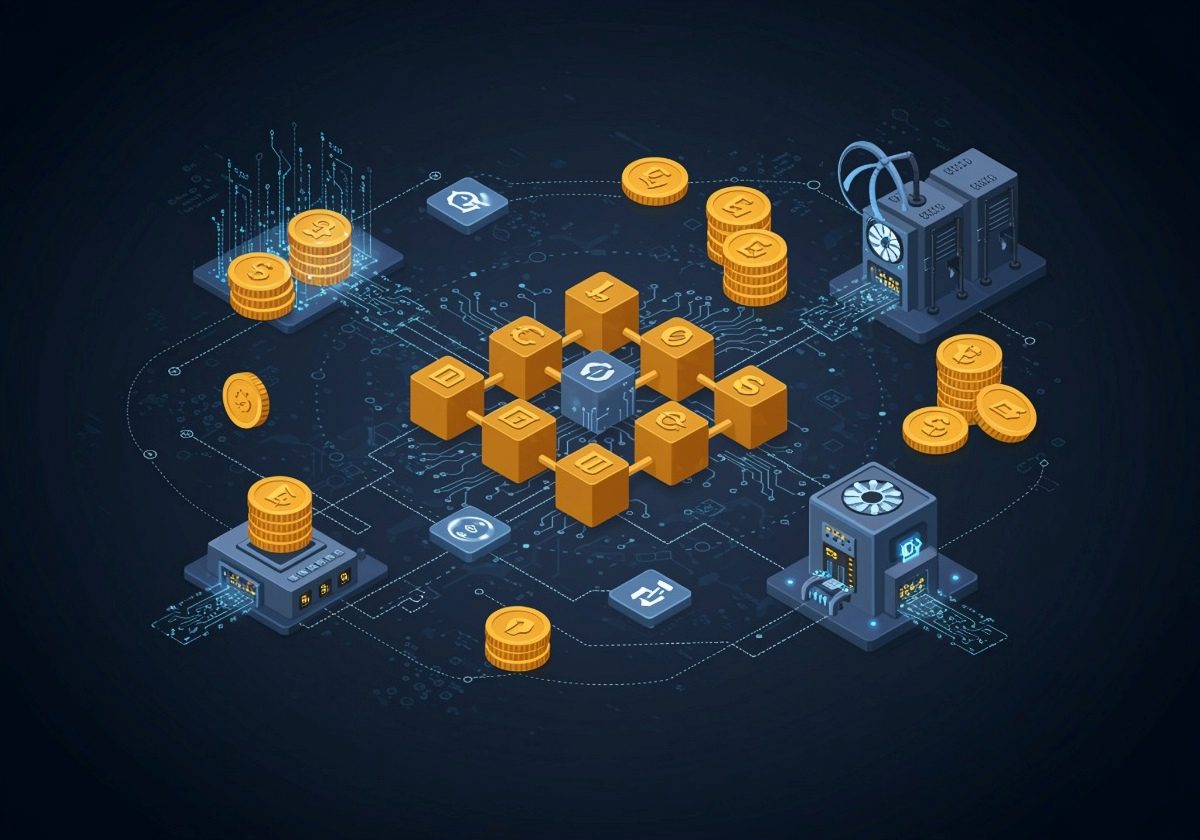
At a high level, it helps to understand how a blockchain works to see why Solana is different: users submit transactions, validators confirm them, and the network reaches agreement on the order of events. The trade-off is that Solana’s design prioritizes speed and capacity, aiming to keep fees low even when activity spikes.
Some industry sources cite Solana transaction speeds exceeding 65,000 transactions per second (TPS), supporting high-throughput use cases like DeFi, NFTs, and gaming.
What is Proof of History (PoH) and why does it matter?
Proof of History (PoH) is Solana’s method for establishing a verifiable order of events, which can reduce the coordination needed between validators. Instead of validators constantly messaging each other to determine what happened first, PoH provides a cryptographic way to establish a sequence of transactions.
In practice, PoH is meant to reduce overhead so the network can process transactions faster while maintaining a strong security posture. You can see this described in beginner explanations such as Blockchain.com’s overview of Solana.
Why this matters to you: faster ordering and confirmation can mean quicker trades, smoother app experiences, and potentially lower costs, especially when markets get busy.
What is the SOL token used for?
SOL is Solana’s native token, and it’s used for fees, staking, and incentives that keep the network running.
- Transaction fees: SOL pays fees for transfers and interactions with apps, like swapping tokens on a decentralized exchange.

- Network security (staking): SOL can be delegated in a Proof of Stake system. Staking Solana with validators helps secure the network and may earn rewards.
- Economic incentives: Token-based incentives encourage validators to run infrastructure and follow the rules.
What actually matters here is that SOL isn’t just a “price token”, it’s the asset you need to actively use Solana apps and pay for activity on the chain. As Coinmetro’s beginner guide notes, Solana was designed to address speed, scalability, and cost efficiency, which ties directly to why SOL is used widely across the ecosystem.
What can you do on Solana (NFTs, DeFi, and Web3 apps)?
Solana supports many of the most common crypto use cases:
- DeFi: Lending, borrowing, and learning how to invest in DeFi without traditional intermediaries.
- NFTs: Minting and trading digital collectibles, artwork, and in-game assets.
- Web3 apps: Wallets, games, social apps, and creator tools that use on-chain identity or token-based payments.
Because Solana is engineered for high throughput and low transaction costs, it’s often used for apps where users expect near-instant interactions. The mistake most people make is focusing only on speed while ignoring app-level risk, your experience can be great until a protocol, wallet, or link you interact with is the weak point.
Solana vs. Ethereum: what’s the difference for everyday users?
Solana and Ethereum are both major smart-contract platforms, but they can feel very different to use.
- Speed and fees: Solana is designed for high speed and low fees. Ethereum can become expensive during congestion, though Ethereum scaling solutions exist.
- Architecture: Solana’s PoH is a differentiator aimed at improving transaction ordering efficiency. Ethereum uses Proof of Stake, but without PoH.
- Ecosystem maturity: Ethereum has the longest track record and one of the deepest ecosystems. Solana has a large and growing ecosystem, but it’s generally considered newer.
- Reliability history: Solana has faced notable network outages in the past. For users, that can mean failed transactions, apps becoming temporarily unusable, or being unable to move funds when you want to.
If you mostly care about low-cost, fast interactions, like frequent swaps or gaming, Solana’s design may be appealing. If you value the most established base-layer ecosystem and longer operational history, Ethereum may feel more battle-tested.
Is Solana safe, and what about network outages?
Solana isn’t “safe” or “unsafe” in a simple way, you’re balancing security risks and reliability risks.
Security considerations: Losses often come from what you do on the chain, not only the chain itself. Wallet phishing, fake tokens, malicious links, and risky DeFi protocols can all cause losses even if the blockchain is functioning normally.
Reliability considerations (outages): Solana has had well-publicized network slowdowns and outages historically. That matters because reliability affects your ability to trade, repay loans, move funds between wallets, or exit positions during market stress.
A useful way to frame it: even if you’re comfortable with price volatility, operational risk, including outages, is a separate risk that can change real outcomes.
How do you buy, store, and stake SOL more safely?
Buying, holding, and staking SOL comes down to three decisions: how you access it, where you store it, and whether you want staking rewards.
Buying SOL (access):
- Researching where to buy Solana is the first step, as many U.S.-available crypto exchanges support SOL.
- Compare trading fees, withdrawal fees, and security features like strong login protection.
- Consider liquidity, higher liquidity can reduce the cost of entering and exiting positions.
| Exchange | Spot Trading Fees | Supported Assets | Learn More |
|---|---|---|---|
| Coinbase | $0.99 - 2.00% (Standard), 0.05% - 0.60% (Advanced Trade)
For transactions above $200 (standard account): 1.49% fee for using a bank account or USD wallet, 3.99% fee for using a debit or credit card. For Coinbase Advanced Trade: 0.60% for taker trades and 0.40% for maker trades. The more you trade, the lower the fees - can decrease to as low as 0% - 0.05%. |
+250 | Read Review |
| Crypto.com | 0.075%
For both maker and taker orders. The more you trade, the lower the fees - can decrease to as low as 0% - 0.050%. Holding and staking CRO tokens, Crypto.com native token, unlocks additional fee discounts. |
+350 | Read Review |
| Kraken | 0.40% - 0.25%
0.40% for taker trades and 0.25% for maker trades. The more you trade, the lower the fees - can decrease to as low as 0% - 0.10%. Using GT tokens to pay trading fees offers a 10% discount |
+300 | Read Review |
| Binance.US | 0.10%
For both maker and taker orders. The more you trade, the lower the fees - can decrease to as low as 0.04%. Users who pay fees using Binance Coin (BNB) receive a 25% discount |
+120 | Read Review |
Storing SOL (custody):
- Exchange custody: Convenient, but you rely on the platform’s security and policies.
- Self-custody (wallet): You control the private keys. Reviewing how to use a crypto wallet properly can help reduce third-party risk.
- Protect your recovery phrase offline and never share it.
Staking SOL (earning rewards):
- Staking typically involves delegating SOL to a validator, in exchange, you may earn staking rewards, usually net of validator commissions.
- Staking can add complexity: there may be lockups or delays in unstaking depending on how you stake and which wallet or platform you use.
For many consumers, a practical baseline is deciding whether you want long-term exposure, where staking might fit, or short-term trading, where flexibility may matter more.
What are the pros and cons of investing in Solana?
Solana’s biggest appeal is usability, but the trade-off is that you’re taking on the same core crypto risks plus Solana-specific reliability history.
Pros
- High performance design: Built for speed and scalability, supporting heavy app usage.
- Low transaction costs: Often attractive for frequent, smaller transactions.
- Large and active ecosystem: Strong presence across DeFi, NFTs, and Web3 apps.
- Growing market attention: Some research reports highlighted strong trading activity and fund inflows in 2025, reflecting continued investor interest.
Cons
- Outage history: Reliability issues can create real execution risk.
- Crypto volatility: SOL can be highly price-volatile, which can amplify gains and losses.
- Smart-contract and app risk: DeFi and NFT platforms can be exploited or fail, and users can lose funds.
- Regulatory uncertainty: U.S. crypto regulation continues to evolve, which can affect exchanges, staking services, and token access.
What is Solana’s future (including Firedancer) and what should you watch?
Solana’s long-term case depends on whether it can keep scaling while improving reliability. Firedancer is a validator client intended to improve performance and resilience by increasing client diversity.
For consumers, the most useful things to watch over time are practical signals: network uptime and stability, developer and user activity, and ecosystem safety.
Fewer outages and smoother performance under load are key indicators. You can track the project’s positioning in Solana’s official docs and get third-party summaries from sources like Caleb and Brown’s Solana explainer.
The Bottom Line
Solana is a fast, low-cost blockchain designed for high-throughput crypto applications, and SOL is the token used to pay fees and stake for network security.
The potential upside is a smoother user experience and a large app ecosystem, while the key tradeoffs include volatility and Solana’s history of outages.
If you’re considering SOL, focus first on safe custody, understanding staking mechanics, and sizing your risk appropriately for a speculative asset.
