Sui (often called “Sui crypto”) is a Layer 1 blockchain, meaning it runs its own base network for validating transactions and supporting apps without relying on another chain. It was developed by Mysten Labs and officially launched on May 3, 2023.
This matters if you are considering SUI as an investment or planning to use Sui-based apps. Newer networks tend to have a shorter track record for security, reliability, and real user adoption.
Key Takeaways
- What Sui is: Sui is a Layer 1 blockchain built for fast, low-cost transactions and app development.
- What makes it different: Sui uses an object-centric data model designed to help some transactions process efficiently and quickly.
- Who built it: Sui was developed by Mysten Labs, founded by former Meta engineers.
- What SUI does: SUI is the network’s native token used within the ecosystem for paying transaction fees and participating in network functions.
- What to watch: Like any crypto asset, SUI carries volatility, technology, and ecosystem adoption risks.
What is Sui (SUI) and what problem is it trying to solve?
Sui is a decentralized, permissionless Layer 1 blockchain designed to support a wide range of applications with a focus on low-latency and low-cost transactions. It aims to reduce common pain points on older blockchains, like congestion, slower confirmation times, and higher fees during peak usage.
Sui’s launch date matters because newer networks usually have less real-world testing. That does not automatically make them good or bad investments, but it does mean you should weigh maturity, tooling, and adoption alongside any upside case.
For a plain-English overview, Kraken’s educational guide describes Sui as engineered for near-instant and low-cost transactions. It also highlights its core design choices (see Kraken’s overview of the Sui network).
How does the Sui network work at a high level?
Sui handles its own validation and consensus and maintains its own ledger state. It is not an app on Ethereum or a token that depends on another chain’s security.
What actually matters here is that Sui’s security and performance come from its own validator set and design choices. One of Sui’s headline innovations is its object-centric data model.
This model treats assets and pieces of on-chain state more like distinct “objects” than a single global account balance model. When transactions touch different objects that do not conflict, the network can process them more efficiently.
Sui’s architecture is described in the network’s technical documentation at Sui’s official architecture docs. The chain is built to make common actions, like sending tokens, using apps, and minting NFTs, feel fast and inexpensive.
What is the Move programming language and why does it matter?
Move is the programming language used to build smart contracts on Sui, with a strong focus on how digital assets are created, owned, and transferred. You will not use Move directly as a consumer, but it can shape what kinds of apps get built.
Move’s asset-oriented design pairs naturally with Sui’s object-centric model. The trade-off is that developer adoption depends on whether teams want to learn and build in Move, which can influence how quickly the ecosystem grows.
If you are comparing blockchains, keep in mind that programming models affect developer adoption and the pace of app development. It can also affect the potential for bugs in early-stage apps.
How is Sui different from Ethereum and Solana?
Sui, Ethereum, and Solana all support smart contracts and decentralized apps, but they differ in architecture and maturity.
Ethereum is often viewed as the most established smart contract platform by developer activity and ecosystem depth. Its base layer has historically faced periods of congestion and higher fees, though its scaling approach includes Layer 2 networks.
Solana is known for high throughput and low fees with a different architecture than Ethereum. It has built a large consumer and NFT presence, but you should understand what is Solana and its specific tradeoffs.
Sui is a newer Layer 1 built around an object-centric data model and a focus on low-latency transfers. Its value proposition depends heavily on whether developers and users adopt the chain for real activity over time.
The mistake most people make is treating this as a purely technical comparison. For most buyers, the practical decision comes down to where liquidity, apps, and your own risk tolerance line up.
What is the SUI token used for, and what should you know about tokenomics?
SUI is the native cryptocurrency of the Sui network. Native tokens on Layer 1 chains typically serve a few core roles, including paying transaction fees and supporting network operations.
They also act as the unit of value across apps on the network. For those new to the space, it helps to understand the difference between coins and tokens when evaluating Layer 1 assets.
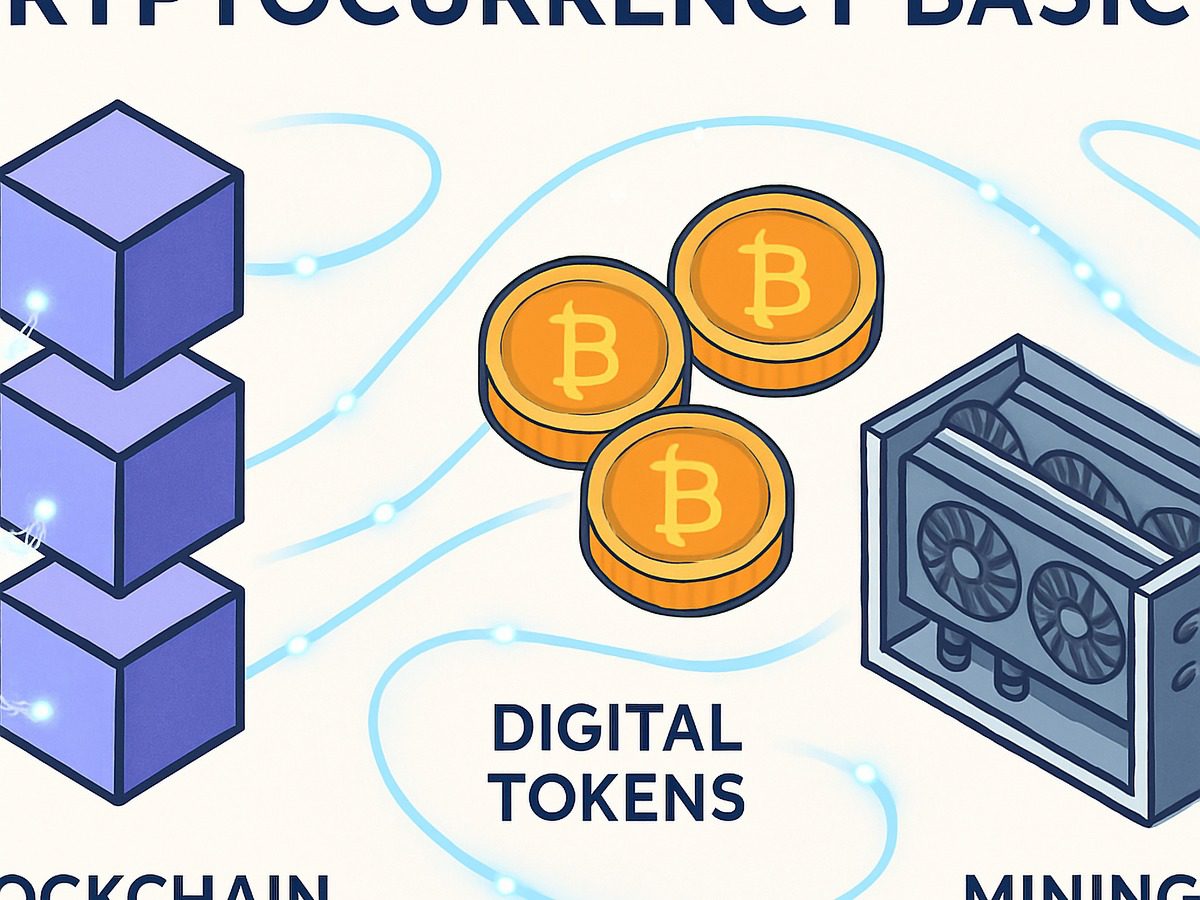
Tokenomics, meaning how supply is created and distributed, can materially affect price volatility. If you are considering SUI, look up official disclosures and confirm basics like supply limits and unlock schedules.
Rely on primary documentation and reputable exchanges’ asset pages for the latest data. CoinShares provides a consumer-friendly overview that includes launch and origin information (see CoinShares’ Sui guide).
What does the Sui ecosystem look like for DeFi and NFTs?
Sui supports many types of apps, including DeFi and NFTs, but its ecosystem is still developing. Many users are already exploring what an NFT is within this specific environment.
You can evaluate ecosystem health by checking if top apps are polished and transparent about risks. Also, look for meaningful usage beyond short-term incentives and check if major apps publish audits.
Mysten Labs plays a central role in ongoing development and tooling, which is common for newer networks. Central involvement can help bootstrap an ecosystem, but you should recognize concentration risk.
For an ecosystem-oriented explainer, CoinMarketCap’s educational article provides a broad overview of Sui’s positioning. You can find more details in CoinMarketCap’s guide to the Sui ecosystem.
How can you buy and store SUI cryptocurrency safely?
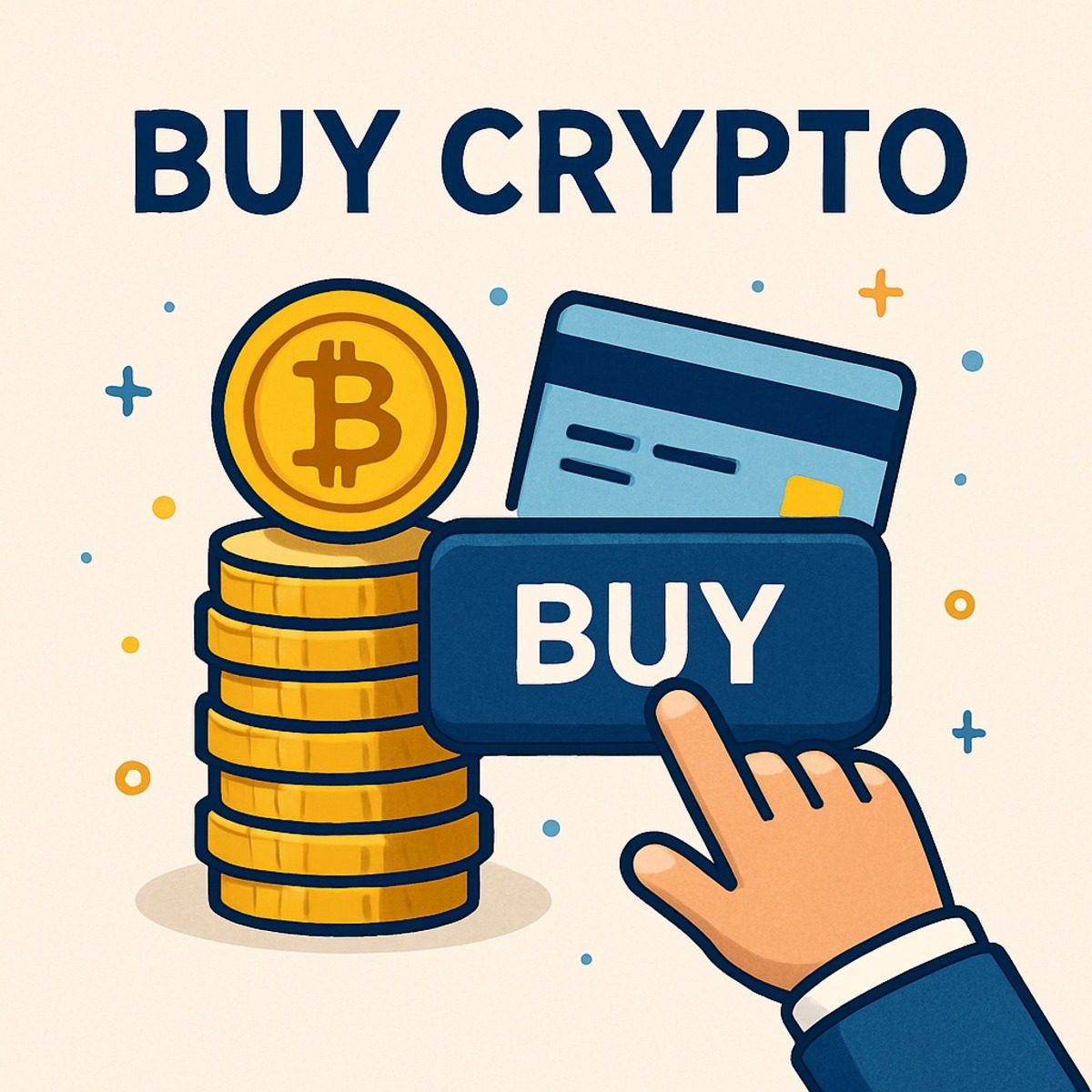
Most U.S. consumers buy SUI through a centralized crypto exchange that lists it. Many experts suggest reviewing the best crypto exchanges to help ensure you are using a secure, regulated platform.
| Exchange | Trading Fees | Supported Assets | Learn More |
|---|---|---|---|
| Coinbase | $0.99 - 2.00% (Standard), 0.05% - 0.60% (Advanced Trade)
For transactions above $200 (standard account): 1.49% fee for using a bank account or USD wallet, 3.99% fee for using a debit or credit card. For Coinbase Advanced Trade: 0.60% for taker trades and 0.40% for maker trades. The more you trade, the lower the fees - can decrease to as low as 0% - 0.05%. |
+250 | Read Review |
| Crypto.com | 0.075%
For both maker and taker orders. The more you trade, the lower the fees - can decrease to as low as 0% - 0.050%. Holding and staking CRO tokens, Crypto.com native token, unlocks additional fee discounts. |
+350 | Read Review |
| Kraken | 0.40% - 0.25%
0.40% for taker trades and 0.25% for maker trades. The more you trade, the lower the fees - can decrease to as low as 0% - 0.10%. Using GT tokens to pay trading fees offers a 10% discount |
+300 | Read Review |
Once purchased, you can either keep it on the exchange or move it to a self-custody wallet. A safer decision process involves comparing fees and security track records of different platforms.
Enable two-factor authentication and use a unique password to protect your account. Decide on custody based on your time horizon and comfort with security basics.
Exchange custody is convenient, but you rely on the platform’s security. Self-custody wallets offer more control, but you must protect your seed phrase carefully.
For long-term holding, many consumers prefer hardware wallets to reduce the risk of malware stealing keys. Ledger offers an educational overview of Sui that can help you understand network basics (see Ledger’s explanation of Sui).

Regardless of storage method, a good habit is to do a small test transfer first. Send the larger amount once you have confirmed the address and network are correct.
Is Sui crypto a good investment? Key risks and potential rewards
Whether SUI is a good investment depends on your goals and your baseline understanding of how to invest in crypto. Crypto assets can swing sharply in price, and newer networks can be especially volatile.
Potential rewards include a technology-driven thesis where Sui's object-centric approach supports compelling consumer apps. If the network attracts developers and users, demand for the token may rise through increased activity.
Key risks include adoption risk, as technically strong chains can still fail to attract a user base. Even if the base chain is solid, individual apps can have bugs, exploits, or flawed incentives.
SUI’s price may move with broader crypto sentiment, and liquidity can dry up quickly during downturns. Phishing, fake wallets, and impersonation scams are also common risks in the ecosystem.
If you are considering investing, it helps to set guardrails in advance. Determine how much you can afford to lose and what would make you sell.
What is Sui’s outlook for 2024-2025 and beyond?
As of 2026, Sui’s long-term outlook hinges on execution, including sustained developer adoption and real user activity. Roadmaps can clarify priorities, but they are not guarantees of future success.
A practical way to track progress is to check whether major apps are retaining users. You should also monitor whether new tooling is shipping and if the chain remains fast and low-cost.
The Bottom Line
Sui is a Layer 1 blockchain built around an object-centric design and the Move programming language. It was launched in 2023 by Mysten Labs to support fast, low-cost transactions and apps.
If you are interested in SUI, focus on fundamentals like where you buy and how you store it. Treat any single-chain bet as a high-volatility decision within your broader financial plan.
