

USD Coin (USDC) is a digital dollar designed to maintain a value of exactly $1.00 at all times. It offers a way to move money quickly across the globe without the wild price swings usually associated with cryptocurrencies like Bitcoin.
In practice, USDC acts as a bridge between traditional banking and the blockchain. This matters because it allows you to hold digital assets that are stable enough for everyday transactions, international payments, or earning interest on decentralized platforms.
While it’s more efficient than a traditional bank transfer, the trade-off is that it lacks government-backed insurance.
Key Takeaways
- 1:1 Backing: Every USDC token in circulation is backed by an equivalent value of U.S. dollar-denominated assets held in regulated financial institutions.
- Transparency: The issuer, Circle, provides monthly third-party attestations to prove that reserves are sufficient to cover every token.
- Utility: USDC is primarily used for trading, international remittances, and earning interest in decentralized finance (DeFi) protocols.
- Regulatory Focus: USDC is generally considered one of the more compliant and transparent stablecoins available to U.S. consumers.
What Is USDC and How Does It Work?
USDC is a fiat-collateralized stablecoin, meaning its value is backed by traditional money held in a bank. It operates on several different blockchain networks, including Ethereum, Solana, and Avalanche.
This allows you to send “dollars” anywhere in the world 24/7 without waiting for a bank to open. The process of creating USDC is known as “minting.”
When you want to acquire USDC, you send U.S. dollars to a verified issuer like Circle. Once the fiat currency is received and verified, the issuer creates the equivalent amount of USDC and sends it to your digital wallet.
Conversely, when you want to cash out, you send your USDC back to the issuer. The issuer then “burns” or permanently destroys those tokens and sends the equivalent amount of U.S. dollars back to your bank account.
This mechanism ensures that the supply of tokens always matches the value of the reserves.
How Does USD Coin Maintain Its 1:1 Dollar Peg?
USDC maintains its $1.00 peg by holding an equivalent amount of highly liquid U.S. dollar assets in reserve for every token issued. These assets consist primarily of cash and short-term U.S. Treasuries, which are considered among the safest and most liquid in the world.
Transparency is a major factor in maintaining investor confidence. According to Circle’s transparency reports, these reserves are managed by leading financial institutions like BlackRock and BNY Mellon.
These monthly reports allow the public to verify that the money exists. If the market ever doubts that the reserves are there, the price could “de-peg” and drop below $1.00.
To prevent this, USDC shifted its strategy in 2021 to ensure reserves were strictly held in cash and government debt. This move avoided the risks associated with corporate bonds or commercial paper.
Who Issues USDC?
Circle Internet Financial issues and manages USDC, originally launching the asset in 2018 in collaboration with the Coinbase cryptocurrency exchange. While they initially formed the Centre Consortium to govern the asset, Circle has since taken over the primary responsibilities for its management.
Unlike Bitcoin, which has no central leader, USDC is a centralized asset. This means there is a specific company that is accountable to regulators and users.
Circle is a regulated money transmitter in the U.S., which requires it to follow strict anti-money laundering (AML) and “know your customer” (KYC) rules. The centralized nature of stablecoin issuers allows for a level of oversight not possible with traditional cryptocurrencies.
However, as noted in a Federal Reserve discussion on digital assets, this also introduces a single point of failure. If the company faces legal or financial trouble, the asset could be impacted.
USDC vs. USDT: What Are the Key Differences?
The main differences between USDC and Tether (USDT) lie in their regulatory philosophy and the transparency of their reserves. While both aim to stay at $1.00, they serve slightly different niches in the crypto ecosystem.
- Transparency: USDC provides monthly attestations from major accounting firms like Deloitte. Tether has faced criticism in the past for being less clear about the exact composition of its reserves, though it remains the most widely used stablecoin globally.
- Regulation: Circle is a U.S.-based company that actively seeks to comply with American financial regulations. Tether is based outside of the U.S. and has historically had a more contentious relationship with American regulators.
- Market Use: As Investopedia comparison data suggests, USDT often has higher trading volume on international exchanges. USDC is more common among institutional investors and U.S.-based DeFi users who prioritize compliance.
Is USDC Safe?
USDC is considered one of the safer stablecoins, but it is not a bank account and does not come with government insurance. It is not protected by the FDIC or NCUA.
If Circle were to fail, there is no guarantee that you would get your money back. In practice, the asset faced its biggest test in March 2023 during the collapse of Silicon Valley Bank (SVB).
Circle held a portion of its cash reserves at SVB, leading to a temporary de-peg where the price dropped to approximately $0.88. The price recovered quickly once the U.S. government stepped in to protect depositors.
What actually matters here are the secondary risks that come with digital assets:
- Smart Contract Risk: Errors in the blockchain code could lead to lost funds.
- Regulatory Risk: New laws could change how stablecoins are allowed to operate in the U.S.
- Centralization Risk: Circle has the power to “freeze” tokens in specific wallet addresses if they are suspected of illegal activities.
How to Use USDC for Trading and Passive Income?
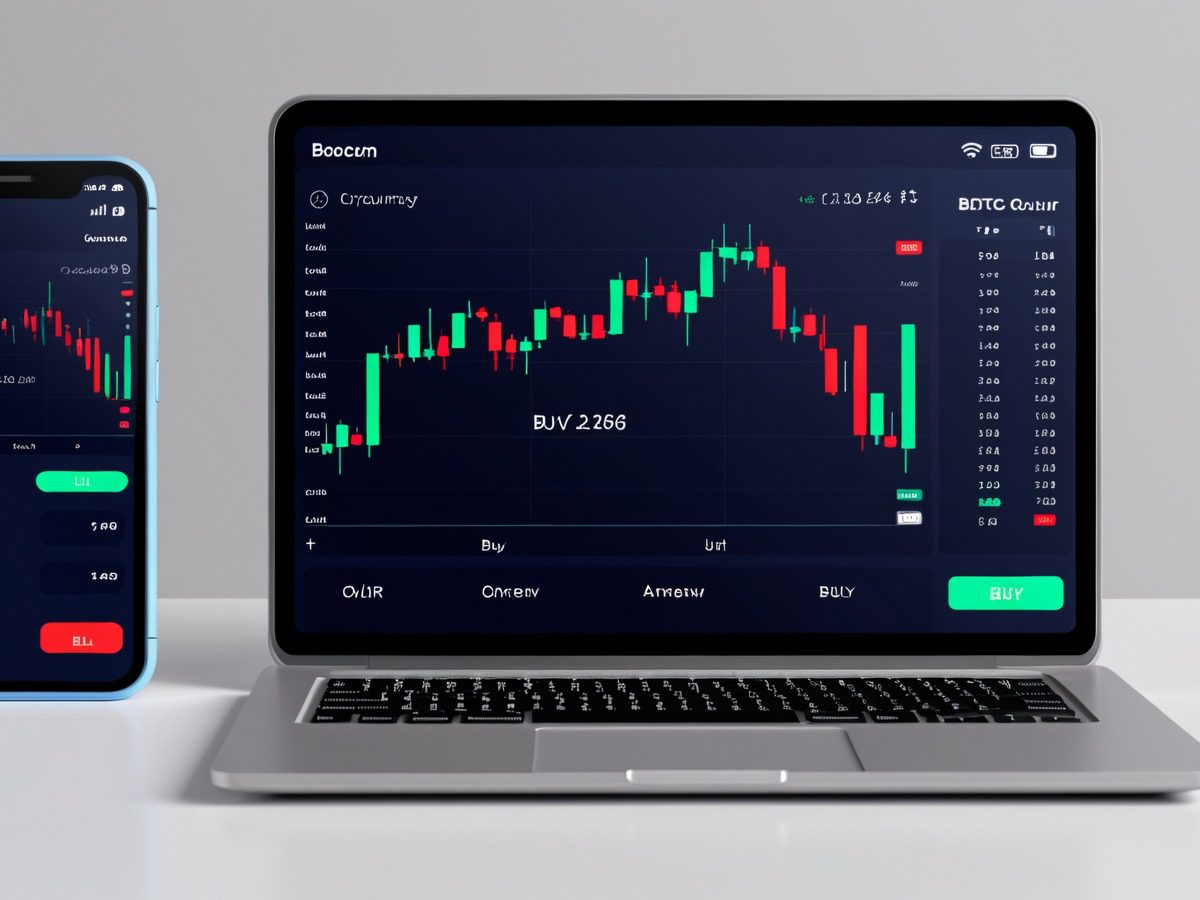
Investors use USDC as a “safe harbor” to park their funds during periods of high market volatility. By moving funds from Bitcoin into USDC, you can lock in your gains in dollar terms without moving your money back to a traditional bank.
Trading: USDC is a primary “base pair” on most exchanges. This means you can trade it directly for hundreds of other cryptocurrencies.
Remittances: Sending money abroad via traditional banks can be slow and expensive. Sending USDC across a blockchain can take minutes and cost a fraction of the price of a wire transfer.
Passive Income: In the world of Decentralized Finance (DeFi), you can lend your USDC to other users through platforms like Aave or Compound. In return, you earn interest.
However, be aware that these platforms carry their own risks, including potential hacking or insolvency.
Where to Buy and Store USDC Safely?
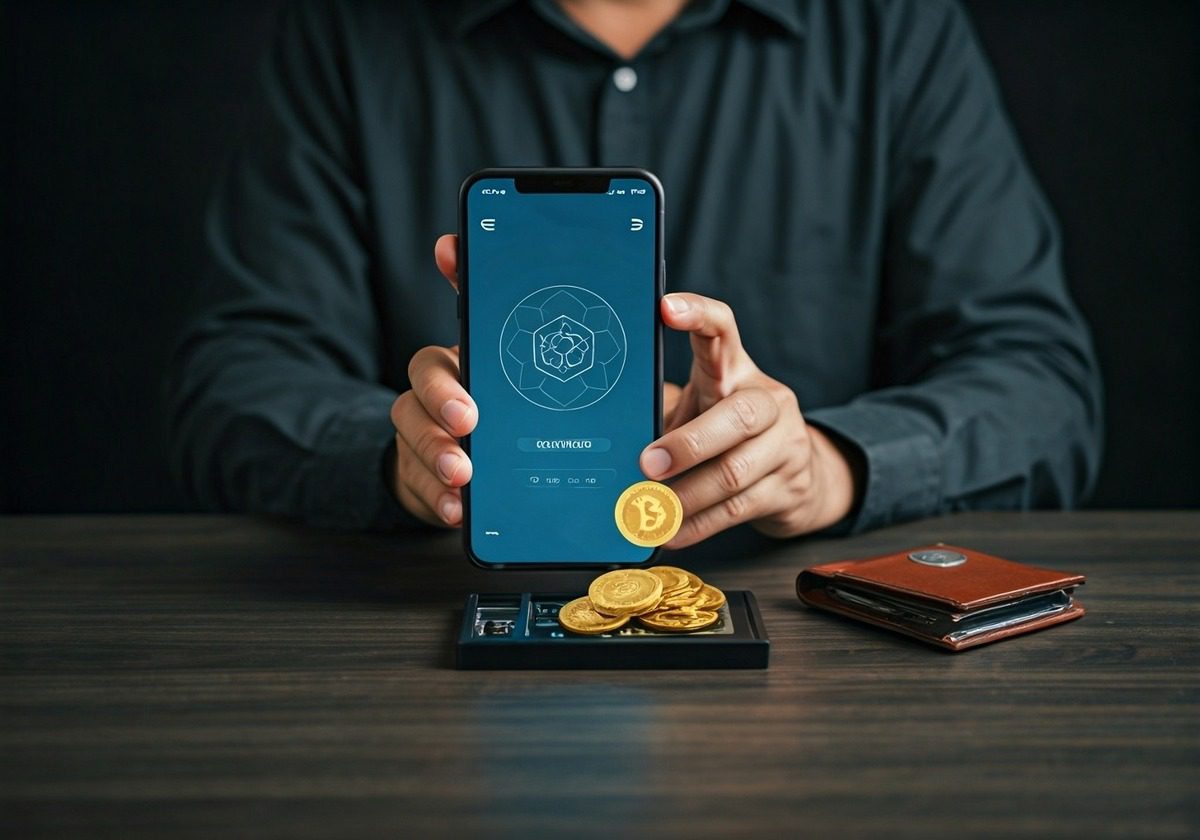
You can buy USDC on almost every major cryptocurrency exchange and store it in several types of digital wallets depending on your security needs.
Buying USDC
- Centralized Exchanges: Apps like Coinbase, Kraken, or Gemini allow you to link a bank account and buy USDC directly.
- Brokerages: Some traditional fintech apps, such as Robinhood, also offer USDC.
| Exchange | Spot Trading Fees | Supported Coins | Learn More |
|---|---|---|---|
| Coinbase | $0.99 - 2.00% (Standard), 0.05% - 0.60% (Advanced Trade)
For transactions above $200 (standard account): 1.49% fee for using a bank account or USD wallet, 3.99% fee for using a debit or credit card. For Coinbase Advanced Trade: 0.60% for taker trades and 0.40% for maker trades. The more you trade, the lower the fees - can decrease to as low as 0% - 0.05%. |
+250 | Read Review |
| Kraken | 0.40% - 0.25%
0.40% for taker trades and 0.25% for maker trades. The more you trade, the lower the fees - can decrease to as low as 0% - 0.10%. Using GT tokens to pay trading fees offers a 10% discount |
+300 | Read Review |
| Gemini | $0.99 - 1.49% (Web & Mobile), 0.20% - 0.40% (Active Trader)
For Gemini’s website or mobile app users are charged 0.50% convenience fee For Active Trader, 0.40% for taker trades and 0.20% for maker trades. The more you trade, the lower the fees - can decrease to as low as 0% - 0.03%. |
+150 | Read Review |
Storing USDC
- Exchange Wallets: These are convenient for frequent traders but carry higher risk if the exchange itself is compromised.
- Self-Custody Wallets: Using a software wallet or a hardware wallet gives you total control over your funds.
- Institutional Custody: For high-net-worth individuals, specialized firms provide secure storage for large amounts of digital assets.

Pros and Cons of Holding USD Coin Today
Pros:
- Stability: You avoid the wild price swings of the broader crypto market.
- Speed: Transactions settle much faster than traditional ACH or wire transfer systems.
- Accessibility: The network is open 24/7, unlike the traditional banking system which closes on weekends.
- Yield Potential: It often offers higher interest rates through DeFi lending than traditional savings accounts.
Cons:
- No FDIC Insurance: Your digital dollars are not backed by the government.
- Centralization: A single company has control over the asset and can freeze specific wallets.
- Inflation: Since it is pegged to the dollar, USDC loses purchasing power over time just like physical cash.
The Bottom Line
USDC offers a way to interact with the digital economy without the volatility of traditional cryptocurrencies. The mistake most people make is treating it exactly like a bank account.
It is a private financial product that lacks the safety nets of regulated banking. If you choose to hold USDC, do so with an understanding of the issuer's reserves and the specific risks of the digital wallets you use.
