
XLM is the cryptocurrency that powers the Stellar network, a blockchain built to move money and other assets quickly and at low cost, especially across borders. Think of Stellar as the rails, and XLM (called “lumens”) as the built-in token that helps those rails run smoothly.
This guide explains what XLM is, how Stellar works, and what people use it for. It also covers how it compares with XRP and the practical basics of buying and storing XLM.
Key Takeaways
- What XLM is: XLM (lumens) is the native token of the Stellar network, used to support transactions and help prevent network spam.
- What Stellar is for: Stellar is an open-source, decentralized network aimed at making cross-border payments and asset transfers easier.
- How it reaches agreement: Stellar uses the Stellar Consensus Protocol (SCP), a consensus method that doesn’t rely on crypto mining.
- XLM vs. XRP: They’re often compared, but Stellar generally targets broader consumer and developer use cases, while XRP is commonly associated with financial-institution-focused payments.
- What to do before buying: Understand custody choices (exchange vs. self-custody), fees, and crypto risks like volatility and irreversible transactions.
What is XLM crypto, and how does it work?
XLM is the native cryptocurrency of the Stellar blockchain. On Stellar, you can create and transfer digital representations of value, including tokens that represent currencies.
Stellar also has its own built-in asset, the lumen (XLM). According to Stellar’s explanation of lumens, the network was created to support digital representations of any currency, with XLM serving as the native token.
In practice, XLM tends to show up in a few ways:
- Transaction costs: It can help pay transaction-related costs on the network.
- Bridge asset: It can act as a “bridge” asset in transfers, helping convert from one asset to another in a multi-step transaction.
- Spam deterrence: It helps deter spam by making it non-trivial to flood the network with transactions, a role described in educational overviews like Capital.com’s Stellar guide.

If you’re a consumer, what actually matters here is simple: Stellar is built to move value, and XLM is part of the mechanism that helps that happen.
What is the Stellar network’s purpose and background?
Stellar is an open-source, decentralized, peer-to-peer network designed to make it easier to move money between countries and currencies. Multiple educational summaries highlight this cross-border focus, including CoinFlip’s overview of Stellar.
While many blockchains emphasize smart contracts, NFTs, or being a “store of value,” Stellar’s identity is more about payments and asset issuance. It’s often discussed in the context of remittances, low-cost transfers, and creating tokens that represent real-world currencies or other assets.
For you as an investor, the mistake most people make is treating that “payments focus” like a guarantee the token will perform. It’s just the use case, the market still decides the price.
How does Stellar Consensus Protocol (SCP) work, in plain English?
Stellar Consensus Protocol (SCP) is Stellar’s method for getting the network to agree on which transactions are valid, without proof-of-work mining. Every blockchain needs consensus, otherwise balances and transaction history wouldn’t stay consistent.
Instead of having miners compete to add blocks, SCP uses a trust-based approach (often described through “quorums” and “quorum slices”). The network reaches agreement based on overlapping sets of trusted participants.
Beginner takeaway: Stellar does not depend on energy-intensive mining to confirm transactions, and it’s designed for fast finality and payments-style throughput. The trade-off is that understanding who the network relies on, and how consensus participants are chosen, can matter when you’re evaluating decentralization and resilience.
What are the primary use cases for Stellar Lumens (XLM)?
XLM’s uses mostly connect to the Stellar network’s broader purpose, moving value efficiently.
Commonly cited uses include:
- Cross-border payments: Stellar is frequently positioned as infrastructure for international transfers where cost and speed matter. Educational guides emphasize that it aims to make cross-border transactions fast and low-cost, such as Codewave’s Stellar Lumens primer.
- Asset transfers and tokenized value: Stellar supports the creation and movement of digital representations of currency and other assets. This is core to Stellar’s design, as described in Stellar’s own educational materials.
- Bridge currency functionality: In some transactions, XLM can act as an intermediary asset used to route or facilitate exchanges between two assets, a role commonly noted in market guides like Capital.com’s overview.
- Anti-spam role: Some overviews note XLM’s role in helping deter spam transactions on the network, because using the network is not meant to be completely free.
If you’re considering XLM as an investment, separate “utility on the network” from “token price appreciation.” A token can be useful and still volatile.
XLM vs. XRP: what’s the difference for everyday investors?
XLM and XRP are often compared because they’re both associated with payment-focused blockchain networks and are frequently framed as competitors.
A common, high-level distinction in educational explainers is:
- XRP: Often framed around payments infrastructure for banks and financial institutions.
- XLM (Stellar): Often framed as aiming for broader accessibility, including consumer-friendly transfers and open network participation.
That said, the practical investing reality is that both assets can behave like other cryptocurrencies. Prices can swing significantly, narratives can change quickly, and regulatory headlines can move markets.
If you’re choosing between them as a beginner, use a simple filter: which ecosystem, adoption path, and real-world usage story do you actually understand and think is more likely to persist? Also consider concentration risk, don’t let a single token dominate your financial plan.
How can you buy and safely store XLM tokens?
Most U.S. consumers get XLM through a crypto exchange or trading platform that lists it. The typical flow looks like:
1. Choose a platform: Compare trading fees, spreads, security history, and whether the platform lets you transfer XLM off-platform to your own wallet.
| Exchange | Spot Trading Fees | Supported Coins | Learn More |
|---|---|---|---|
| Coinbase | $0.99 - 2.00% (Standard), 0.05% - 0.60% (Advanced Trade)
For transactions above $200 (standard account): 1.49% fee for using a bank account or USD wallet, 3.99% fee for using a debit or credit card. For Coinbase Advanced Trade: 0.60% for taker trades and 0.40% for maker trades. The more you trade, the lower the fees - can decrease to as low as 0% - 0.05%. |
+250 | Read Review |
| Gemini | $0.99 - 1.49% (Web & Mobile), 0.20% - 0.40% (Active Trader)
For Gemini’s website or mobile app users are charged 0.50% convenience fee For Active Trader, 0.40% for taker trades and 0.20% for maker trades. The more you trade, the lower the fees - can decrease to as low as 0% - 0.03%. |
+150 | Read Review |
| Kraken | 0.40% - 0.25%
0.40% for taker trades and 0.25% for maker trades. The more you trade, the lower the fees - can decrease to as low as 0% - 0.10%. Using GT tokens to pay trading fees offers a 10% discount |
+300 | Read Review |
| Crypto.com | 0.075%
For both maker and taker orders. The more you trade, the lower the fees - can decrease to as low as 0% - 0.050%. Holding and staking CRO tokens, Crypto.com native token, unlocks additional fee discounts. |
+350 | Read Review |
2. Fund your account: Often via bank transfer or debit card, depending on what the platform supports.
3. Buy XLM: You’ll place a market or limit order, similar to stock trading mechanics.
4. Decide how to store it:
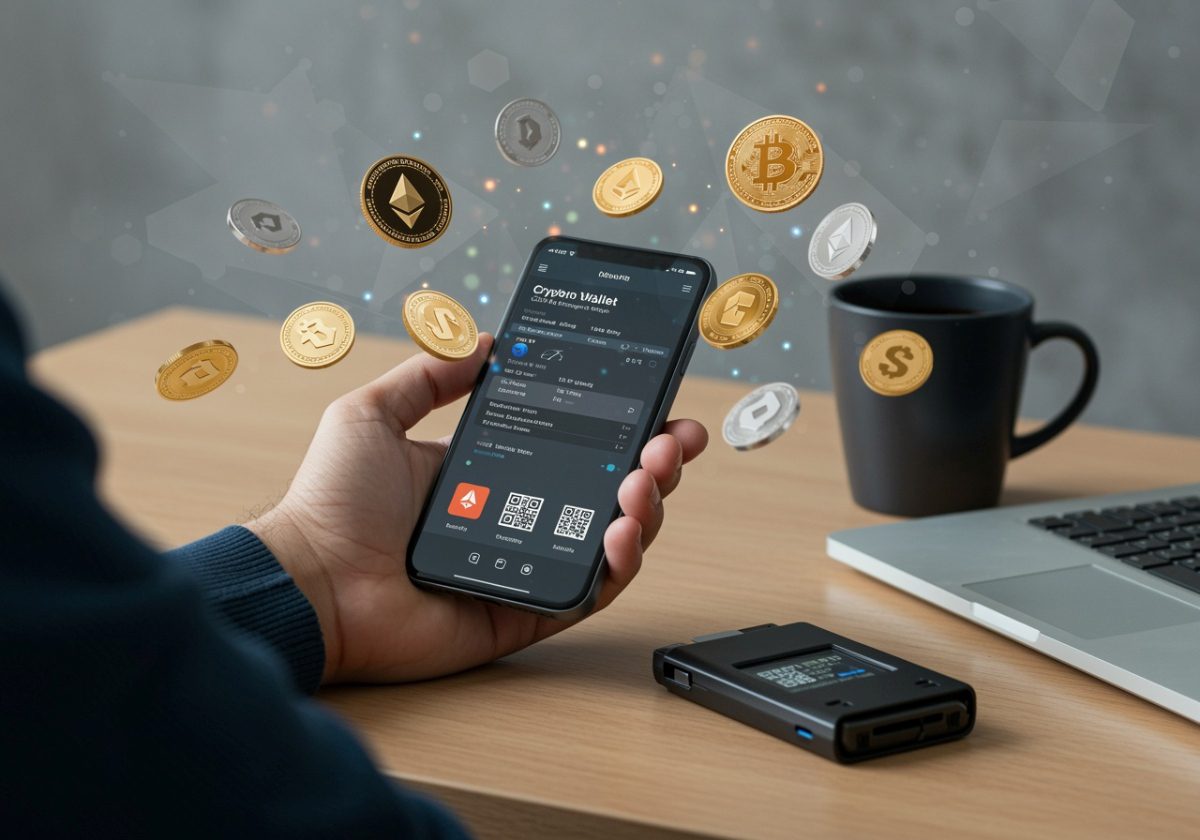
- Custodial storage (on an exchange): Convenient, but you’re trusting the platform with custody.
- Self-custody (your own wallet): More control, but you’re responsible for choosing a secure wallet to protect your private keys or recovery phrase.
Two safety basics matter for beginners:
- Irreversible transactions: Crypto transactions are typically irreversible. If you send funds to the wrong address, you may not be able to get them back.
- Account security: Use strong passwords, unique logins, and multi-factor authentication. Consider whether a hardware wallet makes sense if you plan to hold meaningful amounts long term.

Is XLM a good investment in 2026? What are the main risks and potential rewards?
Whether Is XLM a good investment depends on your goals, time horizon, and risk tolerance. As with most cryptoassets, XLM can be highly volatile, and its long-term value depends on adoption of the Stellar network.
Potential upsides (general, not guaranteed):
- Utility-driven narrative: Stellar is explicitly built around payments and asset transfer, and XLM has defined roles within that ecosystem.
- Network adoption potential: If more apps, payment flows, or tokenized assets use Stellar, demand for the ecosystem could rise.
Key risks to weigh:
- Price volatility: Crypto prices can move dramatically on sentiment, liquidity, and macro risk appetite.
- Regulatory uncertainty: U.S. rules and enforcement priorities can change and affect exchanges, token availability, and investor access.
- Technology and competition risk: Payments is a crowded space, including traditional systems and other blockchains.
- Custody and security risk: Hacks, phishing, and lost keys are still common failure points for retail holders.
A practical approach is to treat XLM like a high-risk asset. Consider position sizing, diversification, and whether you can hold through large drawdowns without needing the money.
What should you watch next if you’re considering Stellar?
If you’re evaluating XLM beyond the basics, focus on signals that matter for real-world usefulness, not just price charts. Are developers building payment, wallet, or tokenization tools on Stellar?
Is Stellar being used for cross-border transfers or asset issuance in ways that create sustainable demand? Check if the Stellar ecosystem provides clear documentation about how the network works and what XLM does, such as Stellar’s lumen resources.
Before buying, it can help to write down a simple plan. Note why you’re buying, what would make you sell, and how you’ll store it securely to prevent common beginner mistakes.
The Bottom Line
XLM is the native token of the Stellar network, a blockchain built for moving money and tokenized assets efficiently. For beginners, the decision usually comes down to whether you believe in Stellar’s payments-focused use case and whether you’re comfortable with crypto’s volatility. If you do buy XLM, prioritize secure storage and only risk money you can truly afford to lose.
Read More
