
XRP is a cryptocurrency that runs on the XRP Ledger (XRPL), a blockchain-like network built to move value quickly and at low cost. It is most often discussed in the context of cross-border payments and the company Ripple, which builds payment technology that can use XRP.
What this means for you is simple: if you’re looking at XRP as an investment or a way to move money, you need to understand the difference between the XRP token, the network it runs on, and Ripple’s business, because that’s where most confusion, and risk, comes from.
Key Takeaways
- What it is: XRP is the native digital asset of the XRP Ledger, built for fast, low-cost transactions.
- Ripple vs. XRP: Ripple is a company; XRP is a cryptocurrency. They’re related but not the same thing.
- No mining: The XRP Ledger uses a consensus mechanism instead of proof-of-work mining.
- Payments focus: XRP is commonly associated with cross-border payments and liquidity for money transfers.
- Regulatory risk matters: XRP’s legal and regulatory status has been a major factor for availability on exchanges and investor risk.
XRP is a digital asset used to transfer value on the XRP Ledger (XRPL). Like other crypto networks, XRPL maintains a shared record of balances and transactions, and when you send XRP, the network updates that ledger to reflect the transfer.
XRPL was built with payments in mind. In practice, that means it aims to confirm transactions quickly, handle high throughput, and keep fees low.
Fees on XRPL are generally small and are used to help prevent spam transactions rather than to pay miners. What actually matters here is that the fee structure is designed around keeping the network usable, not rewarding mining operators.
It’s also worth separating “how people use it” from “what it is.” Consumers may buy XRP as an investment, but its design is closely tied to payment and settlement use cases, especially moving funds across borders.
Understanding what causes cryptocurrency to rise and fall can help investors manage expectations regarding these specific use cases.
XRP vs. Ripple: what’s the difference, and why does it matter?
Ripple (often referred to as Ripple Labs) is a private company that develops payment products and services. XRP is a cryptocurrency that exists on the XRP Ledger, and owning XRP does not give you ownership in Ripple.
This difference matters for a few reasons:
- Investment expectations: Buying XRP is not the same as investing in a company with financial statements and shareholder rights.
- Regulatory framing: Confusion between Ripple’s business activities and the XRP token has played a role in how people interpret legal and regulatory news.
- Utility: Ripple’s products may support multiple assets or rails depending on the specific solution and customer needs, while XRP is one asset on one network.
How does the XRP Ledger reach consensus without mining?
XRPL does not rely on proof-of-work mining like Bitcoin. Instead, it uses a consensus process among network validators to agree on the order and validity of transactions.
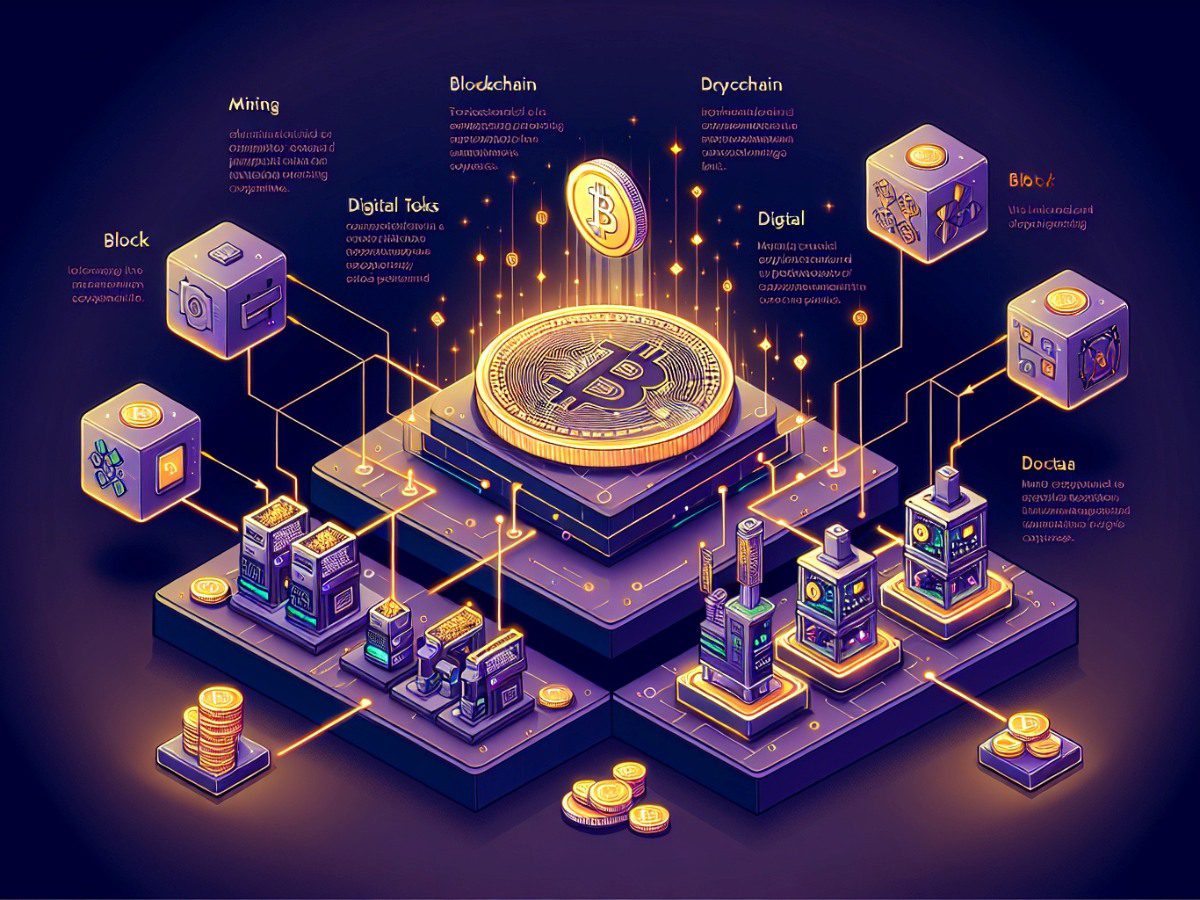
For consumers, the practical takeaway is that XRPL’s design avoids the mining competition you see in proof-of-work networks. The trade-off is that XRPL’s security model is different from mining-based chains, so comparisons to Bitcoin often miss key context.
To better understand these differences, it is helpful to review how crypto mining works and why some networks choose to avoid it.
What are the key use cases for XRP in international payments?
XRP is commonly discussed as a “bridge” asset for cross-border payments. It can potentially help route value between two currencies without requiring pre-funded accounts in every destination market.
In theory, that could reduce the need for institutions to hold idle balances across many countries. In practice, whether XRP is used depends on the provider, the corridor, liquidity, and compliance requirements.
Cross-border money movement is messy because it involves:
- Different banking systems and cut-off times
- Currency conversion and liquidity
- Compliance checks and intermediaries
Technologies like Ripple’s payment software and assets like XRP aim to streamline parts of that process. For everyday consumers, XRP’s payments narrative matters mostly because it’s a key driver of interest and headlines, but it does not automatically translate into mainstream consumer adoption or investment returns.
How do XRP transaction speeds and costs compare with traditional banking?
XRP transfers often settle quickly on-chain and with low on-chain transaction fees. The mistake most people make is focusing only on the network fee, and ignoring the real costs around it.
Traditional bank transfers vary widely. Domestic U.S. transfers can be fast in some cases, but international wires may take longer due to intermediaries, time zones, and compliance reviews, and fees can be significant and not fully transparent until the transfer is complete.
If you’re moving money via XRP, you also need to account for off-chain costs and friction, such as:
- Exchange trading spreads and fees when converting dollars to XRP (and back)
- Withdrawal fees charged by platforms
- Bank transfer fees to fund an exchange account
- Price volatility while funds are in transit
If your goal is simply to move dollars safely, it’s also useful to understand that bank deposits, not crypto, can be insured up to limits at FDIC-insured institutions, according to FDIC deposit insurance guidance.
Crypto holdings on an exchange are not the same as insured bank deposits, even if the app looks similar.
What’s the history and purpose of XRP?
XRP is one of the older, well-known crypto assets and has long been marketed around payments efficiency. Over time, XRP has been heavily influenced by broader crypto cycles and by legal and regulatory developments in the U.S., which have affected where and how it can be traded.
A practical way to think about XRP’s “purpose” is this: it’s a specialized crypto asset built around value transfer on XRPL, and its reputation and adoption have been shaped by its association with Ripple’s payments business and the ongoing debate about how it should be regulated.
Is XRP a good investment? What are the risks and potential rewards?
XRP can be a fit for some investors, but only if you’re comfortable with high volatility and regulatory uncertainty. Its price can react sharply to crypto market sentiment and legal headlines.
Before jumping in, many investors ask, “Is crypto a smart investment?” and weigh the answer against their own financial situation.
Key risks U.S. consumers should weigh:
- Volatility risk: Crypto prices can move dramatically in short periods.
- Regulatory risk: XRP has faced significant legal scrutiny, and regulatory developments can affect exchange listings and liquidity.
- Platform risk: If you buy through a trading platform, your ability to access or move XRP can depend on that platform’s controls, outages, or compliance decisions.
- Security risk: Self-custody can reduce reliance on an exchange, but it increases the risk of irreversible loss if you mishandle private keys or fall for scams.
Potential “reward” is primarily speculative price appreciation, not income like interest or dividends. If you’re comparing XRP to traditional cash savings, note that bank and credit union accounts may offer interest and clearer consumer protections.
The Federal Reserve’s overview of U.S. payment systems is a useful primer for understanding how conventional rails differ from crypto networks.
Where can you buy and store XRP safely in 2024?
U.S. consumers generally access XRP through crypto exchanges or broker-style apps that support it. Availability can vary by platform and state, and it can change based on regulatory decisions.
When choosing a provider, it is wise to compare the best crypto trading platforms for Americans to ensure you are using a secure and regulated service.
| Exchange | Trading Fees | Supported Coins | Learn More |
|---|---|---|---|
| Coinbase | $0.99 - 2.00% (Standard), 0.05% - 0.60% (Advanced Trade)
For transactions above $200 (standard account): 1.49% fee for using a bank account or USD wallet, 3.99% fee for using a debit or credit card. For Coinbase Advanced Trade: 0.60% for taker trades and 0.40% for maker trades. The more you trade, the lower the fees - can decrease to as low as 0% - 0.05%. |
+250 | Read Review |
| Crypto.com | 0.075%
For both maker and taker orders. The more you trade, the lower the fees - can decrease to as low as 0% - 0.050%. Holding and staking CRO tokens, Crypto.com native token, unlocks additional fee discounts. |
+350 | Read Review |
| Kraken | 0.40% - 0.25%
0.40% for taker trades and 0.25% for maker trades. The more you trade, the lower the fees - can decrease to as low as 0% - 0.10%. Using GT tokens to pay trading fees offers a 10% discount |
+300 | Read Review |
| Binance.US | 0.10%
For both maker and taker orders. The more you trade, the lower the fees - can decrease to as low as 0.04%. Users who pay fees using Binance Coin (BNB) receive a 25% discount |
+120 | Read Review |
Basic safety checklist:
- Choose a reputable platform: Look for clear disclosures, security controls (like two-factor authentication), and transparent fee schedules.
- Consider storage options: You can keep XRP on an exchange (custodial) or move it to a self-custody wallet where you control the private keys.
- Use strong account security: Unique passwords, two-factor authentication, and device security matter as much as blockchain tech.
- Plan for taxes: Crypto transactions can be taxable events in the U.S. Keeping records of buys, sells, and transfers helps at tax time.

For a consumer-friendly overview of buying and storing crypto safely, resources like NerdWallet’s cryptocurrency guide and Bankrate’s cryptocurrency basics can help you compare custody options and understand common fees.
What is XRP’s current legal status and what should you watch next?
XRP’s U.S. regulatory story has been closely tied to the SEC’s lawsuit against Ripple, which has produced major headlines and ongoing developments. Because court rulings, appeals, and settlements can change what exchanges offer and how investors perceive risk, you should treat “legal certainty” as a moving target.
For consumers, the most actionable approach is:
- Check whether your platform supports XRP today: Confirm what happens to your holdings if the platform delists it.
- Read platform disclosures: Look for details on trading restrictions, custody, and transfer limits.
- Avoid making decisions based solely on social media headlines: Look for primary-source updates when possible.
If you’re trying to understand what protections you do and don’t have, it also helps to remember that crypto holdings generally do not receive the same protections as bank deposits described in FDIC guidance.
You can also gain broader context on market status by reading an Ethereum vs. Bitcoin comparison to see how other major assets are navigating the current environment.
The Bottom Line
XRP is a cryptocurrency on the XRP Ledger, built to move value quickly and cheaply, and it’s closely associated with Ripple’s cross-border payments business, though Ripple and XRP are not the same thing. For U.S. consumers, the biggest considerations are volatility, custody security, platform risk, and shifting regulation.
If you choose to buy XRP, focus on reputable platforms, secure storage, and a clear plan for risk and recordkeeping.
