To buy Solana (SOL) in the U.S., most people use a major centralized crypto exchange that supports USD deposits and SOL trading, then move the coins to a wallet they control (optional but often recommended for long-term storage). The best place to buy depends on what you value most, low fees, strong security controls, advanced trading tools, or simplicity.
Below, you’ll learn what Solana is, where Americans commonly buy it, how the buying process works step by step, what fees to watch for, and how to store SOL safely (including alternatives like decentralized exchanges).
Key Takeaways
- Most common route: Buy SOL on a regulated U.S.-available centralized exchange, then (optionally) transfer it to a self-custody wallet.
- Fees matter in two places: The platform’s trading fee/spread and the network fee to withdraw SOL to your wallet.
- Solana activity has grown: Solana averaged 3.2 million unique active wallets per day in 2025, and DEX volume reached $1.5 trillion, according to CryptoSlate.
- Security is a feature, not a slogan: Prioritize platforms with strong account protections (like 2FA) and consider self-custody for longer-term holdings.
- You can also buy via DEXs: Decentralized exchanges can work, but they usually require a wallet, basic crypto know-how, and careful attention to scams and fake tokens.
What is Solana (SOL) and how does it work?
Solana is a blockchain network designed for high throughput, meaning it aims to process a large number of transactions quickly while keeping costs relatively low. SOL is the network’s native token, used to pay transaction fees and participate in the network economy (including staking on many platforms and wallets).
One reason Solana stays on many investors’ radar is its scale of real usage. In practice, a larger and more active network can mean more apps, more liquidity, and more real demand for block space.
For example, an Everstake report notes Solana reached an all-time high of roughly 138 million daily transactions as of December 2024, illustrating how much activity the network can handle during peak periods.
Where can you buy Solana (SOL) in the U.S. today?
U.S. consumers typically buy SOL through one of these routes:
- Centralized crypto exchanges (CEXs): The most common option for most investors. You create an account on a platform like Coinbase or Kraken, complete identity verification, and deposit USD.
- Broker-style apps: Some investment-style apps offer crypto trading with simpler interfaces. The trade-off is fewer advanced tools or less control over transfers.
- Decentralized exchanges (DEXs): You swap from another token to SOL using an on-chain wallet. This is more hands-on and comes with different risks.
If you’re price-shopping liquidity, it helps to know where volume tends to concentrate. CryptoSlate noted Binance led SOL/Tether trading pairs among the top 20 exchanges on March 21, 2025 – which is one signal of deep trading activity (availability and eligibility vary by jurisdiction).
Which crypto exchanges are “best” for buying Solana?
The “best” exchange is the one that fits how you actually plan to buy and hold SOL, because fees, features, and eligibility can vary over time. What actually matters here is whether the platform supports SOL in your state, gives you a clean view of total costs, and lets you withdraw to a wallet if you want self-custody.
| Exchange | Trading Fees | Supported Coins | Learn More |
|---|---|---|---|
| Coinbase | $0.99 - 2.00% (Standard), 0.05% - 0.60% (Advanced Trade)
For transactions above $200 (standard account): 1.49% fee for using a bank account or USD wallet, 3.99% fee for using a debit or credit card. For Coinbase Advanced Trade: 0.60% for taker trades and 0.40% for maker trades. The more you trade, the lower the fees - can decrease to as low as 0% - 0.05%. |
+250 | Read Review |
| Kraken | 0.40% - 0.25%
0.40% for taker trades and 0.25% for maker trades. The more you trade, the lower the fees - can decrease to as low as 0% - 0.10%. Using GT tokens to pay trading fees offers a 10% discount |
+300 | Read Review |
| Crypto.com | 0.075%
For both maker and taker orders. The more you trade, the lower the fees - can decrease to as low as 0% - 0.050%. Holding and staking CRO tokens, Crypto.com native token, unlocks additional fee discounts. |
+350 | Read Review |
| Binance.US | 0.10%
For both maker and taker orders. The more you trade, the lower the fees - can decrease to as low as 0.04%. Users who pay fees using Binance Coin (BNB) receive a 25% discount |
+120 | Read Review |
Here’s a practical way to evaluate the leading, widely used options U.S. consumers often consider:
- Best for beginners: Coinbase offers a clean interface and transparent order previews with easy USD funding.
- Best for lower trading costs: Binance.US often provides competitive tiered fees and deep liquidity for major pairs.
- Best for advanced traders: Kraken is known for robust order types, API access, and strong uptime.
- Best for security-conscious buyers: Crypto.com prioritizes account protections and clear transfer functionality for those moving funds to self-custody.
No matter which platform you choose, confirm three basics before depositing money: (1) SOL is available to trade, (2) you can withdraw SOL to your own wallet (if that’s your plan), and (3) the exchange serves customers in your state.
How do you buy Solana (SOL) step by step?
Buying SOL is usually straightforward:
- Choose your platform and create an account: Expect identity verification (KYC) on most U.S.-available centralized exchanges.
- Secure your account first: Use a strong, unique password and enable two-factor authentication (2FA) before funding the account.
- Add funds (USD): Bank transfer can be cheaper than card funding on many platforms, but timing varies. Follow the platform prompts.
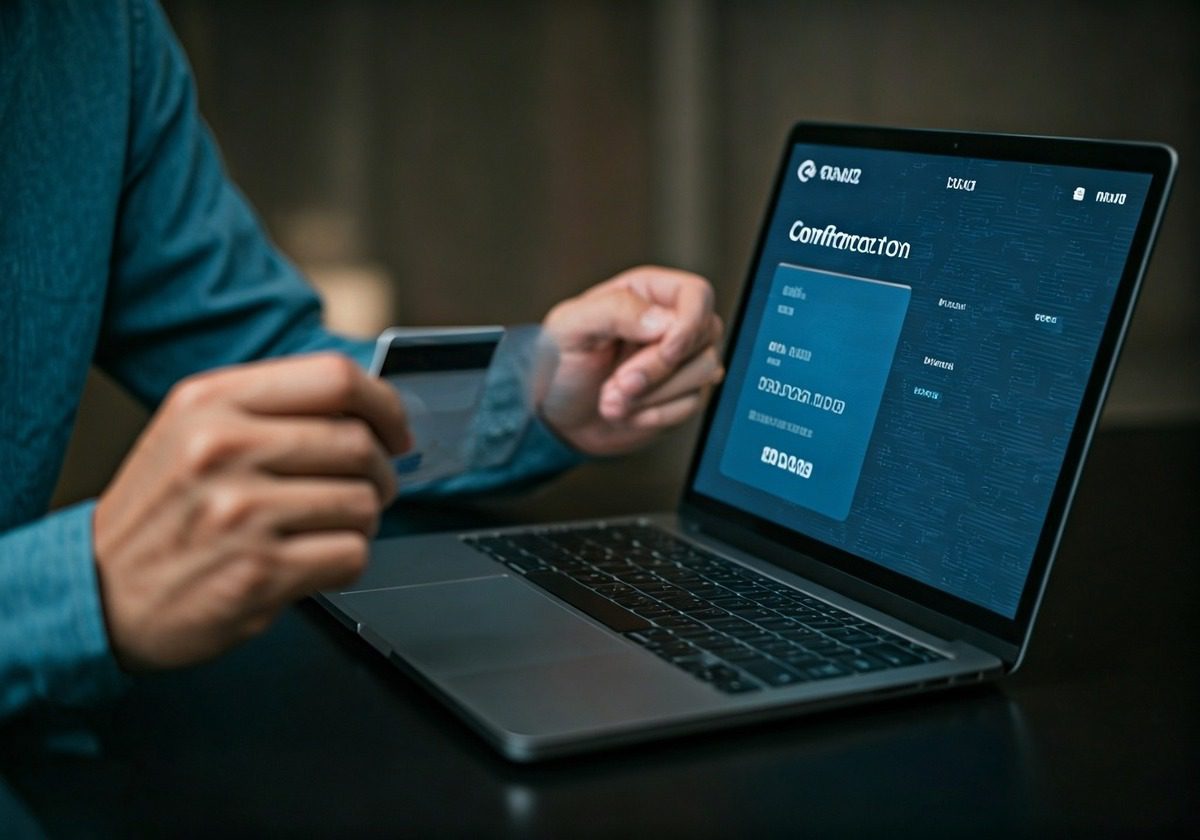
- Place your order:
- Market order: Buys quickly at the current price (but you may pay more via spread or slippage).
- Limit order: Targets a specific price and can reduce unwanted price surprises.
- Decide where to store it: You can leave SOL on the exchange for convenience or withdraw it to a wallet you control for longer-term storage.
The mistake most people make is funding the account first and only then realizing their preferred payment method is expensive, or SOL withdrawals are restricted in their state. A quick check before you deposit saves a lot of frustration.
What fees and costs should you expect when buying SOL?
The total cost to buy Solana is usually a combination of:
- Trading fees: A percentage fee per trade, often lower for higher-volume traders.
- Spread: The difference between the buy and sell price you’re shown, common on simpler “instant buy” interfaces.
- Deposit fees: Sometimes charged for debit or credit card purchases; bank transfers are often cheaper.
- Withdrawal fees and network fees: Withdrawing SOL to your wallet typically involves a fee. Even if the exchange charges little, the network itself has a transaction fee component.
A good habit is to compare the final “you pay / you receive” preview on two platforms using the same order size. That’s often more revealing than advertised fee schedules.
How do you choose a Solana exchange safely?
A safe Solana exchange is one that protects your account well, makes costs transparent, and allows clean withdrawals to self-custody if that’s part of your plan. The trade-off is that the most locked-down platforms can feel a bit less convenient day to day.
Before you buy, check these decision points:
- Security controls: 2FA is the minimum. Also look for device management, withdrawal confirmations, and clear scam warnings.
- Regulatory and availability fit: Make sure the platform supports your state and lets you withdraw SOL if you want self-custody.
- Ease of use: If you’re new, a simpler interface can help you avoid costly mistakes (like selecting the wrong network).
- Liquidity and execution quality: Better liquidity can mean less slippage, especially for larger orders.
- Customer support and transparency: Clear fee disclosures, visible order details, and responsive support matter when something goes wrong.
Should you use a wallet, and can you buy Solana on a DEX?
You can store SOL on an exchange or in your own wallet, and which is “better” comes down to how much control you want versus how much responsibility you’re willing to take on.
- Custodial (exchange) storage: Convenient for active trading and small balances. The trade-off is counterparty risk since you don’t control the private keys.
- Self-custody wallets: You control the keys, which can reduce platform risk but increases personal responsibility.
If you lose your recovery phrase, you can permanently lose access.
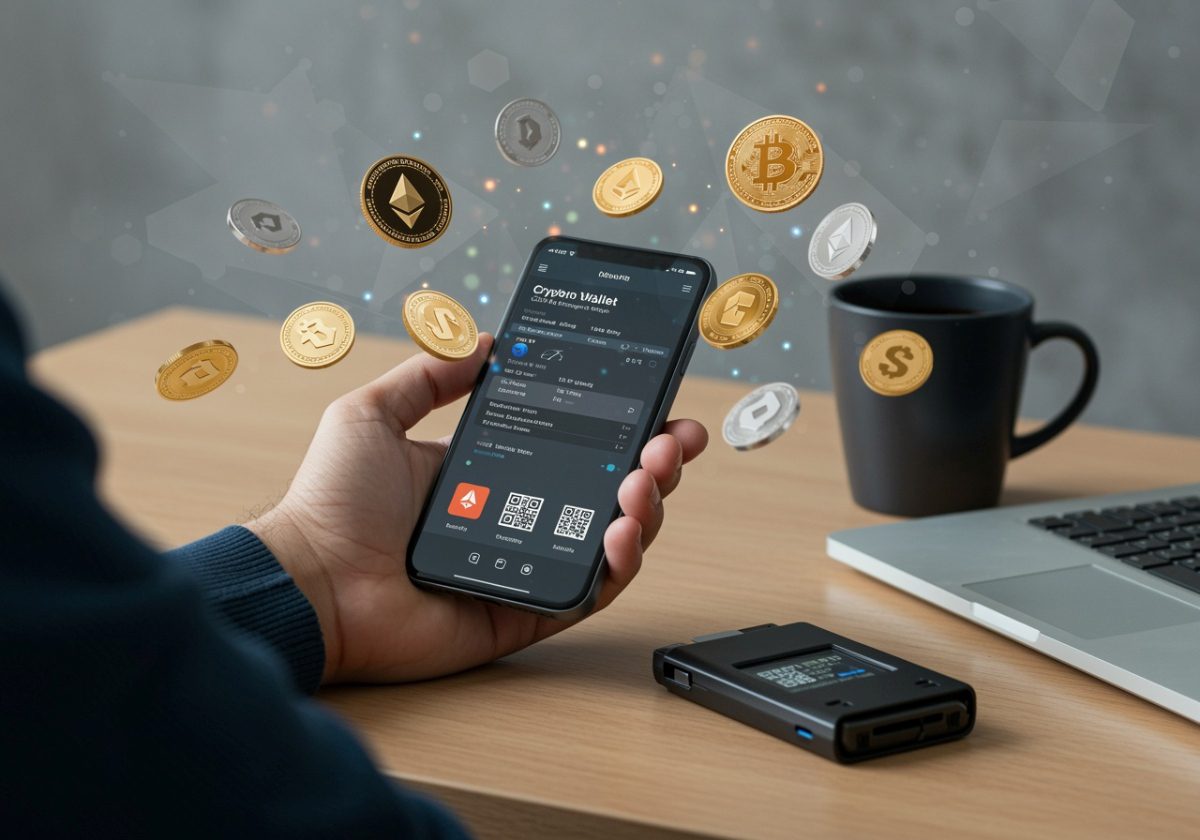
If you’re considering buying SOL through a decentralized exchange (DEX), you’ll typically need an on-chain wallet and another token to swap. DEXs can offer flexibility, but they also raise the stakes: you must verify you’re interacting with the real token, avoid phishing links, and understand how swaps and permissions work.
Solana’s on-chain trading has become significant. CryptoSlate reported Solana DEX volume hit $1.5 trillion in 2025, up 57% year over year, indicating a large and active market. Activity alone does not reduce risk, so treat DEX use as an “advanced user” route.
Is Solana a good investment, and how do you sell or trade it later?
Solana’s investment case is often framed around network adoption and portfolio diversification. For instance, 21Shares research describes Solana as a potential high-growth “tech play” with diversification characteristics relative to traditional assets.
Still, SOL is a volatile crypto asset, and price swings can be large in both directions. If you buy, have a plan for what would make you hold, add, or exit.
If you decide to sell or trade later, the mechanics are usually the reverse of buying:
- On a centralized exchange: Deposit SOL (if it’s in your wallet), sell for USD or swap to another crypto, then withdraw USD to your bank.
- On a DEX: Swap SOL to another token, then (if needed) off-ramp through a centralized exchange to convert to USD.
Before selling, double-check tax tracking. Crypto sales and swaps can be taxable events in the U.S.
Frequently asked questions about buying Solana (SOL)
Do I need a lot of money to buy SOL?
Usually not. Many platforms allow fractional purchases, so you can buy a small dollar amount rather than a whole coin.
Is it safer to keep SOL on an exchange or in a wallet?
An exchange is easier, but self-custody gives you control. The safest choice depends on your comfort managing recovery phrases and security steps.
Why does the price I pay differ from the “market price”?
You may be paying a spread, experiencing slippage, or seeing fees included in the quoted total. Using limit orders can help control execution price.
Can I stake Solana after I buy it?
Often, yes, depending on your platform or wallet. Staking involves additional risks and lockups/constraints that vary by provider and method.
The Bottom Line
Most U.S. buyers get Solana through a major centralized exchange, focusing on account security, transparent fees, and the ability to withdraw SOL to a wallet if desired. Compare total costs (not just advertised fees), use strong security settings, and choose storage based on whether you prioritize convenience or control.
If you’re unsure, start small and make your process repeatable before scaling up.
