You can usually buy WallitIQ (WLTQ) on decentralized exchanges (DEXs) like Uniswap, and occasionally on smaller centralized exchanges (CEXs) that list emerging utility tokens. The catch is that buying on a DEX means you need a self-custodial wallet, enough ETH (or another base asset) for the swap, and extra funds to cover network fees.
As of early 2026, WallitIQ sits at the intersection of AI and decentralized finance (DeFi). If you want exposure to that trend, what actually matters here is executing the purchase safely, using the correct contract address, and storing your token in a way that matches how often you plan to trade.
Key Takeaways
- Utility Focus: WLTQ is the native utility token for the WallitIQ ecosystem, used for governance, staking, and accessing AI-powered security features.
- Platform Availability: The token is primarily available on decentralized exchanges like Uniswap, though some centralized exchanges have begun listing it.
- AI Integration: The project distinguishes itself by using machine learning to provide real-time market insights and automated portfolio management.
- Security First: Because WLTQ is often traded on decentralized platforms, users must possess a self-custodial wallet and manage their own private keys.
What Is WLTQ Crypto and How Does It Work?
WLTQ is the functional backbone of WallitIQ, a decentralized cryptocurrency wallet protocol. Unlike traditional wallets that act simply as digital storage, WallitIQ integrates artificial intelligence to help you make more informed decisions.
According to WallitIQ tokenomics data, the WLTQ token is designed to enhance user value through practical applications within the wallet ecosystem. This includes paying for transaction fees or unlocking premium AI features.
The platform’s core functionality includes cross-chain trading capabilities and DeFi-native tools. In practice, the AI layer can track market volatility and suggest portfolio rebalancing.
It can also flag potential security threats before they affect your balance. The trade-off is that you are relying on a newer ecosystem, not a long-established wallet brand.
Where Can You Buy WLTQ Tokens?
You can buy WLTQ through decentralized exchanges, select centralized exchanges, and sometimes through the WallitIQ interface during specific distribution or swap flows. Major U.S. exchanges like Coinbase or Kraken may not list smaller utility tokens immediately.
However, they serve as the primary “on-ramp” for buying the Ethereum or USDT needed for the trade. Below are some of the best platforms to start your journey.
| Exchange | Trading Fee | Supported Coins | Learn More |
|---|---|---|---|
| Coinbase | $0.99 - 2.00% (Standard), 0.05% - 0.60% (Advanced Trade)
For transactions above $200 (standard account): 1.49% fee for using a bank account or USD wallet, 3.99% fee for using a debit or credit card. For Coinbase Advanced Trade: 0.60% for taker trades and 0.40% for maker trades. The more you trade, the lower the fees - can decrease to as low as 0% - 0.05%. |
+250 | Read Review |
| Kraken | 0.40% - 0.25%
0.40% for taker trades and 0.25% for maker trades. The more you trade, the lower the fees - can decrease to as low as 0% - 0.10%. Using GT tokens to pay trading fees offers a 10% discount |
+300 | Read Review |
| Gemini | $0.99 - 1.49% (Web & Mobile), 0.20% - 0.40% (Active Trader)
For Gemini’s website or mobile app users are charged 0.50% convenience fee For Active Trader, 0.40% for taker trades and 0.20% for maker trades. The more you trade, the lower the fees - can decrease to as low as 0% - 0.03%. |
+150 | Read Review |
| Binance.US | 0.10%
For both maker and taker orders. The more you trade, the lower the fees - can decrease to as low as 0.04%. Users who pay fees using Binance Coin (BNB) receive a 25% discount |
+120 | Read Review |
- Decentralized Exchanges (DEXs): Most WLTQ liquidity is found on DEXs, which support peer-to-peer trading without a middleman.
- Centralized Exchanges (CEXs): Some global platforms, such as Bitrue, have historically provided support for emerging utility tokens like WLTQ.
- WallitIQ Official Platform: Investors can often acquire tokens directly through the WallitIQ interface during specific distribution phases.
As a recent WallitIQ analysis suggests, the project’s focus on AI-driven security has helped it gain traction. This is especially true on platforms that prioritize advanced DeFi protocols.
How Do You Choose the Best Trading Platform?
You should choose a WLTQ trading platform based on security, total costs, liquidity, and whether it is available where you live. The mistake most people make is focusing only on the token price and ignoring slippage or fees.
- Security Protocols: Look for platforms that offer multi-factor authentication (MFA) and have a clean record regarding hacks.
- Fee Structure: Centralized exchanges often charge a flat trading fee, while DEXs require gas fees paid to the network.
- Liquidity: Ensure the exchange has enough trading volume so you can buy or sell without significant slippage.
- Regulatory Compliance: For U.S. residents, ensure the platform allows users from your specific state.
Step-by-Step Guide: How Do You Purchase WLTQ for the First Time?
Buying WLTQ for the first time usually means purchasing a base asset on a major exchange first. Then you move it to a self-custodial wallet to swap on a DEX.
The extra steps matter because you are responsible for your keys. A wrong address or rushed swap can be costly for new investors.
- Set Up a Crypto Wallet: Download a self-custodial wallet like MetaMask or the native WallitIQ wallet. Write down your recovery phrase and store it offline.
- Purchase Base Assets: You generally cannot buy WLTQ directly with U.S. dollars on a DEX. You will first need to buy Ethereum (ETH) or a stablecoin (like USDT) on a major exchange.
- Connect to an Exchange: Navigate to a DEX and connect your wallet securely.
- Swap for WLTQ: Enter the official WLTQ contract address to ensure you are buying the correct token. Input the amount you wish to swap and confirm the transaction.
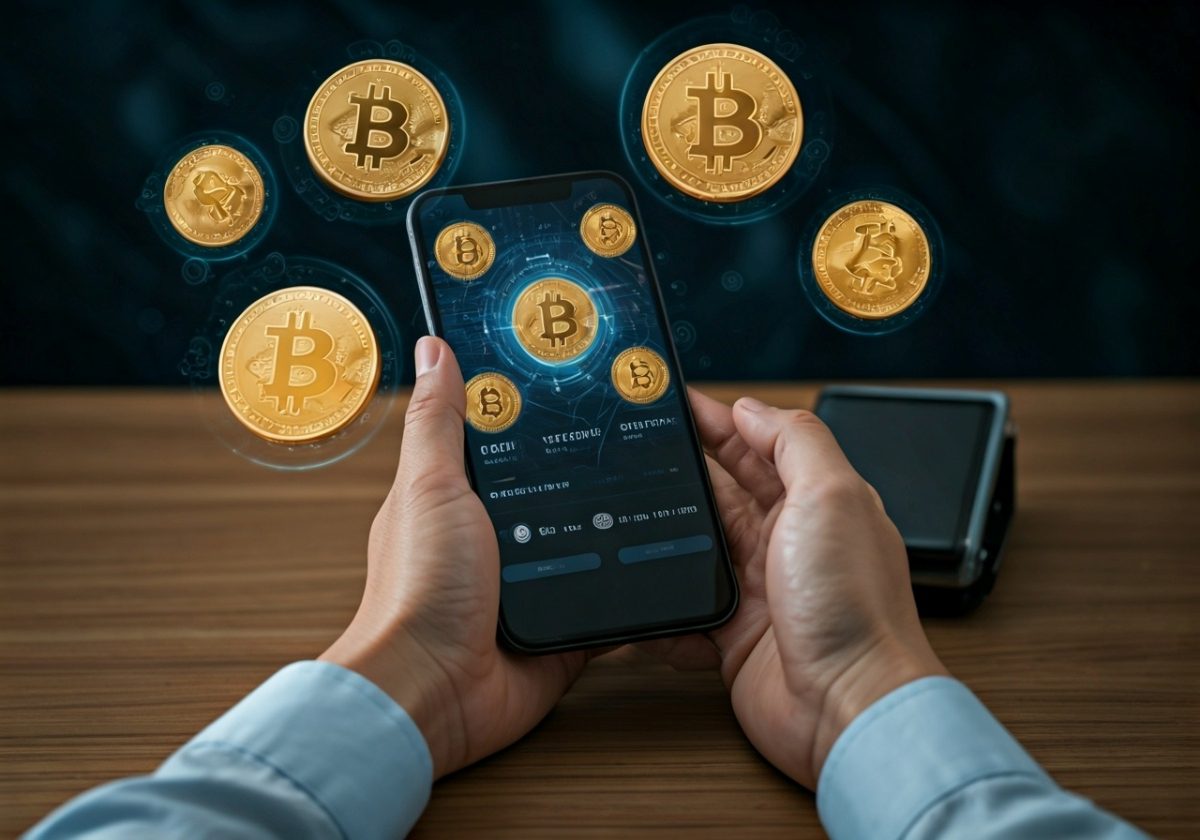
For more detailed instructions, you can consult this guide for WLTQ investors. It covers specific technical steps for various platforms.
How Do You Use a Decentralized Exchange (DEX) for WLTQ?
You use a DEX by connecting your wallet and selecting the swap pair, such as ETH to WLTQ. Then you must paste the official token contract address and approve the trade.
Because the DEX does not custody your funds, the transaction executes from your wallet via smart contracts. This provides you with full control over your assets during the process.
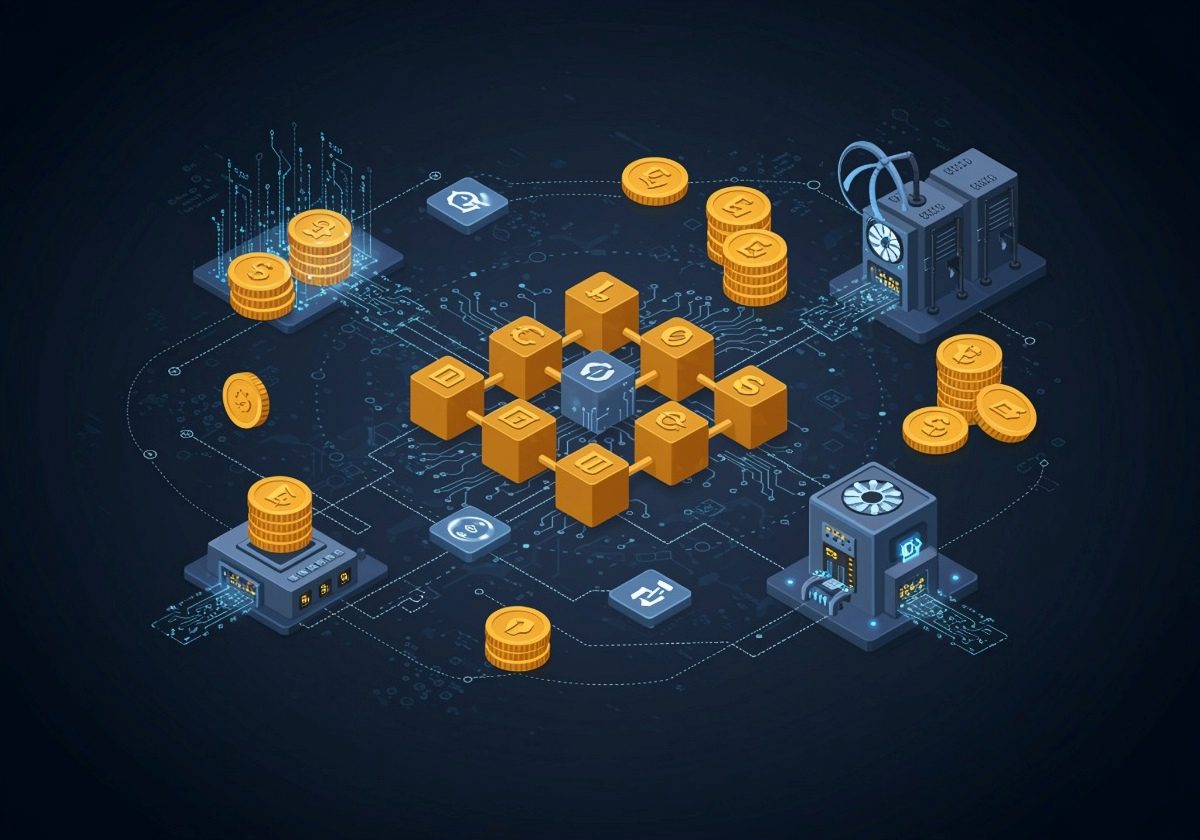
When using a DEX, you must be mindful of gas fees. These are the costs paid to network validators to process your transaction.
On the Ethereum network, fees can fluctuate sharply based on congestion. Trading during late nights or weekends is often cheaper for users.
What Are the Best Wallets for Safely Storing WLTQ?
The best wallet for storing WLTQ depends on how often you plan to move it. A hardware wallet is typically the safest option for long-term holdings.
If you are actively trading or using DeFi tools, a reputable software wallet can be more convenient. Always follow strict security habits regardless of the wallet type you choose.
- WallitIQ Wallet: Using the native wallet may provide additional benefits, such as easier access to AI insights.
- Hardware Wallets: For long-term holdings, cold storage devices like Ledger or Trezor are the gold standard.
- Software Wallets: Practice diligent security when using MetaMask or Trust Wallet.
Understanding Trading Fees and Minimum Requirements
Trading WLTQ comes with network fees, exchange fees, and practical minimums that can make small buys inefficient. What actually matters here is your all-in cost, not just the swap amount.
- Network Fees: These vary by blockchain but are mandatory for every transaction.
- Exchange Commissions: CEXs typically charge between 0.1% and 0.5% per trade.
- Minimum Purchases: The high cost of gas on some networks may make small purchases inefficient.
Is WLTQ a Good Investment? Risks and Market Analysis
WLTQ is a high-risk, high-reward asset typical of the emerging AI-crypto sector. Its value is closely tied to the adoption of the WallitIQ wallet.
While some market projections suggest growth potential through 2030, you should treat projections as uncertain. Market dynamics in crypto can change very rapidly.
The primary risks include market volatility and potential regulatory changes regarding DeFi tokens. Never invest more than you can afford to lose as part of a diversified strategy.
The Bottom Line
Buying WLTQ typically means using a decentralized exchange, which requires a self-custodial wallet and base assets like ETH. Because you are responsible for your keys, verify contract addresses carefully and stick with reputable platforms.
Start small if you are new to DeFi to understand the process. You can scale up once you are confident in the workflow and security steps.
Read More
