
If you are trying to decide which crypto to buy, start by matching your choice to your goal and risk tolerance. For many U.S. consumers, that means using Bitcoin and Ethereum as a “core” allocation (if you choose to own crypto at all), then considering smaller positions in other established projects only after you understand what makes them useful and what could cause them to fail.
This matters because crypto returns can be extreme in both directions. What actually matters here is choosing assets you can explain, buy securely, and hold through volatility, without letting one speculative bet take over your finances.
Key Takeaways
- Start with fundamentals: Look for real-world utility, security track record, and transparent token economics, not just price momentum.
- Bitcoin vs altcoins: Bitcoin has the longest track record, while altcoins can offer higher upside but typically carry higher failure risk.
- Choose platforms carefully: Fees, security controls, and custody options vary widely across exchanges.
- Size your allocation: Many investors treat crypto as a small, high-volatility slice of a diversified portfolio, not the foundation.
- Taxes are real: Selling, swapping, or spending crypto can trigger taxable events, so records matter.
“Best” usually means “best fit” for your strategy. Growth-oriented crypto investors often focus on fundamentals that can persist across market cycles.
- Use case and demand: What problem does the network solve, and who uses it? Examples include payments, smart contracts, stablecoin settlement, and decentralized finance (DeFi).
- Security and decentralization: A longer operating history, strong validator/miner participation, and fewer outages can matter more than flashy features.
- Developer and ecosystem activity: A healthy ecosystem often shows up as active development, credible applications, and integrations.
- Token economics: How new tokens are issued, whether supply is capped or inflationary, and how fees are paid can influence long-term value.
- Regulatory and operational risk: In the U.S., legal uncertainty can affect access, listings on exchanges, and project viability.
A practical filter for beginners: if you cannot explain in one sentence what a token does and why people need it, consider waiting. The mistake most people make is buying based on headlines or a price chart, then learning the basics after the fact.
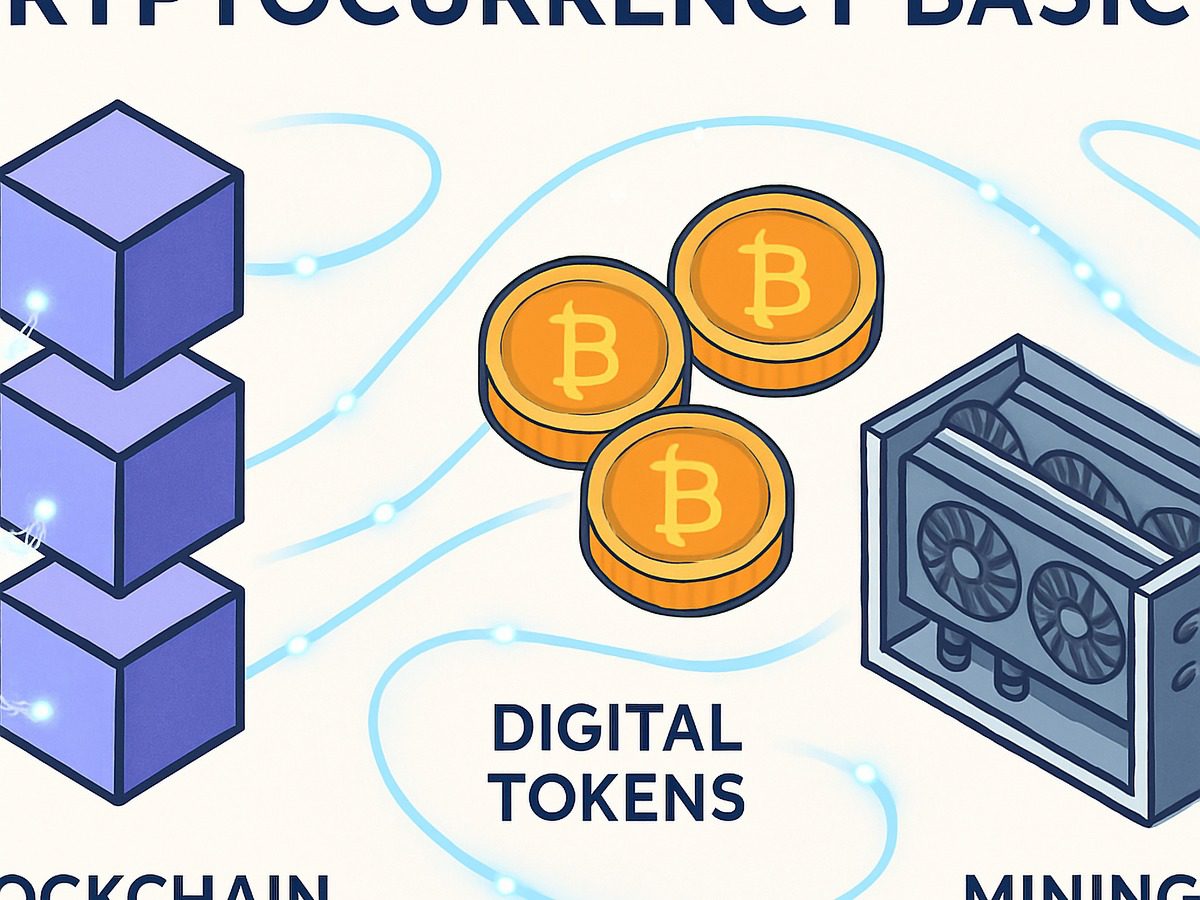
Which top cryptocurrencies are worth watching for 2024 and beyond?
These are the categories that tend to dominate long-term discussion because they have large networks, meaningful liquidity, and broad market attention. The trade-off is that “worth watching” is not the same as “safe to buy,” and none of these are risk-free.
- Bitcoin (BTC): Often viewed as the benchmark crypto asset and a store-of-value style exposure in the crypto market.
- Ethereum (ETH): The largest smart-contract platform by market value and a foundation for many tokens, DeFi apps, and NFTs.
- Major Layer-1 and Layer-2 networks: Layer-1s compete to host applications; Layer-2s aim to make transactions cheaper or faster while relying on a base chain (often Ethereum).
- Established DeFi protocols: These can offer lending, trading, and other financial functions on-chain, but they also add smart-contract and governance risk.
- Stablecoins (in a separate bucket): Stablecoins can be useful tools, but they are not “growth” assets in the same way because they aim to track a reference value, typically the U.S. dollar.
If you are building a watchlist, prioritize projects you can custody safely, that trade on reputable platforms, and that have clear documentation and transparent risk disclosures.
Is Bitcoin less risky than altcoins?
In crypto terms, Bitcoin is often considered lower risk than many altcoins, especially in the context of the ongoing Ethereum vs. Bitcoin debate, but it is still highly volatile and speculative compared with traditional assets.
Why Bitcoin may be relatively less risky (within crypto):
- Longevity and track record: Bitcoin has operated for many years with a large, decentralized network.
- Simplicity: Its primary function is value transfer and storage on its own chain, with fewer moving parts than many application platforms.
Why many altcoins can be riskier:
- Technology and execution risk: Newer networks can suffer outages, security vulnerabilities, or fail to attract users.
- Token concentration and governance risk: Some projects have concentrated ownership or upgrade paths that can materially change outcomes.
- Market structure: Smaller tokens often have thinner liquidity and can move sharply on limited trading activity.
A helpful way to think about it: Bitcoin risk is mostly market volatility and adoption uncertainty. Altcoin risk includes those factors plus higher project-specific failure risk.
What should you consider before buying your first crypto?
Define what you are trying to do with crypto before you place a trade. In practice, the right first purchase for a long-term holder often looks very different from what a DeFi user or short-term trader needs.
Before you place your first order, get the basics right and understand the different types of tokens available:
- Define your purpose: Long-term investing, short-term trading, learning, or using crypto applications all imply different choices.
- Know what you are buying: A coin that runs its own network is different from a token that depends on another chain.
- Understand fees and spreads: Trading fees, bid-ask spreads, and network fees can materially affect small purchases.
- Plan your custody: Decide whether you will keep crypto on an exchange (custodial) or move it to a wallet you control (self-custody).
- Expect volatility: Large price swings can happen quickly. The SEC’s Investor.gov overview of crypto assets emphasizes that crypto can be highly speculative and risky.
Also, be careful with leverage, margin, and “too-good-to-be-true” yield offers. Complexity increases the odds of costly mistakes.
Where should you buy crypto, and how do top exchanges compare?
Most U.S. consumers buy crypto through centralized exchanges or broker-style apps. When comparing platforms, focus on consumer protections and usability, not just the number of tokens listed.
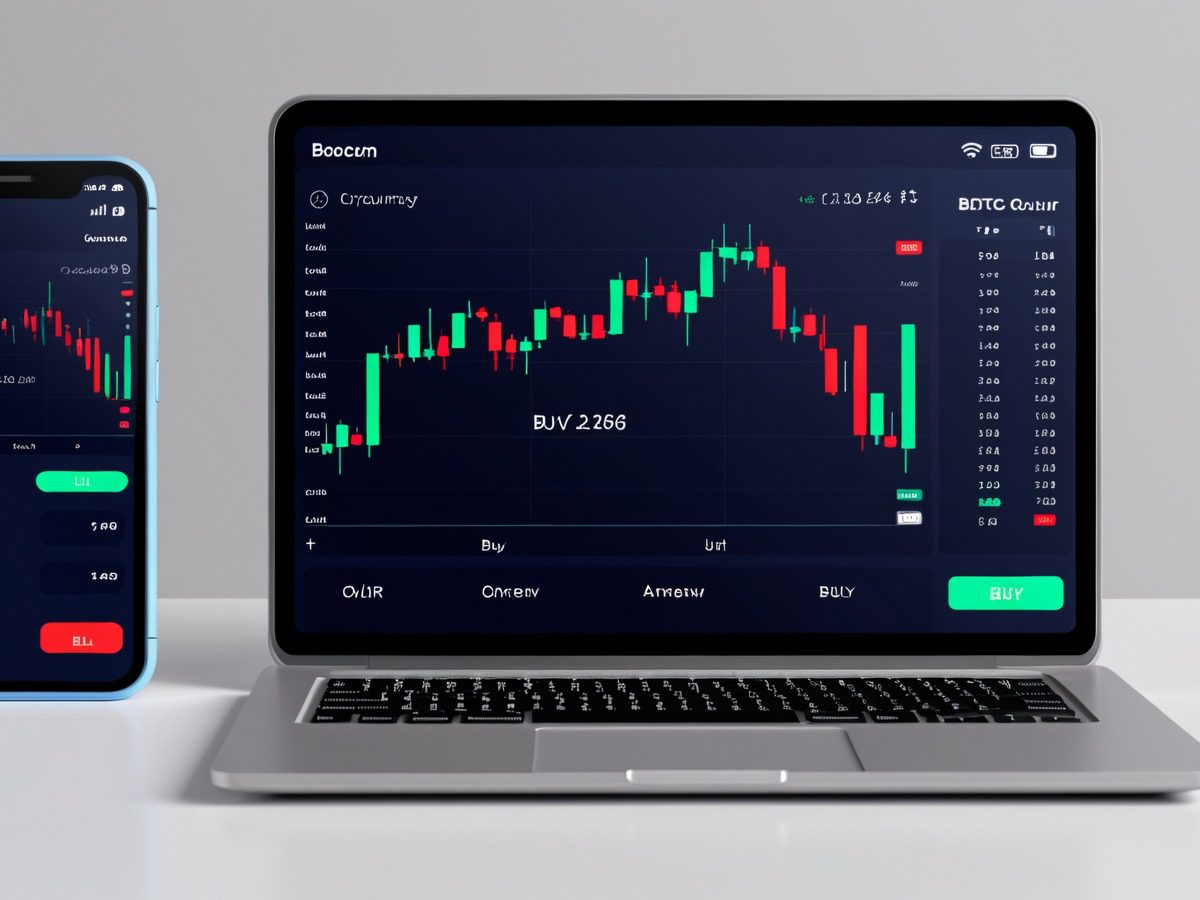
- Security controls: Two-factor authentication, withdrawal whitelists, and strong account recovery processes.
- Custody and transparency: Understand whether the platform holds assets on your behalf and what happens if the company has operational issues.
- Fees and execution quality: Look at trading fees, spreads, and any withdrawal costs.
- Asset availability and restrictions: Some tokens are not available in certain states or on certain platforms.
- Education and disclosures: Reputable platforms provide clear risk disclosures and explain how orders execute.
For practical shopping guidance, see NerdWallet’s guide to crypto exchanges and Bankrate’s overview of the best crypto exchanges.
| Exchange | Trading Fee | Supported Assets | Learn More |
|---|---|---|---|
| Coinbase | $0.99 - 2.00% (Standard), 0.05% - 0.60% (Advanced Trade)
For transactions above $200 (standard account): 1.49% fee for using a bank account or USD wallet, 3.99% fee for using a debit or credit card. For Coinbase Advanced Trade: 0.60% for taker trades and 0.40% for maker trades. The more you trade, the lower the fees - can decrease to as low as 0% - 0.05%. |
+250 | Read Review |
| Kraken | 0.40% - 0.25%
0.40% for taker trades and 0.25% for maker trades. The more you trade, the lower the fees - can decrease to as low as 0% - 0.10%. Using GT tokens to pay trading fees offers a 10% discount |
+300 | Read Review |
| Binance.US | 0.10%
For both maker and taker orders. The more you trade, the lower the fees - can decrease to as low as 0.04%. Users who pay fees using Binance Coin (BNB) receive a 25% discount |
+120 | Read Review |
How much of your portfolio should be in cryptocurrency?
There is no universal percentage. Many investors treat crypto as a small, speculative allocation within a diversified portfolio, sized so a major drawdown would not derail your finances.
A few practical guardrails many investors use:
- Prioritize essentials first: Emergency savings and high-interest debt payoff often come before speculative investing.
- Size to your sleep-at-night level: If a 50% drop would force you to sell at a loss or panic, your allocation may be too large.
- Rebalance instead of chasing: If crypto grows to dominate your portfolio, rebalancing can help manage risk.
If you are holding crypto on an exchange, remember it is not a bank account. The FDIC explains what deposit insurance covers, and it generally does not apply to crypto assets.
What role do stablecoins play in a diversified crypto strategy?
Stablecoins are designed to track a stable reference value (often $1). They can be useful for parking value between trades or moving money on-chain.
But stablecoins introduce their own risks:
- Issuer and reserve risk: Some stablecoins rely on reserves and redemption mechanisms that can be stressed in a crisis.
- Depegging risk: “Stable” does not mean guaranteed.
- Platform risk: If you hold a stablecoin on an exchange, you also have exchange counterparty risk.
Stablecoins are typically tools for liquidity and settlement, not long-term growth engines.
How can you store crypto safely and handle taxes?
Security best practices
- Use strong authentication: Enable two-factor authentication (preferably an authenticator app) and unique passwords.
- Beware phishing: Double-check URLs, never share seed phrases, and treat unsolicited messages as suspicious.
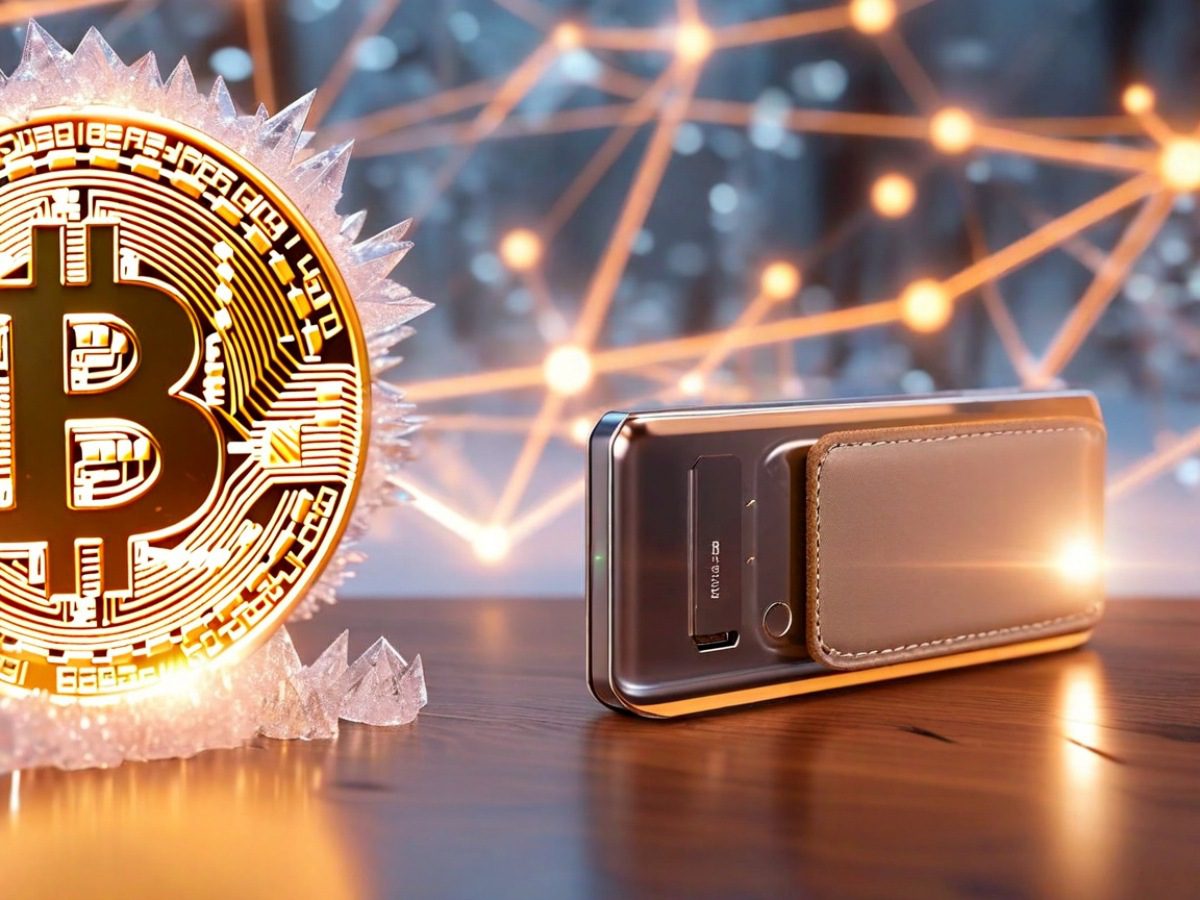
- Consider self-custody carefully: Hardware wallets can reduce exchange risk, but you become responsible for backups and recovery.
- Test small transfers first: When moving crypto to a new address, send a small amount before transferring more.
Tax basics (U.S.)
In the U.S., crypto is generally treated as property for federal tax purposes. Selling crypto for dollars, swapping one token for another, or using crypto to buy goods can create a taxable event.
The IRS guidance on digital assets outlines how transactions may be taxed and why recordkeeping matters. Keep track of dates, cost basis, proceeds, fees, and transfers.
The Bottom Line
The “best crypto” depends on what you are trying to accomplish and how much risk you can truly tolerate. For many investors, Bitcoin and Ethereum are the starting point for crypto exposure, with altcoins and DeFi projects requiring deeper research and smaller sizing.
If you decide to participate, choose a reputable platform, prioritize secure storage, and plan for taxes before you trade.
