
Bitcoin and Ethereum are generally the best cryptos to buy if you want a balance of established history and liquidity. These two assets act as the “blue chips” of the market, though you may explore newer projects like Layer-2 networks if you have a higher risk tolerance.
The best choice depends on your specific goal, your risk tolerance, and what role crypto plays in your broader financial plan.
For many U.S. consumers, a simple starting point is understanding the difference between established cryptocurrencies and the higher-risk universe of altcoins and stablecoins. This guide breaks down how to evaluate these assets and the practical issues that matter most: volatility, security, and taxes.
Key Takeaways
- Start with purpose: Your crypto choices should match your time horizon and risk tolerance, not recent headlines.
- Bitcoin vs. altcoins: Bitcoin tends to be the most established; altcoins may offer different use cases but usually come with higher risk.
- Stablecoins are not cash: They aim to hold a $1 value, but they still carry issuer, reserve, and platform risks.
- Security is a deciding factor: How you store your crypto can matter as much as what you actually buy.
- Taxes apply: In the U.S., selling or spending crypto can trigger taxable gains or losses.
How can you identify the best cryptocurrencies for growth?
You can identify growth potential by analyzing a project's utility, developer activity, and token economics instead of following social media hype. In practice, look for projects that solve real-world problems and have an active community building on the network.
When evaluating a cryptocurrency, you can learn how to find crypto coins before they explode by focusing on these fundamentals:
- Use case and real demand: Determine what problem the project solves and why usage might grow.
- Network effects and adoption: Look for more developers, users, and integrations, which can strengthen a project over time.
- Token economics: Check supply rules (fixed vs. inflationary) and whether insiders hold a large share of the tokens.
- Security and track record: Research if the network has experienced major outages, hacks, or emergency rollbacks.
- Transparency and governance: Prioritize credible documentation and open-source code to reduce your risk.
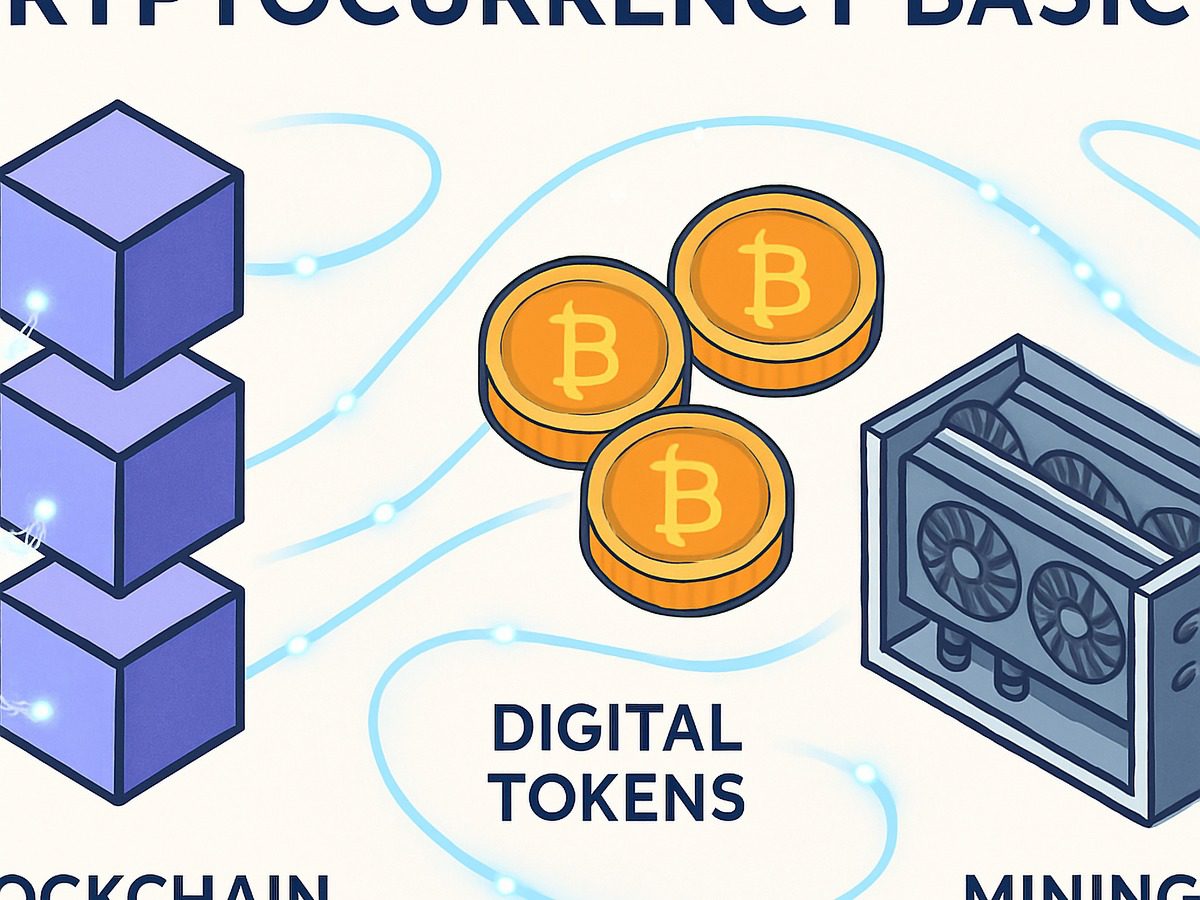
A good consumer rule: if you cannot explain in one or two sentences what the project does and why the token is needed, consider it a speculative bet.
What are the top cryptocurrencies to watch for 2024 and beyond?
Bitcoin and Ethereum remain the primary assets to watch, followed by Layer-1 competitors like Solana and Layer-2 scaling solutions like Arbitrum. What actually matters here is the category of exposure you want – store of value, smart contracts, or decentralized finance – rather than specific price predictions.
When comparing projects, always keep an eye on market cap in crypto to gauge its size and relative stability:
- Bitcoin (BTC): Often viewed as the most established cryptocurrency and commonly treated as a “core” holding in crypto portfolios.
- Ethereum (ETH): Widely used for smart contracts and as infrastructure for apps like decentralized exchanges and NFT marketplaces.
- Major Layer-1s and Layer-2s: Layer-1 networks compete as base blockchains, while Layer-2s aim to improve speed and cost on top of an existing chain.
- DeFi blue chips: These tokens are tied to decentralized finance protocols but are exposed to smart contract risk and regulatory uncertainty.
- Stablecoins: These are used for trading and parking funds between positions, but they introduce different risks than volatile assets.
If you’re looking for the “best cryptos,” start by deciding which category you want exposure to and then compare the leading projects in that space.
What’s the risk profile of Bitcoin vs. altcoins?
Bitcoin is generally viewed as the lower-risk option in the sector due to its history, while altcoins offer higher potential returns but carry a significant risk of total loss. The trade-off is that while Bitcoin may fluctuate significantly, smaller altcoins can drop 50% or more in a single day based on shifting market sentiment.
- Bitcoin: This asset has the longest track record, broad awareness, and deep liquidity relative to other coins. It is still volatile and can experience large drawdowns.
- Altcoins: This umbrella includes everything from established networks to micro-cap tokens. Many have higher upside potential but also higher failure risk and lower liquidity.
A practical way to think about it: Bitcoin and Ethereum are often treated as “large-cap” crypto, while many other tokens behave more like venture-style bets.
What key factors should you consider before buying your first crypto?
You must prioritize an emergency fund, a long-term time horizon, and an understanding of platform fees before making your first purchase. The mistake most people make is investing money they need for rent or bills, only to be forced to sell during a market dip.
- Emergency savings first: Crypto can drop quickly, so it is generally not a substitute for your cash reserves.
- Time horizon: Money you might need in the next few months is usually a poor fit for highly volatile assets.
- Fees and spreads: Many platforms charge trading fees and may also build costs into the price.
- Liquidity: Small or new tokens can be hard to sell quickly at a fair price.
- Regulatory and fraud risk: Crypto markets have seen scams and hacks. Consumer protections are not the same as with bank accounts.
Also keep your expectations realistic. Crypto is not FDIC-insured.
As the FDIC explains about deposit insurance, FDIC coverage applies to eligible bank deposits, not to crypto assets.
Where can you buy crypto, and how do top exchange platforms compare?
Most people buy crypto through centralized exchanges like Coinbase or Kraken, though brokerage apps and decentralized exchanges (DEXs) are common alternatives. When starting out, it is best to use best crypto apps for beginners that prioritize ease of use and security.
| Exchange | Spot Trading Fees | Supported Coins | Learn More |
|---|---|---|---|
| Coinbase | $0.99 - 2.00% (Standard), 0.05% - 0.60% (Advanced Trade)
For transactions above $200 (standard account): 1.49% fee for using a bank account or USD wallet, 3.99% fee for using a debit or credit card. For Coinbase Advanced Trade: 0.60% for taker trades and 0.40% for maker trades. The more you trade, the lower the fees - can decrease to as low as 0% - 0.05%. |
+250 | Read Review |
| Kraken | 0.40% - 0.25%
0.40% for taker trades and 0.25% for maker trades. The more you trade, the lower the fees - can decrease to as low as 0% - 0.10%. Using GT tokens to pay trading fees offers a 10% discount |
+300 | Read Review |
| Gemini | $0.99 - 1.49% (Web & Mobile), 0.20% - 0.40% (Active Trader)
For Gemini’s website or mobile app users are charged 0.50% convenience fee For Active Trader, 0.40% for taker trades and 0.20% for maker trades. The more you trade, the lower the fees - can decrease to as low as 0% - 0.03%. |
+150 | Read Review |
| Binance.US | 0.10%
For both maker and taker orders. The more you trade, the lower the fees - can decrease to as low as 0.04%. Users who pay fees using Binance Coin (BNB) receive a 25% discount |
+120 | Read Review |
- Centralized exchanges (CEXs): These are the most common on-ramp, typically offering easy bank transfers and recurring buys.
- Brokerage-style apps: These often feature simpler interfaces but may have fewer coins or features.
- Decentralized exchanges (DEXs): These let you trade from your own wallet without an intermediary but require more technical comfort.
When comparing platforms, look at their security controls, custody options, and fee transparency. If you’re new, it can help to read a consumer-oriented walkthrough first.
A NerdWallet guide to cryptocurrency basics offers a helpful overview of how buying and holding works.
How much of your portfolio should be in cryptocurrency?
Most financial experts suggest limiting crypto to 1% to 5% of your total portfolio to ensure volatility doesn't derail your primary financial goals. You should treat it as a high-risk satellite investment rather than a replacement for your diversified stocks or bonds.
- Define a maximum allocation: Choose a level you could tolerate losing without derailing your lifestyle.
- Prioritize diversification elsewhere: Keep your core goals tied to diversified investments first, then add crypto as a small piece.
- Rebalance intentionally: If crypto spikes, it can become too large a share of your wealth; have a plan to take profits.
If you’re deciding between paying down high-interest debt or buying crypto, consider that crypto returns are uncertain while debt interest is a guaranteed cost.
What role do stablecoins play in a diversified crypto strategy?
Stablecoins serve as a bridge between volatile assets and fiat currency, allowing you to park funds or move money between platforms without exiting the crypto ecosystem. However, they are not a substitute for a bank account because they carry issuer and platform risks that traditional cash does not.
- Issuer and reserve risk: The stable value depends entirely on the management and reserves of the company issuing the token.
- Platform risk: If you hold stablecoins on an exchange, that platform can freeze your withdrawals or fail entirely.
- De-pegging events: Stablecoins can lose their intended value, sometimes suddenly and without warning.
For conservative savers, it is worth comparing stablecoin yield offers to traditional options. A Federal Reserve consumer resource explains key concepts that can help when weighing risk and return.
What are the best security practices for storing digital assets?
The best security strategy involves using hardware wallets for long-term holdings and enabling app-based two-factor authentication (2FA) for all exchange accounts. In practice, the most secure way to hold crypto is through “self-custody,” where you control the private keys and do not rely on a central platform.
- Use strong account security: Create unique passwords and use authenticator apps rather than SMS-based security.
- Consider self-custody: A hardware wallet can reduce your exposure to exchange hacks, but you must protect your recovery phrase.
- Back up recovery phrases safely: Keep these offline and never store them in plain text on your phone or computer.
- Test small transfers first: When moving crypto between wallets, send a small amount first to confirm the address is correct.
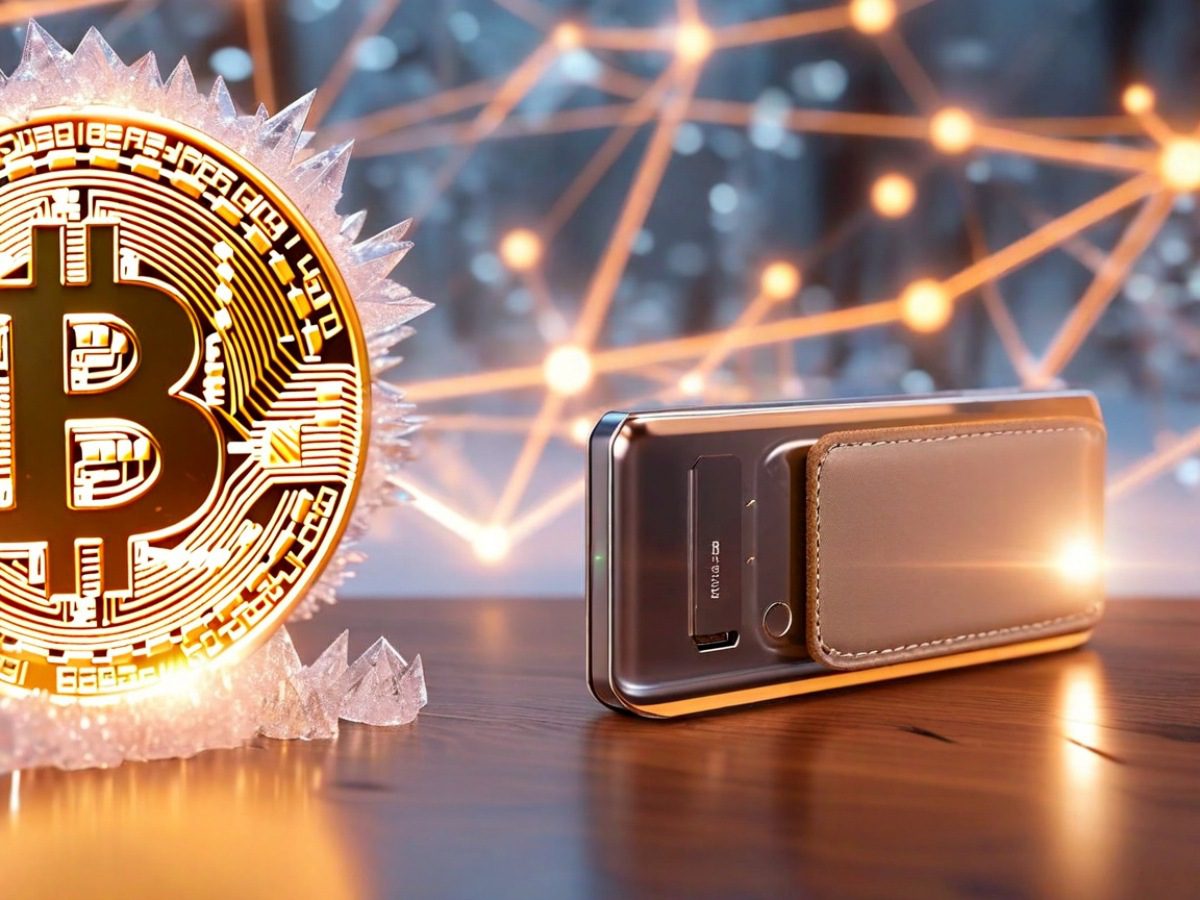
If you don’t want the responsibility of self-custody, at least understand that keeping assets on an exchange adds risk. Many investors look into the best crypto wallets for extra security.
What are the tax implications of buying and selling cryptocurrency?
Cryptocurrency is treated as property by the IRS, meaning you owe taxes on any capital gains realized when you sell, trade, or spend it. You'll need to track your cost basis for every transaction to accurately report gains or losses on your annual return.
In the U.S., a digital asset like Bitcoin or an NFT triggers taxable events when you:
- Sell crypto for dollars: Any profit you make over your original purchase price is taxable.
- Trade one crypto for another: Swapping Bitcoin for Ethereum is considered a sale and a new purchase by the IRS.
- Buy goods or services: Using crypto to pay for a coffee or a laptop is treated as selling that crypto for its current value.
For the most direct guidance, refer to the IRS virtual currency guidance. Consider using dedicated tax software if you trade frequently.
The Bottom Line
The best crypto for your portfolio is the one that matches your risk tolerance and has a role you can clearly explain. Focus on fundamentals, buy through reputable platforms with strong security, and treat taxes as part of the initial decision.
Whether you choose core exposure like Bitcoin or targeted sectors like DeFi, keep your allocations small enough that a market dip won't change your financial future.
Read More
