Crypto.com is owned by its founders, private investors, and employees because it is a privately held company, not a public stock you can buy on an exchange. What actually matters here is that you can’t look up a clean shareholder list the way you can with a public company, so the best “ownership” clues come from leadership, corporate entities that operate the platform, and major CRO token holders.
To understand who really has influence, separate two things: who owns the company’s equity and who holds the platform's native Cronos (CRO) token. The company remains private as of early 2026, but its leadership and large strategic partners give you a clear view of who is steering major decisions.
Key Takeaways
- Founding Team: The company was founded by Kris Marszalek, Rafael Melo, Bobby Bao, and Gary Or.
- Private Status: Crypto.com is not a public company; it is operated primarily through entities like Foris DAX Asia.
- Major Token Holders: Significant holders of the CRO token include Trump Media Group, which acquired a massive stake in late 2025.
- Operational Base: The company is headquartered in Singapore and maintains a global regulatory footprint.
Who Are the Founders of Crypto.com?
Crypto.com was founded in 2016 in Hong Kong by four entrepreneurs, originally under the name Monaco. In practice, the founding team still anchors the company’s leadership and product direction today.
Kris Marszalek, a Polish serial entrepreneur, serves as the Chief Executive Officer and the public face of the firm. According to official company leadership profiles, he is joined by Rafael Melo (Chief Financial Officer) and Bobby Bao, who leads the company's venture capital arm, Crypto.com Capital.
Gary Or, the fourth co-founder, was instrumental in the technical development of the platform and the Cronos chain. The trade-off with private companies is that you often know the leaders, but not the exact equity split behind them.
How Did the Company Rebrand From Monaco?
Crypto.com rebranded from Monaco after expanding beyond a single crypto card product into a broader exchange and blockchain ecosystem. Early on, the company focused on a crypto-powered Visa card under the name Monaco.
In 2018, the firm purchased the domain “Crypto.com” for a reported $12 million. This wasn’t just cosmetic, it signaled a move from a niche payments product into a full suite that includes a centralized exchange, a decentralized wallet, and the Cronos blockchain.
Is Crypto.com a Publicly Traded Company?
No, Crypto.com is a private company, so it does not publish the same public ownership and financial disclosures you’d get with an NYSE or Nasdaq listing. That’s why you won’t find verified ownership percentages in the way you can for public firms.
The platform is primarily operated by Foris DAX Asia, a Singapore-based entity. The founders likely retain meaningful equity, but the company has also raised capital from private investors, similar to other top crypto exchanges.
Without public filings, the exact breakdown of who owns what remains confidential.
Who Owns the Crypto.com (CRO) Token?
CRO is owned by whoever holds it on-chain, meaning token ownership is more transparent than private company equity. You can’t buy shares of Crypto.com directly, but you can buy its native token, CRO, and see token concentration through blockchain data.
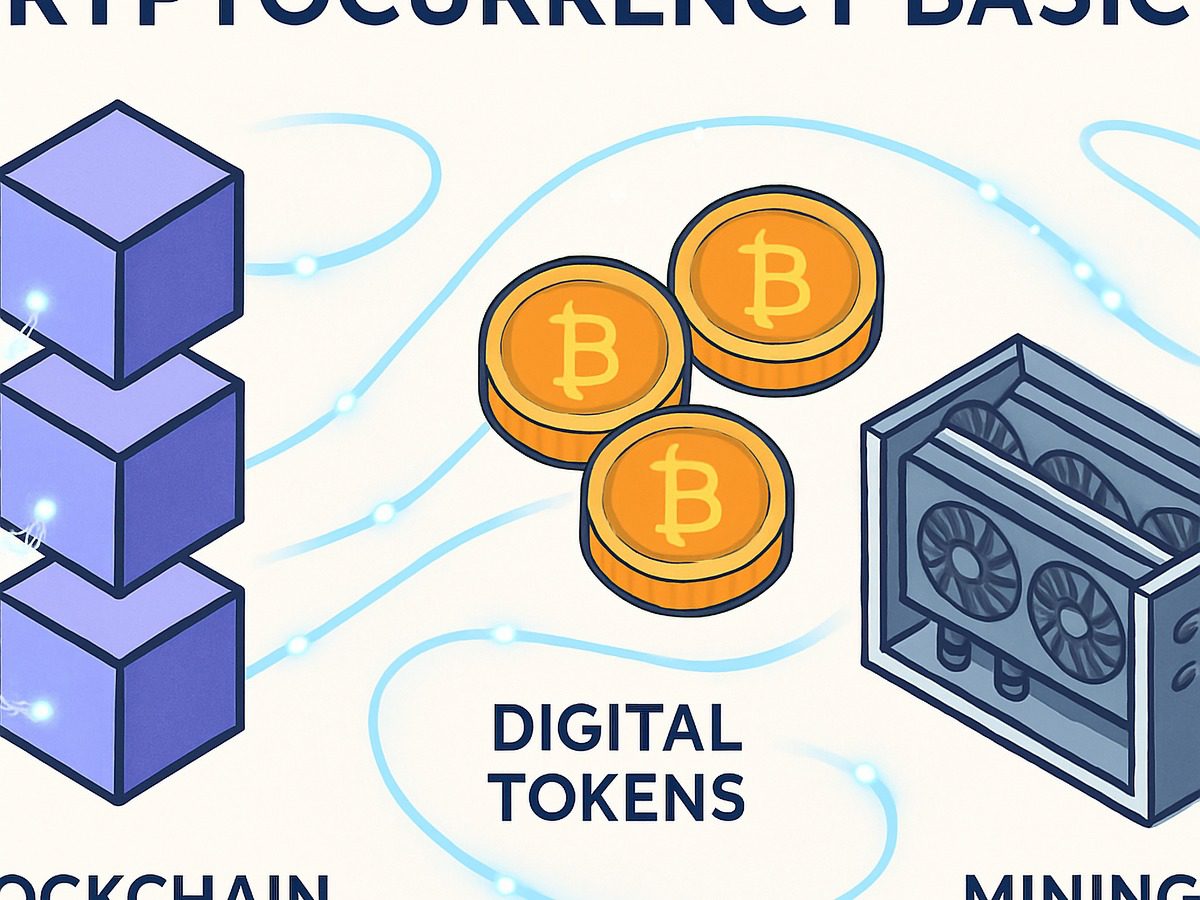
As of late 2025, one of the most significant institutional holders of CRO is Trump Media Group (via CRO Strategy Inc.). The group completed a purchase of approximately 684.4 million tokens in September 2025, a stake valued at over $100 million at the time, as part of a broader strategic partnership.
Beyond institutional players, Capital.com reports that the top 10 CRO holders control about 8% of the Cronos mainnet supply. The mistake most people make is assuming “millions of holders” automatically means no whale risk, large addresses can still move markets.
Where is Crypto.com Headquartered and Regulated?
Crypto.com is headquartered in Singapore, which matters because it influences how the company approaches licensing, compliance, and global operations. Singapore is a major hub for fintech and digital assets, and it supports Crypto.com’s international footprint.
Because private ownership can raise transparency questions, Crypto.com has pursued regulatory licenses in major markets, including the U.S., the UK, and Europe. This approach is designed to build trust with users who are cautious after past exchange failures.
What is the Role of Venture Capital and Investors?
Venture capital and strategic investors have helped Crypto.com finance growth, including major sponsorships that built mainstream awareness. Since its inception, the company has relied on funding rounds, and it also operates its own investing arm through Crypto.com Capital.
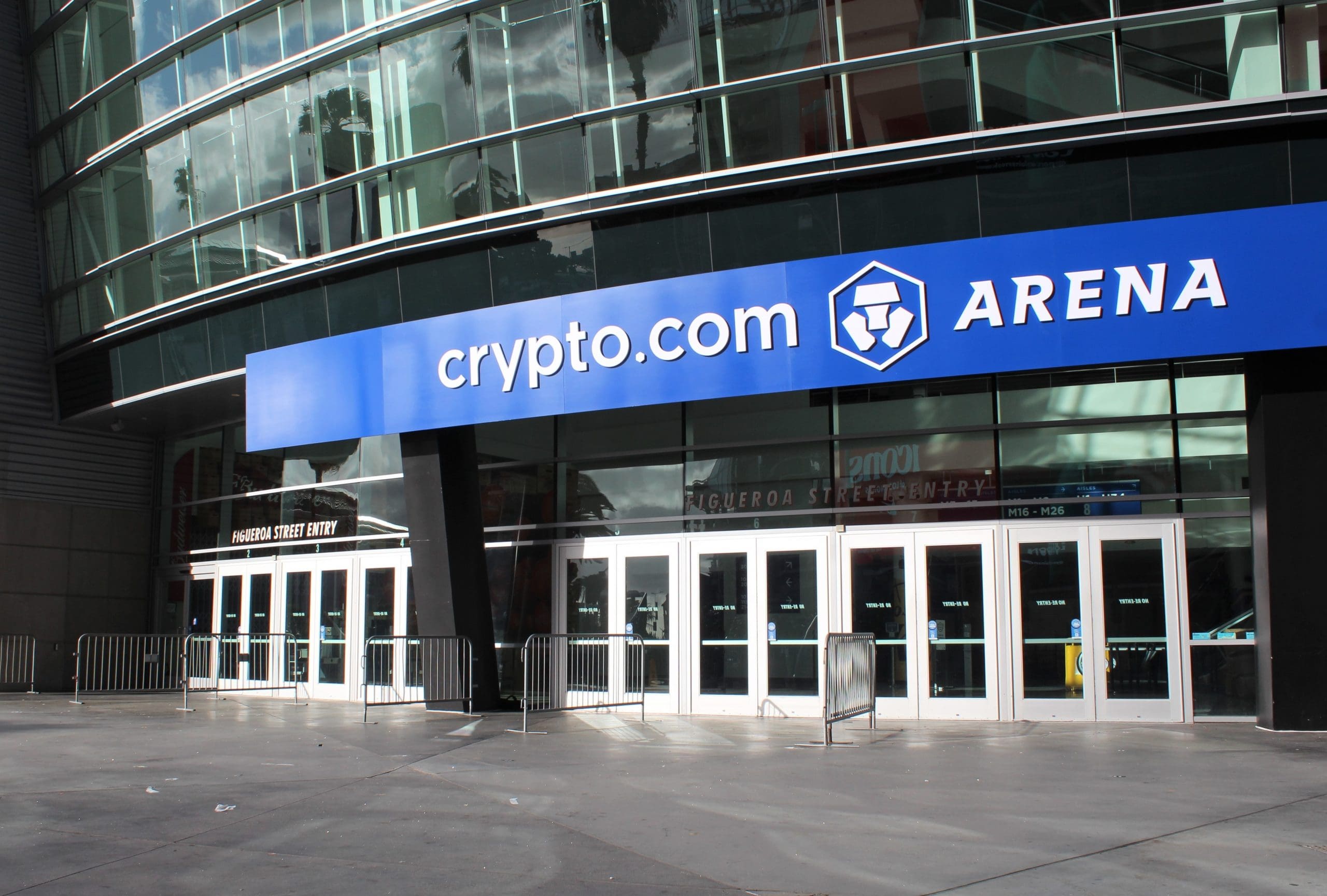
The partnership with Trump Media Group also included a $50 million investment from Crypto.com into Trump Media stock. These cross-investments show how a private crypto company can still be deeply connected to other major entities, even without public share disclosures.
How Does the Ownership Structure Impact Security?
A private ownership structure makes it harder to independently evaluate Crypto.com’s finances compared with a public company, which can matter when weighing Coinbase vs. Crypto.com for your portfolio. You generally can’t review audited quarterly filings the way you can for a listed exchange operator.
Crypto.com attempts to reduce that gap by publishing “Proof of Reserves” and undergoing third-party audits. While private ownership can be less transparent, comparing the platform's market offerings against public competitors like Coinbase helps contextualize its scale.
| Company | Spot Trading Fees | Supported Coins | Learn More |
|---|---|---|---|
| Crypto.com Exchange | 0.075%
For both maker and taker orders. The more you trade, the lower the fees - can decrease to as low as 0% - 0.050%. Holding and staking CRO tokens, Crypto.com native token, unlocks additional fee discounts. |
+350 | Read Review |
| Coinbase Exchange | $0.99 - 2.00% (Standard), 0.05% - 0.60% (Advanced Trade)
For transactions above $200 (standard account): 1.49% fee for using a bank account or USD wallet, 3.99% fee for using a debit or credit card. For Coinbase Advanced Trade: 0.60% for taker trades and 0.40% for maker trades. The more you trade, the lower the fees - can decrease to as low as 0% - 0.05%. |
+250 | Read Review |
| Kraken Exchange | 0.40% - 0.25%
0.40% for taker trades and 0.25% for maker trades. The more you trade, the lower the fees - can decrease to as low as 0% - 0.10%. Using GT tokens to pay trading fees offers a 10% discount |
+300 | Read Review |
| Gemini Crypto Exchange | $0.99 - 1.49% (Web & Mobile), 0.20% - 0.40% (Active Trader)
For Gemini’s website or mobile app users are charged 0.50% convenience fee For Active Trader, 0.40% for taker trades and 0.20% for maker trades. The more you trade, the lower the fees - can decrease to as low as 0% - 0.03%. |
+150 | Read Review |
Token concentration is also worth watching if you hold CRO. As Wikipedia documentation notes, the company burned 70 billion tokens in 2021 to decentralize the supply, but the influence of the largest addresses remains relevant for price stability analysis.
Is a Crypto.com IPO on the Horizon?
There is no confirmed IPO timeline, but speculation persists that Crypto.com could eventually go public. An IPO would give founders and early investors a clearer liquidity path and would also force more transparency through required filings.
With global crypto adoption reaching 737 million people by late 2025, more people than ever are trying to understand how to invest in crypto safely. According to Crypto.com's own research, the industry saw steady monthly growth throughout the past year, and that kind of momentum can make public-market funding more attractive despite the added scrutiny.
The Bottom Line
Crypto.com is owned by its founders and private investors, with Kris Marszalek serving as the primary leader. You can’t buy Crypto.com stock today, but you can participate in its ecosystem via the CRO token.
If you care about risk, focus on what you can verify: leadership, regulatory standing, and on-chain token concentration. The trade-off is simple, you may get rapid product expansion, but you give up the transparency that comes with public-company reporting.
