

Pure gold does not rust or tarnish. If something you own is labeled “gold” but shows black, green, or reddish discoloration, what you’re usually seeing is a reaction from the other metals mixed into the gold, or a thin gold plating wearing off.
This matters because discoloration is often your first clue about purity and authenticity. Whether you’re holding a family heirloom or a 1-ounce bullion bar, knowing what gold can (and can’t) do helps you store it correctly and spot questionable pieces before you overpay.
Key Takeaways
- Pure Gold (24k): This metal is chemically inert and will never rust or tarnish, even if submerged in water or buried for centuries.
- Alloys: Jewelry and coins made of 10k, 14k, or 18k gold contain base metals like copper or silver that can oxidize and discolor.
- Terminology: While consumers often call it “rust,” technically only iron-based metals rust. Gold items experience tarnish or corrosion.
- Verification: Simple home tests, such as checking hallmarks or using a magnet, can help determine if an item is real gold or a gold-plated base metal.
Short answer: no. Pure gold, which is 24-karat gold, is one of the least reactive metals.
It does not react with oxygen, which means it cannot rust (a process specific to iron) or tarnish.
This is why gold coins recovered from shipwrecks at the bottom of the ocean for hundreds of years still emerge with their brilliant yellow luster intact.
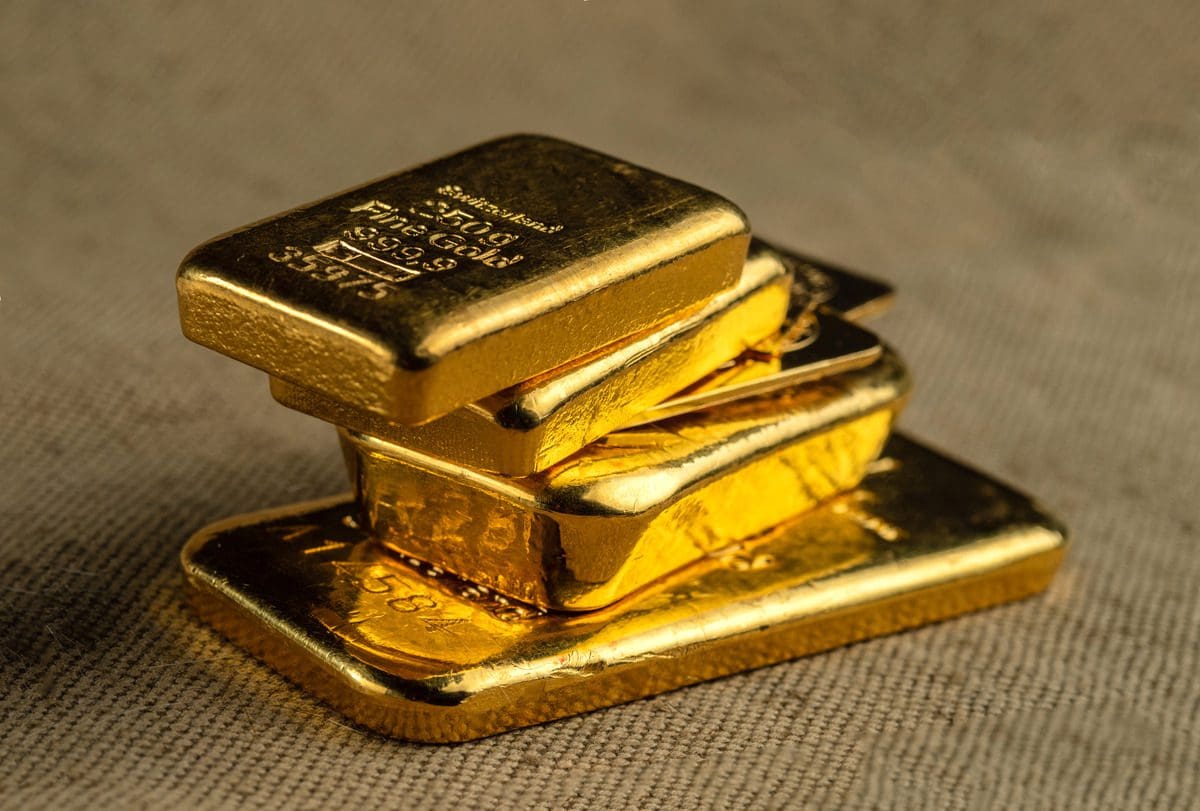
According to the U.S. Geological Survey (USGS), gold is chemically inactive and extremely resistant to most acids.
In practice, that durability is why gold shows up not only in jewelry, but also in high-end electronics and aerospace technology where reliability is critical.
Why Is Pure Gold Chemically Inert?
Gold is chemically inert because its electrons are arranged in a way that makes it difficult for other elements, like oxygen or sulfur, to bond with it. As a “noble metal,” it does not readily give up or share electrons in normal conditions.
Because gold does not form an oxide layer on its surface, it does not oxidize the way iron does. What actually matters here is that rusting is specifically the oxidation of iron.
Since gold contains no iron and does not oxidize, it cannot rust in the traditional sense.
Why Do Some Gold Karats Discolor?
Lower-karat gold can discolor because it contains more non-gold metals that react with air, moisture, sweat, and chemicals. Pure gold is very soft, so manufacturers mix it with other metals to make it durable enough for daily wear, and those mixtures are called alloys.
The “karat” system tells you the ratio of gold to other metals:
- 24-karat: 99.9% pure gold.
- 18-karat: 75% gold and 25% other metals.
- 14-karat: 58.3% gold and 41.7% other metals.
- 10-karat: 41.7% gold and 58.3% other metals.

When a 14k gold ring turns black or green, it is not the gold reacting. The catch is that the copper, silver, nickel, or zinc in the alloy can oxidize or tarnish.
As the Federal Trade Commission (FTC) outlines in its jewelry guides, the lower the gold content, the more likely the item is to experience surface discoloration, which is one of the common mistakes people make when buying physical gold.
What Is the Difference Between Rusting, Tarnishing, and Corrosion?
Rusting, tarnishing, and corrosion are different processes, and only one of them is “rust.” The mistake most people make is calling any discoloration on metal “rust,” even when iron is not involved.
- Rusting: This is the oxidation of iron and its alloys (like steel). It requires oxygen and water. Because gold contains no iron, it cannot rust.
- Tarnishing: This is a surface reaction that occurs on metals like silver and copper when they are exposed to sulfur or oxygen. It creates a thin, dark layer that can usually be polished away.
- Corrosion: This is the general term for the gradual destruction of metals by chemical reaction. While pure gold does not corrode, the base metals in gold alloys can.
Do White Gold and Rose Gold Rust?
White gold and rose gold do not “rust,” but they can discolor because their color comes from alloy metals and, in white gold’s case, a surface plating. The trade-off is that you get a specific look (pink or bright white), but you may also deal with more noticeable changes over time.
- Rose Gold: This gets its pinkish hue from a high copper content. Because copper is reactive, rose gold can tarnish over time.
- White Gold: This is typically an alloy of gold and nickel or palladium, and it is often plated with rhodium for a bright finish. When the rhodium wears off, the warmer tone of the underlying metal can show through. That shift is often mistaken for rust, but it is usually normal wear of the protective coating.
How Can You Identify Real Gold at Home?
You can check whether a “rusting” gold item is real gold, a lower-karat alloy, or gold-plated by using a few basic at-home tests. These won’t replace a professional evaluation, but they can help you decide whether it’s worth taking the next step.
- The Magnet Test: Gold is not magnetic. If your “gold” bar or chain sticks to a strong magnet, it likely has a core of iron or steel.
- The Hallmark Check: Look for small stamps like “14k,” “585,” or “999.” While stamps can be faked, they are a useful first clue.
- The Skin Test: If wearing the gold turns your skin green or black, it suggests a higher concentration of base metals reacting with sweat and skin oils.
- The Vinegar Test: Real gold is not affected by vinegar. If you drop a few drops of vinegar on the metal and it changes color, it is not pure gold.
For high-value assets, it is best to seek a professional appraisal. As the Gemological Institute of America (GIA) notes, professional tools like X-ray fluorescence (XRF) can determine the exact metal composition without damaging the item.
What Are the Best Practices for Gold Storage?
Gold stores best in a clean, dry environment, especially if you own jewelry or coins that are not 24k. Managing humidity and reducing exposure to chemicals helps prevent the alloy metals from reacting.

- Climate Control: Store gold in a cool, dry place. High humidity can accelerate tarnishing of the silver and copper components in alloys.
- Separate Containers: Store items individually in soft cloth pouches. This prevents scratches and limits exposure to air.
- Avoid Chemicals: Keep gold away from household cleaners, chlorine, and hairspray. Chlorine is particularly damaging and can cause stress fractures in gold alloys.
- Airtight Storage: For bullion and coins, consider airtight plastic capsules or vacuum-sealed bags to limit atmospheric interaction with alloyed metals.
Top-Rated Gold Dealers for Safe Storage
If you are looking to purchase physical gold that is highly resistant to corrosion, choosing a reputable dealer is essential for both quality and secure storage options.
| Company | Minimum Investment | Storage Fee | Learn More |
|---|---|---|---|
| Goldco | $15,000 / $25,000
$15,000 for cash purchases / $25,000 for gold IRA |
$100 - $150
Non-Segregated: $100 | Segregated: $150 per year . Estimated annual fee. |
Read Review |
| American Hartford Gold | $5,000 / $10,000
$5,000 for cash purchases / $10,000 for gold IRA |
$200 - $280 | Read Review |
| Augusta Precious Metals | $50,000 | $200 - $250
$250 first year, $250 after that. Estimated annual fee for storage |
Read Review |
The Bottom Line
Pure gold will never rust or tarnish. If a “gold” item changes color, the discoloration is almost always coming from alloy metals oxidizing, or from plating wearing down.
Store gold in a dry place, keep it away from harsh chemicals, and get suspicious or high-value pieces verified by a professional, or start with simple checks like hallmarks and a magnet test.
