

Pure 24-karat gold does not tarnish because it is chemically inactive and does not react with oxygen. However, most gold items owned by U.S. consumers are alloys, meaning the gold is mixed with metals like copper or silver that do react with the environment.
If your gold is turning dark or dull, you are likely seeing the oxidation of these secondary metals rather than the gold itself.
Whether you are holding jewelry, bullion, or numismatic coins from the best place to buy gold online, understanding these chemical interactions is essential for preserving your value. This guide covers why gold changes color, how to clean it safely, and how to prevent future discoloration.
Key Takeaways
- Purity Matters: Pure 24k gold does not tarnish because it does not react with oxygen.
- Alloy Reactions: Lower karat gold (10k, 14k, 18k) contains metals like copper and silver that oxidize over time.
- Environmental Triggers: Exposure to moisture, sulfur, chlorine, and even skin oils can accelerate discoloration.
- Maintenance: Most tarnish can be removed at home with mild soap and water, though professional help is recommended for valuable items.
What is the chemical composition of pure gold?
Pure gold is a “noble metal,” a classification given to elements that are naturally resistant to oxidation and corrosion. In its purest form, 24-karat gold consists of 99.9% gold atoms.
Because these atoms have a stable electron configuration, they do not easily bond with oxygen or sulfur in the air.
This chemical stability is why gold has been prized for millennia. Ancient artifacts recovered from shipwrecks or underground tombs often emerge with the same luster they had thousands of years ago.
According to Investopedia’s overview of gold, this durability is a primary reason why gold remains a foundational asset in the global financial system.
Does 24k pure gold tarnish over time?
No, 24k pure gold will never tarnish under normal environmental conditions because it does not form an oxide layer. If you see a 24k gold bar or coin that appears dirty, it is likely surface contamination, such as dust or grease, rather than a chemical change.
You can usually restore the shine by simply wiping the surface with a soft cloth.
The trade-off is that 24k gold is very soft and easy to damage physically. While it won’t tarnish, it is highly susceptible to scratching and bending.
For this reason, pure gold is rarely used for everyday jewelry and is instead reserved for investment-grade bullion and high-end commemorative coins.
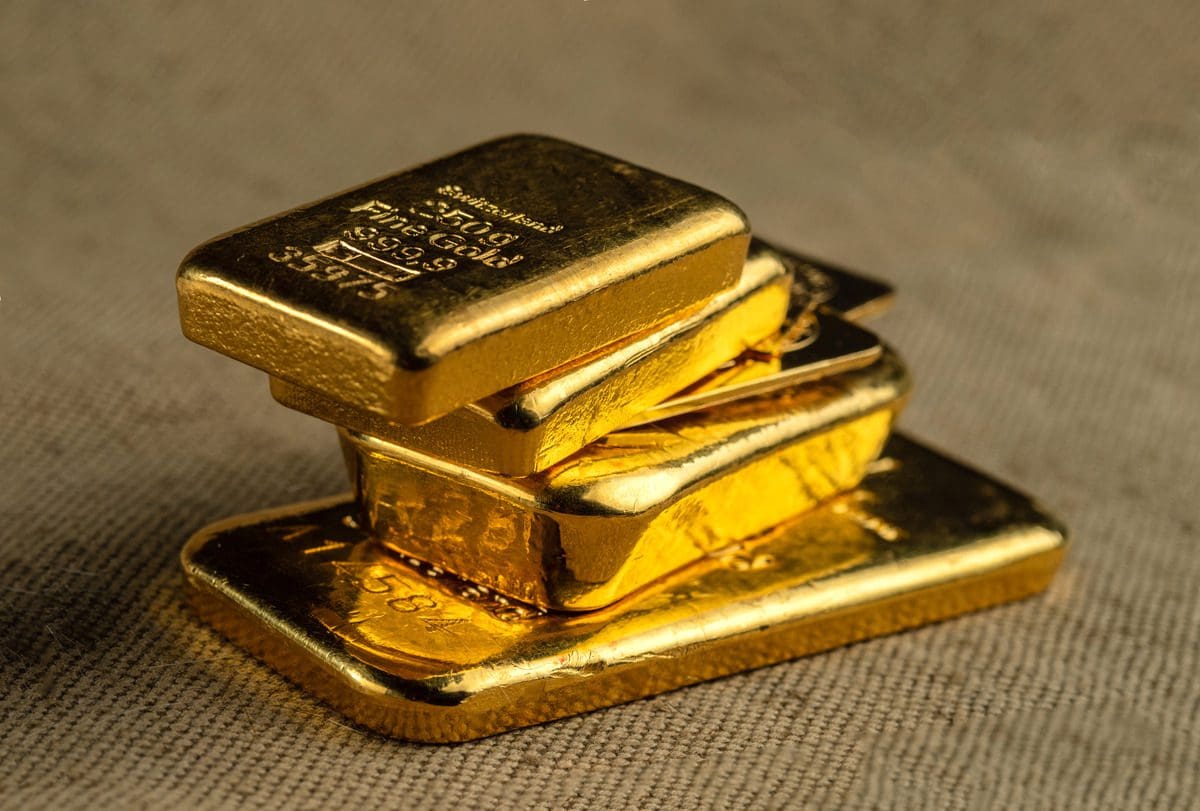
Why do gold alloys like 10k and 14k react to air?
Gold alloys tarnish because they contain base metals like copper, silver, or nickel that oxidize when exposed to oxygen and moisture. To make gold durable enough for rings and watches, manufacturers mix it with these harder metals.
You should consider this composition when learning how to buy gold jewelry that will last.
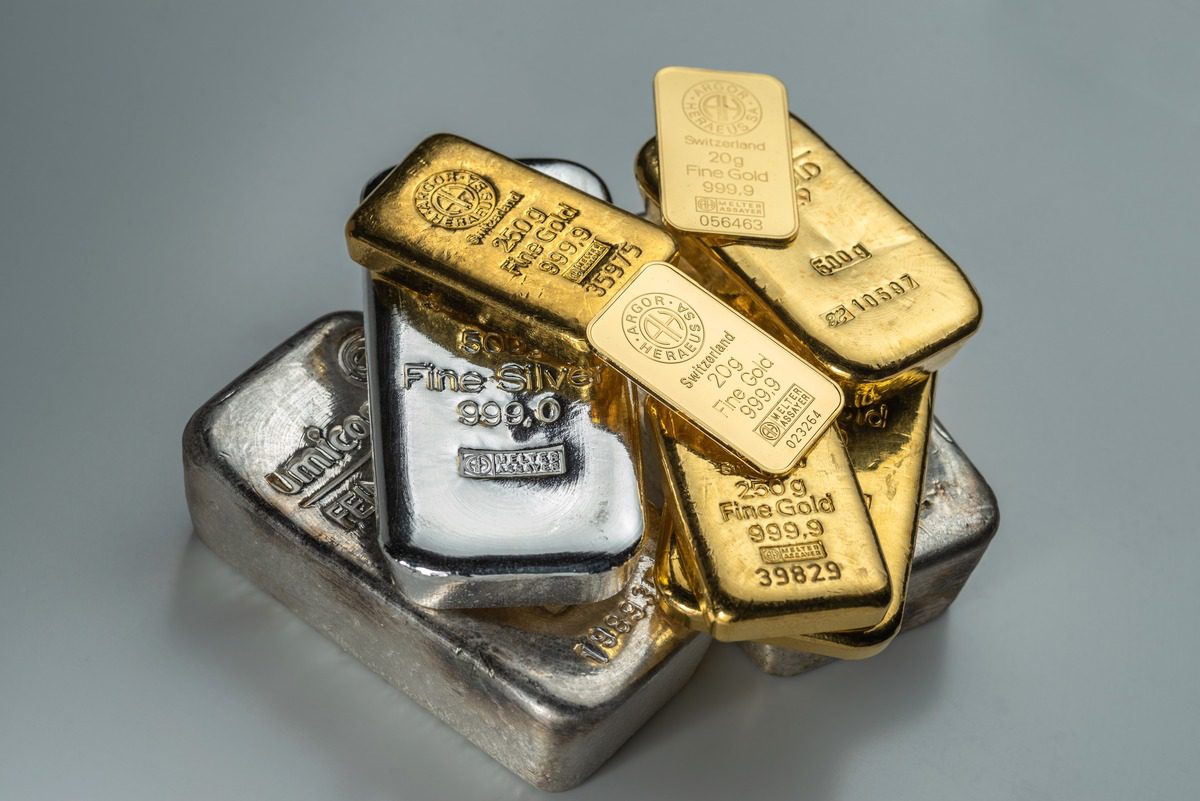
A 14k gold ring is approximately 58.3% gold, with the remainder consisting of reactive base metals. When these metals are exposed to the air, they undergo a chemical reaction called oxidation.
This is why a 10k gold chain will tarnish much faster than an 18k gold chain; there are simply more base metal atoms available to react.
What are common causes of gold discoloration?
Discoloration is usually triggered by exposure to sulfur, chlorine, high humidity, and your own skin chemistry. In practice, tarnish is rarely the result of air alone.
Several common household and biological factors can speed up the process:
- Sulfur: This is the primary enemy of silver and copper. Sulfur compounds are found in certain foods, polluted air, and even some types of paper and rubber bands.
- Chlorine: Exposure to pools or hot tubs can cause “stress corrosion cracking.” This can potentially damage the structural integrity of your jewelry.
- Skin Chemistry: Everyone’s body chemistry is different. High acidity in sweat or the chemicals in lotions and perfumes can cause gold jewelry to blacken or turn green on your skin.
- Moisture: High humidity levels provide the medium necessary for chemical reactions to occur. This allows the alloy metals to bond more easily with elements in the air.
How do you identify tarnish versus permanent damage?
Tarnish usually appears as a removable yellowish or blackish film on the surface, whereas permanent damage involves the actual loss of metal. It is important to distinguish between a surface-level film and structural issues.
Surface tarnish can often be rubbed away with a specialized polishing cloth or a mild cleaning solution.
The mistake most people make is ignoring signs of “pitting” or flaking. Permanent damage includes deep scratches, small holes caused by harsh chemicals, or thinning of the bands.
If the gold appears to be flaking off, you likely have gold-plated jewelry and may need to tell if your gold is real and solid.
Safe methods for cleaning gold at home
For most tarnished jewelry, a gentle cleaning at home is sufficient to restore its appearance. Follow these steps in order:
- Soak: Place the item in a bowl of warm water mixed with a few drops of mild, phosphate-free dish soap.
- Brush: Use a very soft-bristled toothbrush to gently scrub the crevices where dirt and oils accumulate.
- Rinse: Run the item under lukewarm water to remove soap residue while ensuring the drain is plugged.
- Dry: Pat the gold dry with a soft, lint-free cloth.
Avoid using toothpaste, baking soda, or harsh chemicals like bleach. These abrasives can scratch the gold or cause chemical reactions that weaken the alloy over time.
Best practices for storing gold to prevent oxidation
Proper storage is the most effective way to maintain your gold's appearance by minimizing exposure to the elements. For large-scale investors, utilizing professional depositories through reputable dealers can ensure assets are kept in climate-controlled environments that eliminate environmental risks.
| Dealer | Minimum Investment | Storage Fee | Learn More |
|---|---|---|---|
| American Hartford Gold | $5,000 / $10,000
$5,000 for cash purchases / $10,000 for gold IRA |
$200 - $280 | Read Review |
| Goldco | $15,000 / $25,000
$15,000 for cash purchases / $25,000 for gold IRA |
$100 - $150
Non-Segregated: $100 | Segregated: $150 per year . Estimated annual fee. |
Read Review |
| Augusta Precious Metals | $50,000 | $200 - $250
$250 first year, $250 after that. Estimated annual fee for storage |
Read Review |
- Use Airtight Containers: Storing gold in a zip-lock bag or an airtight jewelry box can significantly slow down oxidation.
- Separate Your Pieces: Store items in individual soft pouches to prevent different metals from reacting with each other.
- Include Silica Packets: Placing a moisture-absorbing silica gel packet in your storage container can help keep the air dry.
- Controlled Environment: Avoid storing gold in bathrooms or damp basements where humidity levels are high.
The difference between tarnish and patina on coins
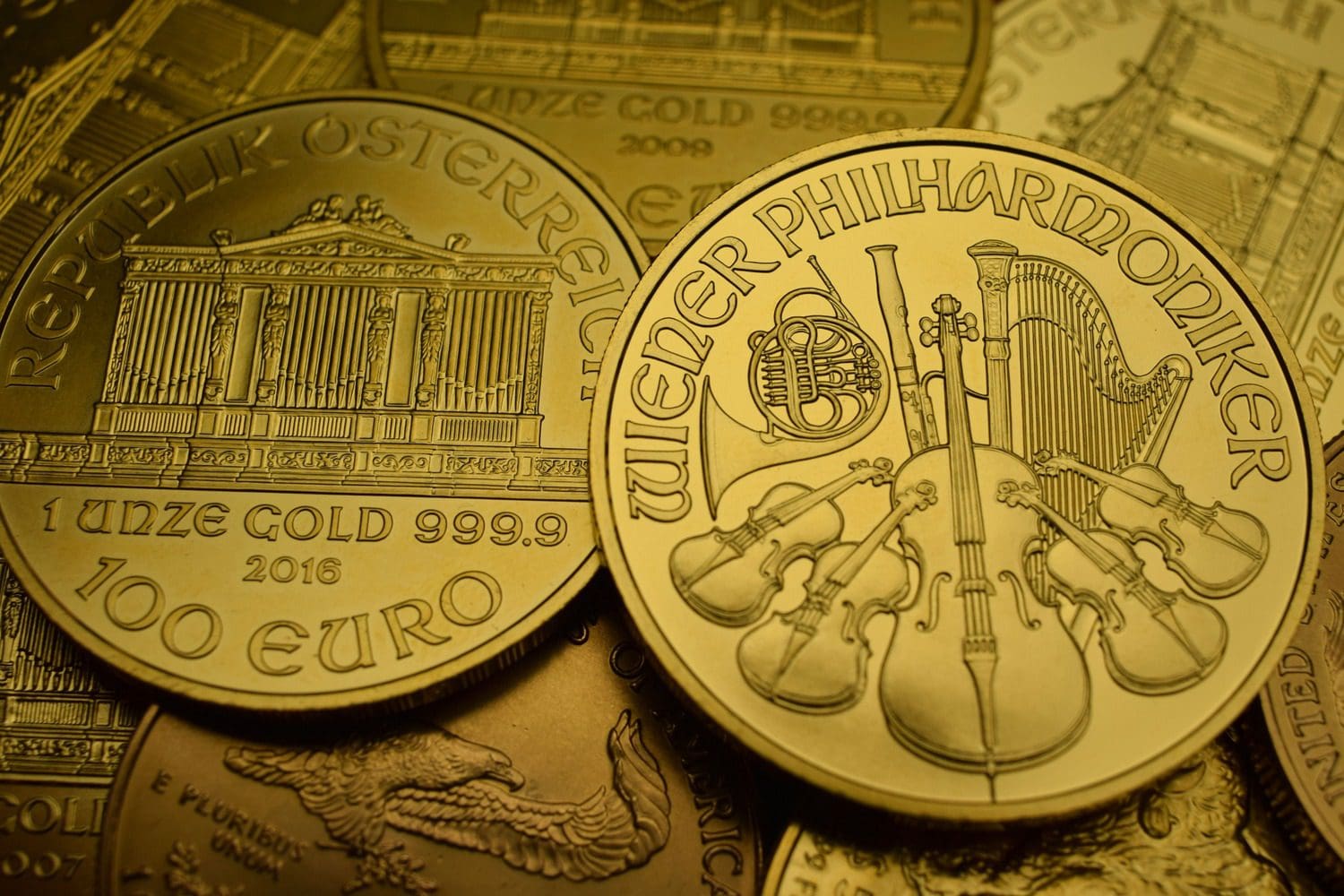
Tarnish is generally viewed as unwanted grime on jewelry, while “patina” is a natural layer of oxidation on coins that can actually increase their collector value. What actually matters here is that patina or “toning” develops over decades and is often prized by numismatists.
On gold coins with high copper content, this can result in a deep orange or rose tint.
According to U.S. Mint guidelines, you should never attempt to clean or “dip” a collectible coin to remove this toning. Doing so can strip the original luster and significantly reduce the coin's market value.
This is why purity and condition are vital when deciding which gold coin you should buy for your collection.
The Bottom Line
While pure 24k gold is immune to tarnish, most gold products are alloys that will eventually discolor if you do not maintain them. By keeping your gold dry, storing it in airtight containers, and cleaning it with gentle soap, you can preserve its luster for generations.
If you encounter deep corrosion or own high-value collectible coins, seek professional restoration rather than risking a DIY fix or making common physical gold buying mistakes.
