

White gold is made by alloying pure yellow gold with white metals like silver, nickel, or palladium, then finishing it with a thin rhodium plating for a bright white shine. It is essentially an engineered version of gold that provides a sleek, modern look at a more accessible price point than platinum.
Because pure gold is always yellow, any white gold jewelry you see is the result of careful metallurgical blending and surface finishing.
Below is how the process works, what karat ratings actually mean for your jewelry, and what to expect regarding long-term maintenance.
Key Takeaways
- Made by alloying: White gold starts as yellow gold mixed with “white” metals like nickel, silver, palladium, or zinc to shift the color.
- Often rhodium-plated: A thin rhodium layer is commonly applied to boost brightness and create a mirror-like finish.
- Karats still matter: 14K and 18K white gold contain less than 100% gold; higher karats indicate a higher gold content and fewer alloying metals.
- Maintenance is normal: Most pieces require periodic rhodium replating to maintain their bright-white appearance, especially rings worn daily.
- Investment value: White gold jewelry usually resells based on its raw gold content rather than its status as a collectible bullion asset.
What is white gold, and how is it different from yellow gold?
White gold is an engineered alloy created by mixing pure yellow gold with silver-colored metals to bleach its natural yellow tone. While 24K gold is naturally a deep yellow, white gold does not occur in nature.
Instead, jewelers modify the gold to change its color and increase its hardness, which is a similar consideration to when you might decide should I buy gold or silver.
In practice, the exact color of the base alloy can vary by manufacturer. Some white gold has a slightly warm or grayish tint before it is finished, which is why a rhodium topcoat is the industry standard for that signature “icy” look.
How is white gold made through alloying?
The core manufacturing step is alloying, which involves melting pure gold and mixing it with lighter-colored metals to neutralize the yellow tint. Common metals used in this process include nickel, silver, and palladium, though some formulas may include zinc or manganese.
This process is detailed in resources such as American Hartford Gold’s overview and GoldSell’s guide.
There is no single universal recipe for the alloy. Choices depend on the desired color, hardness, and cost.
For example, some manufacturers use a blend of gold with silver, nickel, and zinc to achieve a specific durability profile.
Technical formulations can be highly specific and are sometimes even proprietary. One U.S. patent describes a 14K white gold alloy using roughly 58.34% gold and 39.66% silver, with trace amounts of tin and germanium, as seen in U.S. Patent US6951588B1.
The mistake most people make is assuming all 14K white gold is identical, but the specific metals used can change how the piece wears over time.
What is rhodium plating, and why is it used on white gold?
Rhodium plating is a finishing process where a microscopic layer of rhodium is electroplated over the white gold alloy. Rhodium is a rare, naturally bright-white metal that enhances shine and provides the highly reflective surface people expect from white gold.
This “final coat” is explained further in StoneX Bullion’s discussion of rhodium plating.
You should keep two practical factors in mind. First, rhodium plating affects the final appearance more than the karat stamp does.
Second, the thickness and workmanship of the plating vary between jewelers, which determines how long the finish lasts before the warmer base metal begins to show.
What do white gold karat ratings mean for purity?
Karat is the specific measure of how much pure gold is present in your jewelry alloy. When you are evaluating how to buy gold and silver, understanding these purity levels is essential for determining value.
- 24K gold: This is essentially 100% pure gold and is always yellow.
- 18K white gold: This contains 75% gold, leaving less room for “white” alloying metals, which can sometimes result in a slightly warmer base tone.
- 14K white gold: This contains about 58.3% gold, allowing for a higher percentage of alloying metals, which often makes the metal harder and naturally whiter.
What actually matters here is that the karat tells you the gold content, not the specific alloy recipe. Two 14K rings may have the same gold purity but use different amounts of nickel or palladium.
Why is white gold so popular for engagement rings?
White gold is a top choice for engagement rings because its neutral color complements the brilliance of diamonds and colorful gemstones alike. It offers the prestigious “platinum look” but typically comes with a lower upfront price tag.
Many shoppers find that this balance of aesthetics and value makes it the most practical choice for bridal jewelry.
From a visual standpoint, the rhodium plating makes the metal look exceptionally bright under jewelry store lights. This high-contrast look helps diamonds appear larger and whiter.
How does white gold compare with platinum for durability and upkeep?
White gold and platinum have different maintenance requirements that you should consider before buying.
White gold stays bright through rhodium plating. The trade-off is that this plating wears away over time, requiring you to have it replated every few years.
Platinum is naturally white and does not need plating, but it is softer and develops a “patina” of small scratches over time.
The choice usually comes down to your lifestyle. If you want a mirror-like finish and don't mind occasional maintenance, white gold is ideal; if you prefer a metal that is heavier and naturally matte, platinum is the better fit.
How often does white gold need rhodium replating, and how do you care for it?
Replating frequency depends entirely on your daily habits, your skin chemistry, and how much friction the piece receives. Rings worn every day show wear much faster than earrings or necklaces.
Most people find they need a fresh rhodium dip every 12 to 24 months to keep the piece looking new.
You can help preserve the finish by removing your jewelry during heavy cleaning or when using harsh chemicals.
While you can learn how to safely clean gold at home with mild soap, professional replating is the only way to restore the original luster once the rhodium wears thin.
Is white gold a good long-term investment?
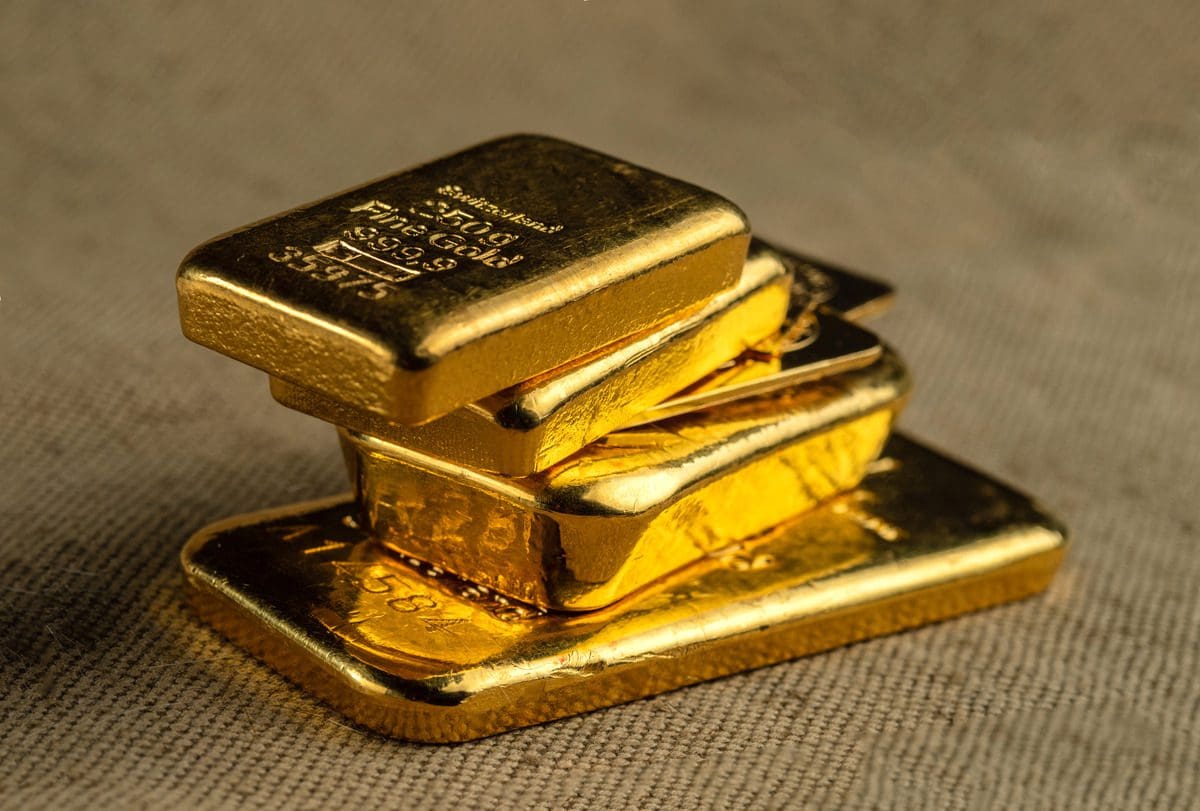
White gold jewelry is generally a wearable asset rather than a strict investment vehicle. Reviewing the pros and cons of physical gold shows that jewelry carries high retail markups that you rarely recover when selling.
Your resale value will be tied primarily to the weight of the gold content rather than the initial store price.
There are two other factors to consider regarding health and authenticity. Many white gold alloys use nickel to achieve the white color.
If you have sensitive skin, you should ask for nickel-free white gold, which usually uses palladium instead.
Always look for a hallmark or karat stamp, such as 14K or 18K. Buying from reputable sellers ensures the metal matches the description and has been plated correctly.

The Bottom Line
White gold is a versatile and beautiful metal created by blending yellow gold with white alloys and finishing it with rhodium. While it requires periodic maintenance to stay bright, it offers a high-end look that fits most budgets.
When shopping, always ask about the specific alloy used and the cost of future replating. This ensures your jewelry remains a lasting part of your collection.
