

To clean gold safely, start with the gentlest method: warm water, a small amount of mild dish soap, and a soft cloth or very soft brush. Avoid abrasive cleaners, harsh chemicals, and aggressive polishing, which can scratch gold, strip finishes, or (for collectible coins) permanently reduce value.
This matters because with gold, especially anything collectible, the mistake most people make is trying to make it look “like new.” In practice, leaving light grime alone is often less risky than cleaning that changes the surface.
This guide covers the safest DIY steps, what to avoid, how to safely clean gold coins, how to handle gold with gemstones, and how to store gold so you have to clean it less often.
Key Takeaways
- Safest method: Warm water plus mild dish soap and a soft cloth is the go-to approach for most gold jewelry.
- Big risk for investors: Cleaning collectible gold gold coins can lower collector value, even if the coin looks “better.”
- Avoid abrasives: Toothpaste, baking soda pastes, and harsh scrubs can scratch gold and dull its finish.
- Gemstones need extra care: Some stones and settings can be damaged by soaking, heat, or ultrasonic cleaners.
- Storage matters: Proper storage reduces oils, scratches, and the need for frequent cleaning.
Why does proper gold cleaning matter for long-term value?
Proper gold cleaning matters because the wrong method can permanently change the surface, and with investment-grade pieces that can hurt resale value more than a little dirt ever would. Gold is durable, but not indestructible.
Most “dirty gold” is simply coated with everyday grime: skin oils, lotions, soap residue, or dust that dulls shine. Understanding the benefits and risks of gold investment is key to maintaining your physical assets in a way that preserves their resale appeal.
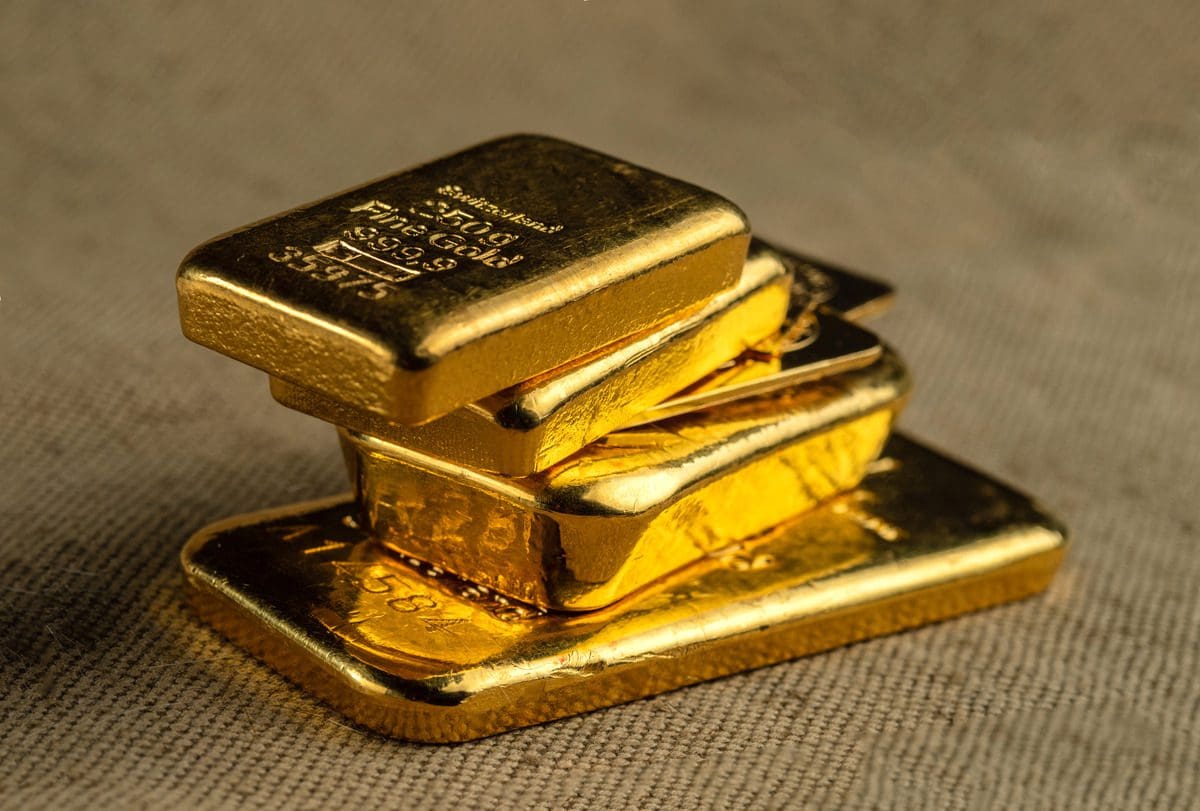
What actually matters here is avoiding over-cleaning or using the wrong tools. Gold is relatively soft, so abrasive scrubbing can create fine scratches that reduce luster.
For investment-grade items, especially collectible coins, surface changes can affect resale value. As one bullion-focused guide notes, most gold coins should not be cleaned because it can significantly reduce collector value (Hero Bullion’s cleaning guide).
A practical rule: clean only when you need to, and always start with the least aggressive method.
How do you clean gold safely at home (step-by-step)?
For most plain gold jewelry, soap and water is the safest DIY method. Those looking to expand their collection should research how to buy gold jewelry to ensure they are selecting high-quality pieces that are easy to maintain at home.
Basic DIY method (works for most gold jewelry):
- Mix a solution: Add a few drops of mild dish soap to a bowl of warm (not hot) water.
- Soak briefly: Let the gold sit for a few minutes to loosen oils and residue.
- Wipe or lightly brush: Use a soft microfiber cloth. If there are crevices, use a very soft brush with minimal pressure.
- Rinse well: Rinse with clean water to remove soap film.
- Dry completely: Pat dry with a soft cloth. Let it air-dry fully before storing.
Quick safety checks:
- If the item has loose stones, skip brushing and consider professional help.
- If the piece is plated (gold-plated or vermeil), go extra gentle. The trade-off is that even “careful” rubbing can still wear plating over time.
What supplies should you use for cleaning gold jewelry and coins?
You do not need a strong cleaner, you need soft tools that minimize scratching. Best basic supplies include mild, non-abrasive dish soap, warm water, and a microfiber cloth.
If your goal is preserving investment value, the safest “supply” is often restraint: clean less, handle less, and store better. This is especially true for bars or coins sourced from the best place to buy gold online, where original condition can affect liquidity.

How do you clean gold with gemstones or diamonds safely?
Clean gold with gemstones using the same warm water and mild soap method, then keep the handling gentle around prongs and settings. Diamonds are durable, but the setting, prongs, and any accent stones may not be.
A common at-home approach for diamond jewelry is a gentle soak in warm water diluted with mild soap, followed by careful cleaning and rinsing (Noemie’s diamond and jewelry cleaning guidance).
Safer approach for gemstone jewelry:
- Use the same warm water + mild soap method.
- Keep soak times modest and avoid hot water.
- Use a soft cloth around stones and prongs rather than aggressive brushing.
- Dry thoroughly, especially around settings.
Be cautious with ultrasonic cleaners. Some sources note ultrasonic baths can restore shine for well-worn pieces, but they can also loosen stones or damage certain settings or treated stones if used improperly (Novalita Vintage’s deep-cleaning tips).
If you are unsure what stones you have or how they are set, a jeweler is the safer option.
What household products can damage your gold?
Many household cleaners and DIY “hacks” can damage gold because they scratch the metal, wear finishes, or weaken non-gold components in the piece.
Common things to avoid:
- Abrasives: Toothpaste, baking soda pastes, scouring powders, and rough paper towels can create micro-scratches.
- Harsh chemicals: Strong bleach or chlorine-based cleaners can discolor or weaken some jewelry components.
- Aggressive polishing compounds: Over-polishing can remove metal over time and can change the look of finishes.
If you are tempted to “try a hack,” remember that a slightly dull surface is usually fixable. Scratches and altered surfaces are not.
Should you clean collectible gold coins and bars?
If you own collectible or potentially numismatic coins, do not clean them as your default. Cleaning can leave permanent hairline scratches, so it is better to first verify your gold coin value to see if the item is a rare specimen.
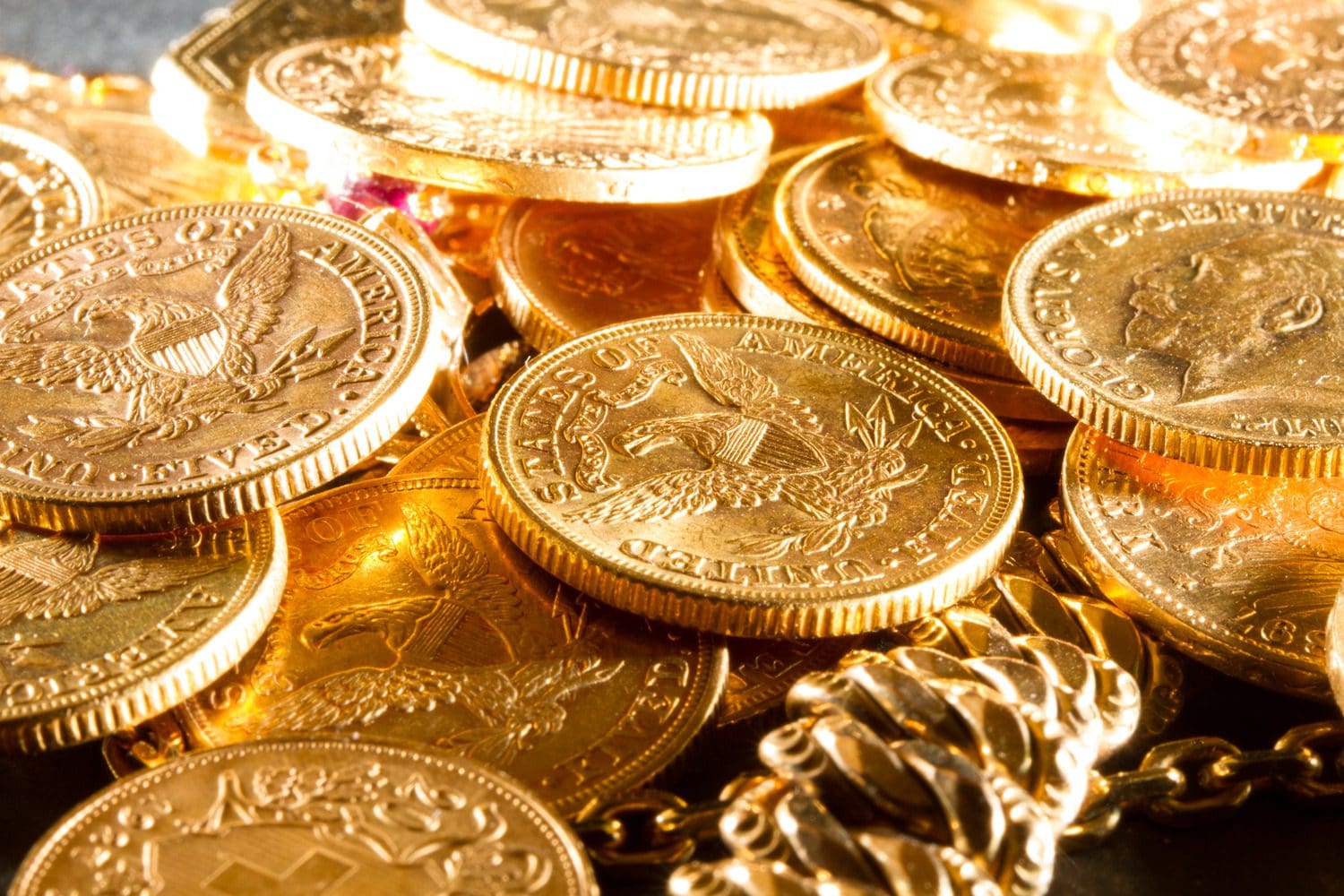
Better habits for coins and bars:
- Handle by edges only: Ideally with gloves.
- Keep protective packaging: Store items in original capsules, flips, or other protective holders.
- Get expert help for odd residue: If something looks wrong (spots, haze, residue), use a professional who understands numismatic preservation.
For widely traded bullion coins where value is mostly tied to gold content, cleaning can still create avoidable risk. If it is not necessary, skip it.
When should you use a professional gold cleaning service?
Use a professional cleaning service when you want the lowest-risk option for a piece that is easy to damage at home. DIY cleaning is budget-friendly and convenient, but it is not always the best fit for every piece (Galvin Jewellery’s DIY vs. professional overview).
Professional cleaning makes sense if stones are loose, as weak prongs are easy to worsen with brushing. It is also ideal for intricate filigree where grime is hard to remove safely.
If you suspect damage like deep scratches or bent prongs, the item needs repair rather than cleaning. High-value or sentimental items are always worth the added caution of a professional.
How often should you clean gold, and how can storage prevent future tarnishing?
You should clean gold only when it looks dull or feels grimy, and for stored investment items you should clean rarely, if ever. There is no single schedule that fits everyone.
Clean frequently worn jewelry occasionally when it looks dull. For stored investment items, clean rarely unless there is a clear issue.
Good storage reduces the need to clean by keeping gold dry and separated in soft pouches or lined boxes. For coins and bars, use protective holders and minimize handling.
How to tell tarnish vs. permanent damage: Most gold “tarnish” is actually surface buildup that restores shine after a soap-and-water soak. If the surface remains scratched or pitted afterward, that is consistent with wear or damage.
The Bottom Line
Clean gold like you would treat any investment asset: gently, infrequently, and with an eye toward preserving condition. For most gold jewelry, mild soap and warm water are enough.
For collectible coins, the safest move is usually not to clean at all and focus on careful handling and storage.
