

14K gold is the ideal choice for most people because it strikes the perfect balance between real gold content and the hardness needed for everyday wear. It offers the classic look of fine jewelry without the high price tag or fragility of 18K or 24K gold.
This guide breaks down what 14K gold is, how it compares to other purities, and what to expect regarding durability. You will also learn how to buy gold jewelry with confidence, how resale value is calculated, and how to spot authentic hallmarks.
Key Takeaways
- Purity: 14K gold is 58.3% pure gold by weight (fineness 0.583), with the rest made of other metals for strength.
- Wearability: Compared with 18K and 24K, 14K is typically more resistant to daily dings and scratches because it contains more alloy metals.
- Color: 18K often looks richer yellow; 14K is usually a bit lighter and more subtle, especially in white gold.
- Resale: The base gold value is tied to spot price, purity, and weight, but most scrap buyers pay less than the “math” due to fees and margins.
- Investment: 14K jewelry holds material value, but it is usually not as efficient as bullion if your main goal is pure gold exposure.
What is 14K gold and how is it made?
14K gold is a metal alloy made of 14 parts pure gold and 10 parts other metals like copper, silver, or zinc. In percentage terms, it is 58.3% pure gold by weight, often marked as fineness “0.583” or “583.”
This purity figure is a standard industry benchmark used in valuation guides, including Sebastian Charles Auctions’ 14K gold valuation overview.
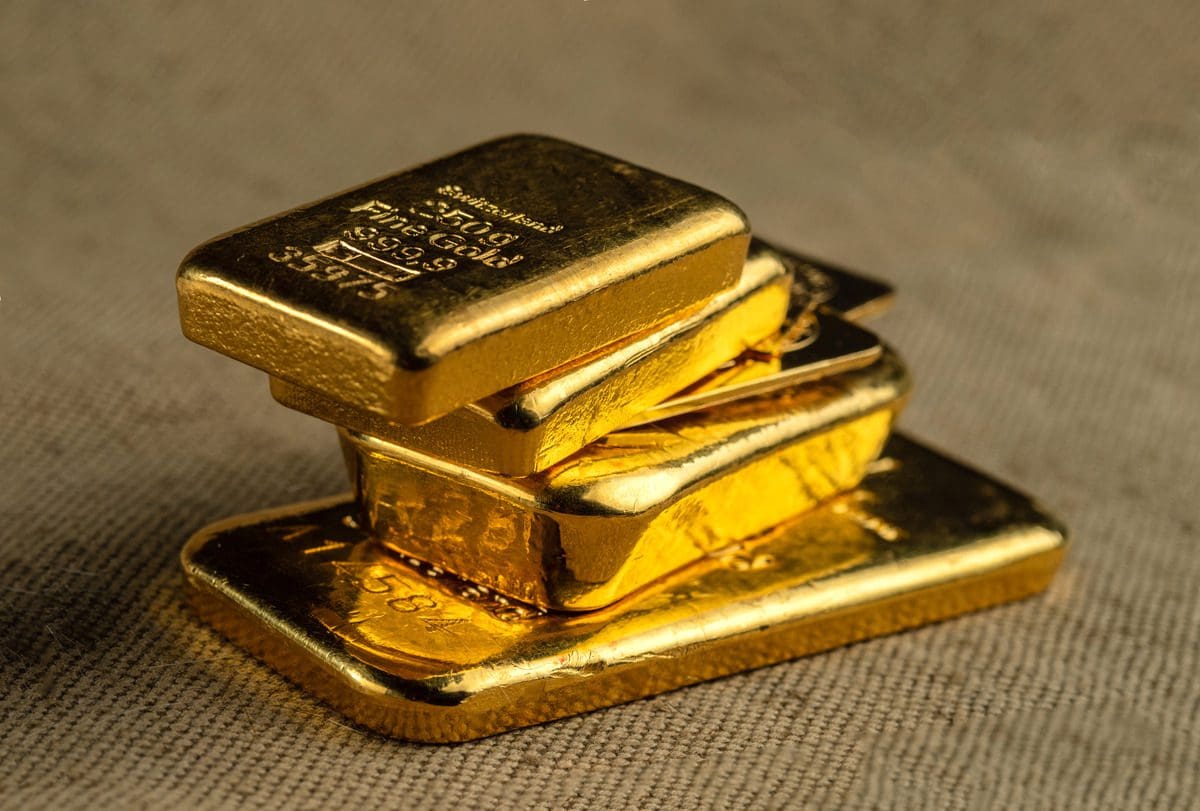
Pure gold (24K) is naturally soft, so jewelers mix it with other metals to increase its hardness and change its color. Understanding these alloys is a vital part of gold investing for beginners who want to know exactly what they are purchasing.
The exact recipe of these metals varies between manufacturers, which is why two different 14K pieces might show slightly different wear patterns over time.
14K vs. 10K vs. 18K vs. 24K: how do they compare on purity, color, and durability?
Choosing between these karats involves a trade-off between purity and durability, where 14K sits right in the middle as the “Goldilocks” option. If you are deciding what to buy, think of karat as a scale of toughness:
- 10K: This has lower gold content than 14K and is typically harder and more affordable. In the U.S., 10K is commonly the minimum purity marketed as “gold.”
- 14K: Most shoppers choose this for everyday jewelry because it balances structural strength with a traditional gold appearance.
- 18K: This features 75% pure gold, giving it a deeper yellow and more “gold-forward” look. The trade-off is that 18K is softer and more prone to scratches than 14K. Angara’s comparison of 14K vs. 18K highlights this durability difference.
- 24K: This is 100% pure gold. While it has the most intense color, it is extremely soft and rarely used for items that take a lot of daily impact, like rings.
Multiple jewelers observe that 18K typically looks richer and more yellow, while 14K reads lighter or more subtle. Billig Jewelers’ 14K vs. 18K guide notes that this difference in tone is even visible in white gold finishes.
Is 14K gold good for daily wear and durability?
Yes, 14K gold is excellent for daily wear and is the industry standard for engagement rings and wedding bands. In practice, 14K gold is the preferred choice for pieces you never plan to take off because the added alloy metals significantly increase its resistance to bending and scratching.
That said, durable does not mean indestructible. Any gold alloy can scratch, especially high-contact items like bracelets.
The practical advantage is that 14K resists deformation and surface wear far better than 18K or pure 24K. If you have a hands-on job or a frequent gym routine, 14K is almost always the safer pick.
If your top priority is the richest gold color and you are very gentle with your jewelry, 18K may be more appealing despite the fragility.
Does 14K gold tarnish or change color over time?
Solid 14K gold does not tarnish or rust, though the alloy metals inside can react to chemicals or environmental factors over time. The mistake most people make is assuming that because gold is a noble metal, it is completely immune to change.
In reality, the 41.7% alloy content is what interacts with the world around it. Here is what typically happens:
- Surface dulling: Normal wear can create micro-scratches that reduce the shine.
- Alloy reactions: Exposure to chlorine, cleaning products, or cosmetics can cause the alloy metals to react and create slight discoloration.
- White gold replating: Many white gold pieces are rhodium-plated for a bright finish. As this plating wears off, it may reveal a slightly warmer yellow tone underneath that requires professional replating.
How is the market value of 14K gold calculated (and what can you expect at resale)?
You calculate the market value of 14K gold by multiplying the current gold spot price by 0.583 and the weight of the item. This provides the “melt value” of the gold contained within the piece.
This method is the baseline used by professional buyers, such as those at Sebastian Charles Auctions.

What actually matters here is that melt value is not the same as the price a buyer will pay you. Many buyers discount the price to cover refining costs and profit margins, so it is essential to find the best place to sell gold online to maximize your return.
PGS Gold & Coin notes that scrap buyers typically pay significantly less than the theoretical 58.3% calculation for these reasons.
Practical resale tips:
- Verify weight and purity: Small differences in weight or karat can lead to significant changes in your payout.
- Choose your market: Jewelry resale is split into “scrap” (metal value) and “secondhand retail” (where brand and design matter). Unless the piece is from a famous designer, expect it to be valued primarily as scrap.
How can you identify real 14K gold hallmarks and stamps?
You can identify real 14K gold by looking for stamps like “14K,” “14KT,” or “585” engraved on the inside of a ring or on a necklace clasp. While hallmarks are a great first step, they are not a foolproof guarantee on their own.
Common 14K markings include:
- 14K or 14 KT: Standard North American markings.
- 585: A common European hallmark representing 58.5% purity.
- 583: A hallmark reflecting the literal 58.3% fineness.
Knowing how to tell if a gold coin is real can provide helpful context for the professional testing methods used to verify jewelry.
Many experts, including those at Brilliant Earth, recommend verifying high-value items with an acid test or an electronic gold tester if the hallmarks are worn or suspicious.
Is 14K gold a good investment compared to bullion?
14K gold is generally a poor pure investment compared to bullion because you pay a significant markup for labor and branding that you won’t recover at resale. Jewelry should be viewed as a consumer good with recoverable material value, rather than a financial asset.
When you buy jewelry, the price includes workmanship and retail overhead. When you sell, most buyers focus strictly on the melt value of the gold.
This creates a large gap between your purchase price and your potential return. If your primary goal is exposure to gold prices, higher-purity bullion products (24K) are designed for tighter pricing and easier resale.
However, if you want something to wear and enjoy while retaining intrinsic value, 14K makes perfect sense.
How do you clean and maintain 14K gold to keep it looking new?
You should clean 14K gold using a simple solution of warm water and mild dish soap with a soft-bristled brush. This routine maintenance prevents the buildup of oils and dirt that can dull the gold's natural shine.
- Clean gently: Use a soft baby toothbrush to reach into crevices without scratching the metal.
- Avoid harsh chemicals: Always remove your jewelry before swimming in chlorinated pools or using strong household cleaning solvents.
- Store smart: Store pieces separately in soft pouches to prevent them from scratching each other.
- Inspect settings: If your 14K piece has gemstones, have the prongs inspected periodically by a jeweler to prevent stone loss.
The Bottom Line
14K gold is the “good” choice for the vast majority of consumers because it offers a practical balance of value, beauty, and durability. While its resale value is tied to the fluctuating spot price of gold, it should be approached as wearable value rather than a pure investment vehicle.
Always prioritize verified hallmarks and reputable sellers to ensure you are getting the purity you paid for.
