

Yes, gold is a metal. Specifically, it is a dense, soft, and highly malleable transition metal that occupies atomic number 79 on the periodic table.
While most people recognize gold for its yellow luster and use in jewelry, its identity as a metal is defined by its unique atomic structure and chemical stability.
Understanding gold’s metallic properties is more than just a science lesson; it is the foundation of its status as a global currency and a long-term investment asset.
This guide explores the physical characteristics of gold and how it compares to other precious metals. We will also look at why its chemical makeup makes it a cornerstone of modern financial portfolios.
Key Takeaways
- Scientific Status: Gold is a transition metal and a “noble metal,” meaning it resists oxidation and corrosion.
- Physical Traits: It is the most malleable and ductile of all metals, making it ideal for both industrial use and jewelry.
- Investment Logic: Its scarcity and durability are the primary reasons it has functioned as a store of value for millennia.
- Purity Standards: Pure gold (24k) is often too soft for daily wear, leading to the creation of alloys with other metals like copper or silver.
What makes gold a transition metal?
In practice, gold is classified as a transition metal because it sits in the center of the periodic table and bonds using electrons from multiple shells. These elements are known for being good conductors of heat and electricity.
According to the U.S. Geological Survey, gold is one of the rarest elements in the Earth's crust, which contributes significantly to its high market value.
As a transition metal, gold possesses high density and a high melting point. The trade-off is that, unlike many other metals in this category, gold is remarkably soft.
In its purest form, you could mold a thin piece of gold with your bare hands. This softness is why pure gold is rarely used for items that require structural integrity.
To make coins or rings durable, manufacturers must mix it with other metals.
Why is gold classified as a noble metal?
Gold is a noble metal because it refuses to react with oxygen, making it impervious to rust or tarnish. This group also includes platinum and palladium, which are known for their chemical stability.
Unlike iron, which corrodes, or silver, which turns black over time, gold remains pristine in almost any environment. This resistance to corrosion is a primary reason why gold is used in high-end electronics and medical implants.
From a financial perspective, this “nobility” translates to incredible physical durability. A gold coin recovered from a centuries-old shipwreck will still shine with the same luster as the day it was minted.
This physical permanence is a key reason why humanity has historically viewed gold as a reliable way to preserve wealth across generations.
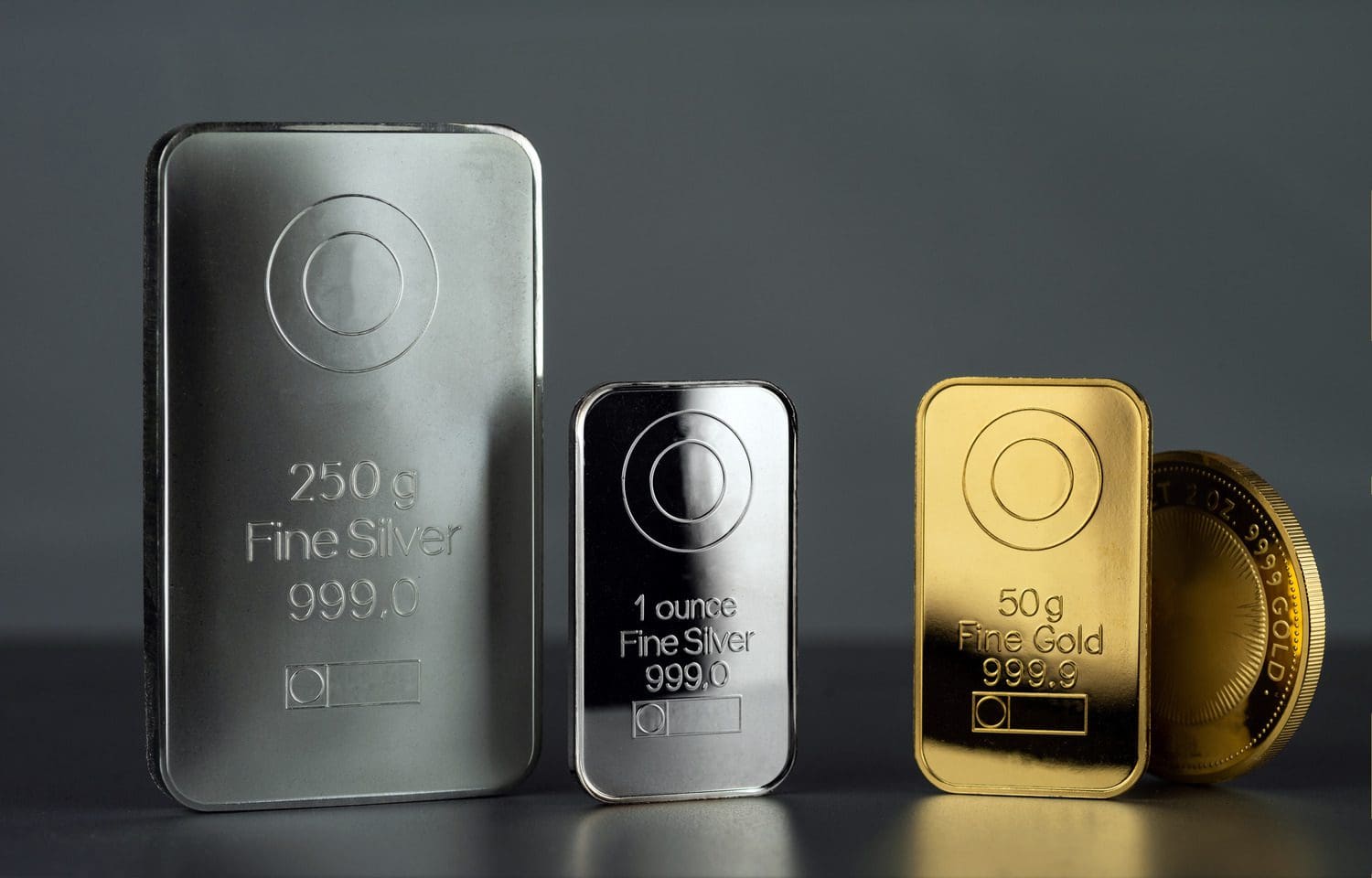
How does gold compare to other precious metals?
Gold maintains a more stable “monetary” status than silver or platinum because it is less dependent on industrial demand cycles. While silver and platinum are also precious metals, they serve different primary roles in the global economy.
Silver is more abundant and has higher industrial utility, but it tarnishes when exposed to sulfur in the air. Platinum is even rarer than gold and has a much higher melting point.
This makes it more difficult to work with but highly valuable for industrial catalysts. As Investopedia's analysis notes, gold sits in a “sweet spot” for investors.
It is rare enough to be valuable, durable enough to last forever, and recognizable enough to be liquid in any market.
How do metallic properties influence industrial use?
Gold's status as a metal makes it indispensable in modern technology because it is an excellent conductor that never corrodes. Your smartphone, laptop, and car’s GPS system all contain small amounts of gold to ensure reliable connections.
What actually matters here is that the metal won't degrade over the lifespan of the device.
- Conductivity: Gold ensures that digital signals travel quickly without being interrupted by rust or debris.
- Malleability: One ounce of gold can be beaten into a translucent sheet covering nearly 100 square feet. This allows manufacturers to use extremely thin coatings to protect components.
- Reflectivity: Gold is highly reflective of infrared radiation (heat). This is why astronaut helmet visors are coated in gold to protect their eyes from solar radiation.
Why does gold’s scarcity make it an investment?
Gold is a popular investment because it is a finite metal that cannot be printed or manufactured. Unlike fiat currency, which central banks can expand at will, the total supply of gold is limited to what can be mined.
The historical growth of the gold supply has stayed consistent at about 1% to 2% per year.

This scarcity creates a natural hedge against inflation. When the value of paper money declines due to oversupply, the price of gold often rises because the supply remains limited.
Because gold is chemically indestructible, every ounce ever mined is still theoretically available in some form today.
How can you test if gold is real?
You can verify gold's authenticity by testing its magnetism, density, and reaction to specific acids. Because gold is so valuable, many counterfeits exist in the market.
The Commodity Futures Trading Commission warns consumers to be wary of “too good to be true” deals, as physical verification is essential.
- The Magnet Test: Gold is not magnetic. If a piece of jewelry or a coin sticks to a strong magnet, it likely contains a core of iron or nickel.
- The Density Test: Gold is one of the densest metals. You can calculate density by weighing the item and measuring its water displacement; pure gold should be near 19.3 grams per cubic centimeter.
- The Acid Test: Professional jewelers use nitric acid to test gold. Pure gold will not react to the acid, while base metals will change color or dissolve.
What are common misconceptions about gold purity?
The mistake most people make is assuming “solid gold” means “pure gold,” but in the metal trade, these terms represent different things. Pure gold is 24 karats (24k), but it is often too soft for items meant for daily wear.
Most items labeled as gold are actually alloys.
- 18k Gold: Contains 75% gold and 25% other metals like copper or silver. This is the standard for high-end jewelry.
- 14k Gold: Contains 58.3% gold. This is the most common purity for jewelry in the U.S. because it offers a balance of gold content and durability.
- Gold Plated: This involves a base metal, such as brass, covered in a microscopic layer of gold. It has almost no investment value because the amount of gold is negligible.
Is gold a good fit for a modern portfolio?
Gold serves as a “diversifier” in a modern investment strategy because it often has a low correlation with stocks and bonds. When the stock market goes down, gold often stays stable or moves up.
Investors frequently flock to “safe-haven” assets during times of geopolitical or economic uncertainty.

Most financial experts suggest that gold should not make up your entire portfolio because it does not pay dividends or interest. Instead, it acts as financial insurance.
By holding a small percentage of your wealth in gold, or using a subscription service like [Acre Gold], you protect yourself against currency devaluation.
The Bottom Line
Gold is a unique transition metal that owes its value to a combination of chemical “nobility,” extreme scarcity, and industrial utility. Whether you are looking at gold as a scientific curiosity or a financial asset, its physical properties ensure it will remain relevant for centuries.
For most consumers, the best approach is to treat gold as a long-term diversifier rather than a way to get rich quick.
