

With $250, the practical answer for E-Mini Gold futures is usually zero contracts if you are trying to trade with basic risk controls. Even if a broker’s day-trading margin technically lets you open a position, the tick value and normal price movement can wipe out a $250 account fast.
What actually matters here is the difference between being allowed to open a trade and being able to survive normal volatility, fees, and a few losing trades. Below is how to think about contract size, margin, ticks, and why Micro Gold tends to make more sense for very small balances.
Key Takeaways
- Reality check: A $250 account is typically under-capitalized for E-Mini Gold because small moves can create large dollar swings.
- Contract sizing matters: E-Mini Gold (50 oz) is smaller than “full-size” Gold (100 oz), but it’s still usually too large for very small balances.
- Micro Gold is often the better fit: Micro contracts are designed to reduce dollar-per-tick exposure, which can make position sizing more realistic.
- Margin is not the same as safe sizing: Meeting margin only answers “can you open?” not “can you survive normal volatility?”
- Costs add up: Commissions, exchange fees, and market data fees can meaningfully erode a low balance.
Can you really trade E-Mini Gold with $250?
You might be able to place a trade, but you usually cannot risk it responsibly with only $250. Futures are leveraged, so your account does not need to cover the full value of the gold you control.
The trade-off is that you still have to cover margin and, more importantly, the day-to-day price swings. With a tiny cushion, even a modest move against you can trigger a margin call or forced liquidation.
If your goal is longevity and repeatable decision-making, a $250 balance usually is not enough for E-Mini Gold’s typical volatility. This remains true even when using the best paper trading apps to simulate the experience.

What’s the difference between E-Mini Gold and Micro Gold futures?
It comes down to contract size and how much money you gain or lose per price movement. E-Mini Gold (ticker commonly shown as QO) has a contract size of 50 troy ounces with a minimum tick increment of 0.25.
Full-size Gold (GC) has a contract size of 100 troy ounces, and a 0.1 tick is worth $10. You can see examples of these spec conventions on broker reference pages like AMP Futures’ contract specifications.
Educational explainers such as CME’s overview of contract specifications provide further details. Micro contracts are designed to be smaller and more accessible, often about 1/10 the size of their larger counterparts.
This structure is discussed in comparisons like Interactive Brokers’ micro futures overview. In practice, smaller contracts make it easier to keep your per-trade risk within a tight dollar limit.
How do margin requirements affect a $250 gold futures account?
Margin is the deposit your broker requires to open and maintain a futures position. There is initial margin to open a position and maintenance margin to hold it.
Margin requirements vary by broker, account type, and whether you hold overnight. Some brokers offer reduced day-trading margins, but those can change quickly during volatile periods.
If gold moves against you, your account can fall below maintenance margin and get closed out. This is a major factor when choosing an online broker.
With a $250 balance, you have very little room for normal fluctuation even if you meet a minimum margin figure. The mistake most people make is sizing off minimum margin and ignoring how quickly volatility can push you into a forced exit.
How do tick value and volatility translate into dollars at risk?
You size a futures position by translating price movement into dollars. You need the dollar value per tick and your stop-loss distance.
Your stop-loss distance means how far price can move against you before you exit. The framework is simple: Risk per trade = (ticks risked) x (dollars per tick) x (number of contracts).

With $250, many traders try to cap risk to 1 percent or 2 percent of the account. That would be $2.50 to $5 of risk per trade.
In practice, it’s easy for a realistic stop in gold futures to exceed that limit, even with a single small contract. This is why Micro Gold has grown in popularity to reduce the dollars-at-stake for each movement.
CME Group reported record Micro Gold futures activity in 2025, including average daily volume of 325,000 contracts. You can read more in CME Group’s 2025 volume highlights.
High activity can matter because active markets tend to offer better liquidity. However, liquidity does not remove risk, a reality often highlighted in advanced stock analysis software.
So, how many E-Mini Gold contracts should you risk with $250?
For most U.S. consumers, the risk-managed answer is none. A $250 account leaves little room for price fluctuation, fees, and slippage.
If you try to use a stop-loss tight enough to keep losses small, you may get stopped out by normal market noise. If you use a wider, more realistic stop-loss, the potential dollar loss can be too large relative to $250.
If you are determined to trade with a small balance, Micro Gold is generally the more appropriate tool. Smaller contract sizing makes it possible to define a trade with bounded risk.
Contract spec references are a good starting point for checking tick sizes and multipliers. You can find these in Optimus Futures’ contract specs guide.
What risk management rules matter most for tiny futures accounts?
With a small balance, risk management is the entire game. This is especially true for brokers for beginners where account protection is paramount.
Define a max loss per trade and pick a dollar amount you can lose without derailing the account. If that number is extremely small, that’s a signal the product may be too large.
Use a real stop-loss plan that reflects how the market actually moves. Avoid holding through major events, as futures can gap or spike on news.
Limit total exposure because even one position can be too much relative to your equity. Plan for drawdowns and ensure a normal losing streak would not wipe out your balance.
What hidden costs can eat into a $250 balance?
A low balance is especially vulnerable to fixed and semi-fixed costs. Commissions and exchange fees vary by broker and can be meaningful relative to $250.
Market data fees for futures packages can also be large relative to a small account balance. Slippage in fast markets may cause your fill to be worse than expected.
This effectively increases your loss beyond the planned stop-loss level. Even if your strategy has an edge, frictional costs can overwhelm results when your account is very small.
If you are trying to cut research costs, it can help to leverage free stock research tools. Keeping expenses low is vital for account survival.
What are smarter alternatives for low-balance gold exposure?
Gold exposure is usually easier to get through non-futures products when you only have $250. These options typically avoid futures-style leverage and margin calls.
Consider Gold ETFs held in a brokerage account or Gold-related mutual funds. Another option is saving until you can size futures positions responsibly with Micro contracts.
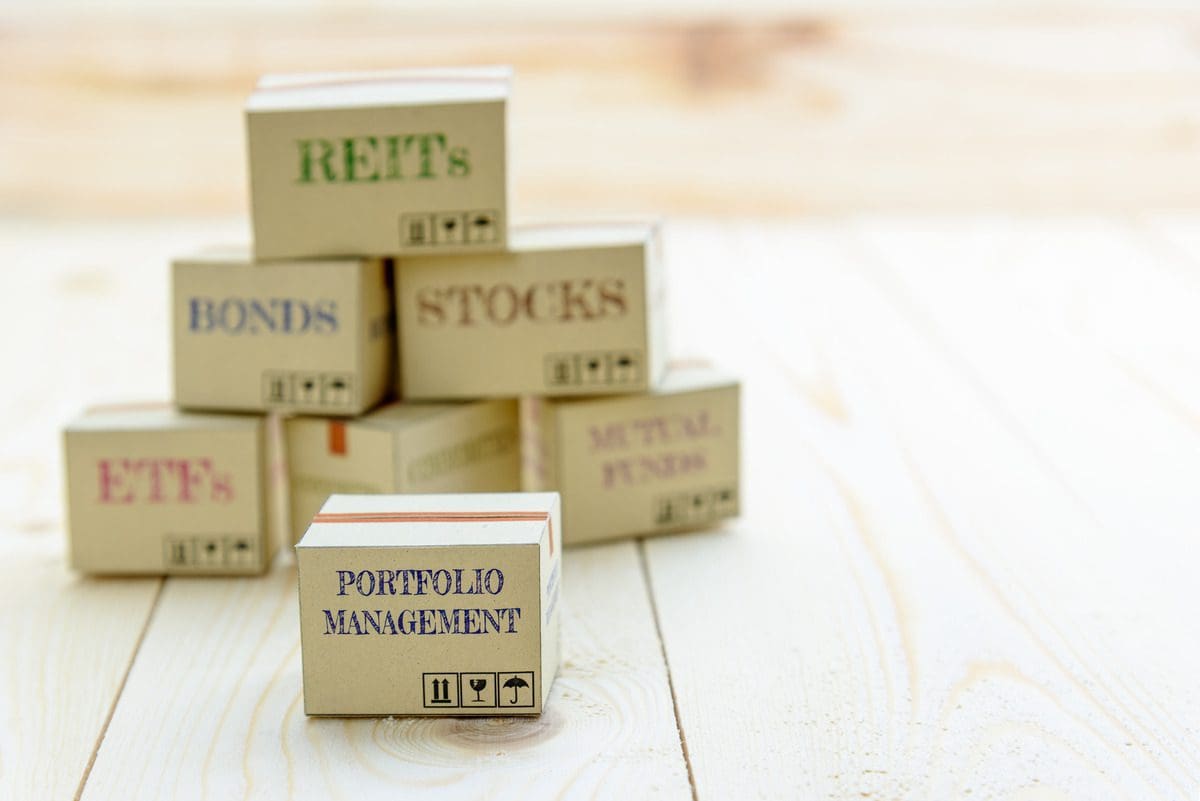
These routes won’t provide the same leverage as futures. However, they may better match a $250 starting point by reducing the risk of rapid wipeouts.
The Bottom Line
With $250, E-Mini Gold is usually too large to trade with basic, repeatable risk management. Even if a broker lets you open a position, the volatility risk is extremely high.
If you are set on gold futures, Micro Gold is typically the more size-appropriate starting point. You will still need strict limits on per-trade risk and total costs.
The most actionable step is to verify contract specs, tick size, and all-in fees before trading. Choose an instrument your account can realistically survive.
