

Gold is used for far more than jewelry. It’s a globally traded financial asset held by investors and central banks.
It’s also a critical industrial material used in electronics, medicine, and aerospace because it conducts electricity well and resists corrosion.
That mix matters to you because different types of demand can move gold prices for different reasons.
In practice, a jewelry-led gold rally can look very different from a fear-driven “safe haven” move or a shift in central bank buying.
Key Takeaways
- Store of value: Gold has been used as money and a wealth-preservation asset for centuries, and it still plays that role today.
- Jewelry demand: Jewelry remains one of the largest sources of gold demand worldwide, influenced by culture, fashion, and income.
- Technology metal: Gold’s conductivity and corrosion resistance make it valuable in electronics, especially for reliable connectors and contacts.
- Safe-haven investing: Investors often turn to gold during uncertainty, but it can be volatile and does not generate income like interest-bearing assets.
- Central bank role: Many countries hold gold as part of foreign reserves, which can influence market sentiment and demand.
Why has gold been valuable throughout history?
Gold has stayed valuable because it’s rare, durable, easy to recognize, and doesn’t corrode.
Those traits made it a practical choice for coins, ornaments, and long-term wealth storage across many civilizations.
Even after the U.S. and many other countries moved away from gold-linked monetary systems, gold kept its cultural and financial value.
What actually matters here is liquidity and acceptance; you can still buy and sell gold globally in many forms.
How is gold used in jewelry and decorative arts?
Gold is widely used in jewelry because it’s malleable, attractive, and resistant to tarnish.
Pure gold is soft, so it’s commonly mixed with other metals to form alloys that hold up better in daily wear, which is why you see karat ratings like 14K or 18K.
Jewelry demand matters because it can influence the overall gold market. When jewelry buying rises, it can add upward pressure to prices, especially if investment demand is also strong.
When buying gold jewelry, remember retail pricing includes craftsmanship, branding, and markups, not just the value of the gold content.
Why do investors buy gold as a “safe haven” asset?
Investors buy gold as a hedge against uncertainty, including inflation fears, geopolitical stress, or financial market volatility.
Gold can also behave differently than stocks and bonds at certain times, which is why it’s often used for diversification.
The trade-off is that gold is not a guaranteed protector. Its price can swing, and unlike a savings account, bond, or dividend stock, gold typically does not produce income.
If you’re weighing gold versus cash-like holdings, it helps to remember deposits can have government-backed protection, while gold does not.
For example, FDIC deposit insurance applies to covered bank deposits, not precious metals.

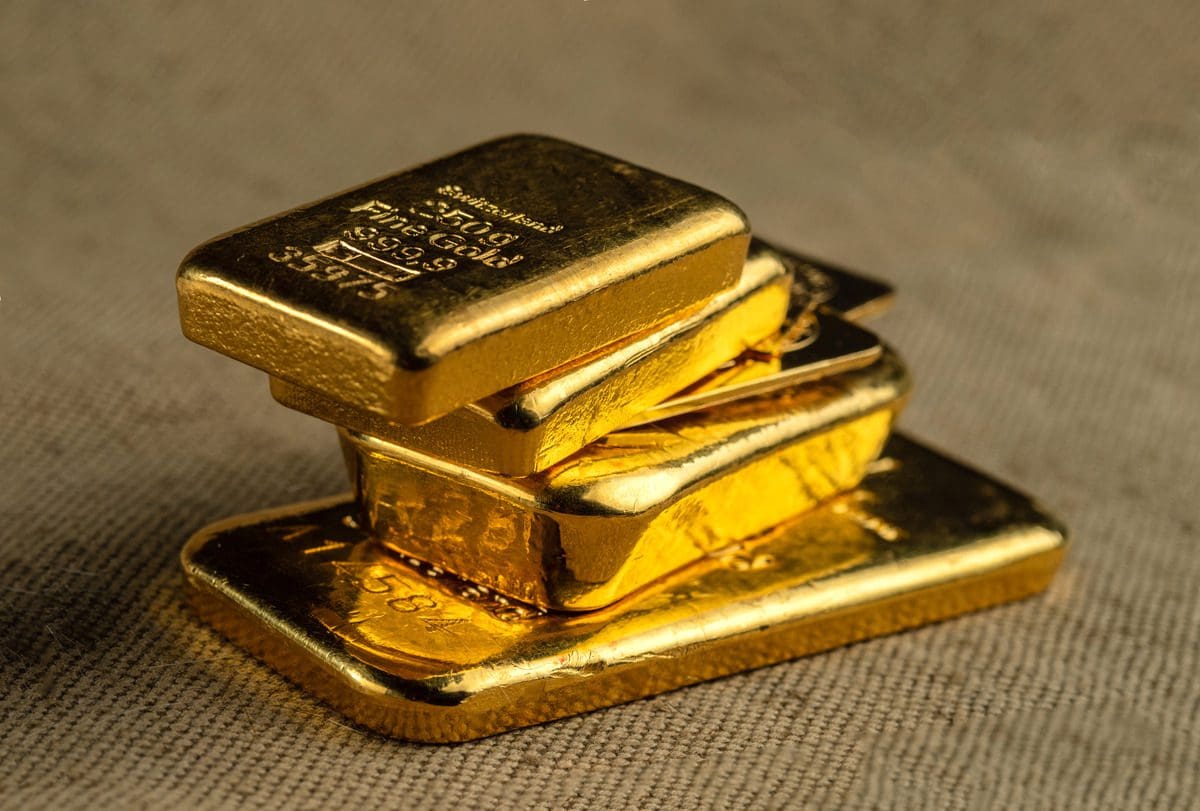
Common ways U.S. consumers get exposure to gold include physical bullion (coins and bars), gold ETFs, and mining stocks.
Each has different costs and risks, like storage and insurance for physical gold, fees and tracking for ETFs, and company risk for miners.
If you are considering physical gold for your portfolio, several specialized dealers cater to individual investors with varying requirements:
| Company | Minimum Investment | Storage Fee | Learn More |
|---|---|---|---|
| Augusta Precious Metals | $50,000
What are emerging and future uses for gold in nanotechnology?Gold is being studied in nanotechnology because its properties can change at very small scales. Researchers are exploring potential uses like highly sensitive diagnostic tools and specialized electronics applications. For consumers, treat “future uses” as long-term research, not a reason to assume near-term price moves. Gold prices tend to respond more to current investment demand, macro conditions, and official-sector activity than early-stage lab developments. The Bottom LineGold is used as a financial asset, a jewelry material, and a high-reliability industrial metal, especially in electronics and specialized tech. Those diverse uses help explain why gold can stay relevant across economic cycles. If you’re considering exposure to gold, focus on the use case you care about and compare the real-world costs and risks of each way to own it. Read More

|