

For most people, 14K gold is best for everyday jewelry because it balances durability, appearance, and cost. For investing, 24K gold is typically preferred because it’s the purest form and matches how bullion is commonly bought and sold.
That difference matters because jewelry has to survive daily wear, while investment gold is usually about purity, pricing transparency, and resale convenience. Below is a simple framework to understand what karats mean, how 10K, 14K, 18K, and 24K compare, and how to choose the right purity for jewelry versus investment goals.
Key Takeaways
- Karat basics: Karat (K) measures gold purity on a 24-part scale, not weight.
- Jewelry sweet spot: 14K is popular for daily wear because it’s harder and more scratch-resistant than higher-karat gold.
- Investment preference: 24K is generally favored for bullion because it maximizes pure gold content.
- Resale reality: Higher karat increases gold content, but resale depends heavily on the buyer, fees, and whether the item is bullion or jewelry.
- Verify before you buy: Look for hallmarks (like 14K, 18K, 999) and consider independent verification for higher-dollar purchases.
What does “karat” mean in gold, and what is it not?
Karat tells you the proportion of pure gold in a piece based on a 24-part scale. In other words, 24K is 24 parts gold, while lower karats mix gold with other metals (alloys) to change hardness, color, and wearability, which are key pros and cons of physical gold ownership.
The mistake most people make is confusing karat with carat. Karat (K) is for gold purity, while carat (Ct) is a gemstone weight measurement, as explained by Martin Busch Jewelers.
How do 10K, 14K, 18K, and 24K gold compare by purity?
These are the common karat levels, and higher K means more pure gold:
- 10K: 10/24 gold, about 41.7% pure gold
- 14K: 14/24 gold, about 58.3% pure gold
- 18K: 18/24 gold, 75% pure gold
- 24K: 24/24 gold, often described as pure gold (no alloy metals)
These percentages are widely used in the jewelry industry and are summarized in guides like Brinker’s Jewelers. What actually matters here is that the remaining percentage is typically made up of alloy metals such as copper, nickel, and silver, which can affect wear, as noted by Whiteflash.
What karat gold is best for everyday jewelry durability?
For daily-wear items like rings and bracelets, 14K is often the most practical choice, especially for those buying gold for the first time. Because it contains a meaningful portion of alloy metals, it tends to be harder and more resistant to scratching and bending than higher-karat gold.
A quick rule of thumb:
- 10K: Most durable among common gold karats, but less “gold-rich” in look and feel.
- 14K: Strong balance of durability and classic gold appearance.
- 18K: Richer color and higher gold content, but generally softer than 14K.
- 24K: Typically too soft for high-wear jewelry and more prone to bending or showing marks.
If you’re choosing an engagement ring or something you’ll wear constantly, it’s reasonable to prioritize durability and maintenance over maximum purity. The trade-off is that you’re getting less pure gold, but a piece that typically holds up better to real life.
How do yellow, white, and rose gold relate to karats?
Karats measure purity, color is driven by the alloy metals mixed with the gold. You can find yellow, white, and rose gold at multiple karat levels, for example 14K yellow gold and 14K white gold.
In general:
- Yellow gold: Uses alloy mixes that preserve a more traditional gold hue.
- White gold: Made by alloying gold with lighter-colored metals; it may include nickel in some mixes.
- Rose gold: Uses a higher proportion of copper in the alloy, which creates the pink tone.
The key consumer takeaway is simple: Two rings can both be 14K but wear differently and look different because their alloy recipes differ.
Which karat gold is best for sensitive skin and allergies?
If you have sensitive skin, higher-karat gold can help because it usually contains less alloy metal, though it’s not the only factor. Lower-karat gold contains more non-gold metals, which can increase the chance you’ll react to metals like nickel.
Practical approach:
- Choose higher-karat yellow gold: If you’ve had reactions before, consider higher-karat yellow gold (often 18K) to reduce the share of non-gold metals.
- Ask about the alloy mix: Get clarity on which metals are used, especially for white gold, which can be made with different mixtures.
- Verify for higher-ticket buys: For meaningful amounts of money, prioritize clear metal disclosure and consider independent verification.
No single karat guarantees “hypoallergenic,” but less alloy content generally means fewer potential irritants.
Is 24K gold the best choice for long-term investing?
For gold investing, 24K is commonly preferred because it represents the highest purity and aligns with standard bullion products. A 24K bar or round is generally more straightforward to value based on its gold content than jewelry, which is why many investors seek out the best place to buy gold online for bullion.
| Gold Dealer | Minimum Investment | Storage Fee | Learn More |
|---|---|---|---|
| Augusta Precious Metals | $50,000 | $200 - $250
$250 first year, $250 after that. Estimated annual fee for storage |
Read Review |
| American Hartford Gold | $5,000 / $10,000
$5,000 for cash purchases / $10,000 for gold IRA |
$200 - $280 | Read Review |
| Goldco | $15,000 / $25,000
$15,000 for cash purchases / $25,000 for gold IRA |
$100 - $150
Non-Segregated: $100 | Segregated: $150 per year . Estimated annual fee. |
Read Review |

It’s also important to separate “investing in gold” from “buying gold jewelry.” Bullion is typically purchased closer to the value of the underlying gold, whereas jewelry often includes substantial markups for labor and design.
- Bullion (bars/coins): Typically purchased closer to the value of the underlying gold (plus premiums and fees).
- Jewelry: Often includes substantial markups for labor, retail margins, and design, which may not be fully recovered at resale.
If your goal is value tracking and liquidity, pure gold bullion tends to fit more naturally than wearable items.
How does gold karat affect resale value and liquidity?
Higher-karat gold contains more pure gold, which can help support resale value. But liquidity depends on what you own and who is buying.
In practice:
- 24K bullion: Usually easier to price and compare across dealers because purity is standardized.
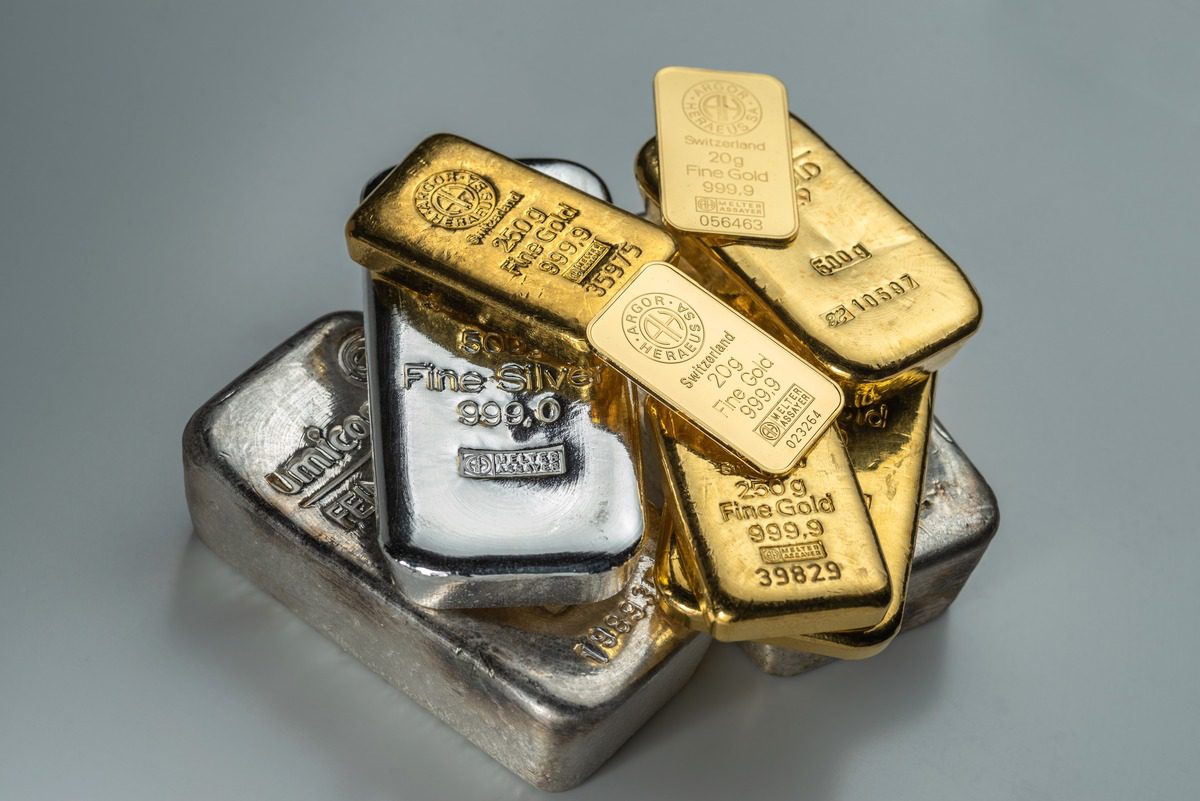
- 10K-18K jewelry: May be bought as scrap unless it has brand value, making it important to understand how gold buyback works.
- Dealer deductions: Even with high karat jewelry, the resale offer can be reduced by testing, refining, and dealer margin.
So while karat influences the floor value (metal content), the type of product often determines how easy it is to sell and how close you’ll get to the spot price.
How can you identify and verify gold karat hallmarks?
Most legitimate gold pieces include a hallmark indicating purity. Common markings include Karat stamps (10K, 14K, 18K, 24K) and Purity numbers (417, 585, 750, 999).
- Find the hallmark: Look inside a ring band or near a clasp.
- Buy with documentation: Use reputable sellers and request paperwork for higher-value purchases.
- Test when the stakes are high: Consider third-party testing so you are not relying on a stamp alone and can focus on detecting counterfeit items.

If you want a quick refresher on how the 24-part system works, guides like Jupiter’s karat explanation walk through the concept clearly.
The Bottom Line
For most U.S. consumers, 14K is the best all-around choice for everyday jewelry, while 24K is typically best for gold investing because it maximizes purity and aligns with bullion markets.
Before you buy, match the karat to your goal, confirm the hallmark, and ask what alloy metals are included, especially if you have sensitive skin.
