

Gold ultimately comes from outer space. The atoms that make up gold were forged in extreme cosmic events long before Earth existed, then later became part of our planet as it formed.
Today, the gold you buy as jewelry or investments comes from two main sources: newly mined gold from the Earth’s crust and recycled gold recovered from existing products. Finding the best place to buy gold online and understanding where it originates can help you evaluate why it holds value, how supply changes affect prices, and what “scarcity” really means.
Key Takeaways
- Cosmic origin: Gold atoms formed in rare, high-energy cosmic events and were later incorporated into Earth’s building materials.
- Earth location: Most gold accessible to humans is found in the Earth’s crust in veins, disseminated deposits, or placer deposits shaped by erosion and water.
- Supply sources: Global supply is a mix of mined production and recycled gold, with recycling acting as a flexible secondary supply stream.
- From mine to market: Gold moves through refiners and accredited bullion markets before becoming bars, coins, or components in financial products.
- Investment relevance: Gold’s high value is tied to rarity, durability, and broad market acceptance, not just annual mining output.
Gold is not “made” on Earth in any practical sense. It is a chemical element, which means it is created through nuclear processes, not chemical reactions.
The prevailing scientific view is that heavy elements such as gold form through rapid neutron-capture processes (often called the r-process) in catastrophic cosmic events like neutron star mergers and certain supernova-related environments.
In plain terms, gold comes from rare, violent events that can create very heavy atoms. What actually matters here is that this backstory helps explain a core feature of gold: it is inherently scarce.
Humans cannot manufacture more of it at scale, and the existing supply is finite.
How did gold arrive on Earth during the planet’s formation?
Gold arrived on Earth as part of the raw material that formed the planet. As Earth formed from the solar nebula, it accumulated a mix of materials that already contained gold.
Early in Earth’s history, the planet differentiated into layers, and much of Earth’s gold is believed to have sunk toward the core because gold is dense and tends to bond with iron under certain conditions. The trade-off is that while Earth may contain a lot of gold overall, relatively little is accessible in the crust where we can mine it.
The gold we can access today is largely the portion that remains in the crust or was later concentrated by geological processes. That’s why gold is not evenly distributed, it appears in specific regions where Earth’s history concentrated it into deposits that can be mined economically.
Where is gold found in the Earth’s crust?
Most mineable gold is found in a few common deposit types. In practice, these categories help explain why some regions become major mining hubs while others never do.
- Lode (hard-rock) deposits: Gold occurs in veins or rock formations, often associated with quartz and sulfide minerals. These deposits are typically mined underground or with open-pit methods.
- Disseminated deposits: Tiny particles of gold are spread through large volumes of rock, sometimes requiring bulk mining and chemical processing to extract.
- Placer deposits: Gold particles erode from rock and collect in riverbeds, stream sediments, or ancient channels. This is the “panning” style of gold people often picture, although modern placer operations can be industrial.
From a consumer perspective, the key point is that “gold supply” is constrained not only by how much gold exists, but by how much is concentrated enough to extract profitably at current prices and with current technology.
What are the primary gold mining methods used today?
Most newly produced gold comes from large-scale mining using open-pit or underground operations, followed by processing to separate the gold from the ore. The mistake most people make is assuming higher gold prices automatically mean miners can quickly produce a lot more, but mining capacity is slow to expand.
- Open-pit mining: Used when deposits are near the surface. It can produce large volumes of ore but requires moving significant amounts of rock.
- Underground mining: Used for deeper deposits. It is typically more complex and costly per ton than open-pit mining.
- Processing and extraction: Gold-bearing ore must be processed to separate gold from rock. Techniques vary by deposit type and can include gravity separation and chemical extraction methods.
Mining costs, energy prices, permitting timelines, and operational risks can all affect how much gold reaches the market each year. These constraints help explain why gold production often does not surge quickly even when prices rise.
Which countries are the top global producers of gold?
China, Australia, Russia, Canada, and the United States are consistently among the world’s top gold producers in most years. Rankings can change year to year due to operational issues, policy changes, and investment cycles in mining.
If you are tracking gold for investing, it helps to remember that “supply risk” is not just geology. It can also include geopolitical factors, trade restrictions, and how inflation affects the gold price over time.
For a consumer-friendly overview of how gold investing works and the forms it can take, NerdWallet’s explanation of gold investing is a useful primer.
How important is recycled gold in the modern supply chain?
Recycled gold is a meaningful part of overall supply because gold can be melted and refined repeatedly with little loss of quality. This matters because recycling can add supply faster than new mining projects, which often take years to develop.
Recycling sources typically include:
- Old jewelry and scrap: From households and manufacturers.
- Industrial and electronic waste: Where gold is used for conductivity and corrosion resistance.
- Returned or resold bullion products: Items refined and recast.

Recycling tends to rise when prices are high because more people choose to sell unwanted jewelry or scrap. That creates a “secondary supply” channel that can respond faster than mining.
How does gold move from the mine to the investment market?
Gold typically moves from extraction to refining to distribution through accredited bullion markets before it becomes a bar, coin, or an input for a financial product. Investors looking for top gold dealers will find that this chain is heavily standardized and regulated.
| Dealer | Minimum Investment | Storage Fee | Learn More |
|---|---|---|---|
| Augusta Precious Metals | $50,000 | $200 - $250
$250 first year, $250 after that. Estimated annual fee for storage |
Read Review |
| American Hartford Gold | $5,000 / $10,000
$5,000 for cash purchases / $10,000 for gold IRA |
$200 - $280 | Read Review |
| Goldco | $15,000 / $25,000
$15,000 for cash purchases / $25,000 for gold IRA |
$100 - $150
Non-Segregated: $100 | Segregated: $150 per year . Estimated annual fee. |
Read Review |
- Extraction and initial processing: Ore is mined and processed to produce a concentrate or doré (a semi-pure gold-silver alloy).
- Refining: Specialized refiners purify the metal to high purity levels suitable for investment or industrial use.
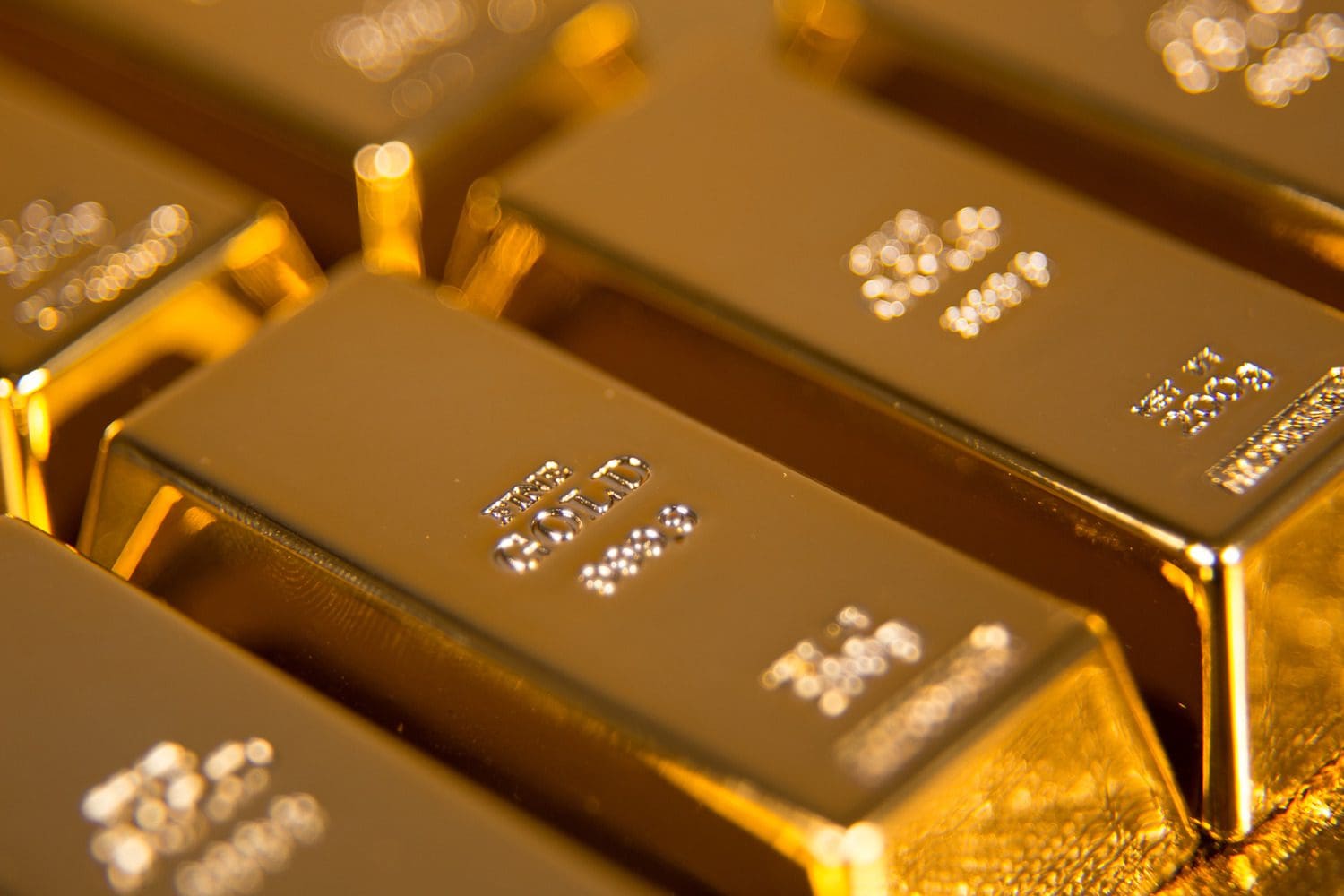
- Bullion market distribution: Gold is sold to banks, dealers, mints, jewelers, and manufacturers. Large investment bars often adhere to widely recognized standards used in professional bullion markets.
If you are evaluating an investment product tied to gold, focus on what you actually own (physical metal vs. a financial claim), the fees, and how pricing is determined. For an overview of how gold ETFs work and what investors should watch for, Investopedia’s guide to gold ETFs walks through the basics.
How much gold is left to mine, and why does scarcity matter for investors?
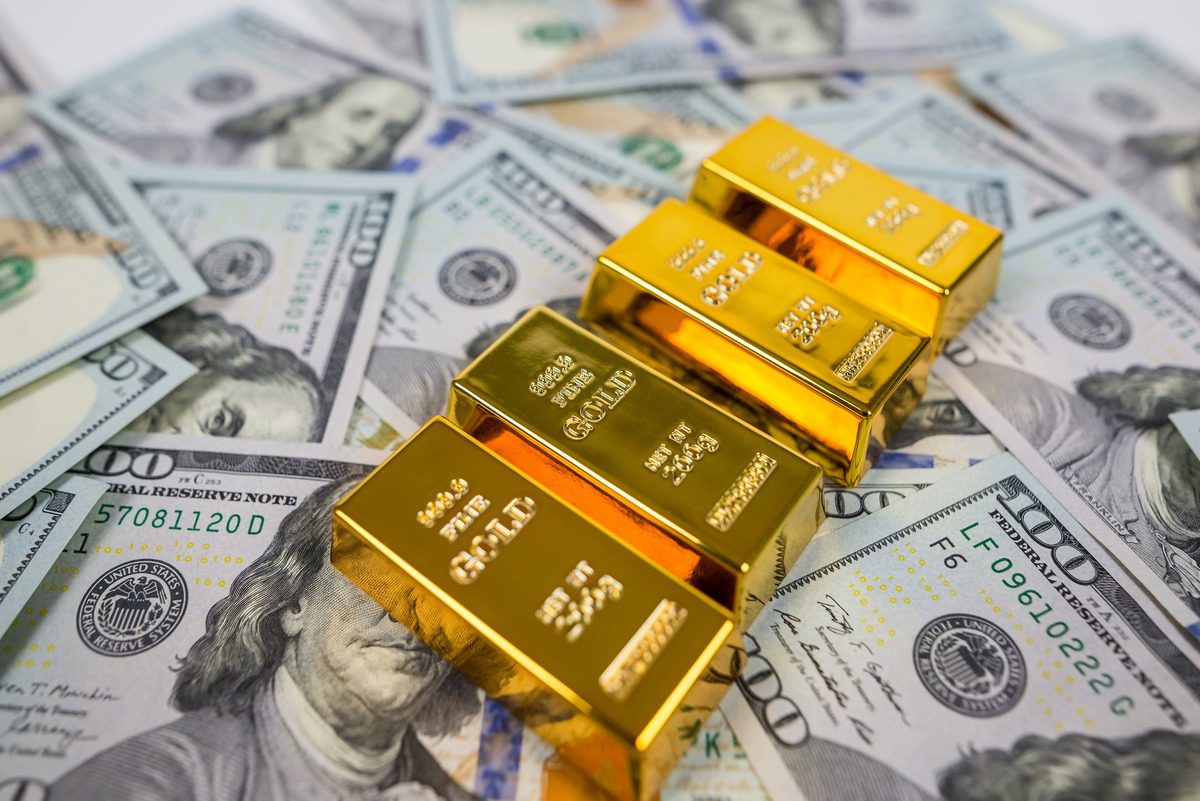
There is no single, fixed number for how much gold is left to mine because known reserves change with exploration success, mining economics, and technology. What matters here is that new supply is limited by practical constraints, it is difficult to find large new deposits, costly to develop mines, and time-consuming to bring projects online.
Gold’s scarcity is also tied to its staying power. It does not corrode, it is widely recognized, and it has a long history as a store of value.
Those features help explain why it often plays a role in portfolios, especially in diversification discussions.
It is also worth separating two different ideas:
- Gold is scarce in nature: Limited supply and slow production growth.
- Gold is widely held above ground: Much of the gold ever mined still exists in bars, coins, and jewelry, which can re-enter the market through selling to reputable dealers or recycling.
If you’re considering gold as part of a broader financial plan, it can help to compare it with other “safe” places people park money. According to FDIC deposit insurance rules, bank deposit accounts can carry federal insurance up to applicable limits, which is a different kind of protection than owning a commodity.
And for a straightforward breakdown of how gold can fit (or not fit) in a portfolio, Bankrate’s guide to investing in gold outlines common options and tradeoffs.
The Bottom Line
Gold comes from rare cosmic events, reached Earth as the planet formed, and is supplied today through a mix of mining and recycling. For investors, the practical takeaway is that gold’s value is rooted in scarcity, durability, and global market acceptance, but the price can still move for many reasons.
If you’re evaluating gold, focus on the form you’d own, total costs, and how it fits with your overall risk and diversification goals.
