

No single person discovered gold. Because it appears in nature as a bright, workable nugget, early humans likely encountered it independently in riverbeds and streams across the globe long before written history.
What actually matters here is how we transitioned from finding shiny rocks to building entire global economies around them.
Below is a practical, investor-friendly history of how gold evolved from a lucky find in a stream into a foundational store of value.
Key Takeaways
- No single discoverer: Gold was found repeatedly by different groups because it occurs naturally in visible, usable forms.
- Early recorded use: Archaeological records point to ancient Egypt as a primary center of gold mining as early as 3200 BCE.
- Why gold “stuck”: Its rarity, durability, and easy divisibility helped it evolve from jewelry into a universal form of money.
- U.S. turning point: The 1848 California Gold Rush transformed the American economy and accelerated Westward expansion.
- Modern relevance: Gold remains a global hedge and investment, though it behaves differently than traditional assets like stocks.
Who really discovered gold if no one “invented” it?
Gold is a natural element rather than a human invention or a technological breakthrough. Because it exists in its metallic state without needing complex smelting, it likely caught the eye of early humans as soon as they began foraging near water.
Many historical summaries note that gold was found in streams worldwide, making it accessible to early people without advanced tools. This means discovery was likely accidental and widespread rather than a single event credited to one culture.
For a high-level overview of this concept, you can see the summary from OnlyGold’s history of gold.
For modern consumers, this reality matters because it reinforces why gold became a universal symbol. It was never geographically “owned” by one group initially; instead, many civilizations encountered it and reached the same conclusion about its value.
When was gold first discovered by humans?
We cannot pin down an exact date for the first discovery, but the earliest recorded use of gold dates back to approximately 4000 BCE. While “discovery” could mean simply spotting a nugget, the transition to intentional use is documented in ancient Egypt.
A general timeline of this transition is described in sources like Rubble Rock and Gem’s overview.
The key idea is that gold is deeply embedded in human history. The earliest moments of contact were local, repeated, and existed long before we had the tools to write about them.
How did early humans extract gold from the earth?
Early extraction focused on “placer gold,” which are pieces that weathered out of rock and settled in sand or gravel. You don't need a mine shaft to find this; you simply need water and a way to separate heavy material from sediment.
In practice, this was a manual, labor-intensive process that paved the way for modern mining.
Before modern machinery, early methods centered on:
- Picking and gathering: Collecting visible flakes or nuggets directly from streambeds.
- Simple washing: Using water and containers to concentrate heavier gold particles, a precursor to modern panning.
- Basic shaping: Since gold is naturally malleable, humans could hammer it into shapes without complex heat treatments.
This easy “workability” is why gold became culturally important so early. It wasn't useful for tools like iron, but its beauty and durability made it the ultimate status object.
Which ancient civilizations first mined and used gold – and why did it matter?
Ancient Egypt is widely considered the first major driver of organized gold mining, with operations dating back to 3200 BCE. As societies grew, gold shifted from something humans “found” to something they actively “sought.”
You can find more on these early mining roots in Brian D. Colwell’s history of gold.
Mesopotamia is also frequently cited as a region where gold became integral to trade and craftsmanship. Across these early civilizations, gold served several specific social functions:
- Authority: Rulers used gold to project power and distinguish themselves from commoners.
- Sacred meaning: Because gold does not tarnish, it became a symbol of the eternal or divine.
- Trade value: As trade routes expanded, a durable and high-value material became a necessary medium of exchange.
This pattern remains recognizable today. The value of gold is as much social and monetary as it is physical.
Why has gold been historically valued as currency and a store of wealth?
Gold became a form of money because it possesses four specific traits that are still relevant to investors today. It is scarce, durable, divisible, and easily recognized by its unique density and color.
These characteristics made it a more reliable medium of exchange than perishable goods or common stones.
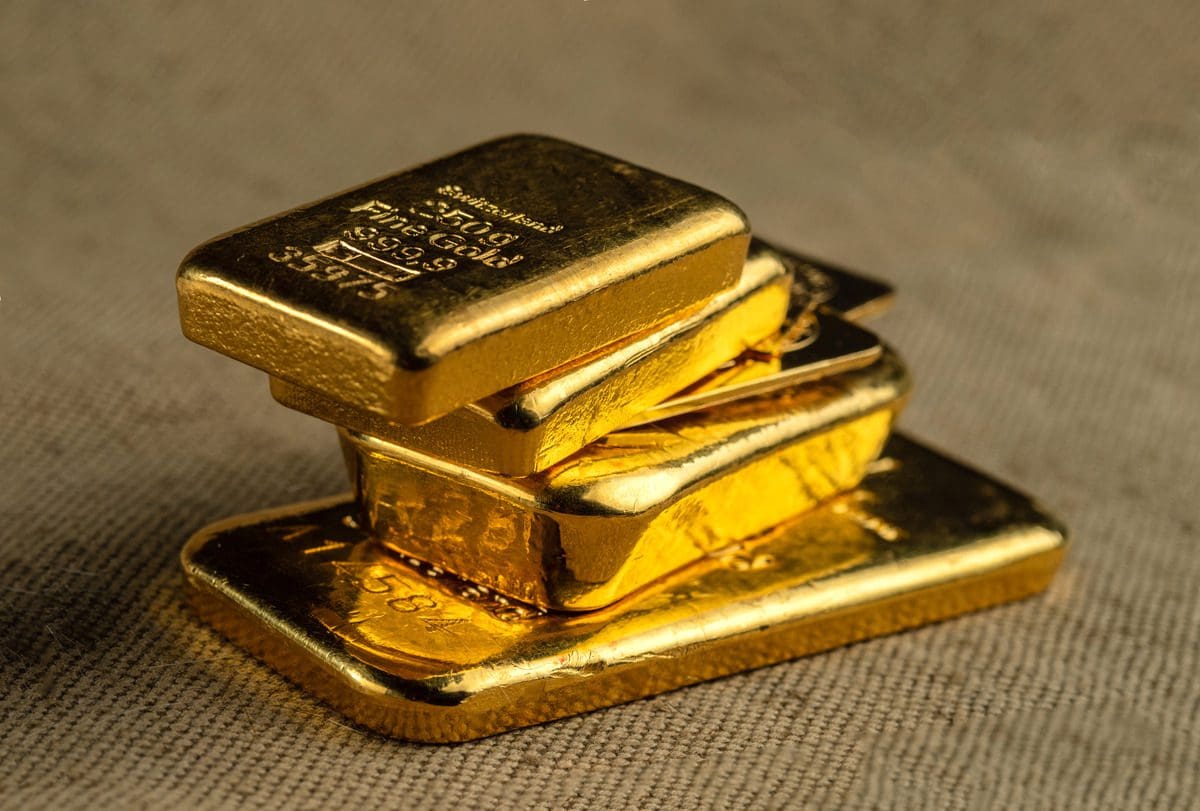
Over centuries, these traits pushed gold from simple adornment into coinage and national reserves. Today, investors access these same benefits through bullion, popular coins, and ETFs.
The trade-off is that gold’s history doesn’t guarantee future returns. However, it does explain why gold remains a preferred asset when people lose confidence in a single government's credit or currency system.
What were some major gold discoveries around the world?
Major discoveries are often recorded as moments when empires accessed massive new supplies, which fundamentally reshaped global trade. For example, Spanish conquistadors' contact with the Inca and Aztec civilizations flooded Europe with gold, changing the continent's economic trajectory.
A simplified history of this dynamic appears in Phoenix Refining’s history of gold.
It is also worth noting that gold’s importance hasn't always been linear. Archaeological records, often studied by those who buy ancient gold coins, show that gold's prominence sometimes waned due to shifting trade routes.
While its physical value is persistent, the way societies use it fluctuates with history.
Who discovered gold in the United States – and what was the impact of the 1848 California Gold Rush?
James W. Marshall discovered gold at Sutter’s Mill in 1848, an event that triggered the California Gold Rush and reshaped the American West. While there were earlier, smaller finds in states like North Carolina, the 1848 event is what transformed the national economy.
The Gold Rush accelerated three major shifts in the U.S.:
- Migration: It caused a massive influx of people from across the country and overseas.
- Business formation: New communities required tools, transport, and financial services, sparking a secondary economic boom.
- Infrastructure growth: The sudden population surge forced the rapid development of roads, ports, and cities like San Francisco.
The mistake most people make is assuming everyone got rich. In reality, the Gold Rush was a period of extreme risk, and many participants found more debt than gold.
Where is gold found today and how is it mined in the modern era?
Today, gold is mined on an industrial scale on nearly every continent, primarily through deep-pit and underground mining. While the geology remains the same, the scale has shifted to massive machinery.
Investors often use the best online brokers to gain exposure to this industry through mining equities.
For modern investors, the focus has shifted from finding gold to choosing the right type of exposure:
- Physical gold (coins/bullion): This offers tangible ownership but requires a plan for secure storage.
- Gold-backed funds and ETFs: These provide convenience but rely on the fund's management and structure.
- Mining stocks: These are often more volatile because they include business risks like labor costs and management decisions.

If you are considering gold for your portfolio, determine if you want it as a diversifier or a speculative play. Your choice between physical metal and financial products should match your specific risk tolerance.

The Bottom Line
No one person discovered gold; it was a global, multi-cultural discovery driven by the metal's natural visibility. Ancient Egypt helped turn it into a symbol of wealth, while the California Gold Rush made it central to the American story.
If you are looking at gold today, the key is to decide if you value its historical stability or its role as a portfolio hedge. Choose an exposure method that aligns with The Smart Investor's guide to gold benefits.
Read More
