

Key Takeaways
- Coinbase engineers detailed an identity platform that serves 1.5 million reads per second.
- The scale aims to keep logins, multi-factor authentication, and account settings responsive during traffic surges.
- High throughput supports lower latency, resilience, and risk controls that underpin regulatory compliance.
- Robust backend performance can reduce friction for retail users and help institutional clients during volatile markets.
What happened and why it matters
Coinbase engineers published a deep dive explaining how the company’s identity platform serves 1.5 million read requests per second. The post outlines the architecture, caching, and operational practices that keep authentication and account-related services fast and reliable across its exchange and broader platform.
While this work sits behind the scenes, it shapes everyday experience. This includes how quickly users can log in, pass multi-factor authentication, and change security settings when they use Coinbase.
At scale, those basics drive trust, reduce drop-offs during busy periods, and support safer trading and risk management.

What exactly did Coinbase announce?
In an engineering post on December 1, 2025, Coinbase’s Identity Platform Engineering group described how it delivers high read throughput for identity services. These services sit in front of the core app experience.
The group manages login, MFA, security settings, and account management. This work is designed to protect users while minimizing friction.
These services tie directly to identity verification, access control, and authorization policies that help keep accounts secure.
More details are available in the Coinbase engineering post that explains how it serves 1.5 million reads per second.
How does identity throughput affect my day-to-day experience?
When identity checks are fast, you spend less time waiting to log in or complete MFA. During high-volume events, a robust identity layer helps prevent bottlenecks that can lock users out or slow activity to a crawl.
- Faster checks mean fewer interruptions during busy market windows.
- Resilient systems reduce the chance of cascading timeouts when traffic spikes.
- Lower friction helps both power users and occasional traders complete critical actions.
This high-throughput identity layer underpins a smoother user experience. This is especially true when using the Coinbase Wallet and other mobile apps and web platforms where latency and timeout errors are particularly noticeable.
Will I notice faster logins and fewer prompts?
You may not see a new button or feature, but you should feel less waiting and fewer retries. This is especially true during broader market volatility that crypto trading platforms often experience.
The main benefit is consistency; the platform aims to feel the same whether traffic is light or surging.
How does this help during crypto volatility?
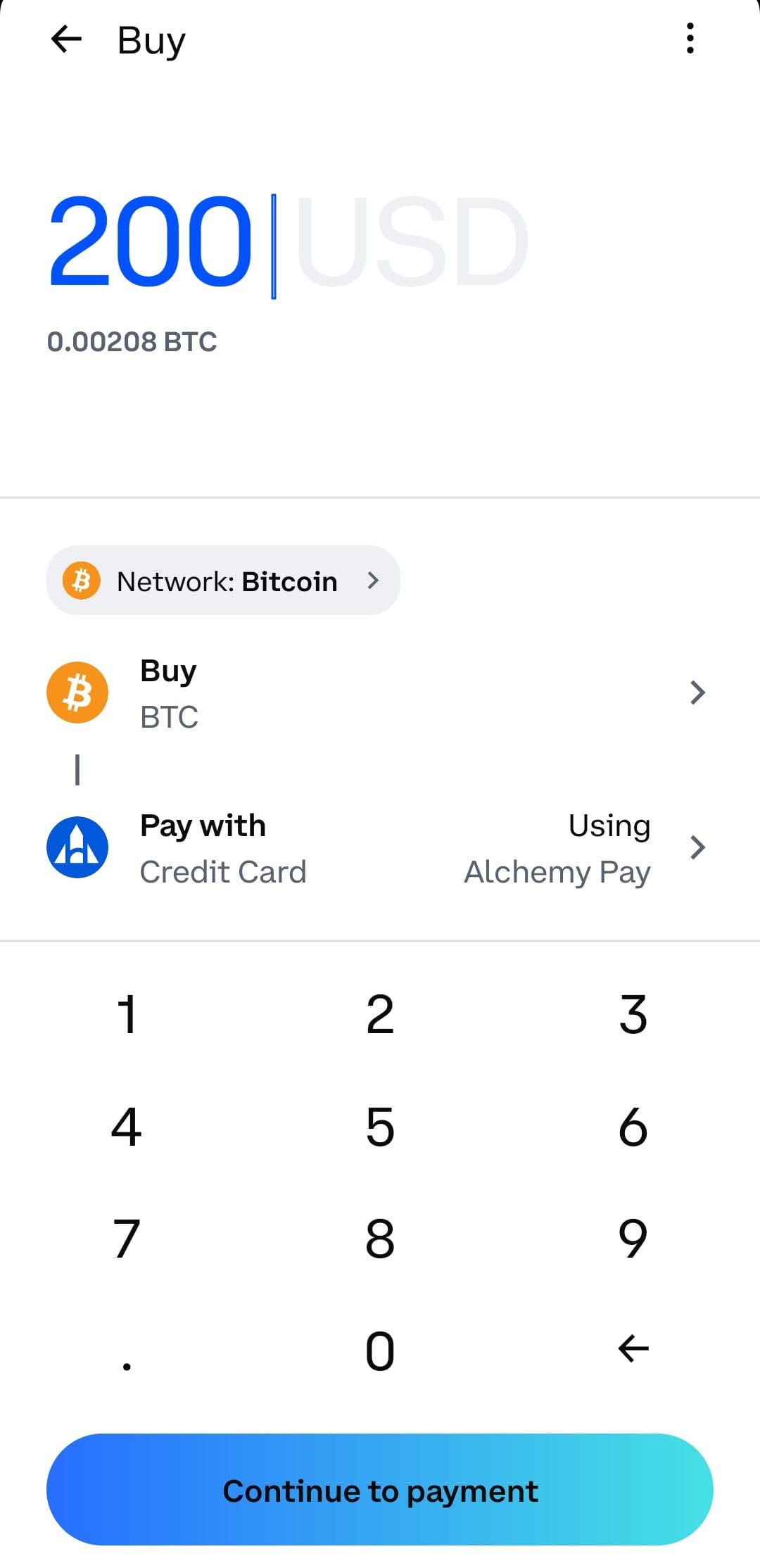
Spikes in prices often create surges in traffic. A high-throughput identity service helps keep authentication responsive so users can access accounts, adjust settings, and trade when timing matters, such as learning how to buy Bitcoin on Coinbase.
That stability supports both retail users and institutional clients who rely on dependable access.
For crypto markets, price discovery and order execution can move quickly. A resilient identity and authentication layer can be a key part of overall platform uptime and availability.
What is Coinbase’s identity platform and what does it manage?
Coinbase’s identity platform sits at the front of the user experience and governs who can access what, and how quickly. According to the engineering team, it covers:
- Login and multi-factor authentication
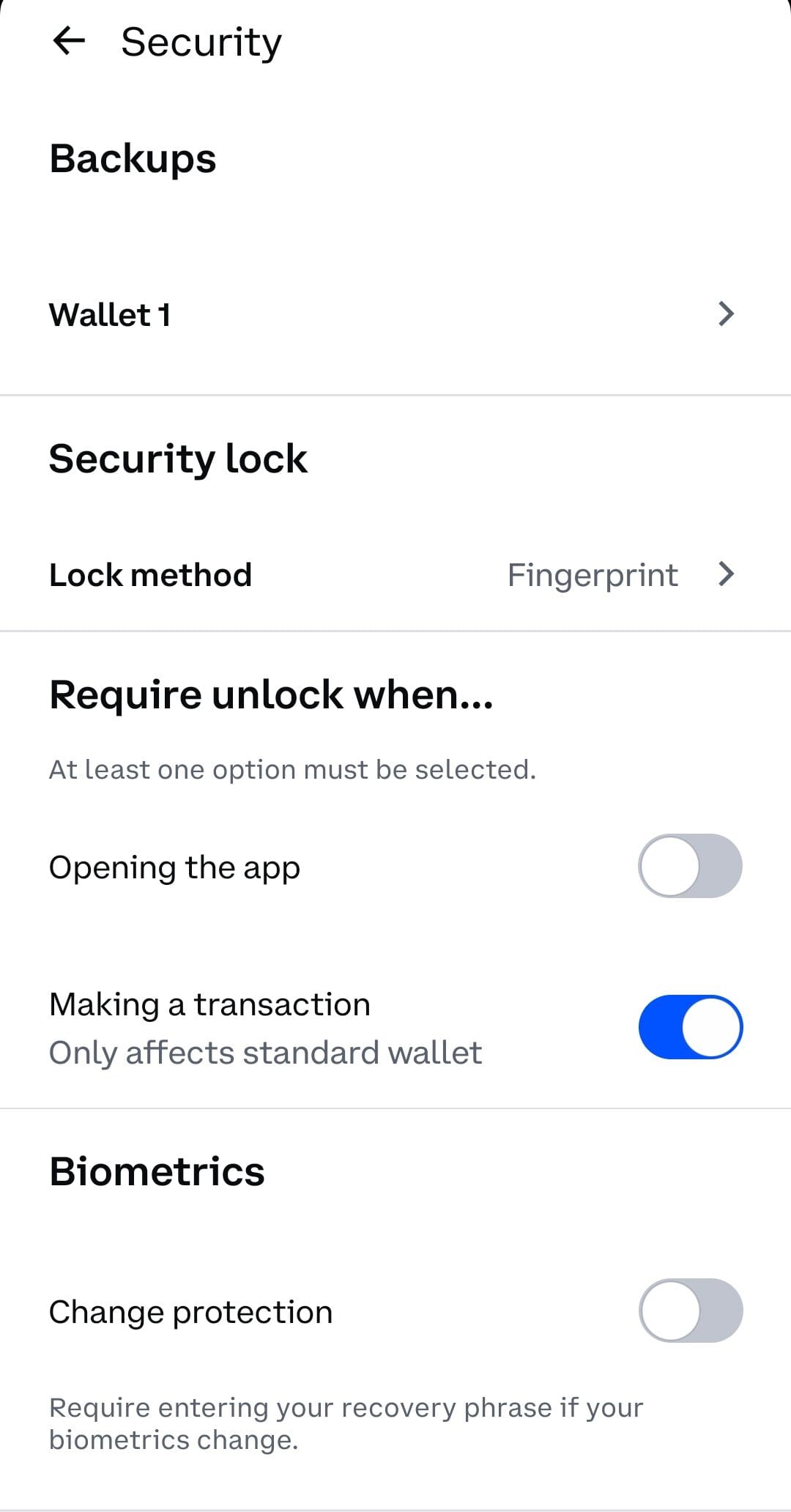
- Security settings and account management
- Risk controls that help enforce compliance requirements
This backbone is essential for serving customers across markets while meeting regulatory expectations. It connects to broader compliance efforts, including know-your-customer (KYC) rules, anti-money-laundering (AML) controls, and other regulatory frameworks that apply to digital asset exchanges.
How did Coinbase achieve this scale?
The company describes a combination of architectural choices, caching strategies, and operational practices that prioritize low latency and resilience. Together, these techniques allow the platform to serve a large volume of read requests while keeping response times consistent.
The engineering post highlights how these choices support both performance and cost efficiency for a system that must scale globally. In practice, that means designing systems that can handle surges in concurrent users, API calls, and identity lookups without sacrificing reliability or security.
Who benefits most—retail users or institutions?
Both groups benefit, but in different ways. Retail users see smoother logins, MFA, and account actions.
Institutions tend to prioritize predictable latency and stability during market stress. The platform’s high throughput is built to reduce operational risk and costs at larger scale.
For institutional investors, trading firms, and corporate clients, stable identity services can support service-level agreements. They also aid operational resilience plans and internal risk controls.
How does this affect security, compliance, and reliability?
A scalable identity platform is part of Coinbase’s security posture. High read throughput supports fast enforcement of access policies, session management, and risk checks, which can help contain suspicious activity and support compliance workflows.
From a regulatory perspective, having a reliable identity and authentication layer makes it easier to demonstrate controls around account access, auditability, and incident response. These matter to regulators and enterprise clients.
How does this fit into Coinbase’s broader engineering focus on performance?
This identity announcement aligns with other Coinbase engineering efforts to optimize speed and reliability. For example, Coinbase has shared how it improved real-time market data delivery by redesigning its internal messaging pipeline to reduce latency and allocations.
Those market data optimizations underscore a consistent theme: build for high throughput and low overhead so the platform holds up when volumes surge. You can see that theme in the Coinbase write-up on optimizing producer-consumer architecture for market data.
Are there trade-offs or risks consumers should know?
Any complex system can face unexpected load patterns or external dependencies that create stress. The goal of these engineering investments is to absorb those shocks without degrading user experience.
For consumers, the main trade-off is that strong identity controls may add steps like MFA. However, the engineering focus aims to make them fast and reliable.
High throughput alone does not guarantee overall uptime, yet it is a critical pillar for resilience.
What should users and investors watch next?
Watch how consistently the app feels fast during high-volume events, along with the cadence of new security and identity features that build on this scale.
For investors, improvements that lower latency and operational risk while supporting compliance can enhance platform reliability and competitiveness as adoption evolves.
They can also influence user retention and trading volumes over time.
More details are in the Coinbase engineering post on serving 1.5 million identity reads per second.
Conclusion / Bottom Line
Coinbase’s identity platform handling 1.5 million reads per second is not a flashy feature, but it touches nearly every login, MFA prompt, and account change.
For users, it points to fewer delays and a steadier experience when markets are moving.
For investors, it signals operational discipline aimed at supporting growth, compliance, and reliability at scale. These are key ingredients for a platform built to withstand traffic spikes.