

Coinbase is overhauling its security infrastructure with a new automated “dynamic control policy” to curb fraud losses and manage risk. This system replaces older, static security rules with an approach designed to adapt as threats change.
The company detailed the update in a March 11, 2026, Coinbase blog post.
For U.S. retail investors, this change addresses the common tradeoff between platform safety and usability. Rigid security triggers can often freeze legitimate activity, while permissive systems might miss fast-evolving scams.
Many investors seek the best crypto exchanges and apps that effectively balance these needs.
Coinbase claims that dynamic controls can tighten protection while reducing unnecessary friction for everyday users. This is particularly relevant for retail traders who need to move funds quickly without triggering false alarms.
Key Takeaways
- Coinbase has replaced static fraud controls with an automated policy that adapts to risk levels in real time.
- The system aims to reduce fraud losses while minimizing “false positives” that block legitimate transactions.
- Enhanced protection applies to account logins, fund transfers, and other high-risk activities.
- This move aligns with an industry shift toward intelligence-driven security as crypto and traditional finance threats converge.
What exactly did Coinbase announce?
Coinbase has developed an automated dynamic control policy to manage financial risk and reduce fraud on its platform. According to its company blog, the central shift moves away from static rules.
These older triggers remained fixed unless manually updated by a human developer. This update focuses on risk management for its cryptocurrency exchange and wallet services.
While it is not a new investment product, it affects how your account behaves during daily use. You may notice changes when signing in, adding payment methods, or moving assets.
By design, a dynamic policy responds to changing fraud patterns and suspicious activity in near real time. This allows the platform to adjust its defenses without waiting for a manual rule update.
Why do “static rules” often fail in fraud prevention?
Static rules are often blunt instruments built around known bad patterns, such as blocking all transfers above a certain dollar amount. The problem is that attackers evolve quickly and find ways to bypass these predictable controls.
At the same time, legitimate users may be flagged if their behavior accidentally matches a rigid rule. Crypto fraud is no longer isolated from traditional finance.
Adversaries now target shared infrastructure across both ecosystems, making fixed rules less effective. Static systems also struggle with modern social engineering and account takeover attempts.
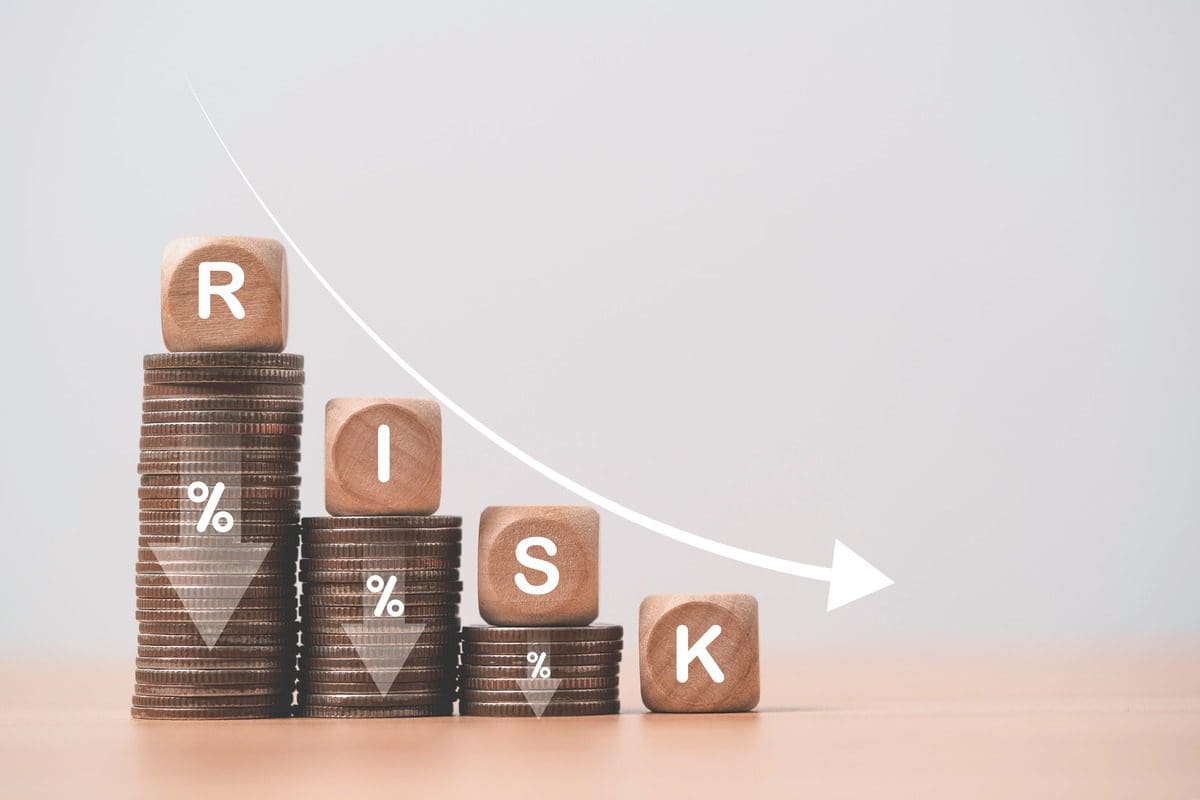
How does a dynamic control policy change the security vs. speed tradeoff?
Every exchange must balance the need to stop fraud with the goal of providing a smooth user experience. Coinbase’s dynamic approach is designed to minimize fraud while reducing friction for honest users.
In plain English, the platform is trying to make smarter decisions about when to challenge you with extra security steps. This matters in common situations like logging in from a new device or withdrawing funds after a password change.
An adaptive risk engine decides when to require step-up authentication or when to allow an instant withdrawal. These decisions are based on a real-time risk score rather than a broad, one-size-fits-all rule.
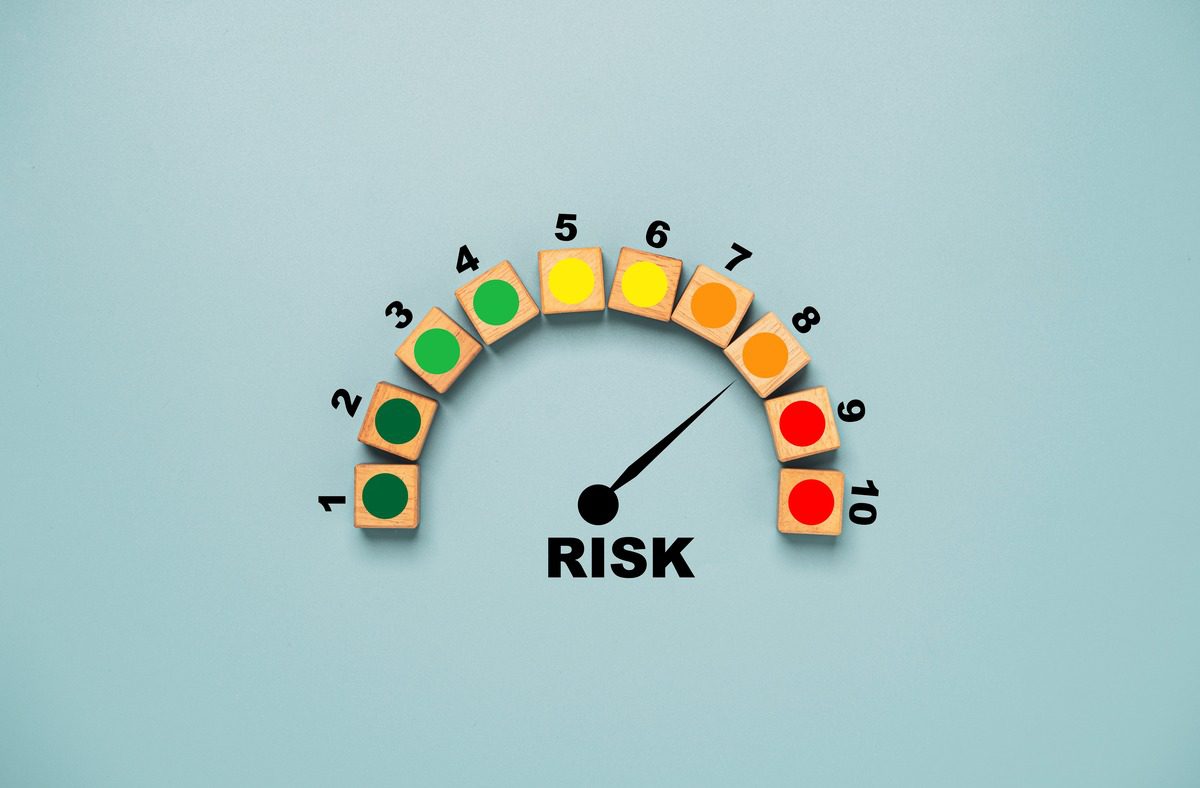
What does this mean for your Coinbase account and transactions?
If the system works as intended, you should encounter fewer unnecessary interruptions during routine tasks. However, you will still face stronger protections during moments that carry genuine risk.
In practice, these modern fraud controls often include step-up verification, such as re-authenticating your identity for specific actions. They also involve additional reviews when transaction patterns seem inconsistent with your history.
Coinbase has not promised an experience entirely free of interruptions. Instead, the goal is “smarter” interruptions that trigger only when something truly warrants a second look.
To better understand how these features work, consider reviewing a guide on how to use Coinbase.
What happens if a transaction gets flagged?
When the system flags activity, the platform may ask for more verification or briefly restrict a transfer. It might also require you to confirm the action through a secure secondary channel.
For consumers, being flagged is not an accusation of wrongdoing. It is a standard risk-control response meant to prevent irreversible crypto transfers, which are common in fraud scenarios.
This is a common practice across major digital asset platforms to ensure account safety. To avoid issues, learning how to send crypto safely is essential.
How does this fit into the bigger push toward automated security?
This policy is part of a broader trend toward automated defenses that react faster than manual updates. This shift includes using data-driven risk scoring and threat intelligence to stay ahead of scammers.
Earlier in 2026, Coinbase highlighted its expanded threat-intelligence sharing with Crypto ISAC. This helps organizations identify and disrupt attacks more quickly.
Coinbase has also focused on strengthening its infrastructure through MPC-based security. These efforts aim to modernize how risk is managed for custodial wallets while reducing single points of failure.
How should investors compare exchange safety across platforms?
Security is a layered system, not a single feature. When comparing platforms like Gemini or Kraken, investors should consider how a platform handles risky actions like withdrawals.
Look for exchanges that discuss adaptive fraud controls and automated monitoring rather than just basic two-factor authentication. Coinbase’s update signals that the industry is moving toward more responsive, intelligence-based systems.
Adaptive risk control is becoming a new standard across the crypto space. For those exploring different options, comparing the best crypto trading platforms can provide more clarity.
What should you do as a consumer?
Platform controls are only one layer of defense. Dynamic fraud prevention reduces risk, but it cannot eliminate it if your personal devices or email accounts are compromised.
Be prepared for occasional extra verification during high-risk actions. Treat any unexpected prompts or transfer delays as a signal to slow down and verify the platform's legitimacy.
Basic security hygiene, such as using strong authentication and watching for phishing, remains vital alongside these automated tools.
The Bottom Line
Coinbase’s new automated dynamic control policy is a technical upgrade designed to reduce fraud without relying on rigid, outdated rules. For investors, this should result in better protection during risky moments and fewer false alarms during routine trading.
As financial threats become more sophisticated, exchanges are increasingly relying on these adaptive systems to keep digital assets secure.