

Coinbase has issued a seasonal advisory flagging a sharp rise in impersonation and investment scams targeting U.S. consumers during the holidays. The company’s guidance focuses on protecting digital assets and personal information, offering practical steps to spot fake merchants, avoid gift card traps, and verify offers before buying.
The alert is aimed at both everyday holiday shoppers and crypto investors trying to safeguard their wallets and accounts.
The warning is timely, as fraud pressure typically intensifies in November and December across social media and online marketplaces. It also aligns with broader enforcement alerts showing that crypto investment scams remain a top source of consumer financial losses.
Key Takeaways
- Consumer Alert: Coinbase warns that holiday scams are surging and urges consumers to use credit cards, buy sealed gift cards, and strictly vet unfamiliar retailers.
- Common Risks: The company highlights threats such as fake merchant sites, social media ad fraud, zero-balance gift cards, and “too-good-to-be-true” impulse deals.
- Loss Data: The FBI reports 69,000 crypto-related complaints and more than $5.6 billion in reported losses in 2023, with investment fraud as the leading driver.
- Crypto Context: While Coinbase notes that only a small share of blockchain activity is illicit, individual consumers remain frequent targets of sophisticated impersonation cons.
What happened?
Coinbase published a “Consumer Protection Tuesday” advisory outlining the season’s top fraud trends and safety protocols. The company points to a rise in social marketplace scams, spoofed retail sites, and high-pressure investment pitches that urge users to move money off-platform.
These schemes often involve crypto transfers, peer-to-peer payments, or misleading checkout pages. For those new to the platform, understanding how to use Coinbase security features can provide a critical first line of defense.
The advisory emphasizes sticking to safer payment methods, verifying seller credentials, and slowing down before clicking “buy.” Full details are available in the Coinbase advisory.
Why does this matter now?
Fraudsters follow the money and attention spikes that accompany the holiday shopping season. Coinbase cites consumer survey findings showing widespread targeting through social ads and flash deals. These scams often exploit urgency and the “fear of missing out” (FOMO) to bypass a consumer's normal due diligence.
The FBI’s 2023 data underscores the severity of the trend: investment scams involving cryptocurrency were the most-reported scheme by loss volume, with billions at stake. This makes holiday vigilance essential for anyone using digital payments or managing crypto assets.
How are scammers targeting shoppers and crypto holders?
- Impersonation: Pitches that pretend to be from well-known companies, government agencies, or tech support teams.
- Fake Storefronts: Bogus merchant sites designed to harvest credit card numbers or login credentials.
- Social Media Traps: Ads and marketplace listings that steer buyers to spoofed checkout pages or request off-platform payments.
- Gift Card Fraud: Deceptions involving tampered or drained cards that appear legitimate at the point of purchase.
These tactics frequently rely on lookalike domains and spoofed login pages to steal personal data, passwords, or crypto wallet access.
Which payment methods offer better protection?
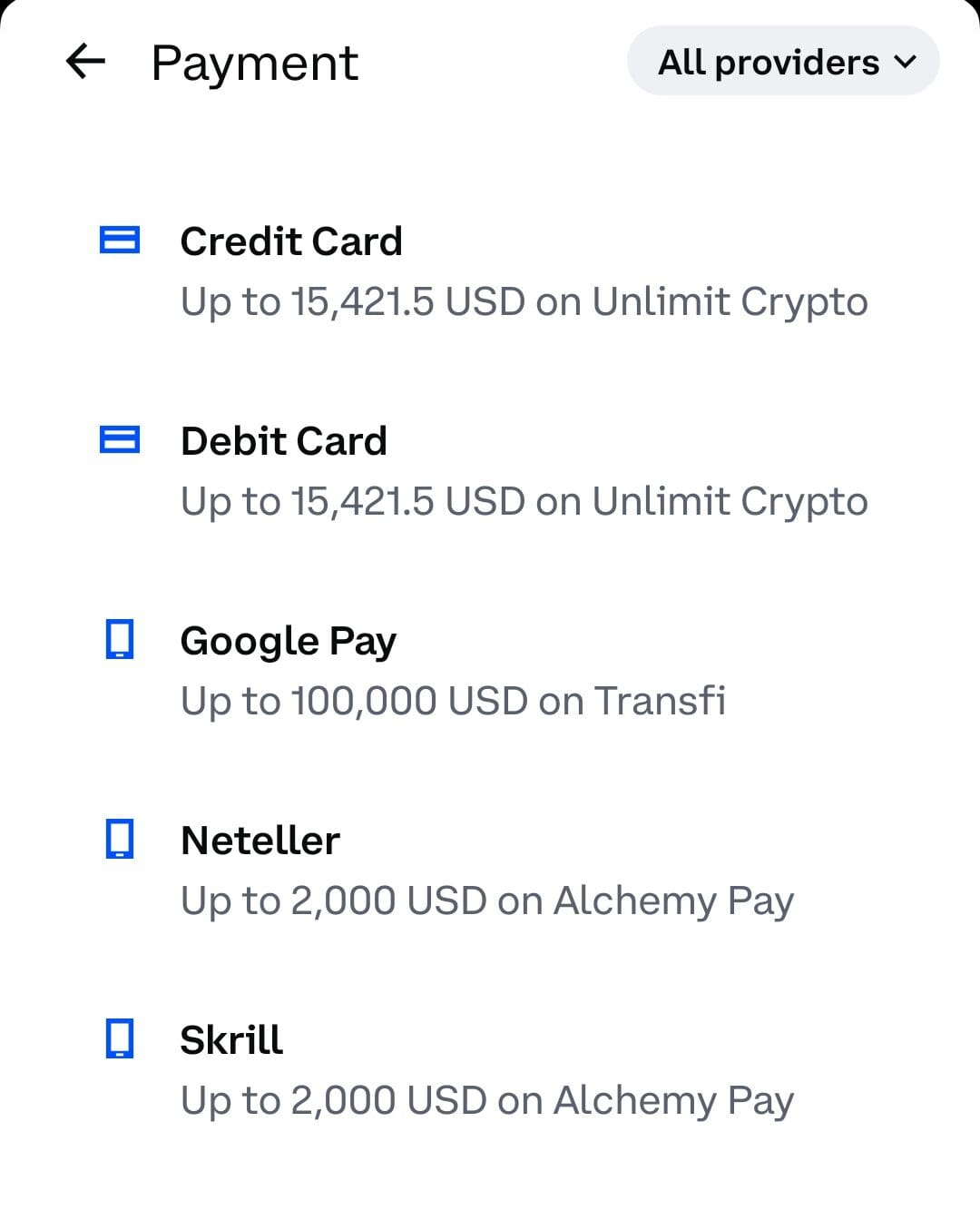
Credit cards typically provide stronger dispute rights than wire transfers, crypto transfers, or peer-to-peer apps. Chargeback protections and card network rules offer a layer of recourse if a transaction turns out to be fraudulent.
Coinbase recommends defaulting to credit card checkouts whenever possible, especially when dealing with unfamiliar shops. Consumers should avoid urgent requests to pay via gift card, wire, or crypto for retail items, as these methods are difficult to reverse and are favored by scammers. When navigating digital assets, comparing the best crypto exchanges can also help investors identify platforms with robust security protocols.
How can you vet an unfamiliar online shop?
Before making a purchase, look for a physical address, clear return policies, and working customer service contacts. A quick search of the business name combined with terms like “scam” or “reviews” can reveal patterns of complaints or fraud reports.
Be cautious with steep discounts and “limited time” countdowns that pressure you to skip research. Coinbase also advises navigating to official carrier or retailer websites directly rather than following links in ads or messages. Typing the URL yourself or using a trusted bookmark reduces the risk of landing on a spoofed site.
Are zero-balance gift cards avoidable?
Yes, but vigilance is required. Buy cards from reputable stores, choose sealed packaging, inspect the barcode and scratch-off area, and always keep the receipt.
Coinbase flags consumer reports of zero-balance gift cards and recommends avoiding cards stored on open racks that could have been tampered with by passersby. If possible, ask the cashier to verify the card’s activation or balance at checkout so you can address any issues immediately.
When is it safe to trust a social-media ad?
Treat social media ads as a starting point, not proof of legitimacy. Navigate to the retailer’s official site independently to verify the web address and compare prices. Check whether the brand has a consistent online presence beyond the ad, including valid contact details.
Coinbase notes a rise in fraud tied to social ads, warranting extra caution even when a brand looks familiar. Scammers can easily clone logos and product images to make fake offers look authentic.
What red flags should you watch for?
- Pressure to act immediately or move communications off-platform (e.g., to WhatsApp or Telegram).
- Requests for remote computer access, QR code scans, or recovery seed phrases.
- Payment instructions that change at the last minute.
- Misspelled domains, vague refund policies, or missing contact details.
In the crypto context, any request for your private keys, seed phrase, or full wallet access is a critical warning sign. Legitimate companies and support teams will never ask for this information, underscoring the importance of knowing how to use a crypto wallet securely.
How big is the problem across crypto and shopping?
Coinbase highlights that while only a small fraction of blockchain transactions are illicit, scams still successfully ensnare consumers through social engineering and fake storefronts. Law enforcement data echoes this risk: the FBI tracked tens of thousands of crypto-related complaints in 2023, with investment fraud being the largest contributor to financial losses.
Additional consumer research, summarized in CBS News reporting on the Better Business Bureau’s risk index, indicates that investment and crypto scams carry a high likelihood of monetary loss. Together, these findings show that both traditional e-commerce and crypto investing face elevated fraud risks during peak shopping periods.
What should you do if you think you were targeted or scammed?
- Stop the Payment: Contact your bank or card issuer to freeze the transaction or dispute the charge.
- Contact Support: If crypto is involved, contact your exchange’s support team with transaction details. For users of the platform mentioned in this article, a detailed Coinbase Exchange review offers useful context regarding their support processes and security measures.
- Secure Accounts: Change compromised passwords immediately and enable two-factor authentication.
- Report It: Document everything and file a report with the FBI’s Internet Crime Complaint Center at ic3.gov.
- Flag the Ad: If the scam originated on a social platform, report the ad or seller to help protect others.
Acting quickly can improve your chances of limiting losses, reversing charges, or preserving evidence for investigations.
Are fake merchant sites getting worse?
Yes. Coinbase points to a sharp increase in spoofed retail sites and urges shoppers to double-check domains before entering payment details. These fake sites often mimic real retailers perfectly but use slightly altered URLs (typosquatting), unsecure connections, or incomplete policy pages.
When in doubt, close the tab and type the retailer’s URL directly. Taking a moment to confirm the domain can prevent credential theft and unauthorized charges.
How can crypto investors reduce risk during the holidays?
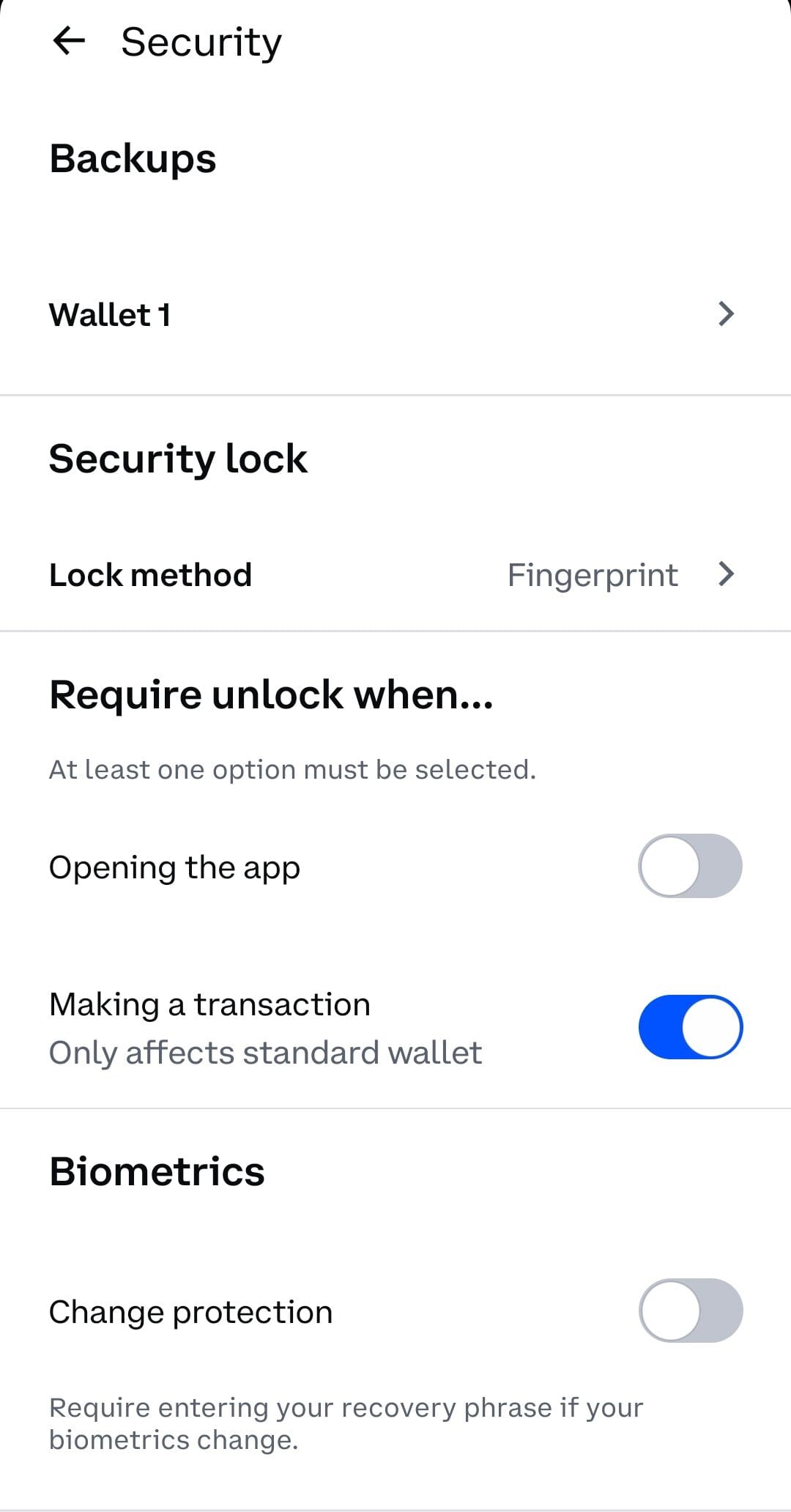
Investors should use strong authentication on all accounts, keep recovery phrases offline and private, and remain skeptical of unsolicited investment pitches. Enable security features like two-factor authentication (2FA) and withdrawal whitelists where available, or explore beginner-friendly crypto wallets that prioritize ease of use alongside strong security.
Bottom Line
Scammers capitalizing on holiday urgency are targeting both shoppers and crypto users. Coinbase’s seasonal guidance boils down to three habits: slow down, verify the source, and use payment methods with consumer protections.
Pair those habits with law enforcement advice to report incidents, and you reduce the odds that a fake deal or investment pitch will drain your wallet. For a deeper look at the patterns and tips, review the Coinbase advisory and the FBI’s 2023 Cryptocurrency Fraud Report.
Read More
- How to Buy Coinbase Stock (COIN): A Step-by-Step Guide
- Coinbase Wallet Review: Features, Fees, Security and Pros & Cons
- Coinbase vs. Kraken: Which Crypto Exchange Wins?
- Best Crypto Trading Platforms for Americans: Secure, Regulated & Feature-Rich Exchanges
- How to Buy Bitcoin on Coinbase: A Step-by-Step Guide & Examples