

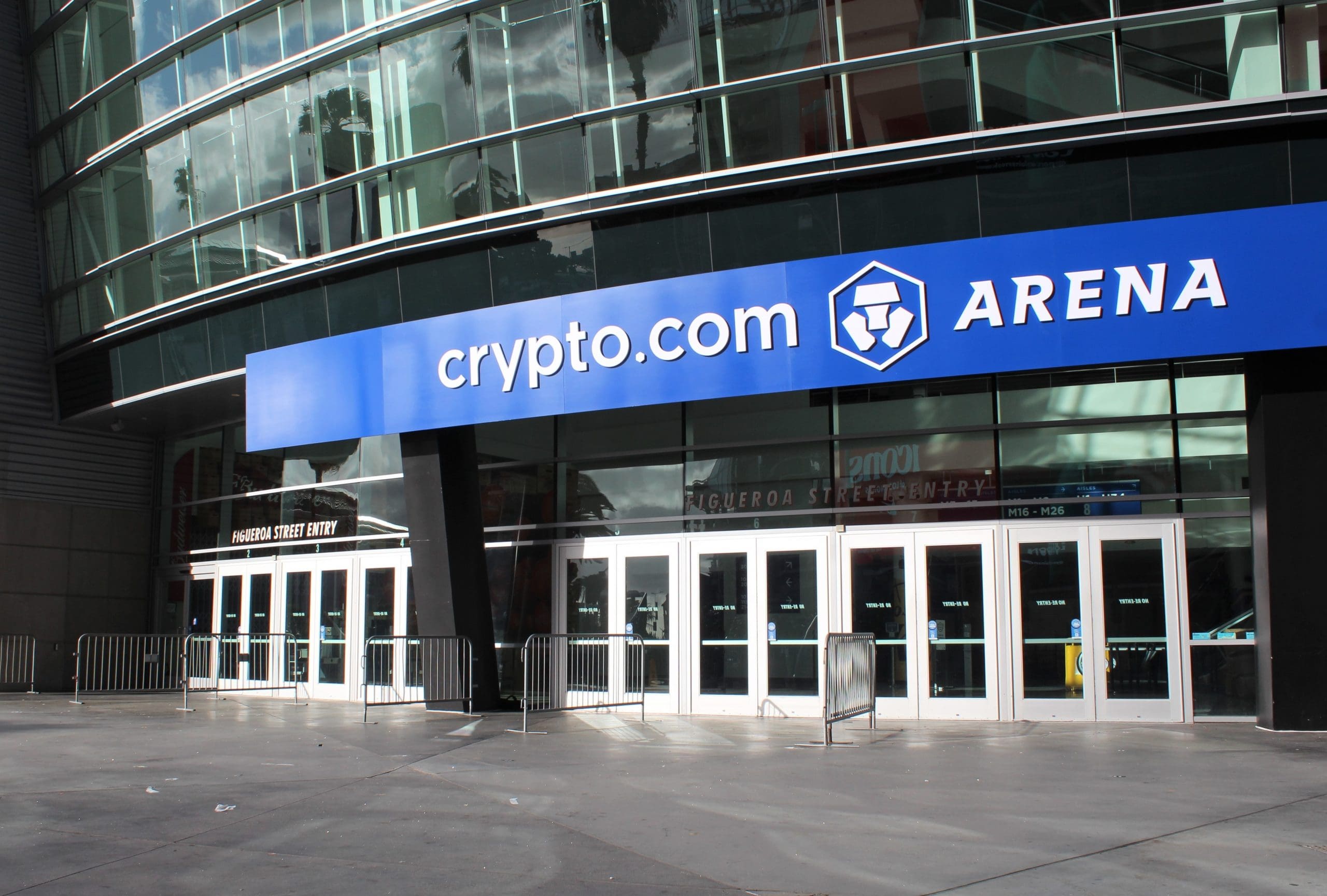
Crypto.com has launched its 2026 Exchange Broker Program, a new offering aimed at brokers, trading communities, and other high-volume participants that route trades through the Crypto.com Exchange. The announcement highlights the company's ongoing push to attract more professional and institutional trading flow.
For U.S. consumers, the main relevance is indirect. When an exchange draws more high-volume activity, liquidity can improve, which affects spreads and slippage for everyday users during fast-moving markets.
Key Takeaways
- Crypto.com launched a 2026 Exchange Broker Program aimed at advanced traders and institutional-style users.
- Broker-style participants can use Crypto.com's exchange infrastructure and API connectivity rather than building their own trading rails.
- More professional flow can improve liquidity, translating into tighter spreads and less slippage for everyday users.
- The move fits a broader trend of centralized exchanges building institutional-grade toolsets and support.
- Details like eligibility thresholds and specific incentives are typically geared toward high-volume activity.
What exactly did Crypto.com announce?
Crypto.com introduced its Exchange Broker Program for 2026. It is positioned as a program for brokers and trading communities operating through the Crypto.com Exchange.
It creates a formal path for intermediaries that manage client trading activity to connect via the Crypto.com Exchange's tools. Participants may also receive support and earn commissions tied to transaction flow.
A crypto exchange broker program is a partnership framework. It lets third-party brokers access liquidity and order routing while relying on the centralized exchange's technology stack.
Crypto.com also points to ongoing upgrades aimed at active traders. For example, the platform highlighted support for order amendments on spot and derivatives, which matters more to frequent traders.
Who is this program really for and is it “retail”?
Is this only for institutions?
The program is targeted at advanced traders and institutional clients, along with broker-like businesses that bring trading flow. This includes trading communities that connect through API-based systems rather than individuals placing manual trades.
Typical retail investors who buy and hold crypto a few times a year are not the direct target. However, changes in market quality on the exchange can still influence execution for everyone.
Could a high-volume retail trader qualify?
The available details emphasize brokers and institutional-style participants. Current information does not specify minimum thresholds or formal requirements.
In programs like this, volume requirements and onboarding checks are common. As a result, even experienced individuals may face barriers to entry compared to algorithmic systems.
How does a broker program change trading on an exchange?
What is the “broker” value proposition?
A broker program allows a business to plug into a crypto exchange's infrastructure instead of building everything in-house. Crypto.com's approach lets trading communities earn commissions on transaction flow through API integration.

Building exchange-grade systems can be expensive and complex. This infrastructure includes matching engines, market data pipelines, risk checks, and custody-related workflows.
What tools are we talking about?
Modern exchanges often include advanced order types, such as limit orders, stop-loss, and OCO orders. It also includes real-time market data pipelines designed to handle volatile periods.
These tools support systematic strategies and tighter trade management. Execution-related enhancements are intended to support more active and complex trading workflows.
Why should everyday traders care about liquidity and spreads?
Will this make crypto trades cheaper?
Potentially, but it is not guaranteed. The main consumer-relevant mechanism is liquidity.
When more high-volume participants trade on a venue, the order book can become deeper. Deeper liquidity often leads to tighter bid-ask spreads and reduced slippage.
For retail users, this can show up as slightly better prices when buying or selling. It also results in less price movement between placing a trade and getting filled.
Does more institutional activity reduce risk?
Not necessarily. It can improve price discovery and execution quality, but it does not remove core crypto risks.
These risks include volatility, regulatory uncertainty, platform risk, and custody risks. Institutional participation can also make markets move quickly when large players reposition.
How does Crypto.com's pro push compare with rivals like Coinbase?
Is this similar to Coinbase Prime?
At a high level, the intent is similar as major centralized exchanges build institutional-grade offerings. The differences are usually found in the specific API capabilities and supported products.
Crypto.com is investing in the same professional-grade category where other large platforms compete. Advanced traders typically compare execution quality, API reliability, and supported trading pairs.
What should advanced users look for before joining?
What questions should you ask about requirements and support?
Because eligibility details are not fully specified, advanced users will likely need to clarify operational points. This includes onboarding processes and what fee or commission structures apply to your flow.
It also helps to focus on practical mechanics like latency and uptime expectations. Program materials on Crypto.com's broker page can help frame those questions.
What about security and safeguards?
Common exchange security measures include multi-factor authentication, encryption, and DDoS mitigation. These are central to how institutional participants evaluate whether to route volume through an exchange.
What happens next for Crypto.com's exchange ecosystem?
Crypto.com's broker program launch fits a broader pattern of exchanges becoming full-stack venues. They are rolling out upgrades aimed at execution flexibility and institutional usability.
If the program attracts more routed flow, retail users could see deeper liquidity. However, professional features do not automatically reduce costs or overall market risk.
The Bottom Line
Crypto.com's 2026 Exchange Broker Program is a move to attract professional and institutional-style trading activity. Advanced traders may get direct value from the infrastructure and support.
Everyday users may benefit indirectly if liquidity improves and spreads tighten. The overall impact will still depend on fees, market conditions, and how the exchange's environment evolves.