
Crypto.com has announced full support for the transition of the MANTRA (OM) token to the new MANTRA ticker. This migration ensures a seamless transition for users across both the Crypto.com App and its Exchange.
By automating the process, the platform eliminates the technical hurdles often associated with protocol-level changes and token swaps.
According to the official announcement from Crypto.com, the platform will handle all technical requirements automatically. This move is part of a broader effort by the MANTRA project to consolidate its ecosystem.
The project is transitioning from various third-party blockchains to its own native infrastructure.
Key Takeaways
- Crypto.com provides automated support for rebranding OM tokens to the new MANTRA ticker.
- The transition includes a 1:4 token split, meaning users receive four new tokens for every one OM token held.
- Automated exchange migrations reduce the risk of asset loss or technical errors for retail investors.
- The rebrand reflects MANTRA’s shift toward a native chain focused on the tokenization of real-world assets (RWA).
What is the MANTRA (OM) rebranding and migration?
This rebranding is more than a simple name change. It represents a technical migration where the project moves from ERC-20 tokens on Ethereum and other networks to native tokens on the MANTRA Chain mainnet.
This consolidation aims to unify liquidity that was previously scattered across multiple blockchains like Polygon and Base. By moving to a native chain, the project seeks to improve efficiency.
It also aims to better support its core mission of real-world asset tokenization and on-chain financial infrastructure.
How does the Crypto.com MANTRA migration work for users?
For retail investors holding OM on Crypto.com, the process is designed to be hands-off. The exchange coordinates directly with the MANTRA team to update balances and tickers within the app.
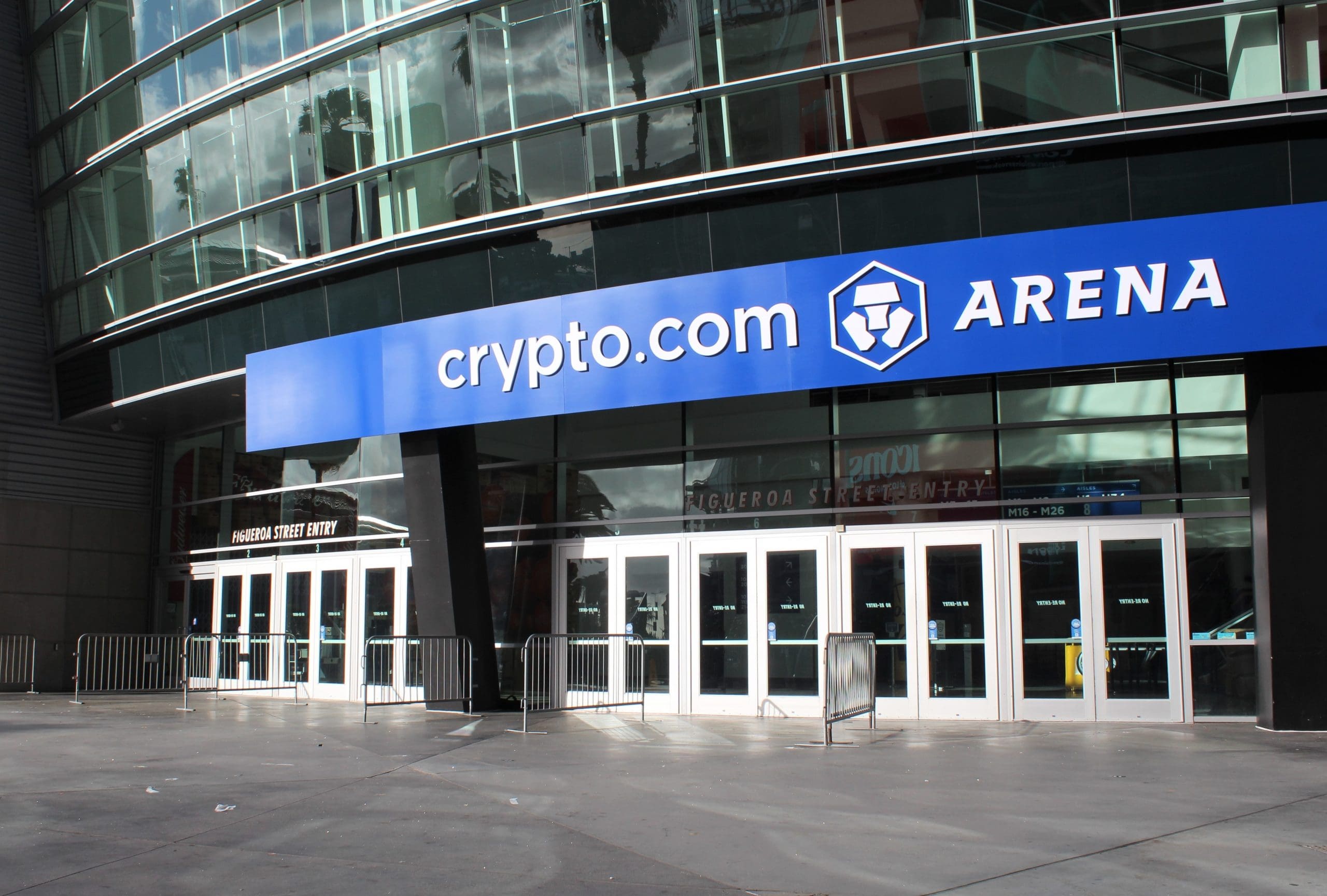
Users holding tokens in self-custody wallets often navigate complex bridges or manual transfers. In contrast, Crypto.com users will see their holdings updated automatically.
This prevents the “stranding” of assets that can occur if a user misses a manual migration deadline.
Why are crypto projects consolidating onto native chains?
Many projects start as tokens on established networks like Ethereum to gain initial traction. These networks offer existing liquidity, developer tools, and DeFi ecosystems.
However, as projects grow, they often find that a native blockchain provides more control over security and scalability.
As noted in the MANTRA Chain upgrade timeline, native infrastructure allows for a specialized environment. In this case, the MANTRA Chain is tailored specifically for institutional-grade financial products.
It also supports compliance-focused deployments and RWA tokenization.
What is the difference between a token rebrand and a hard fork?
A rebrand or token migration is a managed transition where users or exchanges move assets to a new system. This often involves a “swap” where the old token is retired.
A new one is then issued in its place under a different ticker or contract address. This is distinct from a hard fork which results in two separate networks.
How will this migration impact your Crypto.com portfolio visibility?
During the migration window, users may see temporary disruptions in trading or price displays for OM. Once the update is complete, the old OM ticker will disappear.
The new MANTRA ticker will then reflect the updated balance in your Crypto.com portfolio overview.

Because this transition includes a 1:4 token split, the number of tokens in your account will increase fourfold. The total value of your holding should remain the same at the moment of the split.
Why do automated migrations protect retail crypto investors?
Technical migrations can be daunting for self-directed investors. Manual swaps often require interacting with smart contracts or using “bridges.”
These tools can be targets for hackers or prone to user error and wallet compatibility issues.

By supporting the migration internally, exchanges like Crypto.com and platforms like OKX provide a layer of safety. They validate the new network's infrastructure and ensure the distribution of new tokens is accurate.
An investor checklist for future token swaps and chain migrations
Even with exchange support, investors should stay informed about future crypto migrations and rebrands. First, always verify migration deadlines through official project channels.
Second, if you hold assets in a private wallet, consider moving them to a supporting exchange before the deadline. Finally, always perform a test transfer if you are moving assets between different blockchain versions.
The Bottom Line on the Crypto.com MANTRA token migration
The transition of MANTRA (OM) to MANTRA on Crypto.com is a significant technical milestone that simplifies the experience for retail holders. By automating the 1:4 split and the ticker change, the exchange removes the stress of manual technical execution.
As the market for real-world asset tokenization grows, these types of migrations are likely to become more common. Understanding how token rebrands and swaps work helps investors navigate similar changes in the future.