

Crypto.com recently launched a limited-time “Flash Rewards” campaign for Polkadot (DOT), offering users an annualized yield of 14% on their holdings. This promotional event represents a tactical move by the exchange to incentivize user engagement.
It focuses on short-term, high-interest opportunities within its centralized staking-style products.
For retail investors, these “sprint” style rewards provide a significant boost over standard passive income rates. However, according to the official campaign announcement, the offer comes with specific constraints.
These include strict lock-up periods and individual allocation limits that differ from traditional on-chain protocol staking.
Key Takeaways
- The campaign offered a 14% p.a. yield on Polkadot (DOT) for a fixed 14-day term.
- Individual allocations were capped at 3,900 DOT per user to manage the promotional budget.
- Flash Rewards typically pay higher rates than standard staking by using exchange marketing funds.
- Participation requires a total lock-up of assets, meaning investors cannot trade or withdraw their DOT during the 14-day window.
What is the Crypto.com DOT Flash Rewards campaign?
The DOT Flash Rewards campaign was a high-yield promotional event designed for users of the Crypto.com App. It targeted those looking to earn higher interest on Polkadot.
Unlike ongoing programs, this was a “first-come, first-served” opportunity with a hard cap on the total amount of DOT accepted.
Users were invited to allocate their DOT for a precise 14-day period. In exchange for this commitment, the platform offered an annualized return of 14%.
This is notably higher than the standard staking rates typically found on the platform, which often range between 10.48% and 10.81%.
How do Flash Rewards mechanics differ from staking?
Traditional staking involves participating in a blockchain’s consensus mechanism. In this system, rewards are generated by the protocol itself.
According to data from blockchain infrastructure providers, DOT protocol staking typically generates around 12% annually.
Flash Rewards function differently because they are primarily promotional. Instead of relying solely on network rewards, the exchange often supplements the yield from its own marketing budgets.
Furthermore, while protocol staking may have variable “unbonding” periods, Flash Rewards have a fixed, non-negotiable term.

In practice, this makes Flash Rewards closer to a fixed-term savings promotion inside a centralized exchange. It is not a direct interaction with Polkadot’s native staking system.
Is the 14% yield as lucrative as it sounds?
The “14% p.a.” figure is an annualized rate, which means you only earn a fraction of that amount during the 14-day window. For every $10,000 worth of DOT allocated, an investor would earn approximately $54 in rewards for that two-week period.
While this is a 3% to 4% premium over baseline rates, it is a short-term gain. When the 14 days end, the assets typically revert to standard wallet holdings or lower-yield flexible programs.
Users must then manually move them back into a standard staking contract if they wish to keep earning.
For investors, the effective return depends on how often similar rewards are available. It also depends on whether they can consistently reinvest DOT without gaps between promotions.
What are the eligibility requirements and limits?
To maintain fairness and manage costs, Crypto.com implemented a maximum individual allocation of 3,900 DOT. This prevents “whales” from consuming the entire reward pool.
It also ensures more retail users can participate in the campaign. The campaign also had an aggregate cap of 388,200 DOT tokens.
Once the community reached this limit, the campaign closed to new participants, even if the deadline had not passed. This creates a “flash” environment where investors must act quickly to secure the higher rate.
What are the risks of chasing short-term rewards?
The primary trade-off for the high yield is a total loss of liquidity. During the 14-day allocation, your DOT is locked.
If the market price of Polkadot drops significantly, you cannot sell your tokens to mitigate losses until the term expires.

There is also the matter of “platform risk.” By keeping assets on a centralized exchange, investors forgo the benefits of self-custody.
They rely entirely on the exchange’s solvency and security controls. Additionally, frequent moving of assets can complicate tax reporting.
Each reward distribution is generally taxed as ordinary income based on the fair market value at the time of receipt.
Why do exchanges offer these promotional rates?
Exchanges use these campaigns as customer acquisition and retention tools. By offering a market-leading rate for a short time, they encourage users to deposit new capital.
This helps keep existing balances on the platform rather than moving them to competitors like Coinbase or Kraken.
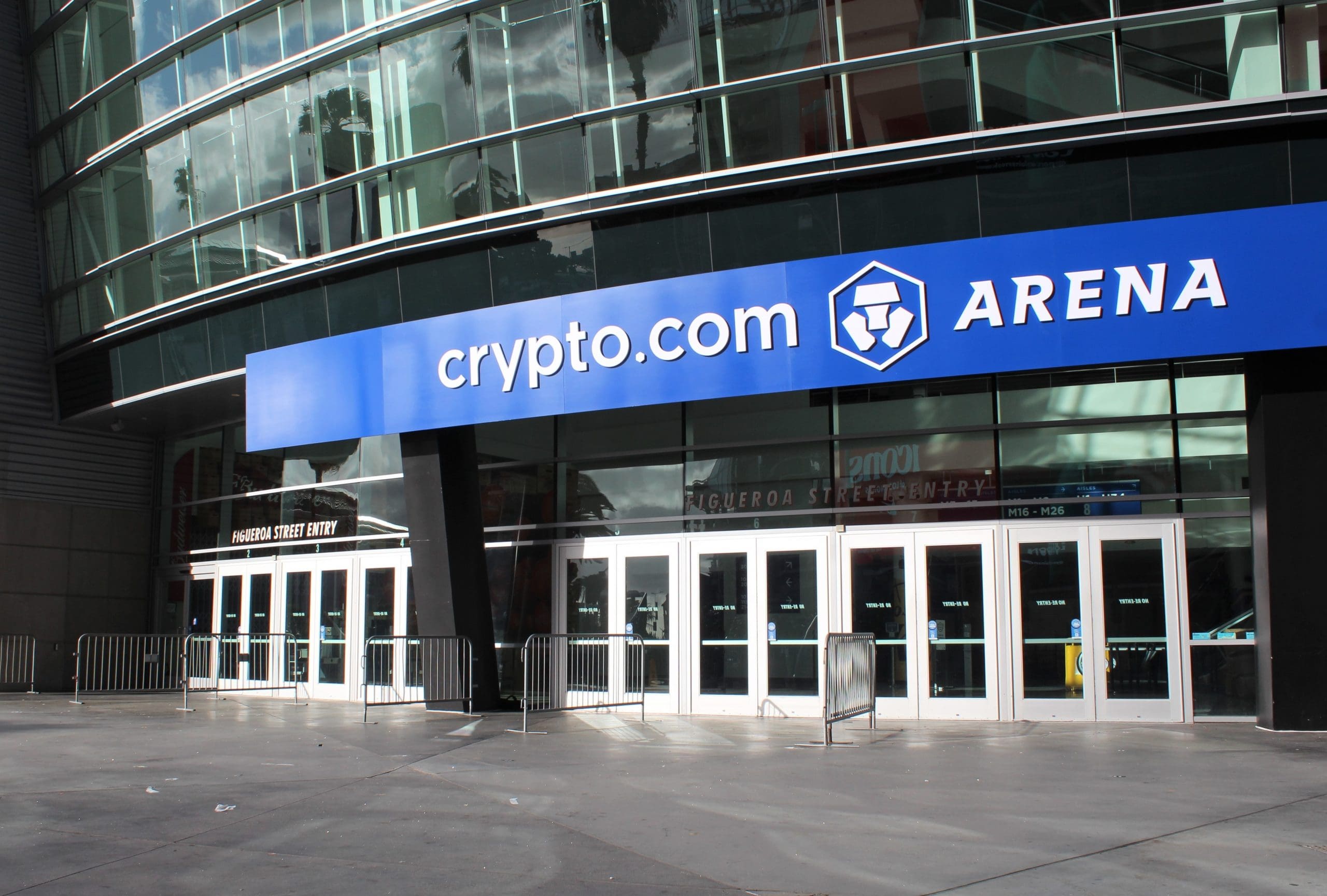
This aggressive marketing strategy is consistent with the company’s broad public-facing branding efforts. These events also boost trading volume and platform engagement.
As protocol yields on tokens like DOT face downward pressure, these “sprints” allow exchanges to remain competitive.
How should investors evaluate Flash Rewards vs. DOT staking?
When comparing these rewards to standard Polkadot staking, investors should focus on yield, risk, and liquidity. Flash Rewards offer a short-term headline rate that is higher than both on-chain staking and flexible Earn products.
However, they require locking DOT on a centralized exchange. Traditional protocol staking generally offers lower but more consistent rewards.
It also involves direct interaction with the network’s consensus and different custody trade-offs.
By weighing these factors, investors can decide if a limited-time promotion is an opportunistic boost. For many, it may simply be a distraction from a core, long-term DOT staking strategy.
The Bottom Line
The Crypto.com DOT Flash Rewards campaign provided a clear, high-yield opportunity for investors willing to lock up assets for a short window. While the 14% annualized rate is attractive, these are temporary incentives.
They do not represent long-term shifts in market rates for Polkadot staking.
For the disciplined investor, these campaigns are useful tools to maximize passive income on assets they already intend to hold. However, the reality of locking liquidity means these rewards should supplement a diversified investment strategy.