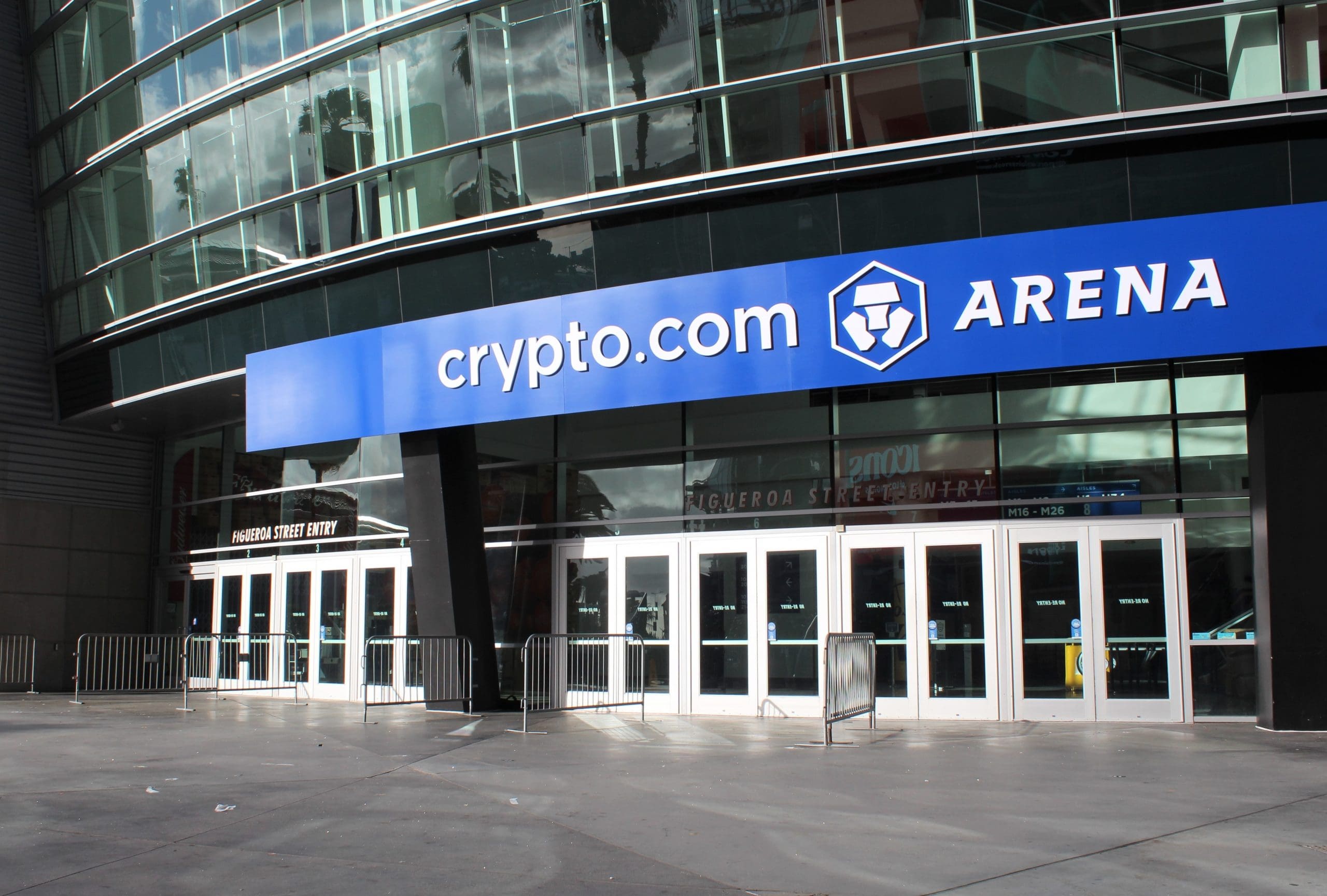
Crypto.com has announced the launch of its latest “Airdrop Arena” event, a promotional campaign set to distribute US$250,000 in Solana (SOL) tokens to its user base starting January 1, 2026. This initiative is designed to increase platform engagement by rewarding users who interact with the exchange’s ecosystem using its native Cronos (CRO) token.
For many users, this looks like a classic crypto airdrop or exchange promotion, but in practice, it operates more like a structured loyalty and rewards program.
While the promise of “free” tokens often captures headlines, these events function as sophisticated loyalty programs rather than simple giveaways.
According to the official Crypto.com announcement, participants must navigate a tiered points system and specific allocation requirements to claim a portion of the SOL prize pool. For retail investors, understanding the mechanics, opportunity costs, and hidden risks of these programs is essential before committing capital or locking up tokens.
Key Takeaways
- The event features a $250,000 SOL reward pool distributed based on a points-based leaderboard system.
- Participation requires users to allocate CRO tokens, which may be subject to lockup periods of up to six months.
- “Boosters” are available for early participants and those willing to purchase additional CRO to increase their daily point totals.
- Airdropped tokens are considered taxable income by the IRS at their fair market value upon receipt.
How does the Crypto.com Airdrop Arena work?
The Airdrop Arena is a gamified rewards system where users earn points by allocating CRO tokens into specific event pools on the Crypto.com exchange. The more CRO a user allocates and the longer they participate, the higher they climb on the leaderboard.
At the end of the event period, the $250,000 SOL pool is distributed proportionally based on these points, effectively turning the airdrop into a competition-based reward distribution.
The system uses several multipliers to incentivize specific behaviors and increase user engagement. For instance, the “Swift Starter” booster gives a 120% points multiplier to the first 10,000 users who join.
According to Crypto.com's official Airdrop Arena guidelines, the top 200 participants can receive up to a 10x multiplier. This makes the event highly competitive for those with large holdings and higher risk tolerance.
This structure blends elements of staking, loyalty points, and leaderboard rewards. Such a mix is typical of modern centralized exchange airdrops and promotional campaigns.
What are the eligibility requirements for the Solana pool?
To participate, users must have a verified Crypto.com account and hold a balance of CRO tokens in their spot wallet. While there is no strict minimum for the base allocation, the points structure heavily favors users who can commit larger amounts of capital.
Furthermore, users often need to maintain those allocations for the full duration of the airdrop campaign.
The event also involves geographic and regulatory considerations. Users must ensure their jurisdiction allows for participation in promotional airdrops and exchange-based campaigns.
Additionally, certain “boosts” require users to perform specific actions, such as purchasing and transferring at least 1,500 CRO into the arena during the event window.
For prospective participants, eligibility is not just about holding CRO. It also requires complying with know-your-customer (KYC) requirements and local regulations regarding crypto promotions.
Is the SOL reward actually “free”?
The term “free” is a bit of a misnomer in the world of crypto rewards and airdrops. While participants do not pay for the SOL tokens directly, there is a significant opportunity cost.
CRO tokens allocated to the Arena are essentially sidelined from other trading or yield-generating opportunities, such as staking, lending, or liquidity provision on other platforms.
Furthermore, users can choose to activate the “Loot Locker” feature, which provides a massive 200% daily points boost. The catch is that any rewards earned through this feature are locked for six months.
This creates a liquidity trade-off where you receive more tokens but cannot sell them for half a year.
As a result, investors are left vulnerable to market volatility and potential drawdowns in SOL or CRO prices during that period. In practice, the SOL reward is “free” only because no direct purchase is required.
Investors are essentially paying indirectly through lockups, opportunity costs, and increased exposure to token price risk.
How are the airdropped tokens taxed in the U.S.?
From a consumer perspective, airdrops are not viewed as “gifts” by the IRS. Instead, they are treated as ordinary income under existing cryptocurrency tax guidance.
The value of the SOL tokens at the moment they are credited to your account is the amount you must report as income on your tax return.
If the value of SOL drops after you receive it but before you sell it, you still owe taxes based on the higher initial value. Conversely, if the tokens appreciate and you sell them later, you will also owe capital gains taxes on the profit.
This makes tracking the tax implications of every reward event vital for avoiding surprises during tax season.
Keeping detailed records of the date received and the fair market value at receipt is crucial for accurate crypto tax reporting.
Why is Solana being used for this loyalty incentive?
Solana has emerged as a preferred asset for exchange promotions due to its high transaction speeds and low fees. By 2026, the Solana network's continued infrastructure upgrades have made it an attractive asset for long-term holders and traders alike.
For Crypto.com, offering SOL instead of a stablecoin creates more excitement among retail traders looking for assets with potential growth. It also helps the exchange align itself with the broader Solana ecosystem.
This strategy may attract “SOL-maximalists” who might otherwise use decentralized platforms instead of centralized exchanges.
At the same time, using a well-known altcoin like Solana differentiates the campaign from more generic rewards. This enhances the marketing appeal and the perceived value for the average user.
What are the risks of gamified investing features?
The “Airdrop Arena” is a prime example of gamified investing. It uses leaderboards, badges, and multipliers to encourage frequent platform use.
While this can be entertaining, it may lead some investors to take on more risk than they originally intended or to deviate from a long-term investment plan.
The pressure to maintain a high rank on the leaderboard can incentivize users to buy more CRO than their portfolio strategy dictates. Additionally, the focus on “points” can distract from the underlying price risk and volatility of the tokens being held.
This can sometimes blur the line between rational investing and speculative behavior.
That said, investors should treat these events as a supplement to their strategy, not a primary driver of their decisions. A disciplined approach that considers allocation size and risk management is essential when engaging with gamified exchange products.
How should investors decide whether to join the Crypto.com Solana airdrop?
Deciding whether to participate in the Crypto.com Solana Airdrop Arena comes down to weighing potential rewards against the risks and constraints. Investors should consider how much CRO they are willing to allocate and potentially lock up.
They should also evaluate their existing exposure to Solana and Cronos within their overall crypto portfolio.
Another factor is the impact of six-month lockups on liquidity and emergency cash needs. High market volatility and the additional record-keeping burden for crypto taxes should also be considered.
For users already committed to the Crypto.com ecosystem, the event can be a tactical way to earn extra SOL. However, it should fit within a broader risk-managed portfolio strategy rather than dictate it.
The Bottom Line
Crypto.com’s $250,000 Solana airdrop is a strategic way for the platform to reward its most loyal CRO holders while boosting user engagement. For users who already hold CRO and plan to stay on the platform long-term, it offers a structured way to pick up SOL tokens.
However, the requirements for lockups and the potential “pay-to-win” dynamic mean that participants should read the fine print carefully.
Investors should view this Solana airdrop like any other financial decision. Assess the opportunity cost, understand the reward mechanics, and make sure participation aligns with your overall financial plan and risk profile.